


 EN
 ไทย



Customers Also Purchased
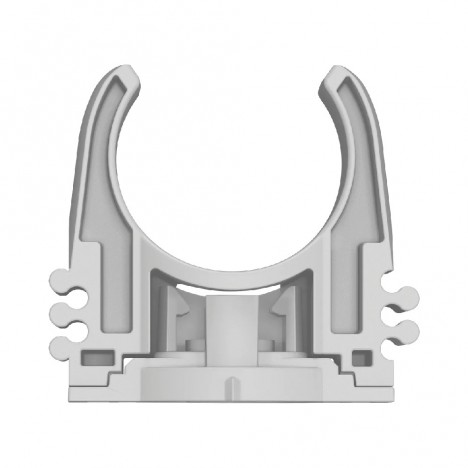
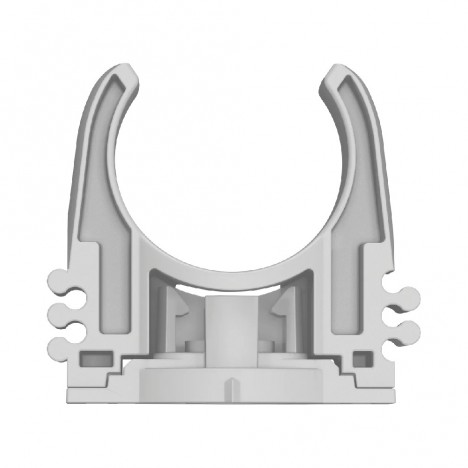
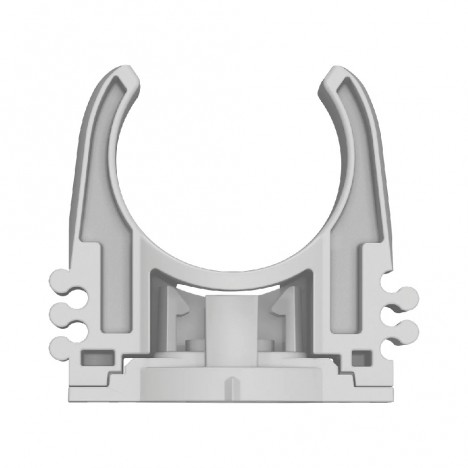
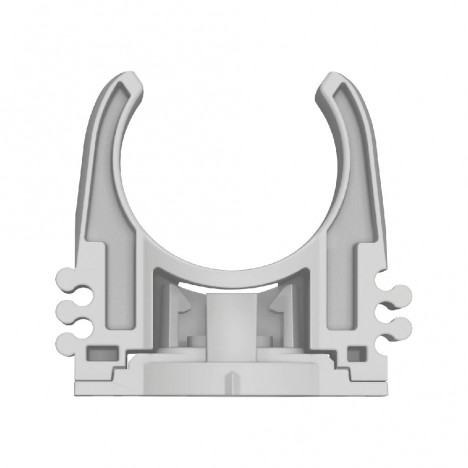
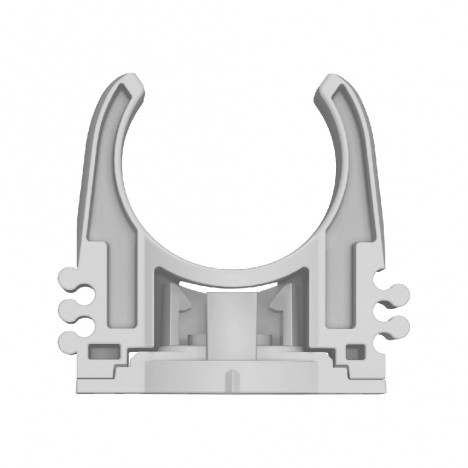
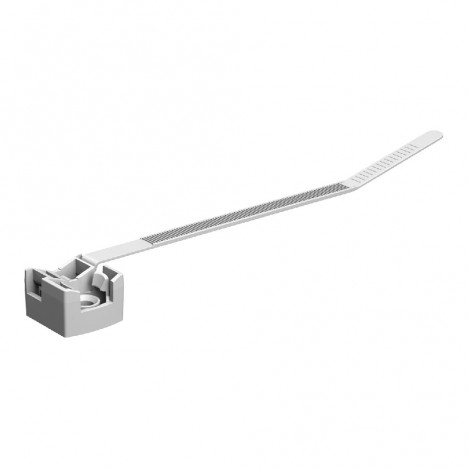
A Cable Clamp is a device used to secure or hold wires, cables, or various signal lines in a safe and neat position. It prevents cables from slipping out of place or suffering friction damage, while also organizing wire and communication cable installations, making wiring routing easier and much safer.
Structure of a Cable Clamp
Most cable clamps are designed with a frame or ring structure that can adjust the clamping tightness based on cable size and installation method. Generally, they can be divided into the following main components:
1. Clamp Body
- Made from various materials, such as plastic (Nylon, PVC) Metal (Stainless steel, galvanized steel) or sometimes extra-strong composite materials.
- Its primary function is to hold cables in place, featuring grooves or channels to accommodate the cable, and coming in various sizes to match the cable's diameter.
2. Mounting Base/Bracket
- This is the section that attaches to walls, ceilings, cable trays, or various control panels.
- Installation may be done using screws, nuts, rivets, or high-bond adhesive tape, depending on the manufacturer's design and on-site conditions.
3. Locking and Adjustment Mechanism
- Most are wing nut types, locking screws, or plastic snap-lock systems, allowing the clamp tightness to be adjusted according to cable size and application requirements.
4. Accessories
- Some models may include rubber cushions or internal linings to protect cables from abrasion or crushing that could cause cable damage.
- They may feature external surface coatings to prevent rust or withstand chemicals in specific environments.

Key Functions of Cable Clamps
1. Secure Cables Safely
- Helps prevent cables from moving or slipping out of position, reducing the chance of cable damage and minimizing the risk of short circuits.
2. Prevent Abrasion and Breakage
- Neat cable arrangement with proper support helps reduce issues with cables being pinched or rubbing until the insulation tears.
3. Improve Organization in Wiring Systems
- Cable clamps keep electrical wiring or signal cable systems tidy, making inspection and maintenance easy.
- Reduces confusion between cables of various types and sizes.
4. Support Professional Installation
- Equipment properly installed with cable clamps will have a longer service life, be safe, aesthetically pleasing, and inspire customer confidence.
5. Environmental Durability
- Many cable clamp models are designed to resist corrosion, moisture, or high temperatures, maintaining operational performance in harsh environments.

Benefits of Use
1. High Safety
- When cables are secured tightly and properly, it can reduce tripping hazards and prevent short circuits or electrical leakage.
2. Easy Installation
- Most cable clamps are designed for users to install quickly without requiring overly complicated tools.
3. Supports versatile applications
- Can be used across various industries, such as electrical, telecommunications, automotive machinery, construction, CCTV systems, telecommunications, as well as on marine vessels or environments with high vibration.
4. Easy maintenance
- When electrical or signal cables are organized and securely fastened, repairing or replacing cables is much faster and easier.
How to choose cable clamps appropriately
1. Choose based on cable size
- You should select a clamp size that properly fits the cable diameter so it can lock the cable securely without damaging it.
2. Consider the material
- If used in high-humidity environments, choose stainless steel or rust-resistant plastic clamps.
- For high-temperature environments or exposure to chemicals, check the heat and chemical resistance specifications of the material.
3. Consider the routing and installation space
- Check whether the mounting location has adequate structural support, bolts, or sufficient space for drilling and fastening.
- If drilling into the surface is not feasible, adhesive-backed cable clamps or specially designed brackets can be used.
4. Choose a design that suits the work style
- For interior decoration or building work requiring a neat finish, choose clamps in colors that blend in with the walls or furniture.
- For applications exposed to severe vibration, you may opt for cable clamps with extra-heavy-duty construction.

Conclusion
Cable Clamps It is an essential accessory in electrical and communication cabling, helping ensure installations are safe, organized, and extend the lifespan of various wiring systems. If the material and installation are selected correctly, cable clamps will help electrical or communication systems operate at full efficiency, reduce the risk of technical issues, and make future maintenance much easier.
Having a fundamental understanding of their structure, functions, and proper selection will help you design and install cables safely and reliably. Whether you are an electrical professional or a beginner interested in wiring projects, cable clamps are definitely an accessory you should not overlook in any cabling installation project!