


 EN
 ไทย


Customers Also Purchased
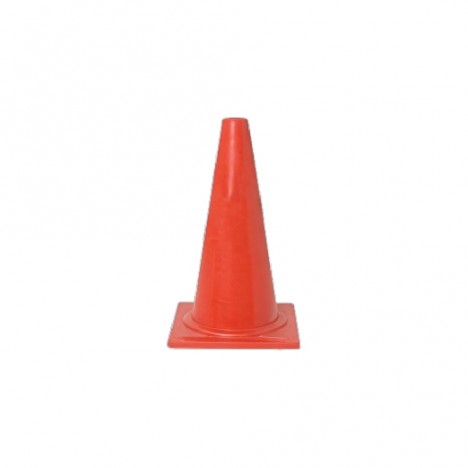
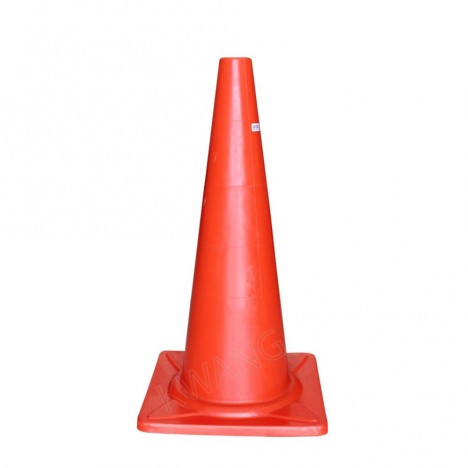
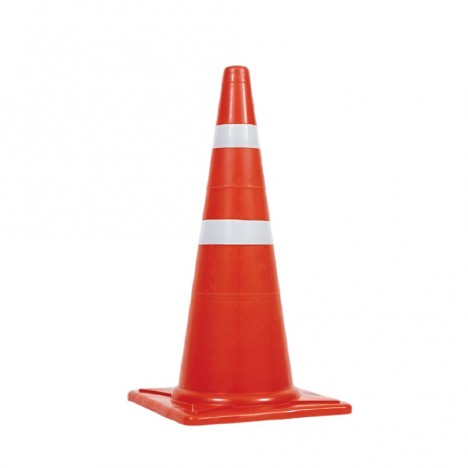
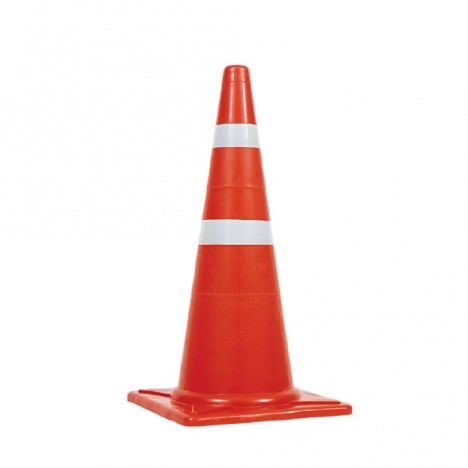
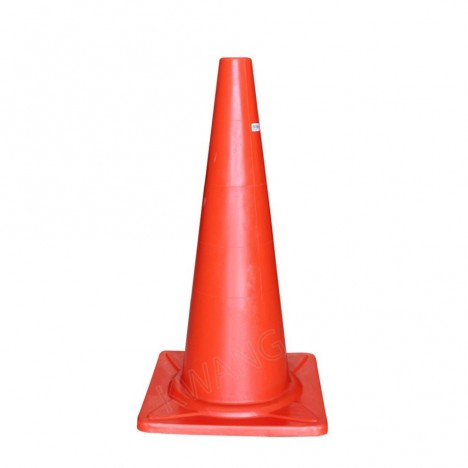
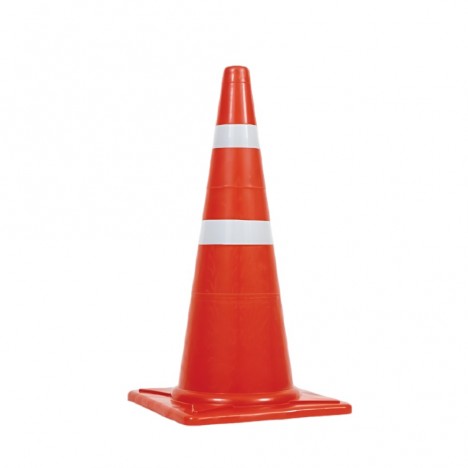
When talking about traffic safety equipment that plays a significant role, “Floor Safety Cones” is among the first things many people think of. What stands out most on a traffic cone is undoubtedly the “orange” color, visible from a great distance, day or night. But have you ever wondered why it has to be orange, especially when other colors are also bright and reflective? This article dives into the history, science, and psychology behind why “orange” was adopted as the universal standard color for hazard warnings and road user safety.
1. The History of Traffic Cones: From Wooden Boards to Plastic Cones
The Pioneering Era Before Traffic Cones
During the late 19th to early 20th centuries, there were no conical traffic cones as we know them today. However, there is evidence that in major cities across the United States and Europe, people used “wooden blocks” or “iron barriers” placed on streets to block off repair zones or delineate parking areas. But these were found to be “heavy, difficult to move,” and easily broken. In addition, colors and sizes were not standardized, frequently causing confusion among drivers and leading to accidents.
The Major Turning Point
Charles P. Rudabaker (1914 / B.E. 2457) Records indicate that he was a traffic police officer in the United States who attempted to invent a cone-shaped device to make it clearly visible to drivers and easy to move around. Later on, traffic cones were developed using lightweight materials such as rubber or plastic to resolve issues with weight and durability, along with reflective collars attached to enhance safety during nighttime use.

2. Why does it have to be orange?
2.1 Orange has physical prominence
- High visual contrast: Orange lies in the wavelength range of approximately 590 – 620 nanometers, which is a range where our eyes can see very clearly, making it eye-catching even in low light or amidst environmental distractions. When complemented by white or silver reflective tape, it stands out even more at night or in rainy and foggy conditions.
2.2 Color Psychology
- Color Psychology: Orange signifies "danger" and "caution," serving as a color that automatically triggers alertness in drivers or pedestrians.
2.3 International Standards
- Standardization: Road safety agencies in various countries, such as the MUTCD (Manual on Uniform Traffic Control Devices) in the United States, as well as those in Europe and Asia, have adopted orange as the "standard" for construction equipment or hazardous area demarcation.
- Universally understood worldwide: No matter which country you are driving in, seeing an orange traffic cone immediately communicates the need to "exercise caution."

3. So why aren't other fluorescent colors like pink or green popular?
3.1 "Recognition" and "Familiarity"
- Drivers have long recognized the use of "orange" cones. Switching to other colors such as fluorescent pink or fluorescent green could cause confusion and reduce credibility regarding safety standards.
3.2 Visibility efficiency and international standards
- Certain shades of pink or green might offer comparable brightness, but they are not included in international standards, meaning drivers around the world are not accustomed to them.
- Standard certification bodies, such as the Department of Highways, specify orange as the primary color for hazard warnings; therefore, other colors have not received as much institutional support.
3.3 Cost and Durability Factors
- Established Production Lines: Orange cones have been manufactured for a long time, allowing production costs to be well-controlled.
- Long-tested Quality: Orange color formulations and various types of plastic materials have undergone continuous testing for durability and real-world use. Other custom colors still lack comparable widespread standards.

4. Fun Facts: Interesting Information About Traffic Cones
4.1 Stays Upright Easily
- The conical shape features a wide base that provides ballast, keeping it from easily toppling over even with high-speed traffic or strong winds.
4.2 Uses Beyond Just "Blocking Roads"
- Used for "sports training" and "driver training"—such as dribbling drills in soccer or basketball, or as markers for bicycle or vehicle maneuver practice.
4.3 Various Names
- In Thai, they are called "Kruay Jarajon" or simply "Kruay", while in English, they are known as "Traffic Cones" or just "Cones", commonly seen in construction and traffic documentation worldwide.
4.4 RFID Chip Technology
- Currently, traffic cones are being developed with RFID chips or sensors to alert when a cone is hit or moved, enhancing safety and preventing theft.
5. Conclusion
"Orange" for Floor Safety Cones was not chosen by chance, but as a result of considerations across multiple aspects—whether scientific, psychological, or international standards that people worldwide recognize and trust. Whenever you see an orange traffic cone on the road, remember to slow down and stay alert, as it plays a vital role in keeping your journey safer.