


 EN
 ไทย


Customers Also Purchased

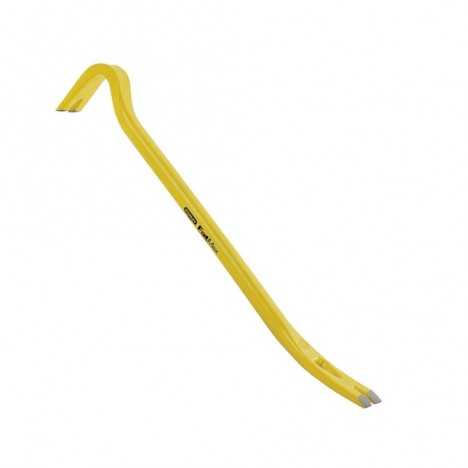


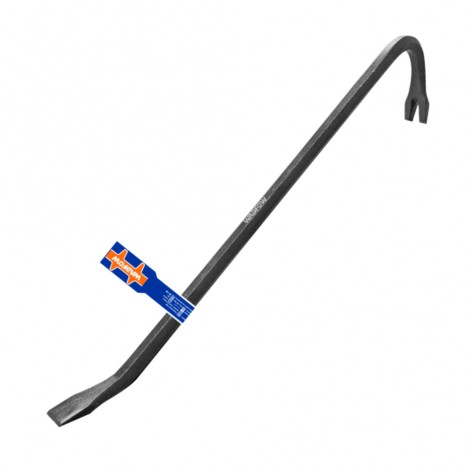

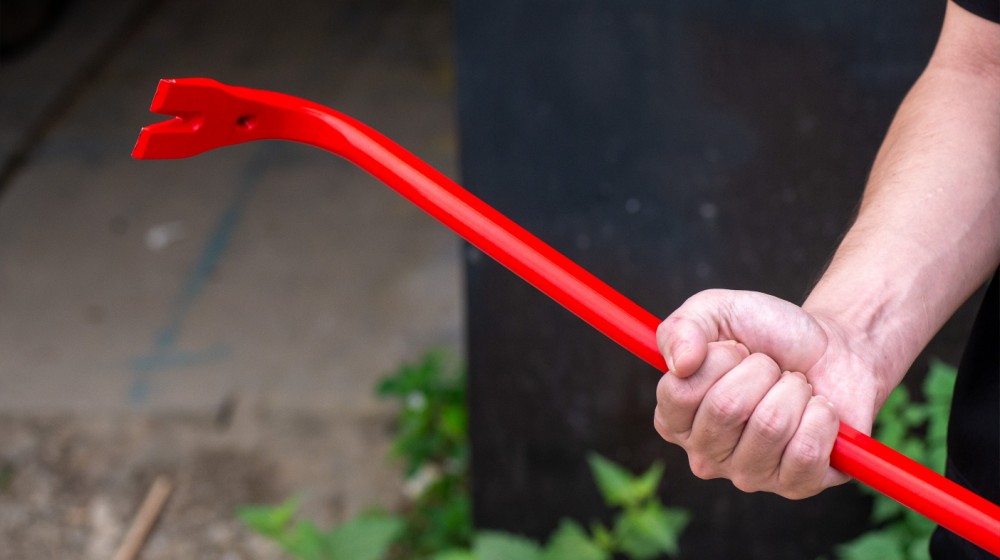
In this article, I will explain how to use a crowbar while helping you understand its types, applications, and maintenance tips so that you can make the most out of this handy tool. If you are ready, let's dive into the article.
What is a Crowbar?
Basically, Crow bar It is a long, flat, or curved metal tool used for prying. Typically, pry bars are made of hardened steel to withstand high pressure and force. Crowbars vary in design depending on their application, but usually feature one or more tapered ends to insert into tight spaces or under heavy objects. From pulling nails to prying materials apart, crowbars simplify tasks requiring strength and precision. Their versatility makes pry bars indispensable for construction workers, carpenters, and even hobbyists.
How to Use a Crowbar to Pry Without Damaging Surfaces
One of the biggest challenges in using a crowbar is avoiding damage to surrounding surfaces. It is essential to distribute pressure evenly and use protective materials, such as scrap wood. Place the wood between the pry bar and the surface to prevent scratches, dents, or cracks.
When prying with a crowbar, apply slow and steady pressure. Sudden force can cause damage or loss of control. For delicate tasks, such as removing trim or baseboards, opt for a smaller crowbar for better precision and reduced risk of damage.
Nail Removal Techniques
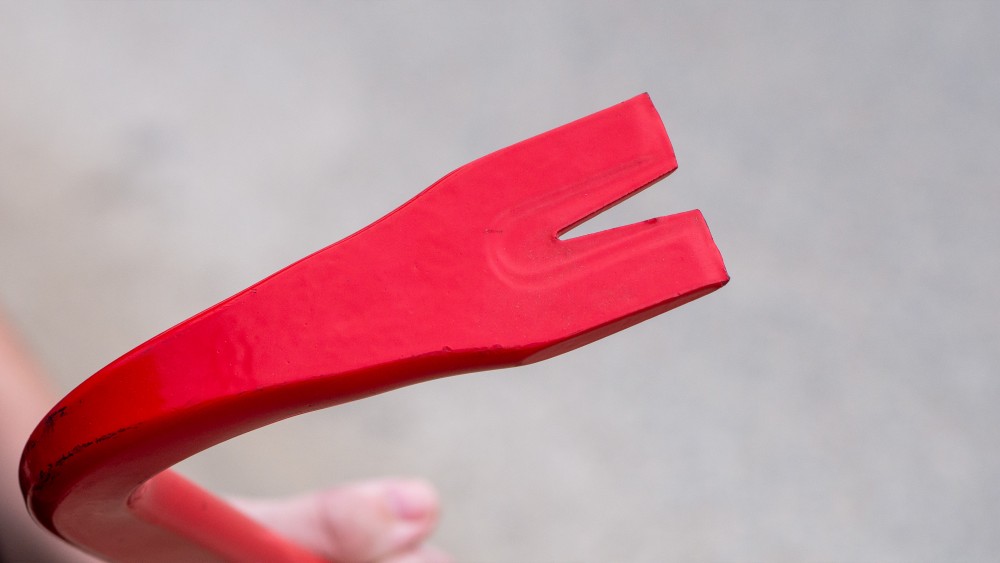
Using a crowbar to remove nails is a common application for pry bars, but doing it effectively requires proper technique. Start by sliding the forked end under the nail head. Once firmly seated, gently rock the bar back and forth to loosen the nail. If the nail is stubborn, tap the bar deeper under the nail with a hammer before prying. For long nails, avoid pulling them out in a single stroke; instead, use short, controlled motions to reduce strain and prevent the nail from breaking.
Demolition Tips
A crowbar is an essential tool for demolition projects, from knocking down walls to tearing up floors. Start by identifying weak points, such as seams or joints, and insert the bar to gain leverage in these areas. Use a heavy demolition bar for large-scale demolition, as its thicker and longer build provides the necessary force. For smaller-scale demolition, such as removing tiles or trim fixtures, a flat pry bar is more suitable. Work methodically to prevent accidental damage to surrounding structures.
Creative Uses for Pry Bars Beyond Demolition
Automotive Repair
Pry bars are useful in automotive work, especially for tasks that require force in tight spaces. They are used to align components, remove seals, or leverage stubborn bolts. Specialized pry bars designed for automotive purposes feature slimmer profiles for enhanced precision.
Gardening and Landscaping
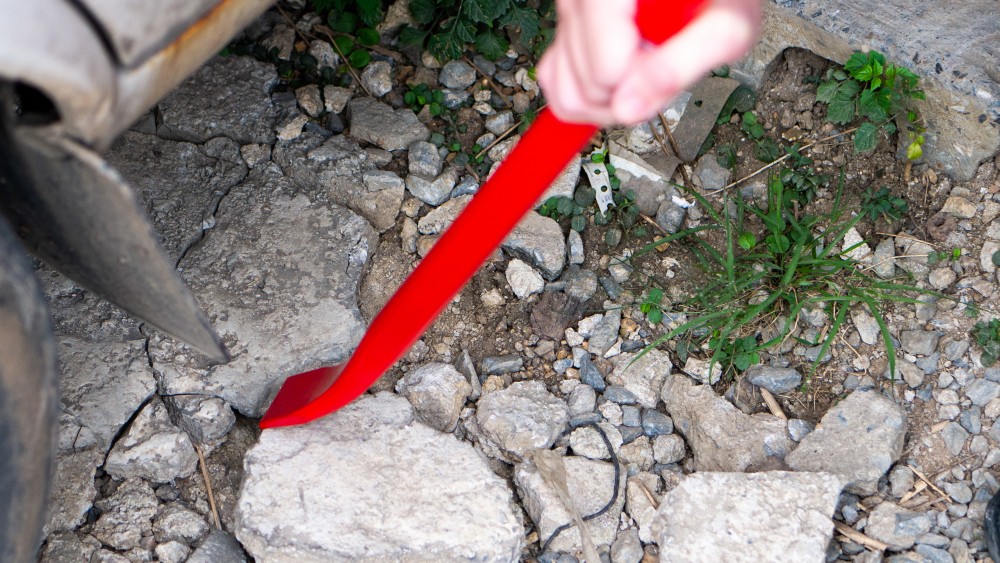
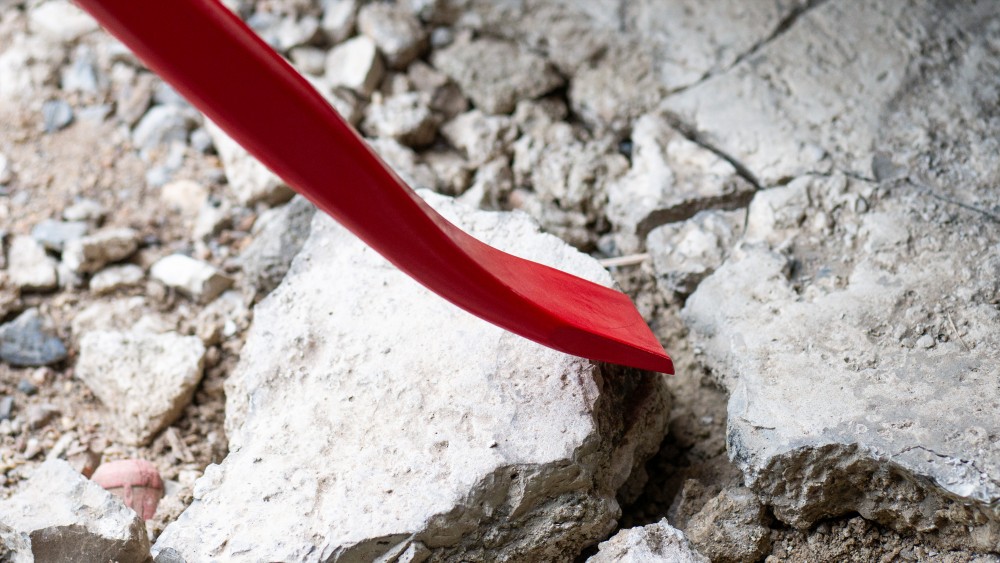
Who knew a pry bar could be a gardener's best friend? Pry bars are ideal for tasks like lifting stones, breaking up compacted soil, or digging out stubborn weeds. In landscaping, pry bars are used to adjust heavy rocks or dismantle old garden structures.
Adjusting Furniture and Appliances
Pry bars make moving or adjusting heavy furniture and appliances easier. For example, a pry bar can lift the corner of a cabinet to slide pads underneath or help remove panels during repairs. Its sturdy design allows the pry bar to support heavy loads without requiring immense effort.
Conclusion
A crowbar is a versatile tool suitable for construction, automotive repairs, and even gardening. Choosing the right one, practicing proper techniques, and maintaining it well will extend its lifespan and performance. Remember that safety comes first: wear protective gear, inspect your tools, and use them responsibly. With these tips and techniques, you will not only maximize your crowbar's potential but also ensure every job is completed with ease and precision.