


 EN
 ไทย



Customers Also Purchased


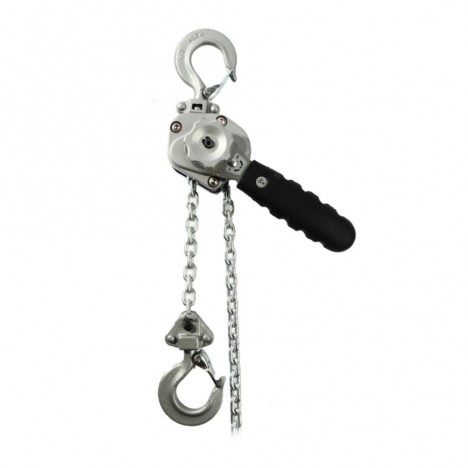
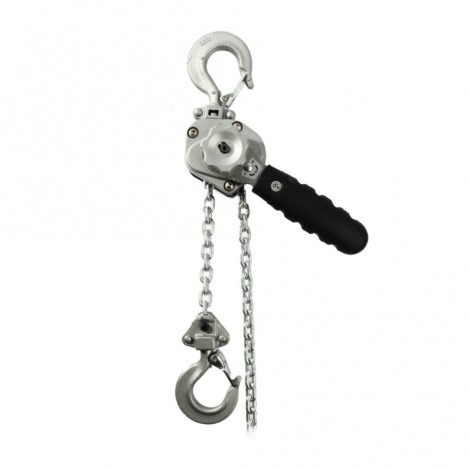

Mounting / InstallationLever Hoistproperly is critical to safety and lifting efficiency. Whether you are installing a new hoist or replacing an old one, following step-by-step instructions can help you carry out the process smoothly and safely. Whether you work in construction, maintenance, or even in a home workshop, a lever hoist is a tool that allows you to lift and lower heavy loads with ease. One of the fundamental aspects of using it effectively is knowing how to hang it safely. Here is an easy-to-follow 9-step guide on how to install a lever hoist—let's take a look.

Basics of Lever Hoists
Whether you work in construction, maintenance, warehouses, or even in a home workshop, Lever Hoistis a tool that helps you lift and lower heavy loads with ease. One fundamental aspect of using it effectively is knowing how to install it safely. Let's read on to see what the steps are.
1. Assess maximum load capacity
2. Select the right hoist size
3. Chains and hooks
4. Consider using load clamps
5. Hoist alignment and positioning
6. Load management
7. Pre-operation testing
8. Monitor operation
9. Hoist maintenance
10. Operational skills training

1. Assess maximum weight capacity
Before moving on to other steps, you need to assess the maximum load capacity you expect to work with. Hoists are engineered to handle a specific maximum weight capacity. Exceeding the specified capacity can risk damaging the equipment and compromise operator safety. Evaluate your tasks carefully and choose a lever hoist with a capacity best suited for the job.
2. Choose the right size
Following from the first point, choosing the right size lever hoist depends on the weight of the object you need to lift, the required lift height, and your expected daily lifting frequency. Using a hoist with too little capacity may compromise lifting safety, while using one with excessive capacity may not be cost-effective. Therefore, assess the weight of the objects to be lifted and the daily duty cycle, then select the appropriate size based on manufacturer specifications and expert recommendations.
3. Chain and hook
Chains and hooks are critical components that allow you to lift heavy loads safely and efficiently. When selecting chains and hooks, choose strong and durable materials such as steel or stainless steel that can withstand demanding operations like continuous pulling and lifting of heavy loads. You should also select the chain and hook size and profile appropriate for your application to ensure safety and efficiency. Additionally, remember to maintain the chains and hooks properly to extend their service life through proper cleaning and regular maintenance.
4. Consideration of using load clamps
Consider using load clamps with a lever hoist when you need to adjust load holding to suit different applications or loads. They also help protect against unexpected impact shocks. Using the appropriate clamp ensures the chain system operates more efficiently and safely. Always select clamps suited to your application for optimal safety and performance.
5. Hoist alignment
Proper alignment is key to even load distribution. If the lever hoist is misaligned, hazardous conditions can occur. Uneven load distribution causes premature equipment wear and can lead to sudden component failure. Therefore, always ensure that the hoist and the overhead supporting beam are properly aligned and symmetrical using the following steps:
- Check the installation area to ensure the supporting structure is sufficiently strong to bear the load, preventing accidents and damage to both the hoist and the operator.
- Check the hoist alignment using leveling tools such as a spirit level or laser level to achieve the most accurate positioning.
- Once leveled, adjust the hoist's positioning legs or leveling system according to the measured readings to ensure a correct and safe installation.
- After making adjustments, recheck and fine-tune the alignment to confirm that the installation is completely accurate and safe.
If the surface or structure is not suitable to support the lever hoist's weight, make necessary repairs or reinforce the support before installation to prevent future accidents and issues. Therefore, it is essential to perform every step properly and thoroughly.
6. Load connection and rigging
The next step after installation is load rigging and connection, which requires extreme care and attention. An unbalanced load can cause tilting during lifting, resulting in swinging items that are difficult to control. Therefore, always verify that the load is properly rigged and balanced with even weight distribution.
7. Test before use
As a general practice, you should start by testing the lever hoist with a light load for the initial test. This serves a twofold purpose: confirming that the hoist is installed correctly and providing an opportunity to ensure that the load can be raised and lowered smoothly without any binding. A comprehensive check of proper operation and equipment performance will help minimize future operational risks.
8. Follow-up (Follow up)
You should monitor the operation of the lever hoist both before and after use. This continuous inspection ensures that no abnormalities occur, serving as root-cause prevention. Keep an ear out for unusual noises, feel for abnormal vibrations, or watch for other irregularities while moving objects, and always be prepared to stop operation at the first sign of trouble.
9. Hoist maintenance (Maintenance)
MaintenancehoistsMaintenance is essential for keeping the equipment ready to perform well at all times. There are several key steps that must be performed regularly, such as inspecting and maintaining conditions consistently to ensure it operates at peak efficiency and safety, as well as replacing parts that show signs of wear or damage. Adhering to the scheduled maintenance plan will ensure a long service life for your lever hoist. Therefore, proper maintenance should always be prioritized.
10. Operational skills training (Skills training)
Skills training helps build expertise and confidence in operators, enabling them to work more efficiently and safely. In addition, it allows lever hoist users to gain a comprehensive overview of operations—including equipment differences—spot potential issues, know how to respond in emergencies, and clearly understand how to prevent accidents or problems that may arise under various circumstances.
Conclusion
UsingLever HoistEvery job requires proper assessment and planning, from installation through load lifting, to prevent accidents and ensure efficient operations. The importance of proper use lies in selecting the right equipment for the job, lifting and lowering heavy loads safely, testing and monitoring system performance to ensure safety and efficiency, and training staff to enhance their proper operation skills through the most rigorous adherence to procedures and careful evaluation.
FAQ - Frequently Asked Questions
1. How do you check the maximum capacity of a hoist?
Answer: Check the hoist's user manual or manufacturer's manual to find the specified maximum load capacity information.
2. What are the benefits of using a load clamp?
Answer: Using a load clamp helps adjust the load capacity of the chain hoist to suit different applications or loads, and helps prevent shock loads to ensure operational safety.
3. Why is hoist positioning important?
Answer: Proper positioning of the hoist is essential for distributing weight evenly to prevent hazards and equipment damage.
4. How should load handling be done for maximum safety?
Answer: Load handling requires thorough care and caution to prevent the hoist and the lifted object from tilting during the lift.
5. Why should a hoist be tested before use?
Answer: Testing the hoist before use confirms that the system operates properly and safely, helping to reduce operational risks.