


 EN
 ไทย



Customers Also Purchased
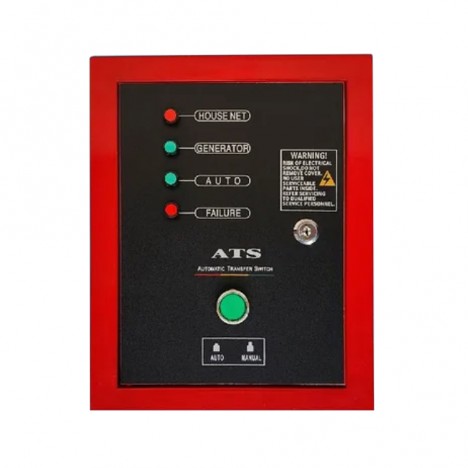
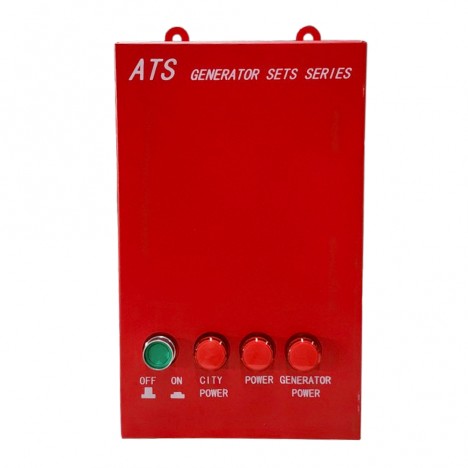
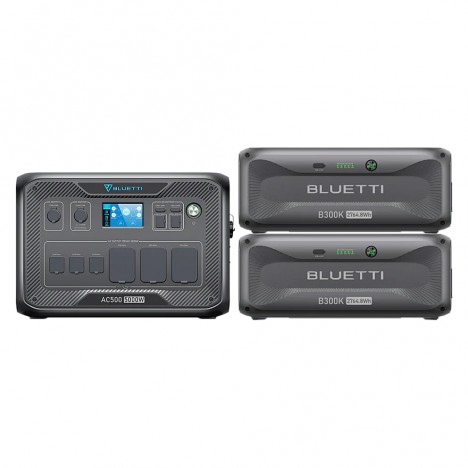
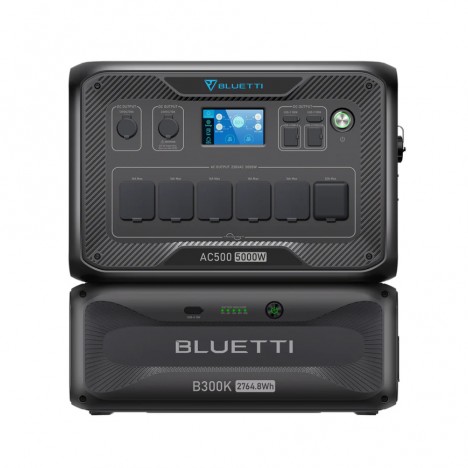

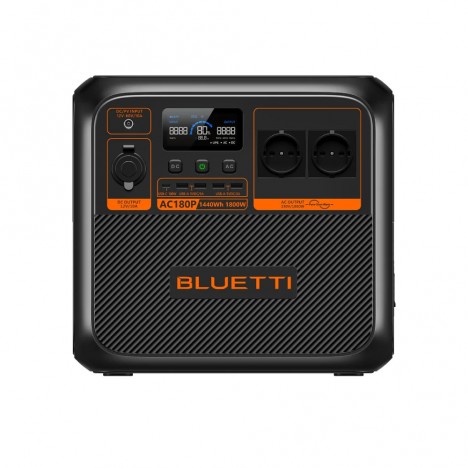
When a Power Outage Occurs Generators can help you. Having backup power during a blackout is essential, especially in remote areas. Today, there are many generators to choose from. But which one is right for your needs?
You certainly don't want to overpay for power you don't need, and you also want to avoid a generator that cannot supply the electricity you require. To help you choose with confidence: picking the right generator for home use can be tricky. It requires taking the time to learn about the various factors applicable to residential generators, including power output, durability, noise level, and reliability.
What size generator do you need?
First of all, adding backup power starts with deciding what you need to keep running during an outage. This will determine the size, or wattage, of the generator you need. Let's look at wattage: add up the wattage of everything you want to power with the generator — whether during a blackout or in locations with limited or no mains power. This might include light bulbs, refrigerators, laptop chargers, smartphone chargers, coffee makers, toasters, washing machines, etc. This calculation will give you a rough idea of the generator size you need.
Important note: some electrical appliances, such as air conditioners and refrigerators, consume significantly more power when starting up than while running. You must factor in starting wattage when making your calculations to get the most accurate estimate possible.

Safety Aspects
Before choosing a generator, it is crucial to understand the relevant safety considerations. Generator exhaust contains carbon monoxide which, if not properly ventilated, can accumulate and poison people.
This is strictly prohibited: never run a generator in an enclosed space, as it produces exhaust fumes just like a car or engine-powered tool, which is dangerous for everyone due to toxic carbon gases. Place the generator at least 8-10 meters away from your living space during operation.
Things to consider when choosing a home generator
There are many things to consider when buying a generator. Below, I will discuss the key considerations that can help you make a decision. Let's take a look.
Power Requirements
The most important consideration when choosing a generator is the amount of power you need, and you can answer this question by considering what you will use the generator for. When weighing your options for a generator, you must consider and tally up the appliances you use. For example, a refrigerator requires about 600 watts of power. A water pump requires about 1,300 to 2,150 watts to start up and about 800 to 1,000 watts to run. Factor in large electrical appliances you need to keep in mind, and evaluate what best suits your needs.
Examples of appliance power requirements
► Air conditioner: power requirement 500 - 2,000 W
► Clothes dryer: power requirement 1,800-6,000 W
► Microwave: power requirement 600-1,500 W
► Refrigerator: power requirement 300-800 W
► Heater: power requirement 700-1500 W
► TV: power requirement 50-300 W
Common Applications
It's not just that you need a generator to produce power, but also what you will use it for. Choosing a generator to power your home during an outage is vastly different from choosing a generator for camping. Keep in mind that a permanently installed generator at your home provides backup power during a blackout. On the other hand, a portable generator can be carried with you anywhere. For added portability, you might opt for an inverter generator, which is lighter and quieter, or a solar generator.
Fuel Source
There are generally three different ways to fuel your generator. The options available to you will depend on the type of generator you choose and the specific model. First, Gasoline generators are commonly used to fuel portable generators, but Diesel Generators are more suitable for stationary generators because they are relatively difficult to move. Nowadays, new portable generators might not require fuel at all. They often use batteries and solar power to store electricity for you to use later.
Generator Maintenance
Before we go, let me briefly share how to maintain a generator. Whichever generator you choose, it's essential to perform regular maintenance to ensure it runs well and safely whenever you need it.
First, it is important to check and change the engine oil. I recommend checking the engine oil before each use and changing it approximately every 100 hours. While checking the engine oil, take time to inspect the filters and spark plugs to ensure they are still in good condition.
You should run your generator occasionally; don't leave it sitting idle for too long without use. Running the generator helps burn off moisture and recharge the battery. When you do not plan to use it for more than a few weeks, run it dry so there is no fuel left in the lines. Finally, remember to store your generator properly; never store it outdoors.