


 EN
 ไทย



Customers Also Purchased
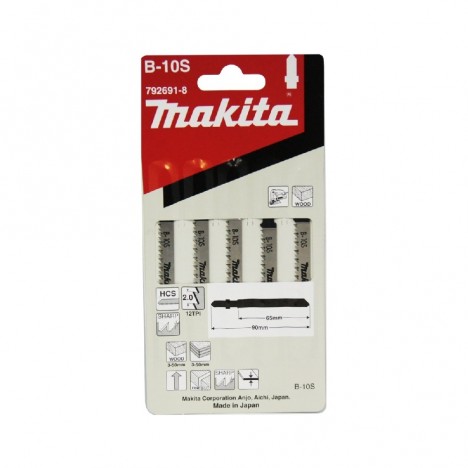
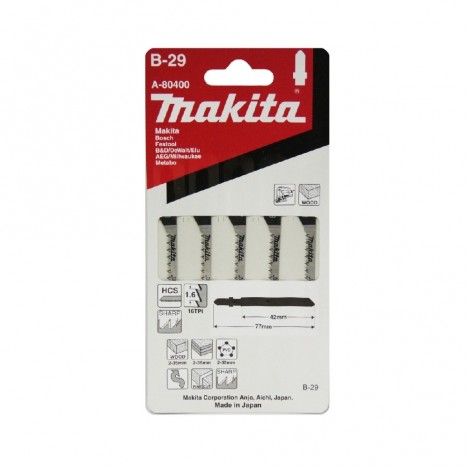
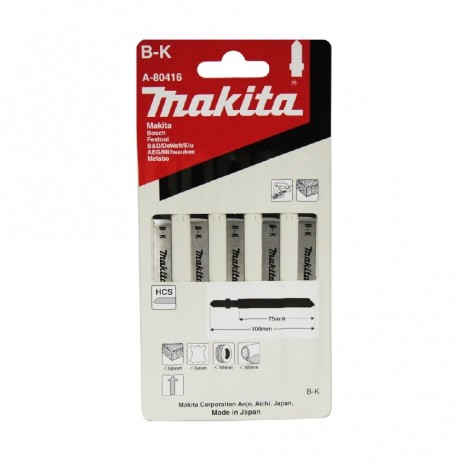
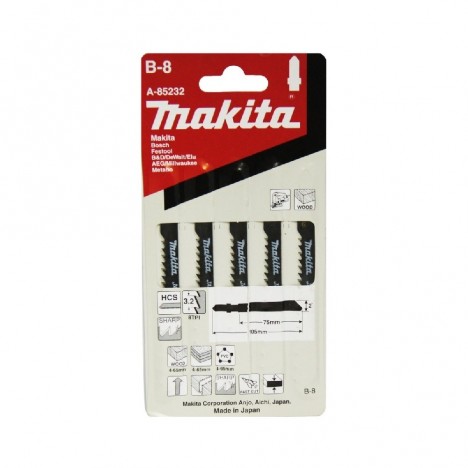
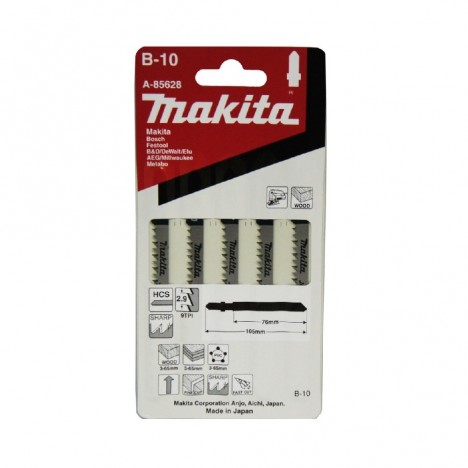
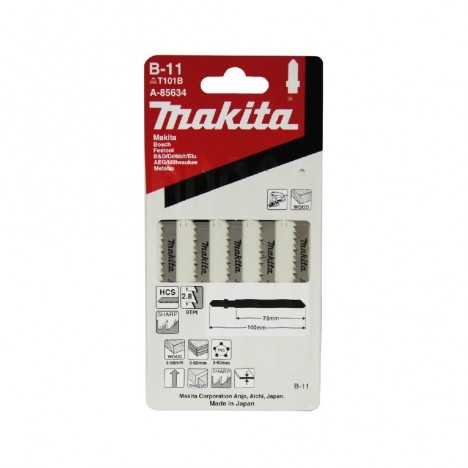
In choosing Reciprocating saw and Jigsaw Blades Using the wrong blade can damage your cut or cause the jigsaw blade to break. To achieve the perfect cut, there are several factors you need to consider: material, length, teeth per inch (TPI), and the shank type (T-shank or U-shank) of the jigsaw blade. When it's time to start a new project, it is essential that you have the right jigsaw blade for the job. Manufacturers often advertise jigsaw blades based on the intended material, whether it's wood, metal, ceramics, tiles, etc.

What is a Jigsaw?
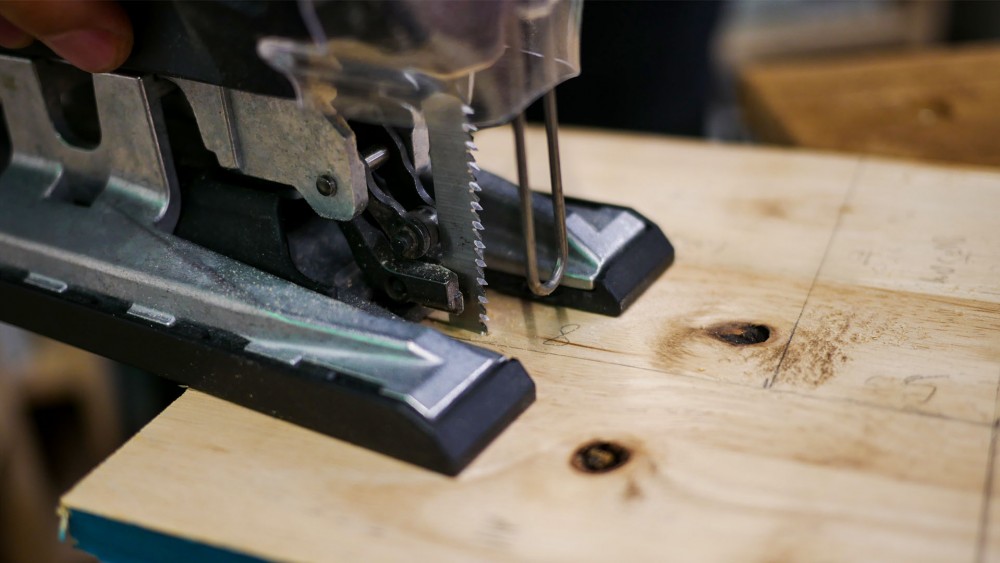
A jigsaw is a versatile power tool that belongs in the arsenal of every professional tradesperson or DIYer. It features a jigsaw blade that moves up and down, often with variable speed settings, and can rest securely against the material being cut via its base plate. The primary appeal of a jigsaw is its ability to cut curves and intricate shapes into workpieces. This is aided by its stability and ease of use, making it an excellent choice for both hobbyists and professionals.
Why is Choosing the Right Jigsaw Blade Important?
A jigsaw is extremely versatile, largely thanks to the ability to swap jigsaw blades for different applications. Different jigsaw blades deliver different results. For example, a higher TPI provides a cleaner cut at the expense of cutting speed. Similarly, the material of the jigsaw blade is crucial; some materials, like metal, require harder jigsaw blades to cut through. There are numerous jigsaw blades available to choose from, such as metal blades, high-carbon steel, high-speed steel, tungsten carbide, bi-metal blades, and more. With the right jigsaw blade, you can achieve a wide variety of results across various materials, including wood, plastic, and even metal.
Key Considerations When Choosing a Jigsaw Blade
T-shank jigsaw or U-shank jigsaw?
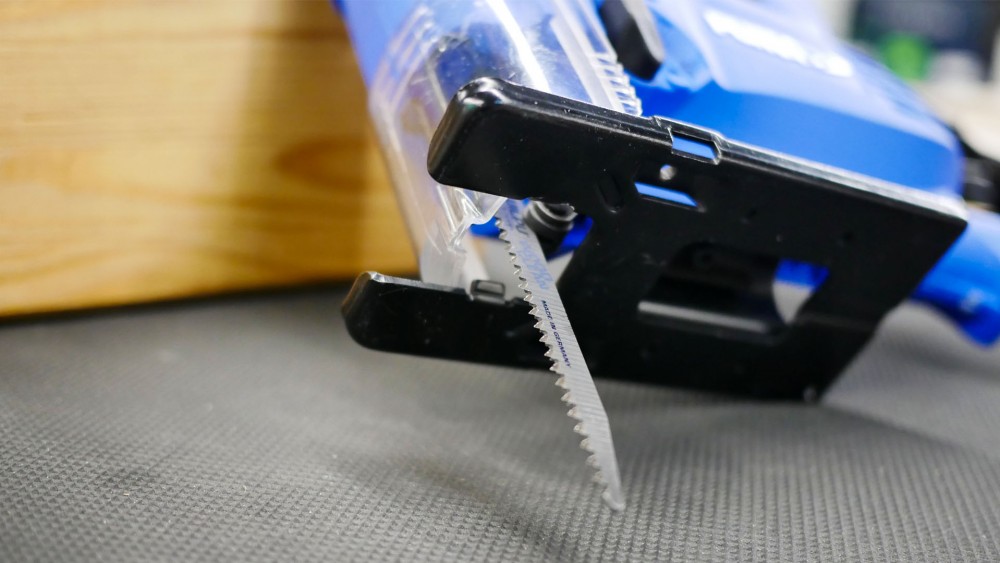
Before you choose a jigsaw blade, you must consider whether it is compatible with your jigsaw. Although many newer jigsaw models support both U-shanks and T-shanks, older tools may only accept U-shank blades.

► U-shank jigsaws are less popular in newer models because they require a screw to hold the blade in place, which is time-consuming and often requires tools to do so. For this reason, most modern jigsaws use T-shanks instead.
► T-shank jigsaws do not require screws or tools to attach. Instead, they are held by a clamp, which makes changing blades quick and easy. If your jigsaw is newer, it likely uses T-shank blades.
What will you use the jigsaw blade to cut?
Generally, harder materials like metal require a jigsaw blade that is both harder and has a higher TPI, while softer materials cut better with a more flexible jigsaw blade. You need to consider not only the material, but also the type of cut. If you are just doing rough work, a lower TPI cuts faster and rougher. If you want a clean finish or tight curves, opt for a higher TPI and a more flexible blade. Finally, ensure the jigsaw blade is long enough to avoid binding. Aim for a jigsaw blade about 2.5 cm longer than the thickness of the material being cut.
Another one of the most important considerations when choosing a jigsaw blade is the material.
► High-carbon steel (HCS) jigsaw blades are considered the most popular and affordable option. Made of high-flexibility metal, high-carbon steel is ideal for softer materials such as softwood. Their flexibility makes them less likely to break and suitable for high-precision work. Do not try to use them on hard materials, as they will dull very quickly.
► High-speed steel (HSS) jigsaw blades are harder than HCS blades, allowing them to cut harder materials such as copper or aluminum. Because high-speed steel is harder, it dulls more slowly. However, because it is more brittle, it tends to break more easily.
► Bi-metal (BIM) jigsaw blades combine the best qualities of HSS and HCS blades. Not only are they hard—allowing them to cut hard materials and reducing how quickly they dull—but they are also flexible, reducing the risk of breakage. With their longer lifespan, expect to pay more for them.
What kind of cut do you need?
A jigsaw is a versatile tool capable of making many types of cuts when fitted with the right jigsaw blade. If you only need straight cuts where a neat finish isn't required, you can use a lower TPI to get the job done faster. However, the real appeal of a jigsaw blade is its ease in cutting curves. The tighter the required curve, the higher the TPI needed.
If you want gradual curves, choose a TPI of 9-12. If you need really fine details, such as in woodworking projects, you should look at a TPI of 20+ to achieve very tight angles and smooth cuts.

Finally, consider the blade's teeth. Milled teeth are set at alternating angles, allowing for fast cutting without friction, though cut quality is reduced. Ground teeth are straight-aligned, providing a smoother cut but higher friction, which can burn the material you are cutting if you are not careful.
The TPI of a jigsaw blade determines its cutting speed and cleanliness. If you want cleaner cuts with less tear-out, choose a blade with a higher TPI. Higher TPI is ideal for precision cuts, such as those required in woodworking. However, it cuts slower than a lower TPI jigsaw blade. A lower TPI jigsaw blade is suitable for rough work where clean edges are not needed, as it cuts much faster.

The best jigsaw blades for cutting different materials
► Wood: Since wood is softer, it does not require a high TPI, especially if you are doing rough work. Look for a TPI between 6-20 to cut this material. Because it is softer, you can easily cut wood with a flexible blade like an HCS jigsaw blade.
Flexible jigsaw blades like these are especially useful if you need to do precision woodworking. Make sure the TPI is higher for greater precision. They are also less prone to snapping and come at a lower price, making them ideal for cutting wood.
► Metal: Much harder than wood, so it requires both a higher TPI and a harder jigsaw blade material. In terms of TPI, look for a finer jigsaw blade in the 20-35 range. Additionally, you want to ensure the blade material is hard enough, so look for HSS, BIM, or tungsten carbide jigsaw blades.
Different metals require different jigsaw blades, so ensure you use the right jigsaw blade for the job. Also make sure the metal you are cutting is thin enough for the jigsaw blade you are using.

How to Change a Jigsaw Blade
At first, changing a jigsaw blade may seem a little intimidating, but it is quite simple by following these easy steps. First, unplug the jigsaw or remove the battery to disconnect power. The teeth of the jigsaw blade should face towards you. At the very top of the jigsaw blade, you will find the attachment point that connects the blade to the jigsaw body. Generally, there are two types of connections: quick-release (T-shank) and screw-type (U-shank).
Tips for Use
Always learn from mistakes. Testing to determine the right jigsaw blade choice and the proper settings (orbital action and speed) guarantees success. Today's tools and accessories are efficient, but if used incorrectly, they will not work effectively.
For example, when cutting metal, use a lower speed to avoid damaging the blade, and apply cutting oil. Also, do not use an oversized blade, as it can cause hazards while cutting. Remember to replace jigsaw blades when they are worn out. Improper handling or misuse will result in injuries.
Explore Reciprocating saw and Jigsaw Blades More