


 EN
 ไทย


Customers Also Purchased
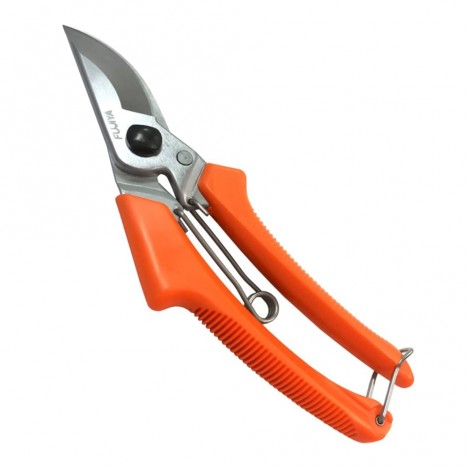

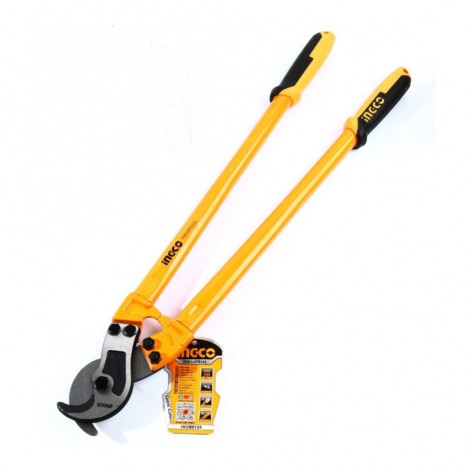
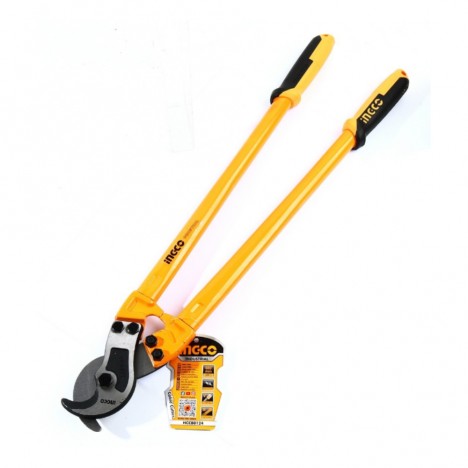


What are cutting pliers?
First, let's look at the general characteristics of cutting pliers. Cutting Pliers They are hand tools used to cut various materials, whether sheet metal, steel wire, wire rope, cables, or electrical wires. The cast material of the pliers has different hardness ratings (HRC, HB, HV, HS) and features rubber- or plastic-coated handles. The cutting edge is much smaller and shorter than the handles, so the size of items that can be cut is limited. Therefore, the first principle in choosing cutting pliers is to select the size that best matches the size and material you intend to cut.
The reason why the handles of cutting pliers are long and large has a specific purpose. Besides strength, it increases the leverage delivered to the jaws so that it provides enough cutting force to cut through hard materials like steel wire or wire rope. Therefore, you will notice that the handles of bolt cutters or wire rope cutters are notably large and heavy.
Precautions when using cutting pliers
Before looking at the different types of cutting pliers, let's establish a proper understanding of how to use them safely. These are critical precautions that should never be overlooked for the sake of cutting corners or convenience. Safety should always come first, because when injuries occur, nothing can compensate for them.
⧫ Do not use cutting pliers as an all-purpose tool if you do not want to buy replacements frequently. Overusing them beyond their intended function—even if physically possible—will degrade the material prematurely and greatly increase the risk of damage.
⧫ Use cutting pliers that fit comfortably and properly in your hand. An improper tool size not only makes work difficult, but it can also cause strain or injury to the tendons and muscles in your hands and fingers.
⧫ Avoid exposing the pliers to excessive heat. High temperatures can alter the properties of the material or coatings on the tool, making it more brittle and prone to chipping or cracking compared to properly maintained pliers.
⧫ Never use pliers to tighten bolts or hammer nails. Fasteners are designed to secure assemblies firmly; using pliers can result in inadequate tightening, which poses severe safety hazards in load-bearing structures.
⧫ Always use VDE-insulated pliers when working near live electrical wires or components to protect against electric shock and other hazards.
⧫ Always wear safety glasses during use to prevent cut-off debris from flying into your eyes. This is especially dangerous when cutting wire ends or nails, which can cause blindness if they strike the eye.

Applications of various types of cutting pliers
1. Side Cutters, Diagonal Cutters, and Combination Pliers
Ideal for cutting cables or small wires on circuit boards because they produce clean, neat cuts. They should not be used on materials harder than the jaws themselves, such as nails or screws, as these can damage or chip the cutting edges.
Applications: Used for gripping, holding, bending, cutting, and stripping wires. Can be used on cables and lead objects (lead has a hardness of around 3–20 HB).

2. Flush Cutters or Flat Cutters
The name might sound unfamiliar, but they are cutting pliers used similarly to side cutters, except they have a thinner profile and a notch or recess at the base of the jaws. This makes pulling rivets or stripping wires easier. Because of their slim, pointed jaws, they access tight spaces better than side cutters; however, cut pieces may fly off since they lack the gripping area found on standard side cutters.
Applications: Used for cutting wires, rivet heads, or pins, as well as pulling rivets and nails.

3. Cable Cutters
True to their name, these cutting pliers are designed for electrical wires and cables. Their handles are generally insulated to prevent electric shock. However, rubber or plastic coatings should not be assumed to provide full electrical insulation; some are only meant for anti-slip grip and ergonomic comfort. When working where current leakage is a concern, it is better to choose German-standard VDE cable cutters certified for electrical protection. Although pricier, they are significantly safer.
On certain cable cutter models, the blades feature curved recesses that cradle the round contour of cables, preventing slippage and ensuring cleaner, more precise cuts than flat-edged pliers. There are also ratcheting cable cutters that provide guillotine-style shearing action for larger-diameter cables.
Applications: Used in electrical and industrial maintenance, such as servicing wiring inside machinery control panels.

4. End Wire/Nail Cutters or Pincer Pliers (End Cutters)
Also known as flat-head cutters, these are pliers whose cutting edges are set perpendicular to the handles, unlike other types of cutting pliers. This allows you to cut flush against the surface of an object without getting your hands in the way. Because the pliers are positioned perpendicular to the surface, they can access tight spaces without any trouble.
Applications: Used for cutting items made of softer materials/lead-like metals, such as nails, springs, bolts, rivets, wires, and pneumatic staples, without requiring pre-drilling and without hand obstruction; can also be used to pull out nails or staples.

5. Diagonal Cutters / Wire Cutters
These are highly durable wire-cutting pliers, ideal for wiring circuits and building circuit boards because they can cut wires, small bolts, nails, wire, and copper. This eliminates the hassle of having to reach for multiple tools when connecting circuit terminals. Plus, they can strip wires or pull out nails. Do not use them to cut excessively large nails, as the pliers are not very large; cutting materials that are too hard and thick may damage the pliers.
Applications: Used for cutting wires, stripping wires, cutting wire strands, cutting small bolts, and pulling nails.

6. Wire Rope Cutters
The jaws are sharper and stronger than all the cutting pliers mentioned above because wire rope is made of multiple wire strands tightly wound together like rope, requiring greater force to cut. The size of the pliers corresponds to the wire diameter. A proper cut must not unravel the wire strands or send small fragments flying everywhere.
Applications: Used to cut wire rope or steel with a hardness and thickness compatible with the jaw capacity, such as chains, animal cages, padlock shackles, etc. Make sure to check the hardness rating of the pliers to see their maximum cutting capacity.

7. Hydraulic Cutters
As the name implies, hydraulic cutters can be used on various electrical conductors, wire ropes, or even thick steel. Utilizing a guillotine-style cutting action makes cutting effortless, leaving clean, precise cuts without the cable slipping. Various models are available, such as manual head, battery-powered, or remote control, allowing you to choose according to the functions most convenient for you.
Applications: Cutting large wires, electrical cables, steel rods, or cables that cannot be cut using manual cutting pliers.

Read more about cutting pliers ->> 
-->>> What Are the 7 Most Popular Types of Cutting Pliers?
-->>> Cutting Pliers, Wire Cutters, Cable Cutters: Multipurpose Tools Every Craftsman Should Have