EN
 ไทย



Customers Also Purchased
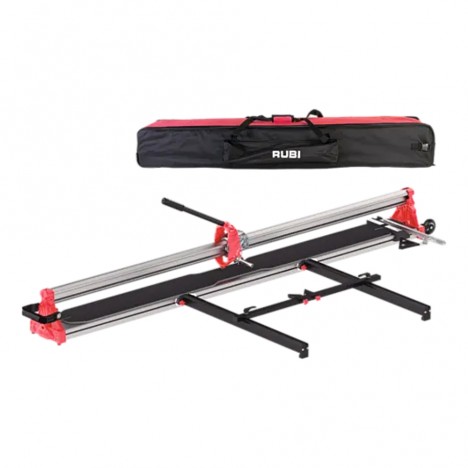
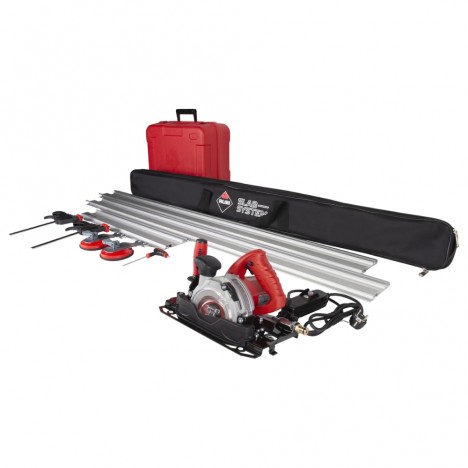
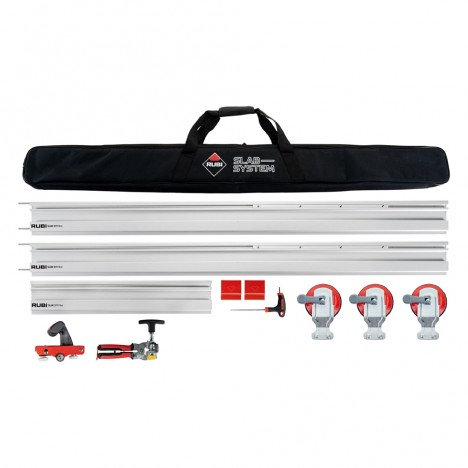
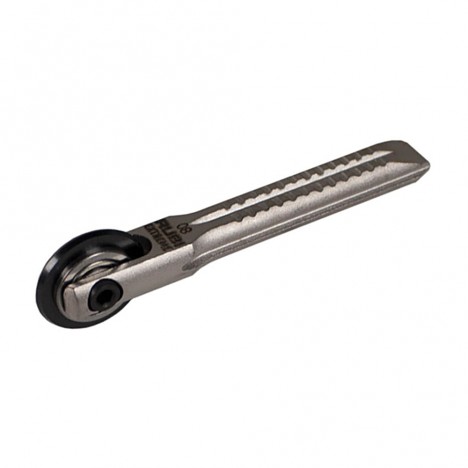
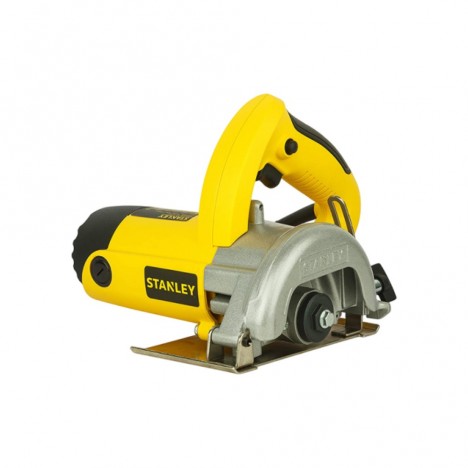
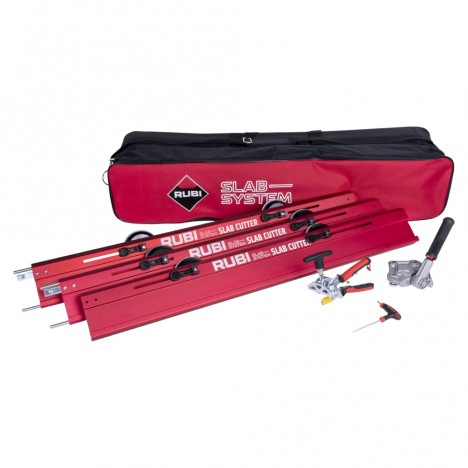
Renovating the floor or wall tiles in your home can give it a fresh new look, but making your space look exactly as you envisioned takes time and the right tools. It is best to be as prepared as possible to prevent your project from looking like a pure DIY job instead of professional work. Naturally, you will need a plan from start to finish, starting with purchasing the right tile cutter. This tile cutter buying guide can help you understand your options and find the professional tiling tools suitable for your job.
Choose the Right Type of Tile Cutter
The first thing you need to consider when starting a tiling job is the type of tile cutter you should use. There are two options to choose from: manual and electric. Let's take a look at the differences between these two types.
Manual Tile Cutter - A manual tile cutter may be the best tool if you are working on a small tiling job. These tools are often more affordable than power tools, which are necessary for larger jobs. Smaller jobs focus more on precise cuts, and manual cutters achieve this well. Smaller jobs may also use more delicate tiles, requiring the gentler touch of a manual tool. Manual tile cutters are typically made of steel and tungsten carbide scoring wheels. Manual tile cutters are ideal for home DIY projects, but may not be suitable for large-scale jobs with large and heavy tiles.
Electric Tile Cutter - For larger jobs, an electric tile cutter may be the more suitable tool. Electric tile cutters have much more power and can cut thick, heavy tiles made of tough materials like stone and granite. Electric tile cutters can grind through tiles with ease and can cut various shapes beyond simple straight or diagonal lines, just like manual tile cutters. Electric tile cutters are ideal for large jobs and are frequently used for commercial work.

Determine the Size and Thickness of Your Tile Cutter
Another aspect to consider when choosing a tile cutter is size. The size of a tile cutter is determined in two ways. First, it must be strong enough to get the job done. If you are tiling an area with heavy-duty tiles, your tile cutter needs to cut fast enough and have sufficient breaking power to produce easy, smooth cuts. Second, the tile cutter itself must be the right length, depending on the size of the tiles you are using from one end to the other. You can use a large tile cutter for small tiles, but not the other way around. The tile must fit into the tile cutter to be cut. The size or length of the tile cutter tells you the maximum tile size it can accommodate, and this should be labeled on the packaging.
Choose a Tile Cutter Based on the Material to Be Cut
The tougher the material you need to cut, the stronger your tile cutter needs to be. Cutting ceramic or porcelain tiles does not require as much durability and strength, but granite and stone are very hard materials and will require a power saw. Hard tiles can also be cut with an angle grinder or a wet saw, but the quality of the cut will depend on the type of diamond blade used. Working with 12-inch ceramic tiles will require a smaller tile cutter that can be quite affordable. But as you move to larger, thicker porcelain tiles, you will need a larger tile cutter, whose price usually increases with added length and strength.
Tile hardness and durability are rated on the Porcelain Enamel Institute (PEI) scale. The scale ranges from zero to five, with zero being tiles that cannot withstand any foot traffic (wall tiles) up to five with tiles that can withstand extra heavy traffic (stores, entrance halls, hotel floors, etc.). Tiles come in all types of materials, including:
- Ceramic
- Porcelain
- Terracotta
- Marble
- Granite
- Mosaic
- Glass
A tile cutter is a fast and convenient way to cut ceramic or porcelain tiles, for example. Choose a Tile Cutter to suit your application