


 EN
 ไทย


Customers Also Purchased
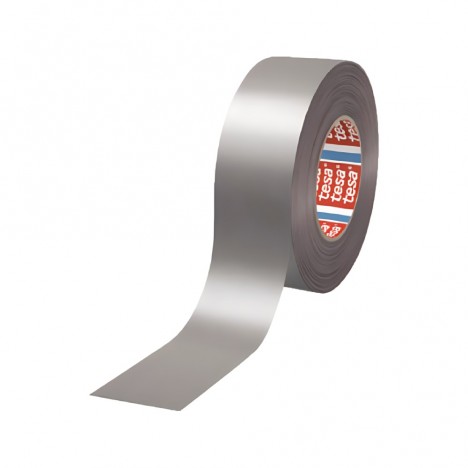
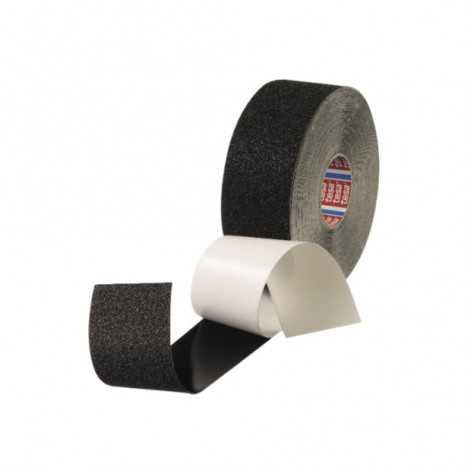
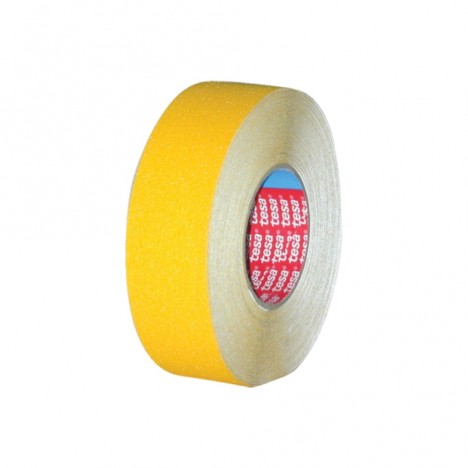
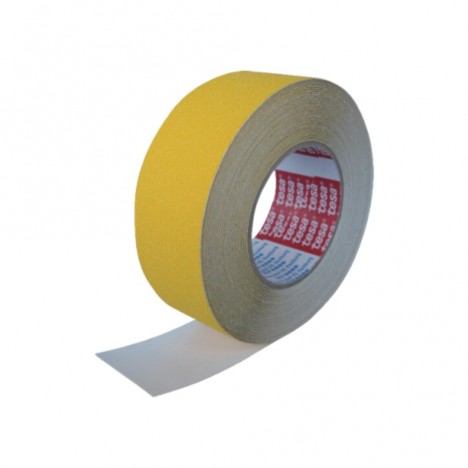
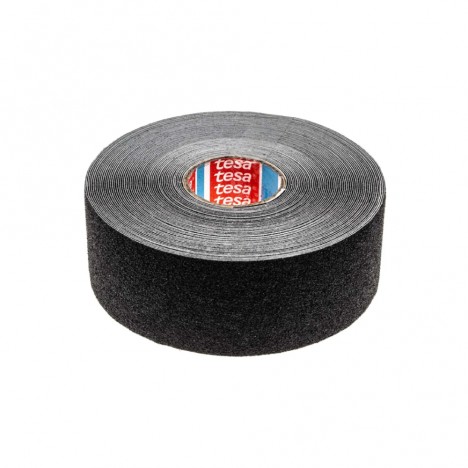
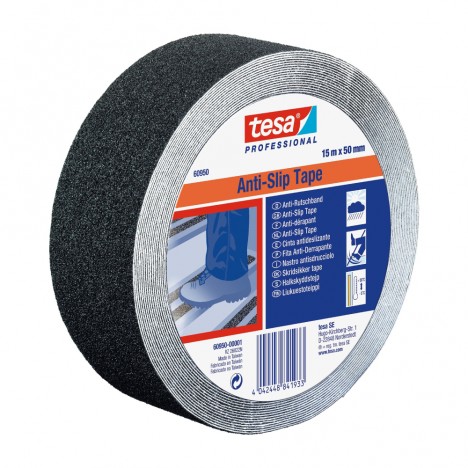
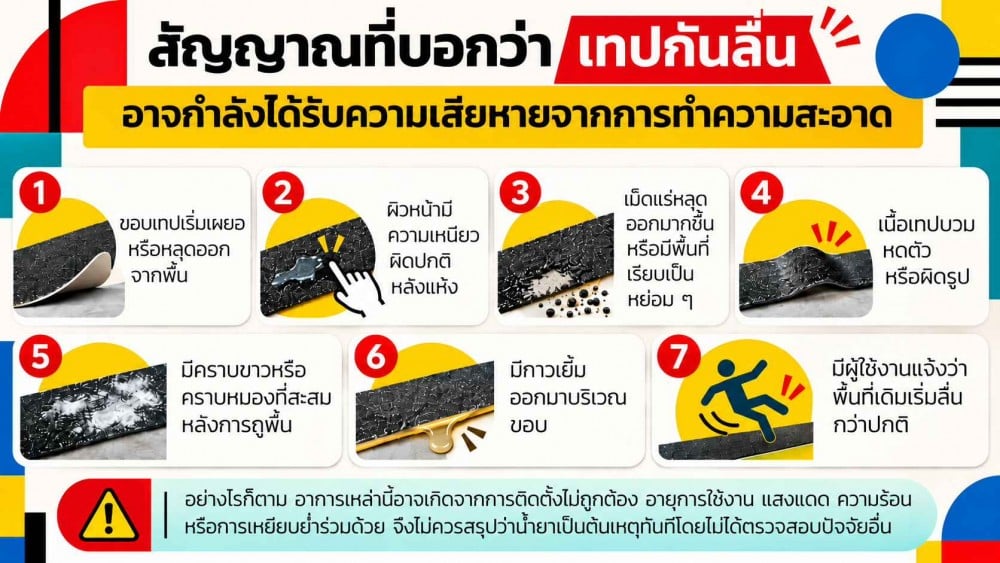
Every morning before opening, staff routinely sweep the floor and mop the stairs with floor cleaner. Everything looks clean and tidy—until a few months later, the anti-slip tape that once adhered firmly starts peeling at the edges, the surface looks dull, and sticky residue appears in some spots. Even with more frequent cleaning, the condition of the anti-slip tape keeps getting worse.
This problem may not stem from the quality of the Anti-Slip Tapes tape alone, but could be related to the cleaning chemical used regularly, mopping techniques, chemical concentration, and dwell time on the material. Can the daily floor cleaner we use really cause anti-slip tape to degrade faster? And how can you keep floors clean without compromising on safety?
How Does Floor Cleaner Affect Anti-Slip Tape?
Floor cleaners can indeed accelerate the deterioration of anti-slip tape if the chemical formulation is incompatible with the tape's materials, overly concentrated, or left in contact for extended periods. However, this does not mean all floor cleaners cause damage. To better understand this issue, let's look at the structure of mineral-coated anti-slip tape, which typically consists of key components including:
- Surface layer: Responsible for creating friction between feet or shoes and the floor.
- Mineral-bonding resin layer: Responsible for bonding the abrasive materials to the tape backing.
- Backing material layer: Such as PVC or synthetic film.
- Adhesive layer: Responsible for securing the tape to the installation surface.
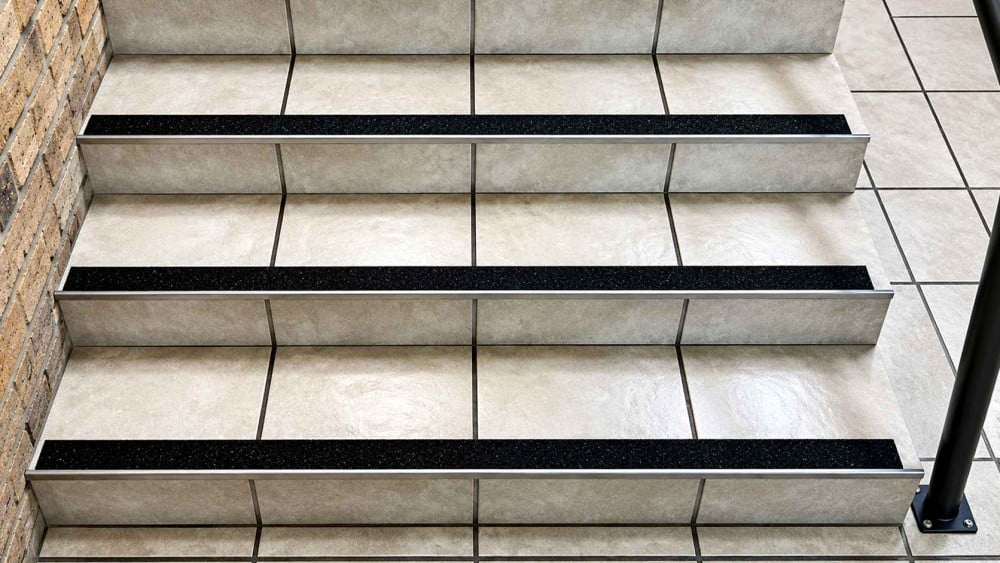
5 Reasons Why Mopping the Floor Might Accelerate Anti-Slip Tape Deterioration
Using cleaners with improper acidity or alkalinity
Heavy-duty stain removers, bathroom cleaners, and certain industrial degreasers have relatively high acidic or alkaline levels to boost their dirt-cleaning power. However, high stain removal capability does not mean the chemical is safe for all types of materials. Certain chemicals can affect the mineral-bonding resin, the film layer, or the adhesive layer of the tape. If it is necessary to use this type of cleaner, always check the chemical resistance data of the specific tape model installed beforehand.
Mixing overly concentrated cleaning solutions
Many believe that using more cleaning chemical makes the floor cleaner, but in reality, exceeding the recommended concentration can leave chemical residues and cause unnecessary chemical exposure. Especially on textured anti-slip tapes, the cleaning solution can easily get trapped in the crevices between the mineral grains compared to smooth tile floors. When cleaned repeatedly every day, these residues can accumulate, making the surface sticky and attracting more dust. Diluting the cleaner strictly according to the product label is therefore crucial—both for cleaning efficiency and for extending the lifespan of the tape.
Cleaning solution and moisture seeping through the edges of the anti-slip tape
The edges and corners of anti-slip tape require special attention. If there are pre-existing gaps or peeling edges, the mopping liquid can seep beneath the tape. When combined with accumulated moisture and repetitive foot traffic, the bonding strength of certain adhesives can degrade. An edge that was only slightly lifting can gradually peel off over a larger area. This problem is commonly found in areas requiring frequent cleaning, such as in front of restrooms, on building staircases, at shop entrances, and along factory walkways.
Gloss-enhancing floor cleaners leaving a film on the tape surface
Some floor cleaning formulations are designed to make floors look shiny, leave a pleasant scent, or add a protective coating film after cleaning. While these properties may be beneficial for certain flooring types, they are not necessarily suitable for anti-slip tape. If coating residues remain on the surface, they can alter the contact feel between shoes and the tape and cause dirt to accumulate more easily. In this case, while the tape may not be physically damaged, its anti-slip effectiveness is temporarily reduced by the coated residue on its surface.
Using overly aggressive brushes or floor scrubbers
Damage is not caused by chemicals alone; the cleaning method also plays a role. Using wire brushes, coarse abrasive pads, or mechanical floor scrubbers in combination with incompatible cleaning agents can accelerate mineral grit shedding from the tape surface or cause gouges and damage to rubber and synthetic film tapes.
Do all anti-slip tape models have the same chemical resistance to cleaning agents?
The answer is no, even for products from the same manufacturer. Data from 3M Safety-Walk as of December 2025 indicates that chemical resistance varies by model. For example, when exposed to a 1% detergent solution in water, models 610 and 370 are rated as suitable by the manufacturer, whereas model 613 is not recommended under such conditions.
This data reflects that choosing a cleaner based on the tape's brand name alone might not be enough; checking down to the specific product model level is essential. Furthermore, chemical resistance does not mean the tape can be continuously submerged in the solution, nor does it guarantee adequate friction while the chemical remains coated on the surface.
How to Clean Anti-Slip Tape Correctly
- Step 1: Remove dust and debris first by using a vacuum cleaner or a suitable brush to sweep away sand, dust, and dirt from the surface to prevent spreading debris while mopping.
- Step 2: Prepare the solution according to the specified ratio. Check the cleaner's label and anti-slip tape documentation before use. Do not increase the concentration just to remove stains faster. If unsure whether the cleaner is compatible with the material, contact the manufacturer or test on a small, non-critical area first.
- Step 3: Select a brush suitable for the tape's surface. For mineral-coated tapes, a nylon brush of appropriate stiffness can be used as recommended by the manufacturer. For rubber or fine-textured tapes, use equipment that will not damage the surface pattern. Avoid scrubbing excessively hard around the edges of the tape.
- Step 4: Remove cleaning residue and stains. After cleaning, wipe off cleaner residues with a clean, damp cloth or according to the manufacturer's instructions, without leaving standing water or allowing liquid to seep into tape edges. For large areas, an appropriate wet vacuum may be used to remove excess moisture.
- Step 5: Allow to dry and inspect condition. Cordon off the area or place warning signs until the floor is completely dry. Verify that the tape edges remain firmly adhered, with no mineral grit peeling and no abnormal residue, before reopening the area for use.
How to Choose Anti-Slip Tape for Areas Requiring Daily Mopping?
For areas that require regular cleaning, priority should be given to the compatibility of the tape with cleaning chemicals and cleaning methods, along with its durability against foot traffic. 3M Safety-Walk anti-slip tape is an example of a product that provides chemical resistance data and maintenance guidelines by model, helping facility managers or technicians plan more appropriate cleaning routines. Meanwhile, TESA model 60943-BK is another option for industrial applications requiring mineral-coated tape with an acrylic adhesive; its compatibility with the actual cleaning chemicals used should be verified prior to installation.
Both brands offer products available at iToolmart, where data for each model can be compared based on area characteristics and cleaning patterns. Sometimes, adjusting maintenance practices can help reduce premature tape replacement. Chemical resistance is just one criterion. If you are about to purchase new anti-slip tape, consider other factors as well, including floor surface type, installation location, and area usage. Read more at What to Consider When Choosing Anti-Slip Tape Beyond Color and Grit more than simply choosing a more expensive tape.
Conclusion
Floor cleaners can cause Anti-Slip Tapes to deteriorate faster than normal if used improperly with the material, used at excessive concentrations, leaving residues, or allowing moisture to build up underneath the tape. Choosing the right cleaner, following manufacturer cleaning recommendations, and inspecting tape condition regularly are simple ways to maintain effectiveness and reduce long-term maintenance costs. Is the floor cleaner you use today helping maintain your anti-slip tape, or is it unknowingly shortening its lifespan?