


 EN
 ไทย


Customers Also Purchased
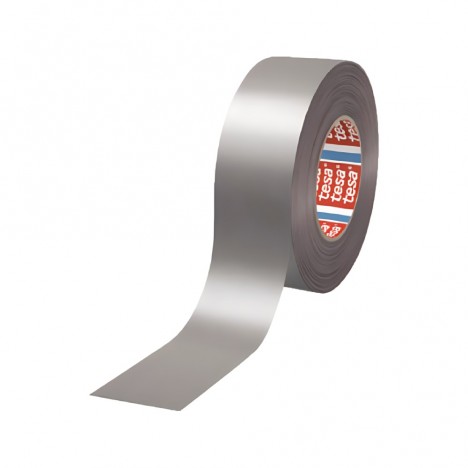
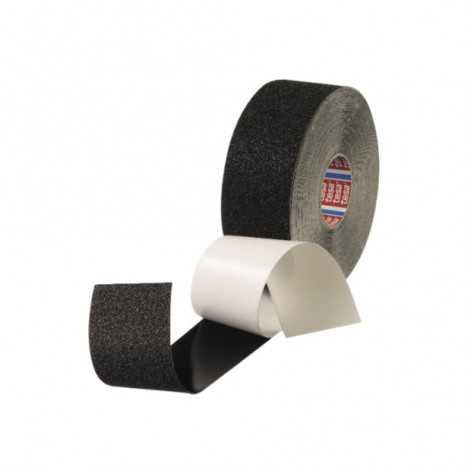
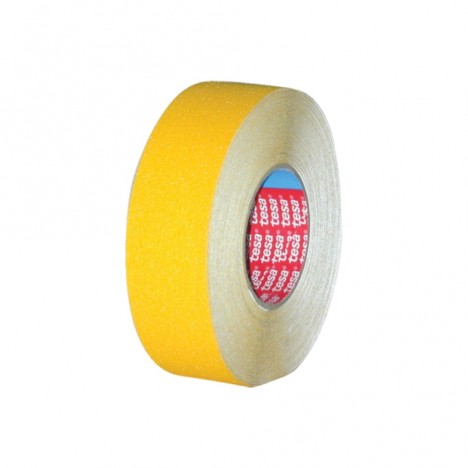
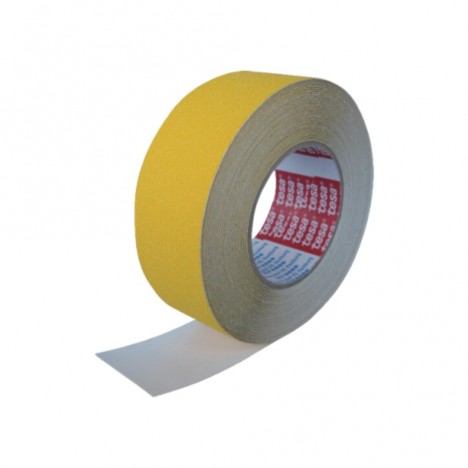
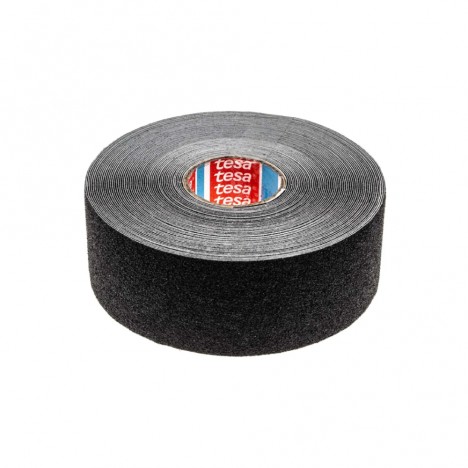
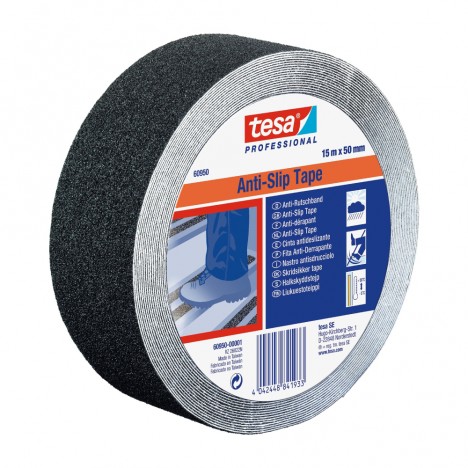
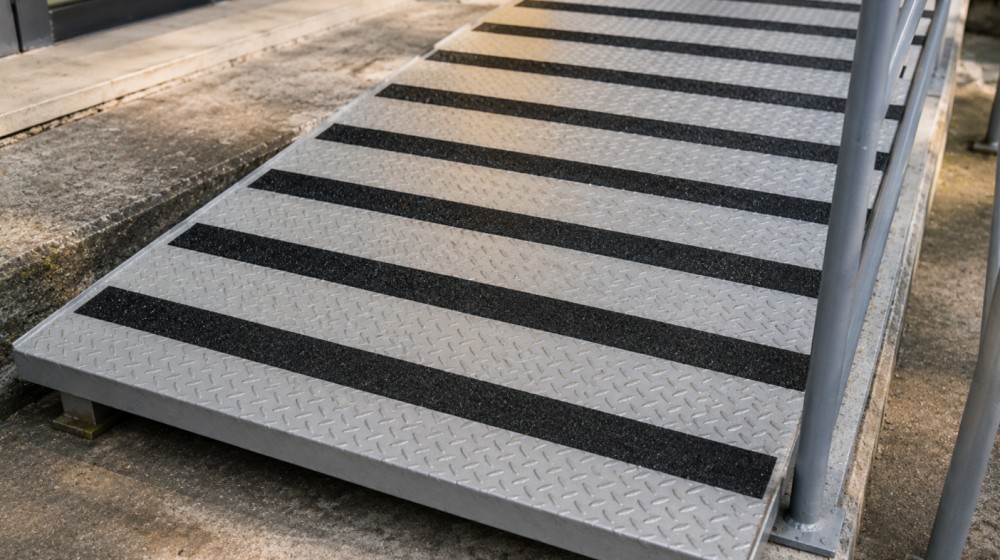
When choosing aAnti-Slip Tapes Many people often start with the most obvious features, such as the tape's color and surface grit—for instance, black for general use, high-contrast colors to highlight hazardous spots, or a coarse abrasive surface that feels like it would grip shoes better. In reality, a tape that looks coarser or thicker isn't necessarily suitable for every area. The performance of anti-slip tape depends on both the top surface that provides traction and the adhesive backing that must stay firmly bonded to the floor throughout its service life.
Before choosing, you should consider the full picture: what substrate will it be applied to, is it indoors or outdoors, are water, oil, dust, or contaminants involved, and how much foot traffic does the area receive? These details directly affect adhesion, durability, and the suitability of each tape type.
Start by checking the substrate material
The surface is the first thing to consider because the tape's adhesive comes into direct contact with the material. Tiles, metal, or smooth surfaces that are sturdy and clean usually provide relatively consistent contact for the adhesive. However, this does not mean all smooth surfaces will hold tape equally well, as different materials have varying surface properties and may carry invisible coatings, oily residues, or contaminants on the surface.
For surfaces like concrete, wood, or porous and uneven materials, more attention must be paid to surface preparation. Dust from the substrate, roughness, or trapped moisture inside can reduce adhesive performance. Some tape models recommend using a primer or surface prep product prior to application, especially on unsealed concrete or porous floors.
Another factor to evaluate is the integrity of the existing floor. If old paint is peeling, concrete is crumbly, or the substrate is weak, even if the tape's adhesive bonds well to the surface layer, the tape will peel off when that surface layer gives way. Issues of this nature are not caused by the tape or adhesive alone.
Dry areas and wet areas: you can't always choose the same tape
Indoor walkways that stay dry most of the time have vastly different operating conditions than outdoor stairs, ramps, or areas regularly exposed to rainwater and floor washdowns.
When discussing anti-slip tape for wet areas, two aspects must be separated: first, whether the tape's top surface provides sufficient traction for those conditions; and second, how well the adhesive backing and tape structure can withstand moisture. Even if the surface still offers great grip, moisture penetrating the adhesive layer can cause the tape edges to lift or peel from the floor.
Terms like "outdoor use" or "water resistant" should therefore be verified directly from each product's specifications rather than judged merely by appearance or surface grit. Furthermore, tape capable of withstanding water exposure is not necessarily suitable for areas with standing water or continuous submersion.
If oil or grease is present, look beyond just slip resistance
Factory floors, repair shops, or areas around machinery may contain oil stains, grease, and fine dust, which affect anti-slip tape from before installation through long-term use.
Before applying the tape, the surface should be free of oil stains, dust, debris, and dirt that hinder contact between the adhesive and the floor. If the adhesive sticks to a layer of oil instead of the actual floor surface, it may appear secure at first but will peel or shift more easily after some time in use.
For surfaces with a chance of contact with oil or chemicals during use, further verify the durability specifications of each tape model, as surface materials, backing layers, and adhesives do not resist every type of oil or chemical to the same degree.
Grit roughness should match the working environment
A textured surface is a key component of anti-slip tape because it increases friction between footwear and the floor. However, choosing the roughest grit by default is not suitable for every job.
General walkways that are relatively clean may not require grit as coarse as industrial areas where dust, mud, or grime constantly stick to shoes. Conversely, extremely coarse surfaces can be harder to clean and are unsuitable for certain areas with potential skin contact or specialized applications.
Anti-slip tapes are therefore available in various textures, ranging from fine or resilient surfaces for specific areas to coarse textures for applications requiring extra grip. These differences should be seen as designs tailored to different applications, rather than deciding that one type is consistently of higher quality than another.
High-traffic areas require consideration of wear and tear
Tape applied in areas with occasional pedestrian traffic naturally suffers less wear than tape on entrance stairs, factory walkways, or points with constant all-day traffic. Every time shoes step on or scuff against it, the tape surface and edges endure cumulative friction.
Once the edges begin to lift, dust, water, or dirt can easily penetrate the adhesive layer, causing the peeled area to gradually expand. Heavy-traffic areas should therefore use tape designated by the manufacturer as suitable for that level of traffic, and may require additional installation methods or edge sealing according to product recommendations. Choosing the right tape should not only involve checking whether the top surface will wear down quickly, but also considering the overall durability of the tape backing, adhesive, and edges under actual usage forces.
Size and application pattern should match the risk points
Anti-slip tape comes in various widths and can be applied in different patterns. Sizing should begin with identifying the exact area where increased friction is needed. The widest tape is not always necessary, and conversely, very narrow tape may be unsuitable for certain spaces.
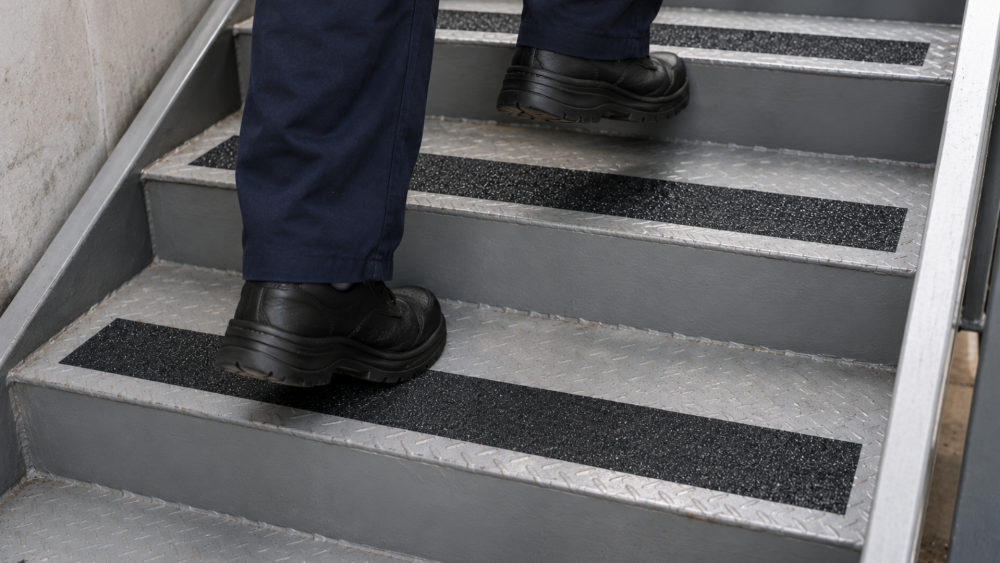
When applying on stair treads, consider where feet typically make contact and areas with a slip hazard. For ramps or walkways, primarily evaluate the traffic direction and size of the hazard zone, then choose the appropriate width, number of strips, and layout pattern for that area.
If the manufacturer provides specifications regarding product dimensions, spacing, or installation patterns, adhere to those guidelines rather than arbitrarily determining the layout.
Color aids visibility, but meanings vary by location
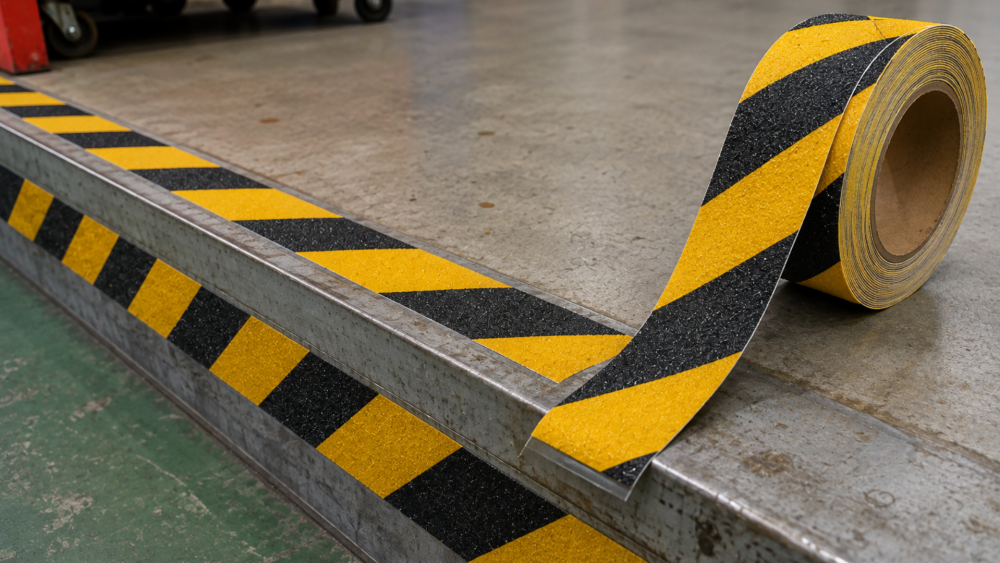
The color of anti-slip tape does not directly affect friction, but it helps the applied area stand out from the surrounding floor for easy visibility—for example, on step edges, level changes, or areas needing user attention.
However, when using color to convey safety warnings, demarcate zones, or designate work areas, do not assume a specific color carries a universal meaning across all facilities, as internal standards, corporate policies, or existing sign and color systems may apply. Therefore, distinguish clearly between using color for enhanced visibility and using color as a safety designation, as the latter may require compliance with specific regulatory standards.
No matter how good the tape is, problems can arise if applied to an unprepared surface
One reason anti-slip tape peels off quickly is not just choosing the wrong tape, but also applying it to a surface that is not properly prepared.
Generally, the surface should be clean, dry, solid, and free from peeling debris, oil stains, dust, or coatings that interfere with adhesion. Before application, the surface should be prepared according to the manufacturer's instructions, and for porous or specialized surfaces, a primer or additional surface preparation materials may be required.
Installation temperature is another factor that should not be overlooked, as different adhesives have different optimal installation temperature ranges. Applying tape in conditions that are colder or hotter than specified by the manufacturer may prevent the adhesive from bonding to the surface at full effectiveness. Therefore, you should refer directly to the specifications for that particular tape model rather than applying a single figure across all products.
Choose anti-slip tape to match the actual application area
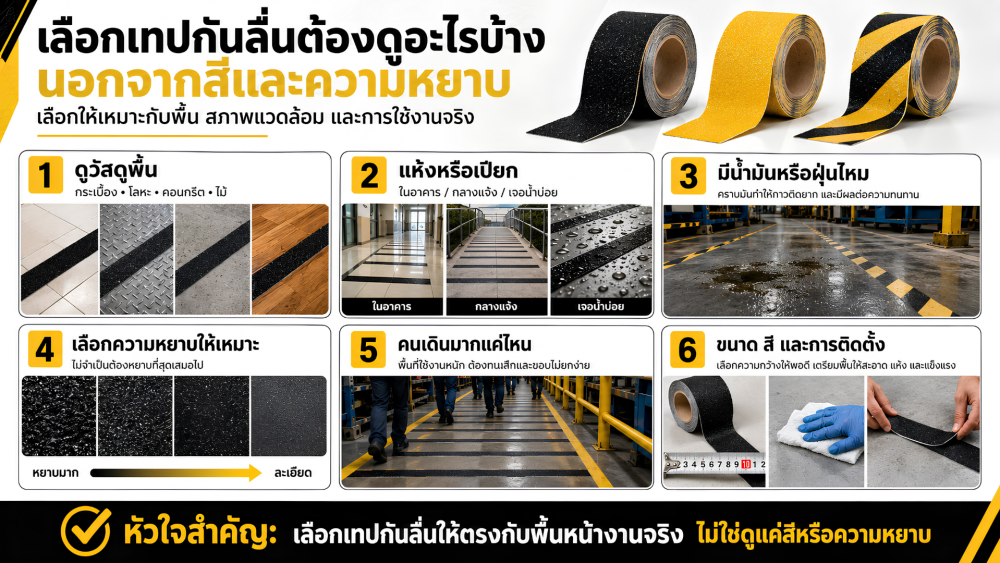
Before choosingAnti-Slip Tapes Start by examining the job site: what material the floor is made of, whether the surface is smooth or rough, whether it is indoors or outdoors, whether it is regularly exposed to water, oil, or dust, and how much foot traffic there is. Then select the surface type, width, color, and adhesive properties that suit those conditions.
Tape suitable for dry indoor tile floors might not be the same tape that is suitable for outdoor concrete stairs or factory walkways, and a rougher surface does not always mean it is better suited for the job.
Choosing the right anti-slip tape is not about finding the roughest roll or the most prominent color, but rather ensuring that the anti-slip surface, adhesive, and installation method work harmoniously with the actual surface and environment. Considering these elements together from the beginning helps significantly reduce issues like premature peeling, excessive wear, or choosing a tape that is unsuitable for the application area.