


 EN
 ไทย


Customers Also Purchased
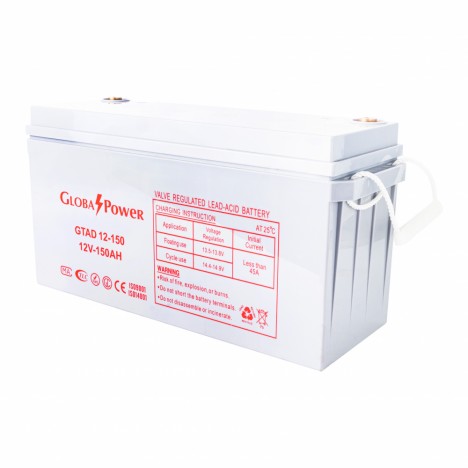
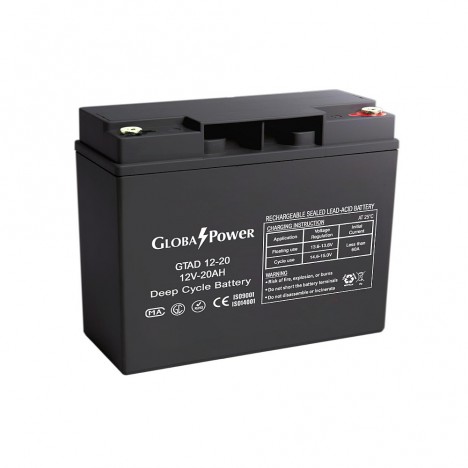
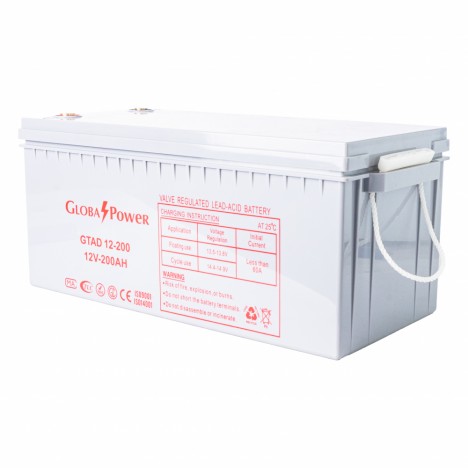
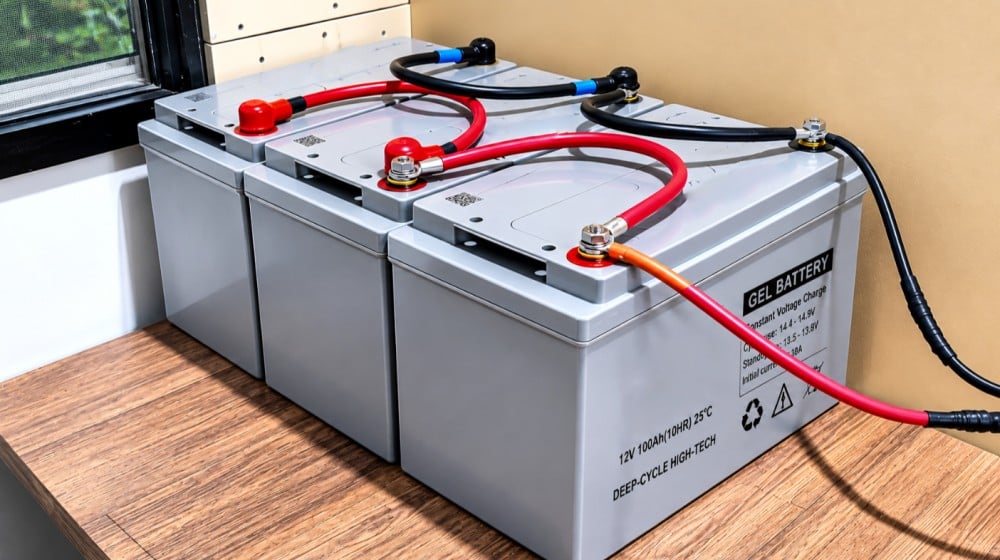
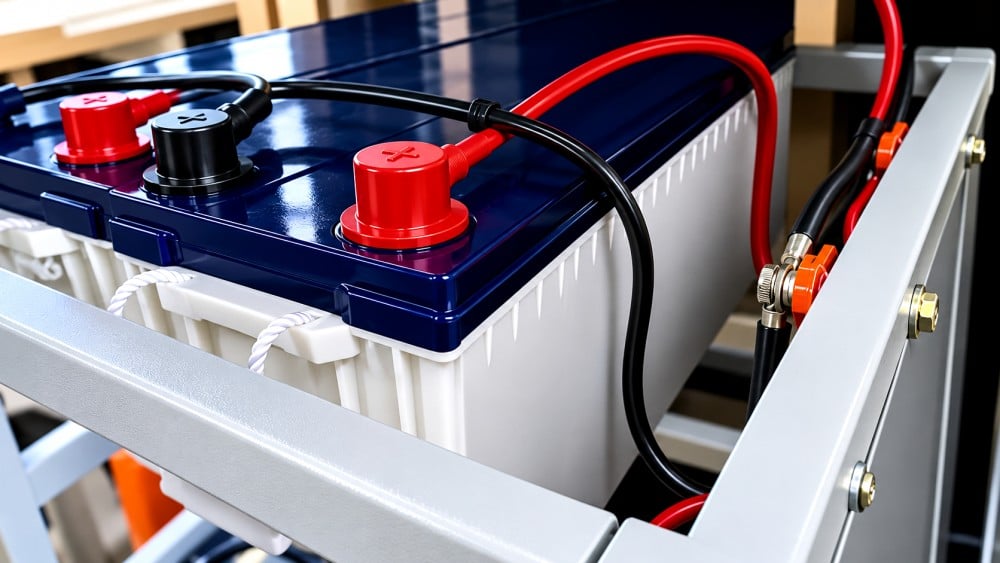
Picture an evening when the backyard water pump kicks on, but the kitchen lights flicker and the inverter beeps a low battery voltage warning—even though the screen just showed the battery was over half full! When the technician inspects it, the thermal camera image points straight to a small spot at the end of the red cable. The battery casing's temperature remains close to the surrounding environment, but on the terminal lug there is a dark discoloration right at the hottest point.
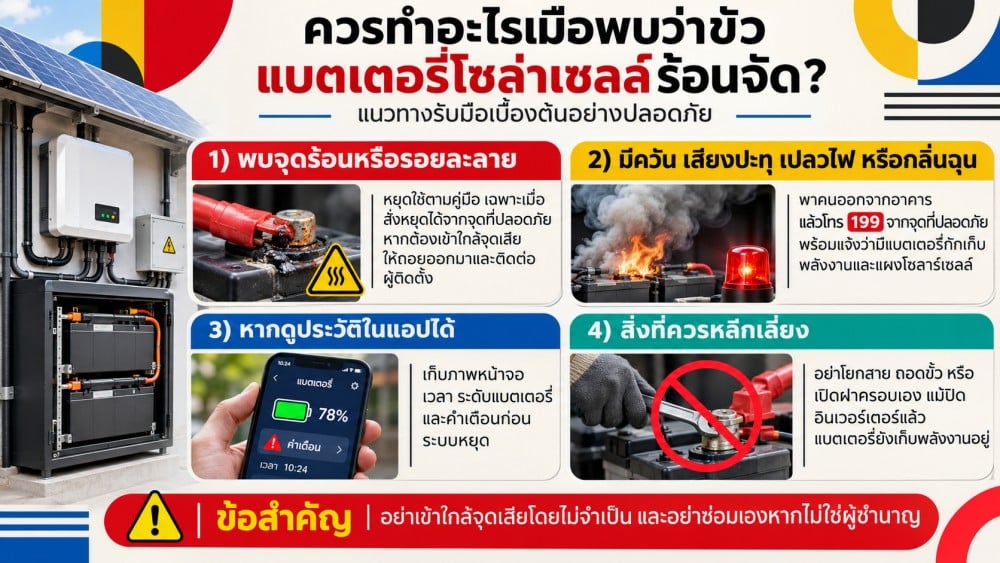
If only one solar cell battery terminal is extremely hot, the first thing to suspect is joint resistance. Loose terminals, incompletely crimped lugs, or metal surfaces that do not sit flush together can all cause a portion of electrical energy to convert into heat at the cable end. When this occurs, shut down operation according to system procedures from a safe point and have a technician inspect it. Do not touch it with the back of your hand to check the temperature or grab a wrench to tighten it while the system is still running.
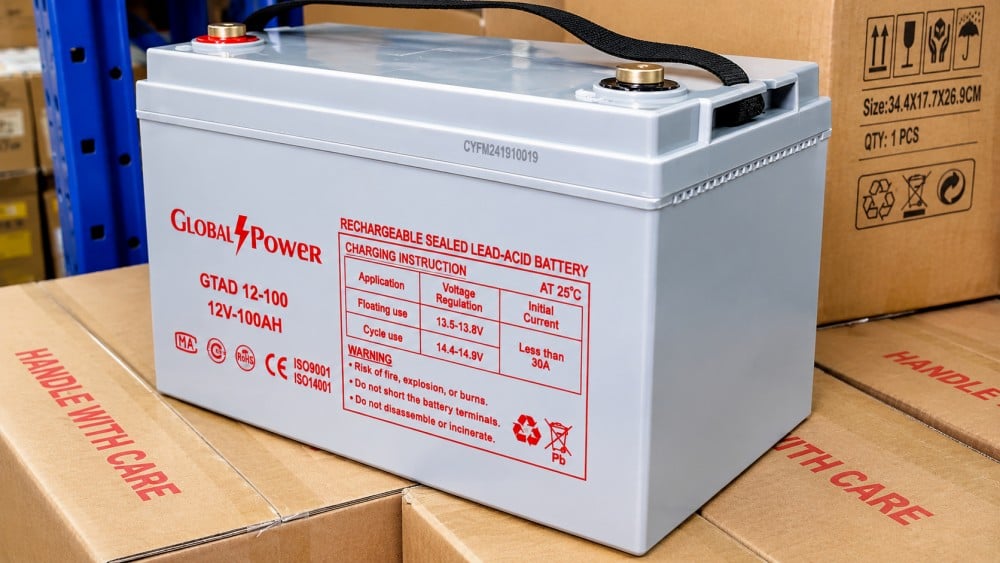
Why do small terminals heat up before the entire solar cell battery?
Think about the path from the Solar Batteries to the inverter. Current must pass through the metal terminal, across the contact surface of the cable lug, and then flow into the copper crimped inside the sleeve. All three parts are so close together they seem like a single piece, but each joint has the potential for its own problems. If the contact surface has residue or the lug is crooked, the same amount of current will only pass through the parts that actually make contact. Heat therefore accumulates there before dissipating to the casing.
This relationship is explained by the formula P = I²R, where I is current and R is resistance. Suppose a connection point has a resistance of 0.005 ohms: at a current of 20 amps, it generates 2 watts of heat. But if the current increases to 80 amps, the heat jumps to 32 watts. A fourfold increase in current yields a sixteenfold increase in heat! These numbers are sample calculations to illustrate proportions; the actual temperature also depends on duration and heat dissipation.
What can the hot spot on a solar cell battery tell us about the cause?
Hot at the contact surface where the cable lug meets the solar cell battery terminal
Technicians will check whether the face of the cable lug sits completely flat against the terminal or if something is in between. Sometimes the bolt looks tight, but a thick cable pulls the lug askew, or washers are placed in the wrong position, hindering current flow. Another scenario is corrosion creeping between the mating surfaces, even if the visible top side appears clean. The assembly sequence must follow the diagram for that specific terminal model, as each washer serves a different purpose.
Tightening further by feel can strip threads or damage terminal posts. Some solar cell battery models specify torque values based on the terminal type, so technicians must know both the battery model and terminal type before selecting the torque value. If the terminal post wobbles, the plastic base around the terminal deforms, or leaks are found, have the manufacturer or service center inspect the battery as well. Replacing only the cable lug may only address part of the problem.
Hot at the neck of the cable lug or where the wire enters the sleeve
If the hottest spot shifts back from the bolt head to the crimp sleeve, the technician will focus on the joint between the copper wire and the lug. For example, the lug size may not match the wire cross-section, mismatched crimp dies were used, or some copper strands were severed during wire stripping. The outside may just look neatly covered with heat shrink tubing, while inside only a portion of the copper remains to carry the current. Tightening the bolt at the terminal further will not reach the damaged area.
Hot along a length of cable, or only certain cables heating up in a parallel battery bank
If the cable is warm or abnormally hot over a continuous length, the technician must check the cable size, actual operating current, wiring routing, and ambient heat around the installation area. For systems with multiple batteries connected in parallel, check how current divides across each branch. Variations in cable length or total resistance can cause one branch to shoulder more load than others. Replacing just the darkened bolt may still not explain why that particular cable keeps overheating.
How to Distinguish a Faulty Joint from High Current Issues?
Use a clamp meter capable of measuring DC current, such as the FLUKE 325 available at iToolmart, to check whether the current in the cable is within rating or how much the current varies across branches. Then, consider the voltage drop across the joint under conditions evaluated as safe for testing. If the current is within rating but the voltage drop is concentrated across a single joint, the evidence points clearly to that connection. As for points that have already melted or burned, the damage must be addressed before applying power for testing.
Is it Necessary to Replace the Entire Solar Battery, and How Do You Know the Repair Worked?
The answer depends on how far the damage has spread. If a technician finds issues only with the cable or cable lug and verifies that the terminal and battery casing are still intact, the repair may simply involve replacing the cable set with the correct rating, assembling it according to the manual, and routing the cables with proper strain relief. However, if the terminal post is loose from the base or the plastic around the terminal has melted, the manufacturer should assess whether that battery can still be used. If you are weighing whether to repair it or replace the whole unit, also consider its past service life. Read more at How Many Years Do Solar Batteries Last? What Causes Them to Degrade Quickly? Buying a new solar battery while keeping a poorly crimped cable can lead to the exact same issue with the new unit.
Conclusion
A cool battery casing and an extremely hot terminal can happen simultaneously because a tiny connection point can dissipate a large amount of power under high current. If you notice this symptom, safely stop usage and record pre-incident data from a safe distance. A technician will then use the heat location, current, and voltage drop to help decide whether to repair the cable, replace the cable lug, or send the battery itself for inspection. For your home or jobsite, have you ever encountered a hot battery terminal during peak sunlight when the system is charging, or in the evening when appliances are turned on all at once?
Select Solar Batteries to suit the application