


 EN
 ไทย


Customers Also Purchased

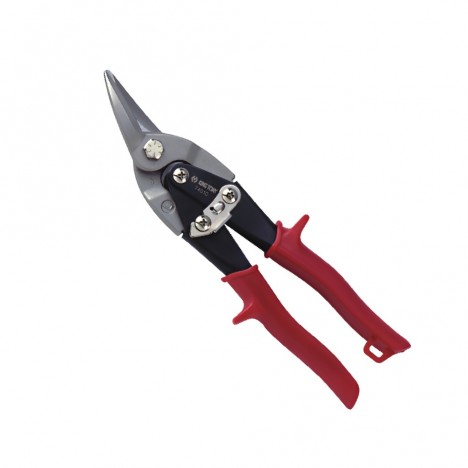
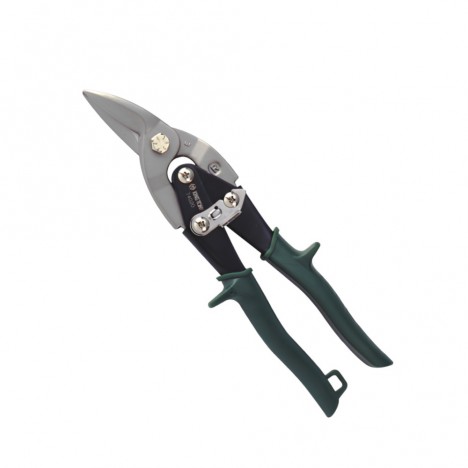
You're gripping a wire with pliers to fix something, but when you apply torque, the handle grip twists right in your hand! Even though the pliers themselves didn't turn at all. You grip them again, and they still don't feel as tight as before. Others encounter a different issue: pulling pliers out of the toolbox only to find the rubber grip is strangely sticky. Has it degraded? Even though it hasn't been used for months, the more you wipe it, the more uncomfortable it feels to hold.
Many people might think it's just an issue with the handle sleeve and has nothing to do with the strength of the pliers themselves. If the jaws still grip tightly and the cutting edges still work, it should be fine to keep using them. But in reality, the handle is a crucial part that allows your hand to control direction and transfer force to the workpiece. When the grip starts getting loose, slippery, or degraded, the risk of slipping or mishandling the pliers increases. So which conditions can be cleaned or fixed, and which mean you should stop using them immediately?
Pliers handles loose or rubber sticky—can you still use them?
The answer depends on the nature of the damage and the type of Pliers / Clamp Not every symptom means the tool must be replaced immediately, but you should never force its use when the handle is unstable. If the plier handle has oil stains or external dirt, proper cleaning might restore its firm grip. However, if the sleeve twists or slides off the metal core on its own, it indicates compromised adhesion, which could lead to losing control of the tool when applying force.
As for pliers used for electrical work, especially certified insulated models, if the insulating handle is cracked, loose, or damaged, you must stop using it and switch to an appropriate tool. Never attempt to repair it with electrical tape or regular adhesive.
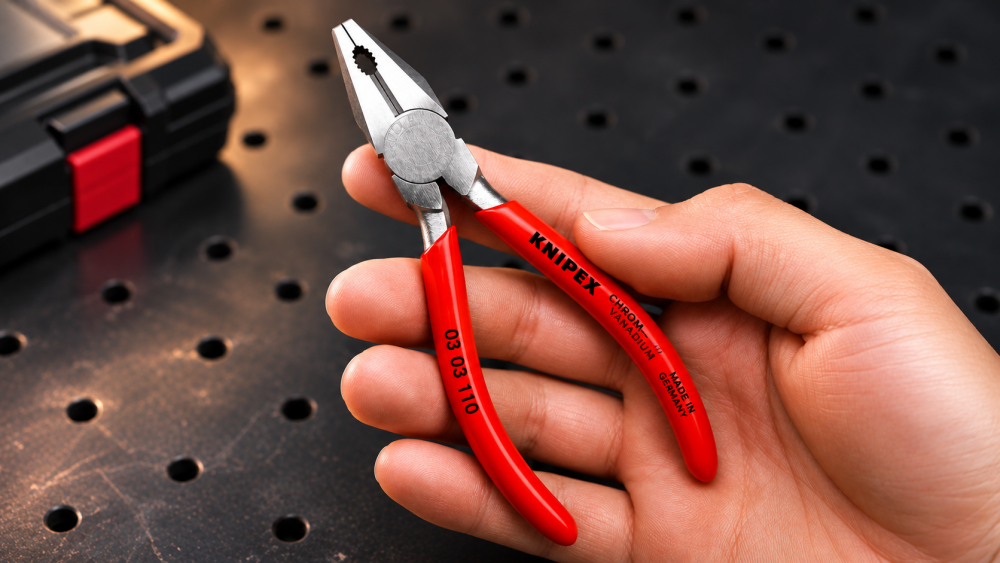
3 Symptoms of Plier Handles You Should Distinguish
Loose Plier Handle Twisting in Hand
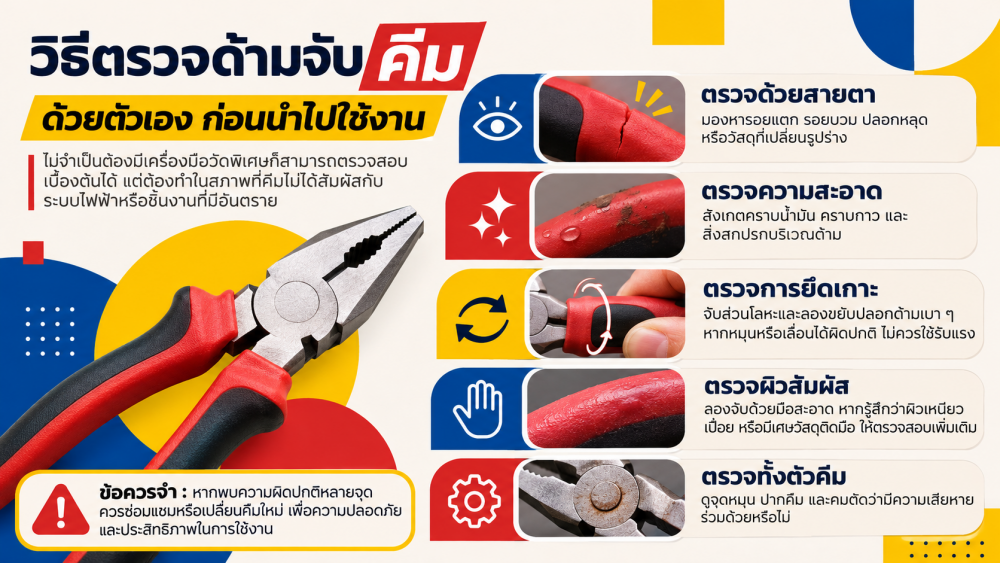
This symptom is often most noticeable when squeezing or twisting a workpiece: your hand holds the grip sleeve in one position, but the internal steel core shifts to another. This may be caused by the sleeve expanding, deteriorating, or losing its adhesion to the metal core. Over long periods of use, repeated movement can make the sleeve slip even more easily. The resulting issue is not just annoyance; it also forces you to grip harder to compensate for slippage, causing hand fatigue faster and potentially leading to the workpiece slipping from the plier jaws under force.
Sticky Rubber Plier Grip
Sometimes the plier handle is not dirty, but becomes sticky due to chemical changes within the coating material itself—especially certain plastics or synthetic rubbers that degrade with age and environmental exposure. For instance, pliers kept in a vehicle toolbox for a long time or placed near high-heat areas may undergo rapid surface degradation, depending on the material formulation and manufacturer's design. If the surface remains sticky after cleaning, leaves residue on your hands, or starts crumbling, consider it a sign of degraded material rather than mere surface dirt.
Cracked Plier Handle or Detaching Sleeve
This condition requires greater caution than stickiness, as cracks can expand under squeezing pressure—especially near the handle ends and where the sleeve contacts the metal core. If the sleeve cracks to the point where sharp edges can cut your hand, or if it slips off during operation, stop using it until the part is properly replaced or the pliers are replaced. Importantly, distinguish between a loose handle sleeve and a loose plier joint: the former involves the grip area, while the latter affects the pivot transferring force to the jaws, each requiring separate inspection.
Why Does the Plier Handle Deteriorate Even When the Steel Looks Fine?
Accumulated Heat and Sunlight
Pliers left on car dashboards, near machinery, or in areas regularly exposed to direct sunlight can have a shortened handle lifespan, as heat and UV radiation accelerate the degradation of certain materials. What you should do is store pliers in a dry place with moderate temperatures and avoid leaving tools out in direct sunlight unnecessarily.
Oil, Grease, and Chemicals
Automotive and machinery repair work frequently exposes plier handles to oils or cleaning solvents. Different grip materials offer varying resistance to these substances. Continuous buildup can make handles slippery, difficult to grip, or cause surface changes. Therefore, always clean them after use and check the chemical compatibility of solvents with the handle material.
Improper Use of Pliers
Using pliers to pry stubborn components, twisting handles beyond their intended design, or striking plier handles with a hammer can exert abnormal stress on both the structure and the handle coating. Even if damage is not immediately visible, such misuse can deform the handle or cause the sleeve to shift.
Material Degradation Over Time
Even unused pliers do not stay like new forever. Certain grip materials can harden, become brittle, or experience surface degradation over years, particularly when stored in unsuitable environments. Therefore, before using old pliers, do not just check for rust and sharp cutting edges—inspect the condition of the handles as well.
Which Handle Types Help Reduce Issues with Frequent Plier Use?
When choosing new pliers, consider the shape and handle material suitable for your type of work, not just the thickness of the rubber coating. For example, KNIPEX offers various handle designs ranging from thin plastic-coated handles for general tasks to multi-component grips that help distribute pressure evenly across your hand, ideal for users who apply heavy force or use pliers frequently.
For technicians who frequently cut wire or grip workpieces repeatedly, the KNIPEX 02 02 180 High Leverage Combination Pliers (180 mm), available on the iToolmart website, is an example of pliers featuring Multi-Component Grips and a high-leverage mechanism designed to reduce required manual effort according to the model's performance.
However, for electrical work, always choose pliers with certified insulation according to strict standards, such as the KNIPEX VDE pliers series, and be sure to verify the standards and condition of the handles before use.
Conclusion
The pliers handle is a crucial part for tool control, not just a covering for aesthetics. If the handles are dirty, start with proper cleaning. However, if the sleeve twists, slips off, or the material has degraded and deformed, do not force continued use expecting the same gripping performance.
Especially for pliers used in electrical work, insulation damage requires immediate cessation of use; never repair them with glue or tape and assume they are safe. Before deciding to replace the pliers, inspect the handles, pivot point, and jaws together to ensure the tool remains reliable and suitable for the task.
Select Pliers / Clamp to suit the application