


 EN
 ไทย


Customers Also Purchased
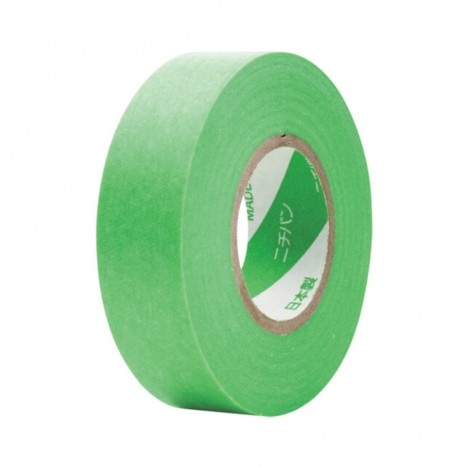
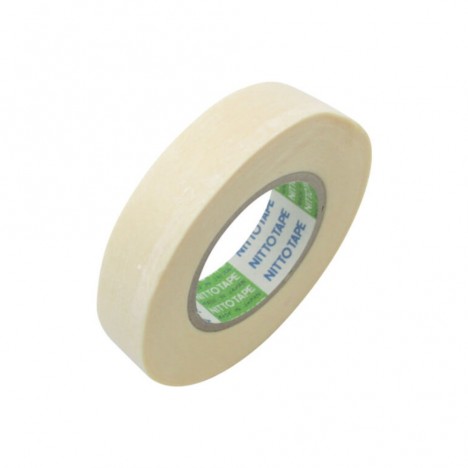
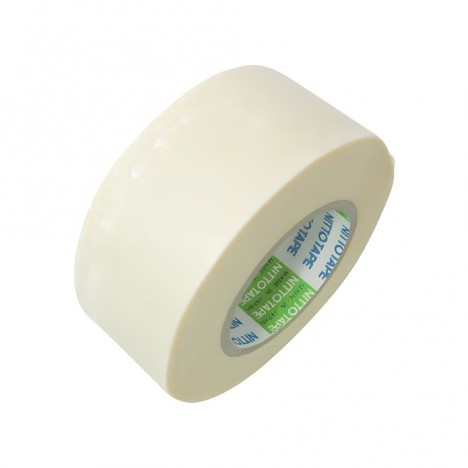


Imagine that you just mounted an acrylic sign on the wall with double-sided adhesive tape. After finishing, you touched and gently shook it; it felt secure with no signs of coming loose. But when you returned the next day, the sign was lying on the floor, with the adhesive tape still firmly attached to the back of the sign. The question is: since the tape is still sticky, why couldn't it stay bonded to the wall?
These situations can happen in sign installation, home decoration, furniture assembly, and general maintenance work. Many people think it's because the tape is of poor quality, so they switch to a stickier tape or apply thicker layers. But after using it for a while, the problem returns just the same. In reality, bonding strength does not depend on the tape's stickiness alone, but is also related to the surface characteristics, installation method, forces acting on the workpiece, and the amount of time allowed for the adhesive to develop its bond.
Why does adhesive tape hold firmly at first, but come off later?
Adhesive tape Many types use Pressure-Sensitive Adhesive (PSA), which bonds to a surface when pressure is applied, without needing to mix substances or wait for the glue to dry like some liquid adhesives. When we press the tape onto the surface, the adhesive makes contact with the material and begins to build bonding strength. However, the fact that the workpiece doesn't fall off immediately does not mean the tape has developed its full strength. For example, technical documentation for 3M VHB Tape states that at room temperature, this group of tapes may develop bonding strength of approximately:
- 50% of ultimate strength after 20 minutes of installation
- 90% after 24 hours of installation
- 100% after 72 hours of installation
These figures are specific to the VHB product family and 3M's test conditions; they do not mean that all types of adhesive tape require the same amount of time. The key point is that even though some types of tape can stick immediately, if they are used to hang heavy objects or subjected to tensile forces before the adhesive has sufficiently developed its bond, they are likely to detach from the surface.
7 checkpoints to review when adhesive tape won't stick
1. The surface looks clean, but dust or grease remains
One of the most common issues is applying adhesive tape onto a contaminated surface, even if it looks clean to the naked eye. For example, kitchen tiles may have a thin film of oil mist, recently drilled walls may have accumulated concrete dust, or metal surfaces may carry oil residues from manufacturing processes. When contaminants are trapped in between, the tape cannot make full, direct contact with the material, reducing adhesion strength. Before applying adhesive tape, you should clean the surface appropriately for the material—such as wiping away dust with a clean cloth and using cleaning agents approved by both the tape and material manufacturers. If using isopropyl alcohol on compatible surfaces, ensure it dries completely before installation. For painted wood, certain plastics, or specialized decorative finishes, test on a small, inconspicuous area first, as some cleaning solutions may damage the surface.
2. The adhesive tape is not suitable for the type of material
Surfaces that appear equally smooth do not necessarily bond with tape equally well. Glass, aluminum, painted wood, PP plastic, and PE plastic have different surface characteristics. In particular, certain plastics have Low Surface Energy (LSE), making it difficult for standard adhesives to wet out and bond properly. 3M states that plastics such as
Polypropylene (PP) and Polyethylene (PE) are harder to bond to than materials like metal or glass, so an adhesive formulation designed specifically for them may be required. This is why the same roll of tape may adhere well to a metal sheet but peel off easily from a plastic box or certain equipment. Before purchasing, you should check the list of compatible surfaces on the label or product documentation, rather than relying solely on the claim of "high bonding strength."
3. The wall or paint layer is not strong enough
Sometimes, the adhesive tape does not actually detach from the surface, but rather the paint layer or substrate peels off along with the tape. Examples include mounting items on chalking walls, walls with moisture buildup, or crumbling plaster surfaces. No matter how high the tape's quality is, the installation's strength still relies on the integrity of the original surface. If you peel off the tape and find paint or plaster stuck to it, you should address the wall issue first, rather than switching to a stickier tape. For load-bearing installations, always verify the strength of the paint layer and substrate, especially on freshly painted surfaces that may not have cured completely.
4. The adhesive tape was not pressed firmly into contact
Many people apply tape by placing it on the surface and simply running a hand over it once, which may not be enough for tapes that require pressure to achieve proper contact. For 3M VHB tapes, technical documentation recommends applying pressure of approximately greater than 100 kPa or 15 psi to help the adhesive achieve better contact with the surface. However, this value is a recommendation for that specific product family, not a requirement for all tapes. In general applications,
you should use a roller or a suitable pressing tool to smooth it from the center outward to the edges, ensuring no gaps or air bubbles remain, and avoid stretching the tape during installation. For larger jobs, using a roller provides much more uniform pressure than pressing with your fingers point by point.
5. Loading the workpiece too quickly
Attaching a sign or decorative accessory and allowing it to bear weight immediately may cause the adhesive line to begin separating right from the start. For tapes that require time to develop adhesion, temporary support should be used according to the manufacturer's recommendations before allowing the tape to bear the actual load.
In installations with continuous tension, such as projecting wall signs or items with counterbalanced edges, waiting for the specified cure time is crucial. Importantly, always check the load rating and installation method for that specific tape model, as waiting longer will not allow the tape to exceed its maximum load capacity.
6. The force acting on the tape is in the wrong direction
Adhesive tapes may handle forces parallel to the surface differently from forces that try to peel the tape away from the edges. For example, mounting a flat sign flush against a wall versus mounting a forward-projecting hook: even with the same weight, the hook can create significantly more prying force at the tape's edge. This type of leverage gradually peels the adhesive line open; once a gap forms, the weight of the workpiece accelerates the detachment of the rest. If installing items subjected to leverage or sudden shock loads, opt for fastening methods designed specifically for that application—such as screws, wall plugs, or mechanical fasteners—instead of relying on tape alone.
7. Temperature and humidity are unsuitable for installation
Applying adhesive tape in areas that are excessively hot, overly cold, or have condensation on the surface can impair adhesion. For instance, applying tape onto sheet metal exposed to scorching sun or mounting accessories in a bathroom right after a shower can cause failure right from the installation stage. Furthermore, the fact that a tape can withstand heat or humidity during service does not mean it can be installed under the same environmental conditions. Therefore, always check both the application temperature and the operating temperature range supported by the product, as they may differ.
i Inspecting the failure pattern helps identifyAdhesive tapewhere the problem lies 1 Tape remains on the workpiece but detached from the wall Check the wall Likely caused by dust, moisture, a weak paint layer on the wall, or an adhesive formula unsuitable for the wall surface. 2 Tape remains on the wall but detached from the item Check the item Inspect the backing material of the item, such as glossy plastic, low surface energy (LSE) plastic, or residual oil on the surface. 3 Tape carrier tore or split apart Check the tape and applied load May be related to overloading, heat, degradation, or forces unsuitable for the tape's structural design. 4 Paint or substrate material pulled off with the tape Check the surface layer; repair before re-applying The issue may stem from the surface layer's strength rather than the adhesive itself; the surface should be repaired before reinstalling. Observing failure patterns helps technicians target the right solution, reducing unnecessary removal and reinstallation.
How to choose the right adhesive tape for installation work?
For installation on smooth surfaces such as metal, glass, PVC, or properly painted wood, consider high-strength double-sided tape specified for those materials. An example available at iTOOLMART is 3M Scotch Extreme Tape, a double-sided tape for high-holding-power applications featuring a flexible tape core designed for various smooth surfaces.
Where this type of product helps solve problems is mounting certain types of workpieces without drilling holes, reducing screw marks, and creating a cleaner finished look. However, this does not mean a single tape is suitable for every job. If the surface is crumbly concrete, hard-to-bond plastic, or subject to sudden shock loads, you should check limitations and test prior to actual use. For temporary tasks or applications requiring later removal, you might need a different adhesive tape focused on clean removal rather than permanent bonding. If you are still unsure which tape suits your job, try reading Which double-sided tape is best? How to choose one that sticks firmly, doesn't fall off easily, and won't damage walls to help inform your decision.
Summary
Adhesive tape failing to hold might not be because it isn't sticky enough. The fact that adhesive tape bonds firmly on the first day but falls off the next does not always mean the tape has degraded. Causes may include dust or grease on the surface, choosing an adhesive formula unsuitable for the material, insufficient pressure during application, or allowing the workpiece to bear loads before the adhesive has fully developed its bond.
Before switching to a stronger tape, inspect the surface, installation technique, and load characteristics. Addressing root causes saves far more material costs and rework time. Especially for installation technicians and contractors working across multiple points, standardizing cleaning procedures, applying proper pressure, and verifying bond strength will ensure consistency and prevent future problems. Have you ever encountered adhesive tape that bonded tightly on the first day, only to fall off mysteriously when you checked back later?
Select Adhesive tape to suit the application