


 EN
 ไทย


Customers Also Purchased
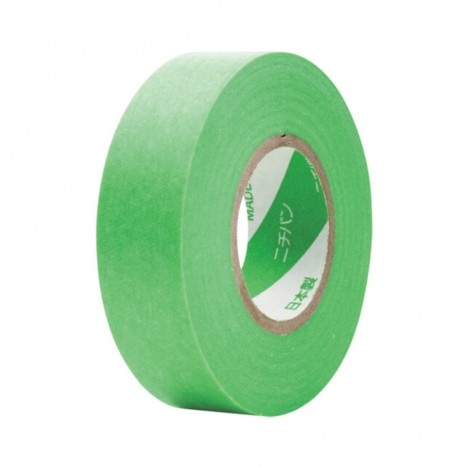
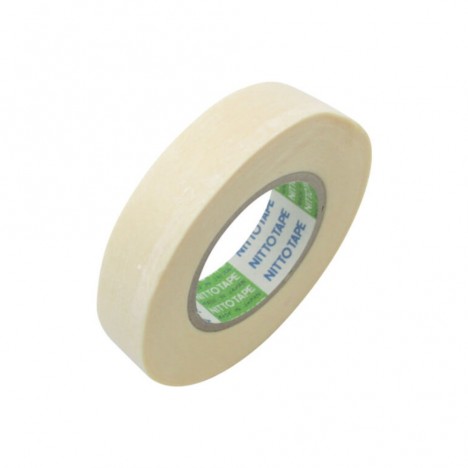
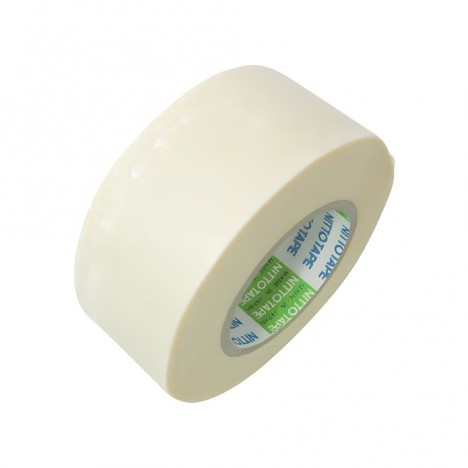
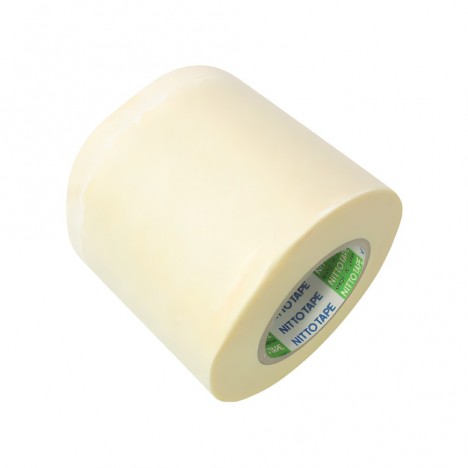


When it comes to versatile essentials for the home, office, shop, or dorm room, “Adhesive tape double-sided tape” is likely one of the most frequently used tools. It lets you mount items without drilling, nails, or screws, leaving no permanent holes on surfaces. It is ideal for small tasks like hanging pictures, mounting signs, putting up hooks, attaching decorations, DIY projects, or organizing desk items. However, double-sided tape does not come in just one variety, nor is every type suitable for all surfaces.
Many people have faced this situation: you mount an object to a wall only for it to fall a few hours later, a sign peels at the edges, a hook comes off along with the hung item, or worse, peeling the tape off strips the wall paint, ruins the wallpaper, or leaves behind stubborn, sticky adhesive residue. These issues do not always mean the double-sided tape is poor quality; they often stem from selecting the wrong type of tape, using it on an unsuitable surface, applying it to a dusty or damp wall, or exceeding the tape's weight capacity.
Choosing double-sided tape that holds firmly without damaging your walls requires looking beyond labels like "high adhesion" or "extra strong." A tape's holding power depends on many factors, including the tape type, surface material, object weight, weather conditions, humidity, wall cleanliness, bonding duration, and removal method. Selecting the right tape from the start ensures easier installation, a neater finish, and a significantly reduced risk of wall damage.
What Is Double-Sided Tape?
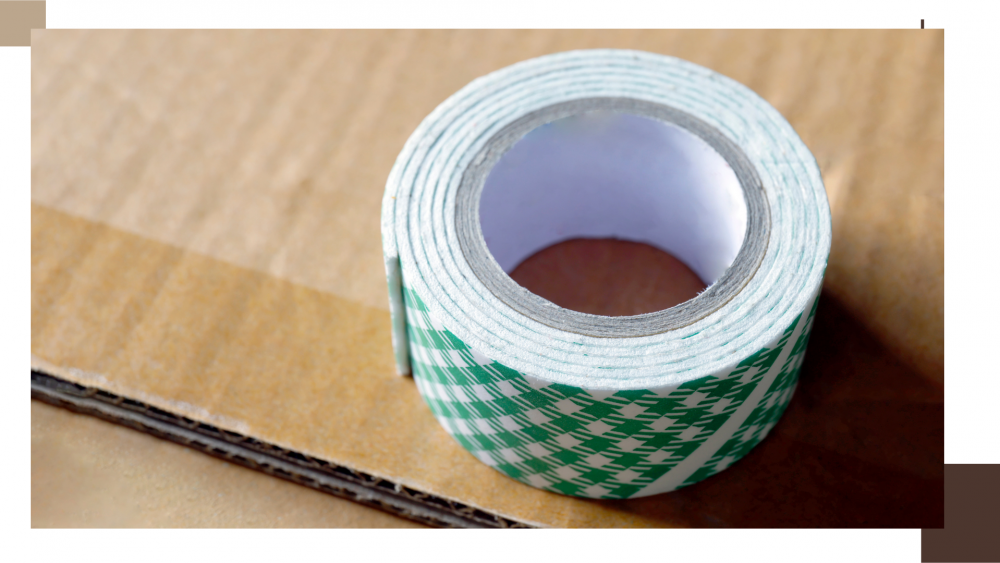
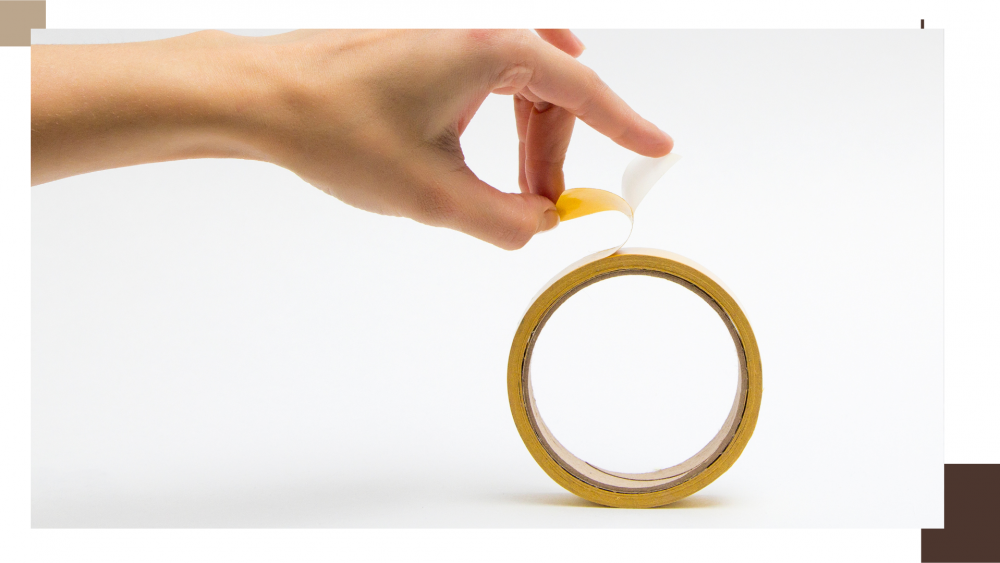
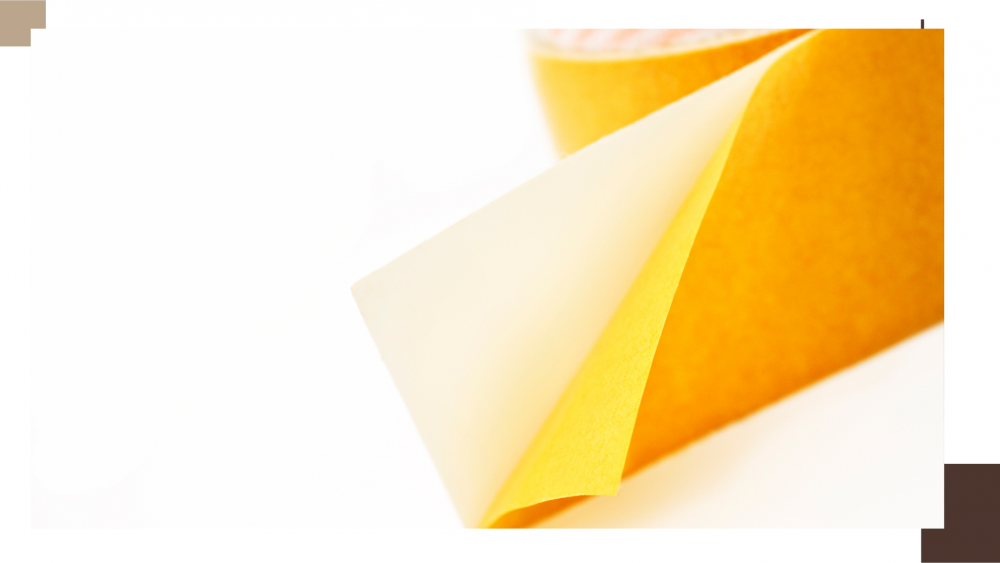
Double-sided tape is tape coated with adhesive on both sides, used to bond two materials together without exposing the tape on the front surface. Unlike standard clear tape or masking tape that is applied over the exterior, double-sided tape remains hidden between the material and the surface, resulting in a cleaner finish—such as when mounting signs on walls, hanging pictures, paper crafting, attaching decorations, or securing components in DIY projects.
The main advantage of double-sided tape is that it is easy to use, does not require many tools, and eliminates the need to drill into walls. However, its limitation is that it is not suitable for every job—especially heavy loads, applications subject to constant tensile stress, outdoor use exposed to sun and rain, or peeling-prone surfaces such as old painted walls, thin wallpaper, dusty walls, or walls with accumulated moisture.
Therefore, before choosing double-sided tape, you should ask yourself: What are you mounting? What kind of surface are you mounting it on? How much weight does it need to hold? Do you need a temporary or permanent bond? And if it needs to be removed in the future, will the surface withstand it? These questions will help you choose the right type of tape rather than relying solely on stickiness.
How many types of double-sided tape are there?
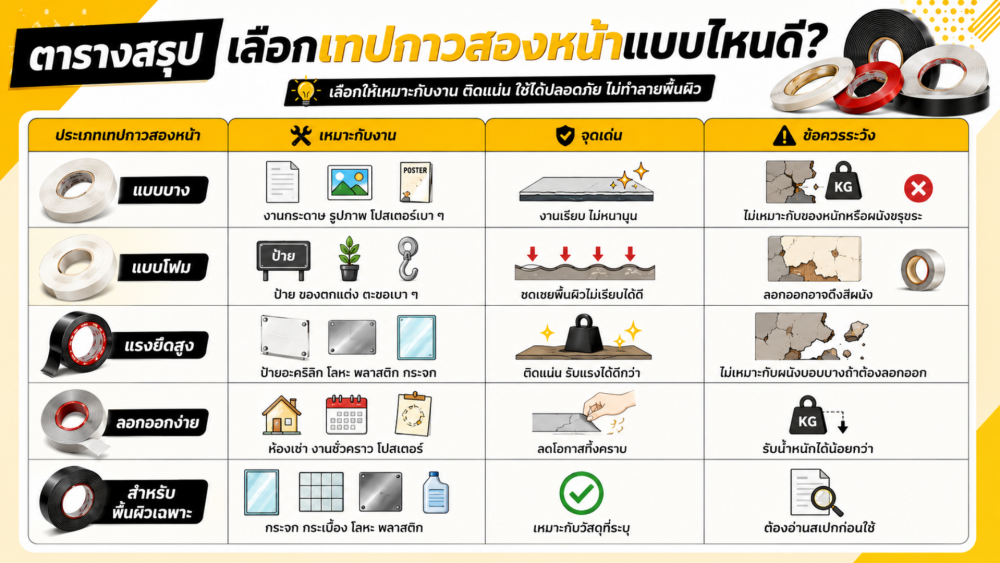
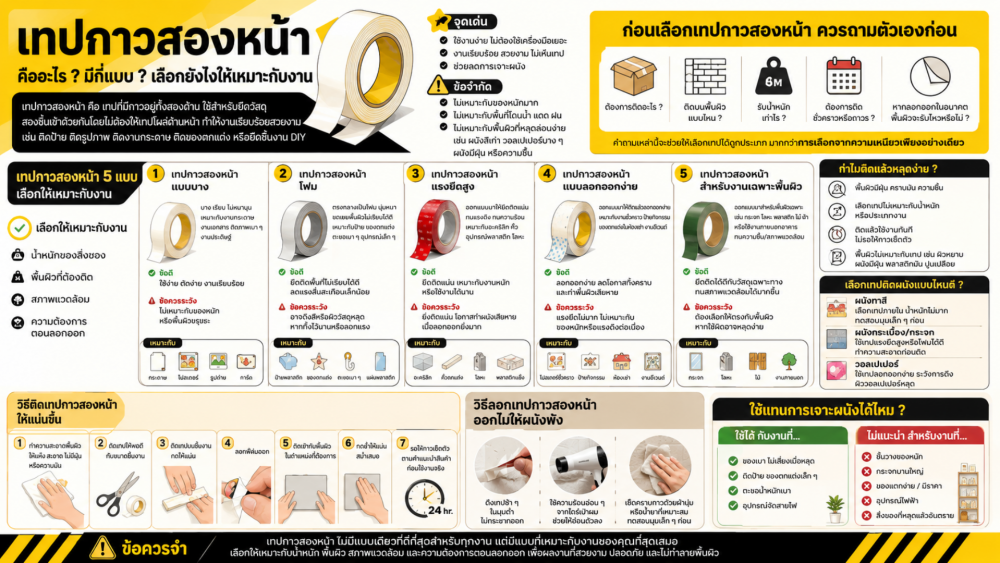
There are many types of double-sided tape, but if categorized simply by practical use, there are about 5 common groups: thin double-sided tape, double-sided foam tape, heavy-duty double-sided tape, removable double-sided tape, and surface-specific double-sided tape. Each type has different strengths and precautions.
1. Thin Double-Sided Tape
Thin double-sided tape is the type most people are familiar with. It is thin, flat, and not bulky, making it ideal for paper, documents, craft projects, mounting lightweight pictures, or applications requiring a seamless finish without leaving a large gap between the item and the surface.
The advantage is that it is easy to use, easy to cut, gives a neat finish, and is suitable for lightweight materials such as paper, posters, cards, photos, or small signs. However, the limitation is that it is not suitable for heavy items or rough surfaces because the tape is thin and cannot compensate for gaps between the material and the wall. If the wall is uneven or dusty, the tape may not make full contact and can easily fall off.
Thin double-sided tape is suitable for applications that prioritize neatness over high holding strength, such as document work, display boards, temporary decorations, or mounting lightweight materials in dry, clean areas.
2. Double-Sided Foam Tape
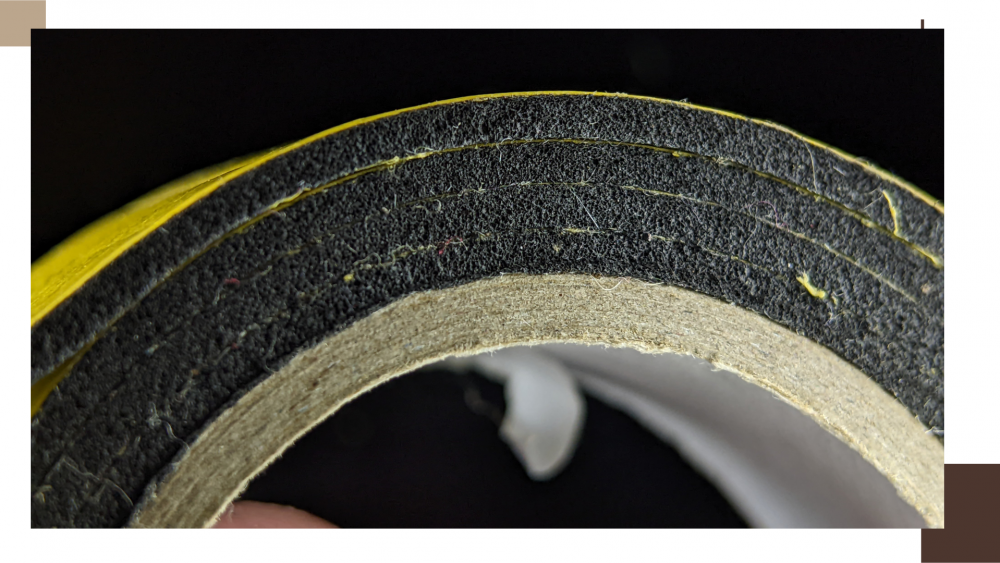
Double-sided foam tape is thicker and softer than thin tape, featuring a foam or cushioning core that helps compensate for uneven surfaces. It is ideal for mounting signs, decorations, lightweight hooks, plastic sheets, small devices, or applications requiring a thicker tape to help bond to surfaces.
The advantage of foam tape is that it adheres better to uneven surfaces than thin tape, as the foam can conform closely to the surface while also helping absorb minor vibrations. However, a precaution to keep in mind is that when used on painted walls or wallpaper, removing it may peel off the paint or surface material, especially if it is a heavy-duty foam tape or has been left on for a long time.
Therefore, double-sided foam tape is suitable for jobs that require more holding power than paper crafts. However, you should still select an appropriate weight for the item and test on a small, inconspicuous area before actual installation, especially on home walls where paint durability is uncertain.
3. Heavy-Duty Double-Sided Tape
Heavy-duty double-sided tape is typically used for applications requiring a stronger bond, such as mounting acrylic signs, moldings, small fixtures, plastic parts, metals, or materials that need more holding strength than standard tape. Some varieties may feature acrylic adhesive or are engineered to resist tension and heat or provide extended durability.
The advantage is that it provides a significantly stronger bond than general double-sided tape and is ideal for projects where drilling into surfaces is undesirable. However, the precaution is that the stronger the tape's adhesion, the higher the risk of surface damage upon removal—especially on painted walls, wallpaper, old concrete walls, or poorly coated surfaces.
Therefore, heavy-duty tape is suitable for strong, solid surfaces such as glass, tiles, metal, smooth plastic, or well-maintained walls. It should not be used on peeling-prone painted walls if you plan to remove it later without leaving any damage.
4. Removable Double-Sided Tape
Removable double-sided tape, or temporary mounting tape, is designed for applications where the tape needs to be removed later, such as hanging temporary posters, event signs, room decorations in rented spaces, or installations for events that require dismantling afterward.
The advantage is that it reduces the risk of leaving sticky residue or damaging the surface compared to heavy-duty tape. However, the limitation is that its holding strength may not be as high as permanent tape; it is not suitable for heavy items or areas subjected to continuous pull. Using it with heavy objects may cause them to fall off sooner than expected.
This type of tape is ideal for dorm rooms, condos, rental homes, or anyone needing temporary mounting while minimizing the risk of wall damage upon removal. Even so, you should always test it on a small, hidden corner first, as surface properties vary from wall to wall.
5. Surface-Specific Double-Sided Tapes
Some double-sided tapes are designed for specific surfaces, such as glass, metal, plastic, wood, fabric, or outdoor surfaces. Some offer better moisture resistance, some are suitable for smooth surfaces, and some are suited for interior decor. Therefore, before purchasing, check the manufacturer's recommendations to see which materials it is suitable or not suitable for.
Using tape on the wrong surface is a common reason why tape easily comes off. Examples include using tape meant for paper on glossy plastic, using general-purpose tape on dusty walls, using indoor tape outdoors, or using thin tape on rough surfaces. As a result, the adhesive cannot make full contact with the surface, significantly reducing bonding strength.
Which Double-Sided Tape Is Best? What Factors to Consider
The answer to "which double-sided tape is best" is not a one-size-fits-all solution; you need to choose one suited to what you are attaching and the surface you are sticking it to. For lightweight paper crafts, thin tape may suffice. But for mounting signs on walls, you may need foam tape or heavy-duty tape. If mounting items in rental rooms or on walls where tape will be removed later, opting for a removable tape is better than using the strongest-holding tape.
A simple selection guideline is to consider these 4 key factors first: the weight of the item, the bonding surface, the environment, and removal requirements. Some people choose tape based solely on holding strength; while it sticks firmly, it ends up damaging the wall upon removal. Others pick tape that is too easily removable for heavy items, causing them to fall off.
If you want to mount items on a home wall, identify whether the wall is painted, wallpapered, tiled, glass, wood, or bare concrete, as each surface handles adhesive forces differently. Tiled and glass surfaces generally withstand removal better than painted walls, while wallpaper requires extreme care because adhesive can easily tear off the surface layer.
Choosing Double-Sided Tape by Application Type
For paper, posters, or lightweight photos, choose thin or removable double-sided tape. It keeps the work flat without extra bulk and doesn't require excessive bonding strength. Using heavy-duty foam tape on lightweight items is unnecessary and makes removal much harder.
For plastic signs, acrylic signs, or small decorative items, choose double-sided foam tape or heavy-duty tape, taking into account the weight of the object and the contact area. If the item has a very small contact area but is heavy, the tape may fail to hold it, even if it is heavy-duty.
When mounting hooks or hanging organizers, be especially cautious. The force applied is not just static weight, but dynamic pull from taking things down, hanging them up, or occasional impacts. Use tape designed for load-bearing applications, and avoid hanging valuables, fragile items, or objects exceeding the specified weight capacity.
For use in bathrooms, kitchens, or humid areas, choose tape labeled for moist environments or smooth surfaces such as tiles and glass. Avoid using paper tape or general-purpose tape, as moisture can degrade the adhesive and cause it to fail.
For rental rooms or condo walls, choose easily removable tape or tape designed to leave minimal residue, and always test a small corner first. If the wall has thin paint, old paint, or poorly adhered paint, even a gentler tape may still peel the paint off.
Which Double-Sided Tape Is Best for Walls?
If you want to mount items on a wall, the first thing to inspect is not just the tape, but "what kind of wall you have." Different wall surfaces yield vastly different results. Smooth painted walls can adhere well if the paint is sound and dust-free, but if the paint is old, blistering, or damp, the tape may pull the paint off under load or upon removal.
- For Painted Walls Choose tape suited for indoor use and lighter loads. If you plan to remove it later, avoid overly high-bond tapes. Always test a small hidden area for at least 24 hours to see how the adhesive interacts with the surface.
- For Tile or Glass Walls Heavy-duty double-sided tape or foam tape works better here than on painted walls because the surfaces are smooth, hard, and won't peel off. However, thoroughly clean off dust, grease, and moisture before applying; surfaces that appear clean may still harbor residues that prevent optimal adhesion.
- For Wallpaper Avoid using high-strength adhesive tapes if you do not want to risk peeling the wallpaper surface. Use temporary tape suitable for delicate surfaces, and accept that removal may still carry risks depending on wallpaper quality and lifespan.
Why Does Double-Sided Tape Come Off Easily?
Double-sided tape peeling off easily is often not caused solely by the tape itself, but by a combination of several factors. A common cause is that the surface has dust, grease, moisture, or has not been cleaned beforehand, preventing the adhesive from making full surface contact. Even with heavy-duty tape, it may still fall off.
Another cause is selecting tape that is unsuitable for the object's weight, such as using thin tape for heavy items, using temporary tape for load-bearing tasks, or using foam tape that is too small for high-tension objects. In addition, applying it and immediately hanging objects without letting the adhesive set can also cause it to come off easily.
Certain surfaces also make it difficult for adhesive to bond, such as rough walls, dusty walls, exposed concrete, silicone surfaces, certain plastics, or surfaces with glossy coatings. If you need to mount on these surfaces, select tape specifically formulated for that material, or consider alternative fasteners instead.
How to Make Double-Sided Tape Stick Better
Getting double-sided tape to stick firmly does not depend solely on the tape; the application method plays a major role. Before applying, ensure the surface is dry, clean, and free of dust or grease. If mounting on glass, tile, metal, or smooth plastic, wipe it completely dry beforehand, as even minor moisture can reduce adhesive bonding.
Apply sufficient tape contact area rather than just a small piece in the center expecting it to hold all the weight. When mounting long objects like signs or picture frames, distribute tape across multiple points, especially at corners and edges, to help spread the weight and prevent edge lifting.
After applying, press down firmly and evenly instead of just tapping lightly, as pressure helps the adhesive bond better with the surface. For certain heavy-duty tapes, allow the adhesive to cure according to the product instructions before hanging items or applying full load.
The simple steps are: wipe the surface clean, cut the tape to size, apply it to the workpiece, press firmly, peel off the release liner, mount onto the surface, press firmly again, and wait before actual use. This approach ensures maximum tape performance compared to rushed application.
How to Remove Double-Sided Tape Without Damaging Walls
Removing tape is where many people make mistakes by rushing and pulling straight and hard, peeling wall paint or tearing wallpaper. A safer method is to gently pull the tape at a low angle slowly. Avoid pulling perpendicular to the wall, as that tension will pull the surface material along with it.
If the tape sticks very firmly, you can use gentle heat from a hairdryer to soften the adhesive slightly, then carefully and slowly peel it off. However, be cautious with heat-sensitive surfaces such as wallpaper, thin plastics, or walls with easily softened paint; do not use excessive heat.
If adhesive residue remains, wipe it with a method suitable for that surface, such as gently rubbing with a soft cloth or using a non-corrosive cleaner, always testing on a small area first. Avoid scraping with hard tools, as this can scratch glass, gouge walls, or cause even worse surface damage.
Can Double-Sided Tape Replace Drilling Walls?
Double-sided tape can replace wall drilling for certain applications, such as mounting lightweight signs, small decorations, light hooks, cable management clips, or items that do not experience much pulling force. However, it should not replace drilling for heavy-load applications, high-risk items if dropped, or high-value possessions.
Examples of applications where you should consider drilling or using stronger fasteners include heavy shelves, large mirrors, large picture frames, electrical appliances, fragile items, or things that could fall onto people. If tape is used on these items and fails, the resulting damage could be far worse than drilling and installing properly from the start.
A simple rule of thumb: if it's lightweight and risk-free if it falls, tape is fine; but if it's heavy, fragile, valuable, or dangerous if detached, use more appropriate fasteners.
Common Mistakes When Using Double-Sided Tape
- Using the Wrong Type of Tape For example, using thin tape for heavy objects, using high-adhesion tape on wallpaper, or using temporary tape for items that need to support weight over the long term. Choosing the wrong type causes problems with both premature peeling and surface damage.
- Failing to clean the surface before application Dust, grease, and moisture are the enemies of adhesives. If applied to a dusty wall or tiles with soap scum, the tape will not adhere fully and will come off much more easily than it should.
- Hanging items immediately after application Without letting the adhesive cure: some tapes require time for the adhesive to bond completely. If weight is applied immediately after mounting, it may peel off before the adhesive can reach its full strength.
- Pulling the tape forcefully during removal Causes paint to peel off walls or damages the surface. You should always peel it off slowly and test the removal method on a small corner first.
Which double-sided tape is best? Choose the right one for the job, not just the strongest bond.
Adhesive tape Double-sided tape is a tool that makes mounting tasks much easier—whether it's used for posters, pictures, signs, hooks, decorations, or small fixtures around the home and office. However, choosing correctly is essential because different tapes suit different tasks: thin tape is ideal for paper, foam tape is great for uneven surfaces, high-adhesion tape suits solid surfaces and heavy-duty needs, while easily removable tape is perfect for temporary applications or areas where you don't want to risk damaging the wall.
If you want a secure bond that doesn't easily come loose while minimizing the risk of damaging the wall, choose the tape according to the object's weight, mounting surface, environmental conditions, and future removal plans. Don't forget to clean the surface before sticking, press firmly, allow the adhesive to set, and peel it off carefully when it's no longer needed.
Ultimately, double-sided tape is not the answer for every task. If you need to mount heavy, valuable, or fragile objects, or items that could cause danger if dropped, opt for a stronger fastening method like drilling, wall plugs, or appropriate hanging hardware. Choosing the right mounting method from the start will ensure a clean, safe result without the headache of fixing your walls later.