


 EN
 ไทย


Customers Also Purchased




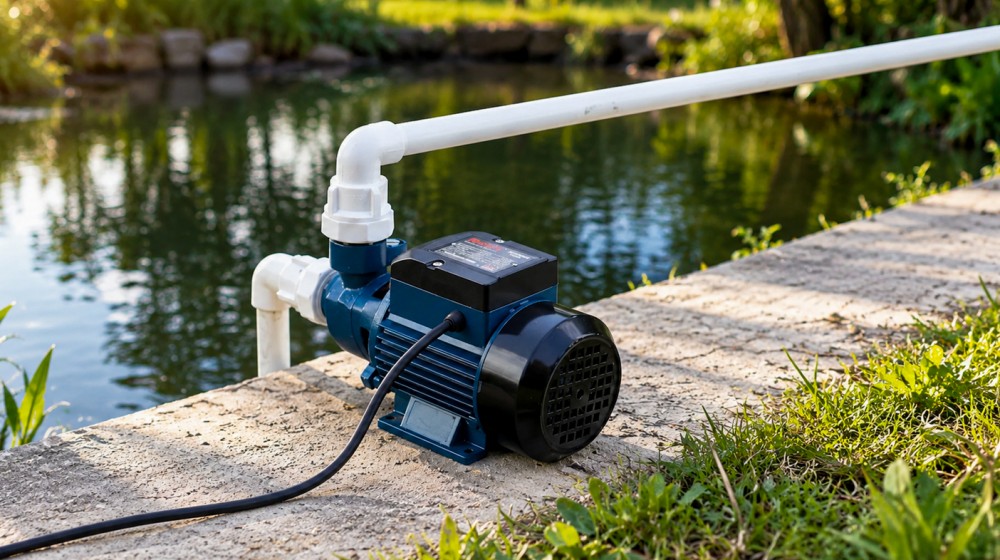
One morning, while watering plants around the house, the water from the hose suddenly flows weaker than usual. Where it used to spray all the way to the vegetable patch by the fence, you now have to walk closer. Checking the centrifugal pump, you find the motor still running with its normal sound, making you wonder if the pump is old or due for a replacement. But after a careful check, the problem might simply be a low water level in the supply tank, a loose suction pipe fitting, or someone else drawing water from the same system at the same time.
In this article, we'll guide you through pre-start check procedures for your Electric Centrifugal Pumps along with simple checkpoints during operation that homeowners can easily understand. This helps you maintain your water system better and clearly describe symptoms to a technician if needed, pinpointing the issue before deciding to repair or replace the centrifugal pump.
Know How Much Water the Job Needs Before Choosing Centrifugal Pump Power
Distinguish Between Flow Rate and Delivery Head
Filling tanks, watering gardens, and supplying water to multistory buildings may require different centrifugal pumps, even when using similar pipe sizes. Key parameters to evaluate together include:
- Flow rate: The volume of water required, such as liters per minute.
- Total system head: The total resistance the pump must overcome, including elevation, terminal pressure, and pipe friction losses.
- Water condition: Clean water, water with sediment, or fluids requiring a specific type of pump.
- Usage pattern: Occasional use, simultaneous multiple outlets, or continuous operation.
Do not treat the maximum flow rate and maximum head on product specifications as the same operating point, because these two values generally occur at different points on the pump performance curve. You must check whether the pump can deliver the required flow at the actual system head. System assessment guidelines from the U.S. Department of Energy likewise emphasize matching water demand with overall pump system performance.
Use Real-World Requirements to Consult with Sellers
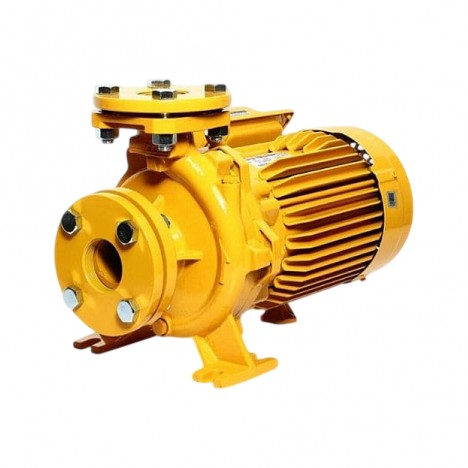
Suppose you need to fill 1,000 liters of water within 20 minutes; the required average flow rate is 50 liters per minute. This number is the starting point for selecting a pump. Then, take the elevation, pipe length, and system fittings into consideration. If you are interested in a clean water centrifugal pump, you should compare your on-site data with the pump curve of each specific model before purchasing. Manufacturers specify that this group of pumps is suitable for clean water without abrasive particles, so you should not choose them to pump sandy water based solely on motor power or pipe size.
Position the centrifugal pump for easy water suction
Measure from the water surface during actual operation
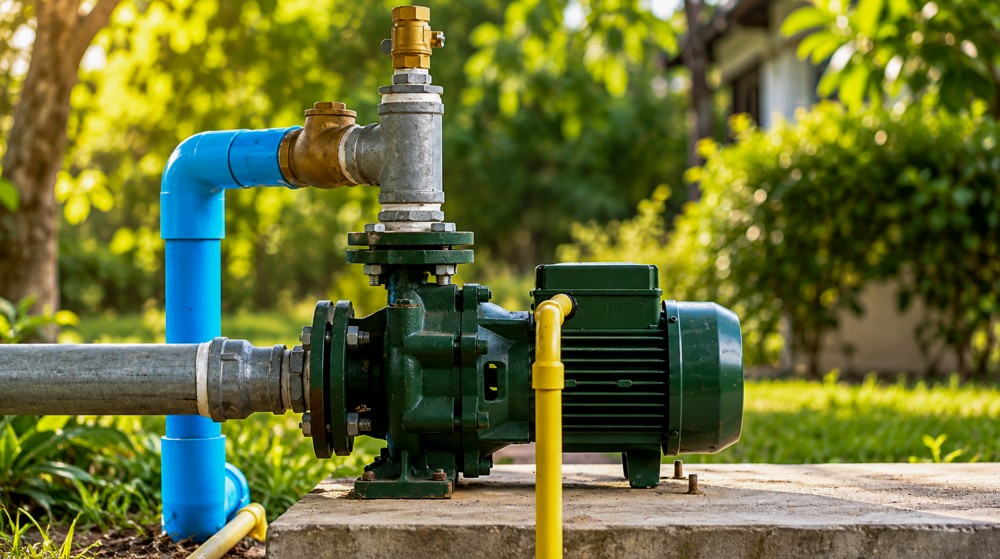
When pumping water from a well or tank below the pump, consider the distance from the water surface to the pump's centerline, allowing for the drop in water level during pumping. An installation point that works when the water is full may have problems when the water level is low. Manufacturer engineering data explains that the theoretical suction lift under reference conditions is approximately 10.33 meters, but this requires a perfect vacuum, which is not practically achievable. The actual working distance is therefore lower, and you must adhere to the specifications of each pump model rather than using theoretical figures as the installation distance.
In practice, choose a location that minimizes the load on the suction side, while allowing sufficient space to access the priming plug, connections, and maintenance areas. If you need to raise the base to prevent flooding, you must also re-evaluate the suction lift.
The suction pipe must be tight and free of air pockets
For suction lift systems, the pipe run should be arranged to slope continuously up toward the pump so air is purged easily, avoiding high and low spots that create air pockets. Fill with water and vent air according to the procedure before starting the pump.
Other items a technician should inspect include pipe size, suitability of the suction hose, joints, and valve positions. Do not fix weak water flow by reducing pipe size or replacing multiple components at once, as this makes it harder to diagnose the original root cause.
Prime with water before starting the centrifugal pump
Standard centrifugal pumps installed above a water source must be properly primed. Even self-priming models still require following the manufacturer's preparation steps and should not be interpreted as ready to run dry immediately. The preparation sequence to follow alongside the model's manual is:
- Disconnect power and lock out the switch to prevent anyone from turning on the machine during inspection
- Check that there is sufficient source water and that the suction-side equipment is in ready condition
- Fill with water and vent air at the points specified in the manual
- Close the priming plug tightly and inspect all connections
- Set the valve positions according to the manual, then start the pump
- Observe the flow; if water does not flow as specified in the startup procedure, stop and check instead of letting the machine continue to spin and wait
Manufacturer manuals state to stop and re-prime if pressure or flow drops or fluctuates during initial startup checks. However, specific valve positions and procedures must adhere to the model in use.
Record baseline values before problems arise with the centrifugal pump
After installation and tuning the system to normal operation, try keeping a short "pump log" near the control point or on your phone, recording the following information:
- Source water level at the time of measurement
- Number of water outlets used simultaneously
- Time taken to fill the same container size
- Pressure gauge reading, if available
- Noise and vibration observed from a safe distance
- Date of latest strainer cleaning or equipment repair
For example, a 20-liter container filled in 24 seconds equates to approximately 50 liters per minute. If it later takes 30 seconds, it drops to about 40 liters per minute, or a 20% decrease. However, measurements must be taken under similar conditions to be comparable.
These figures are calculation examples, not criteria to determine that the pump is broken, but they help turn "feeling like water pressure is low" into data that technicians can further inspect. For contractors, attaching this record upon handover also makes it easier for homeowners to monitor the system.
Troubleshooting no water and weak water flow with step-by-step inspections
Motor running, but no water output
Start by checking the water source, pump priming, and water retention on the suction side. If frequent re-priming is needed after stopping operation, inspect the foot valve and joints instead of accepting it as normal behavior. For centrifugal pumps installed with a suction lift, backflow from a leaking foot valve can cause loss of prime, while suction-side joints may let air in even if no obvious water leaks are visible. Therefore, inspection should cover the entire suction system.
Water flows, but weaker than before
If you are wondering, Why does a centrifugal pump lose pressure after being used for a while? Try reviewing what triggered the symptoms, such as adding more sprinklers, using a longer hose, changing the filter element, or a drop in the well's water level. This information helps prioritize inspections better than immediately replacing the pump. Compare the baseline value with the current condition, resolve one issue at a time, and record the results. If you replace the pipes, valves, and outlets all at once, even if the flow returns to normal, you might not know what caused the problem.
Abnormal noise or increased vibration
A gravel-like sound inside a centrifugal pump may be related to cavitation, but noise alone is not enough for diagnosis; the suction conditions and operating parameters must be evaluated together. If the symptoms are severe, stop the machine and have a technician inspect it. Evaluating NPSH, or the suction head required to avoid cavitation, is a task that should rely on system data and the manufacturer's performance curves.
Organizing the area around the centrifugal pump for easy maintenance
An installation area cluttered with fittings, hoses, and toolboxes makes it harder to detect leaks or access valves. The operating area should be separated from the spare parts storage area, and pipes should have proper support points so they do not transfer weight or torque onto the pump casing.
For indoor equipment storage corners, shelving units are an example specified with steel material, adjustable shelf heights, and a maximum distributed load capacity of up to 20 kg per shelf. Thus, they can be considered for vertical spare parts storage, provided that dimensions and usage conditions are verified before selection.
Preventing shelves from sagging or collapsing requires considering both the product and the storage method together, including:
- Choose load ratings with clearly specified conditions
- Place heavy items at the bottom and distribute weight evenly
- Set on a flat surface; inspect legs and assembly joints
- Use anti-tip devices as specified by the manufacturer
- Stop using warped or damaged shelves
The phrase “high-quality steel” is not proof of certified structural standards. If holding heavy loads, request relevant documentation and do not use general storage shelving as a base for running pumps, as a static load rating does not guarantee vibration resistance.

Select Electric Centrifugal Pumps to suit the application