


 EN
 ไทย


Customers Also Purchased


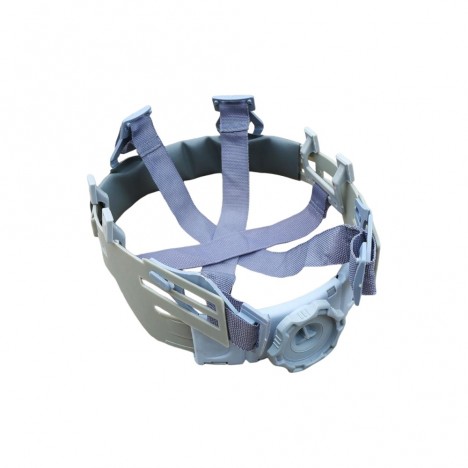
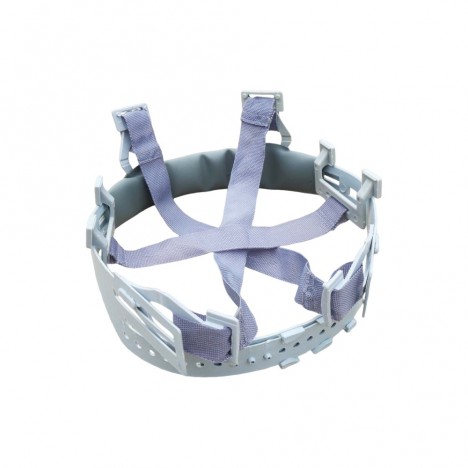


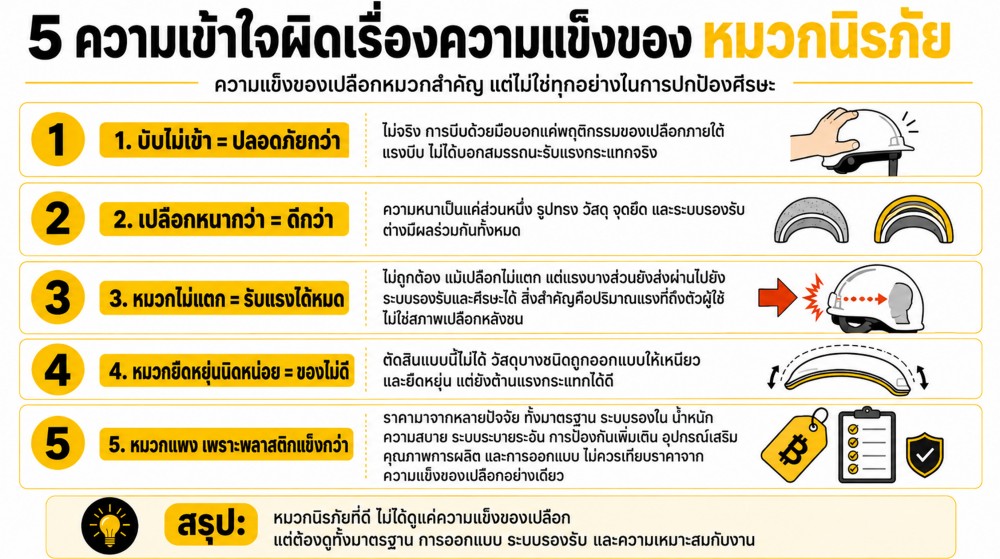
When choosing a safety helmet, many people tend to hold, tap, or squeeze the shell. If one is hard, thick, and doesn't flex when squeezed, they often think it is the safest. It sounds reasonable... because if something falls on our head, we should have the hardest armor to protect it. But in safety engineering, the hardest helmet shell does not always mean the safest!
Because the real goal of a safety helmet isn't just to keep the helmet from cracking, but how to minimize the impact force transmitted to the head. Saving lives doesn't depend on the outer shell alone, but on the shell + suspension harness + impact absorption clearance + helmet geometry working together as a system!
Why do we feel that the harder the safety helmet, the better?
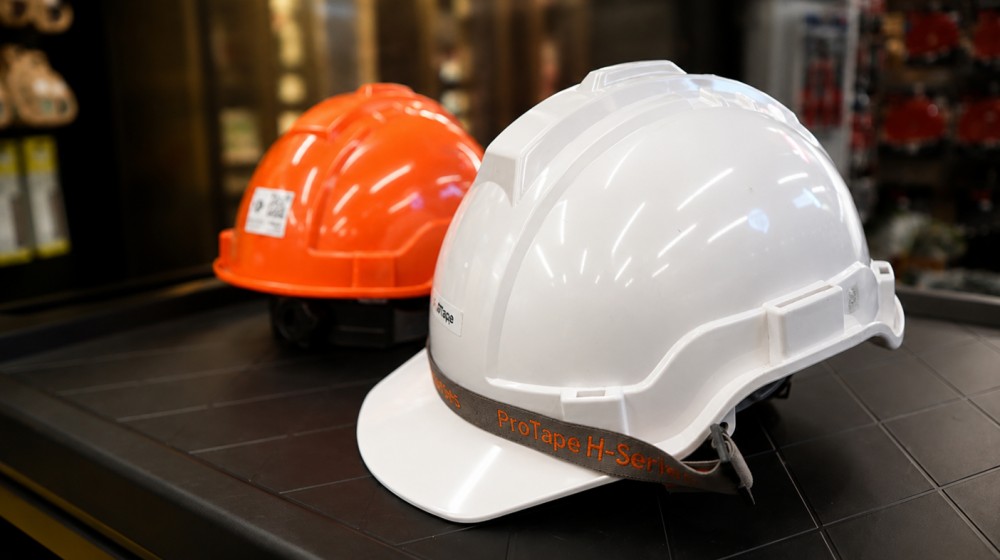
Try comparing Safety Helmet 2 helmets: the first is rock-hard and doesn't compress at all, while the other has a bit of flexibility. Most people would choose the harder one because they think Hard = Strong = Safe.
Which is only half right! A strong helmet shell is necessary for resisting sharp object penetration and helping distribute the impact force around the perimeter (according to OSHA standards). But the question is... would making the shell as hard as possible be better?
The answer is: absolutely not, because the danger of an impact isn't measured solely by whether the safety helmet cracks, but by the "impact energy transmitted to our head"!
What a safety helmet must do is not merely take the hit from a falling object in place of our head
When an object falls onto a safety helmet, the impact energy doesn't simply vanish. It gets distributed and transformed in various ways—whether by the shell flexing, the suspension harness stretching, internal materials deforming to absorb the blow, or turning into sound and heat... The primary goal of a good safety helmet is to minimize the remaining force that reaches our head!
Therefore, it's not a contest over whose shell is "so hard it refuses to yield," because sometimes, controlled deformation is a crucial mechanism for absorbing impact energy.
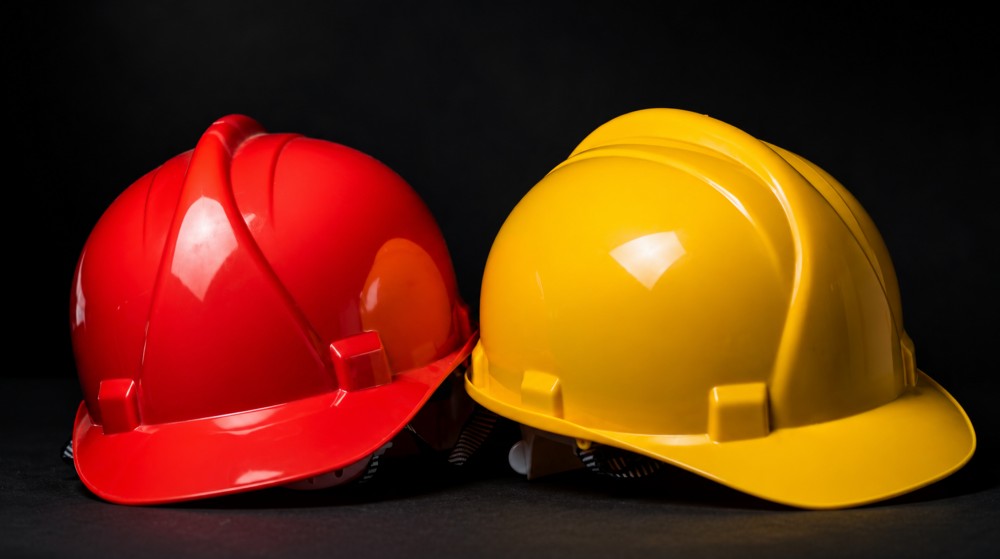
A safety helmet is actually a system, not just a plastic shell
- The shell, which resists sharp objects and helps distribute impact from a single point across a wider area... but true safety is actually hidden "inside"! If you look underneath, you will find that a safety helmet works as a system alongside 2 other crucial components:
- Suspension System: It's not just there for comfort! Data from NIOSH indicates that this multi-point strapping system acts to decelerate and absorb impact energy. Imagine placing plastic directly against your head and tapping it, compared to suspending plastic above your head and tapping it... the impact on your head is vastly different!
- Clearance Zone: The clearance between your head and the helmet shell is not there to be cumbersome. OSHA clearly states that this space is specifically designed to absorb impacts. Stuffing thick fabric hats inside or modifying the suspension straps yourself effectively reduces this safety clearance and instantly compromises the energy absorption system!
What is the function of safety helmet stiffness?
At this point, don't misunderstand and think, "In that case, a soft helmet should work just fine!" The stiffness of the helmet shell is still absolutely essential; it's just not the only factor.
- Hit by falling sharp objects (such as the tip of a wrench): The helmet shell must be rigid enough to prevent sharp objects from penetrating through to the head.
- Hit by broad, heavy falling objects: Even if it doesn't penetrate, enormous compressive force remains. The internal shock absorption system must step in to distribute and absorb the energy, preventing head trauma.
In conclusion, a good safety helmet doesn't just choose to do one thing; it must simultaneously deliver "penetration resistance + force distribution + impact energy dissipation"!
Why is the safety helmet suspension system so important?
Many people are willing to pay top dollar for a well-known brand helmet with a thick, sleek shell... but when the internal suspension straps become loose, frayed, or the anchor points wear out, they think, "It's still usable because the shell isn't cracked."
This is a very dangerous mindset! The suspension system is the primary link between the helmet shell and your head, functioning directly to absorb and distribute impact forces. No matter how good the helmet shell is, if the internal straps are stretched, attachment points cracked, or modified, that helmet will not effectively absorb impact forces when an accident occurs.
This is why OSHA standards recommend regularly inspecting the condition of both the outer shell and the suspension harness. If any part shows damage, replace it immediately—don't just check whether the helmet has cracks!
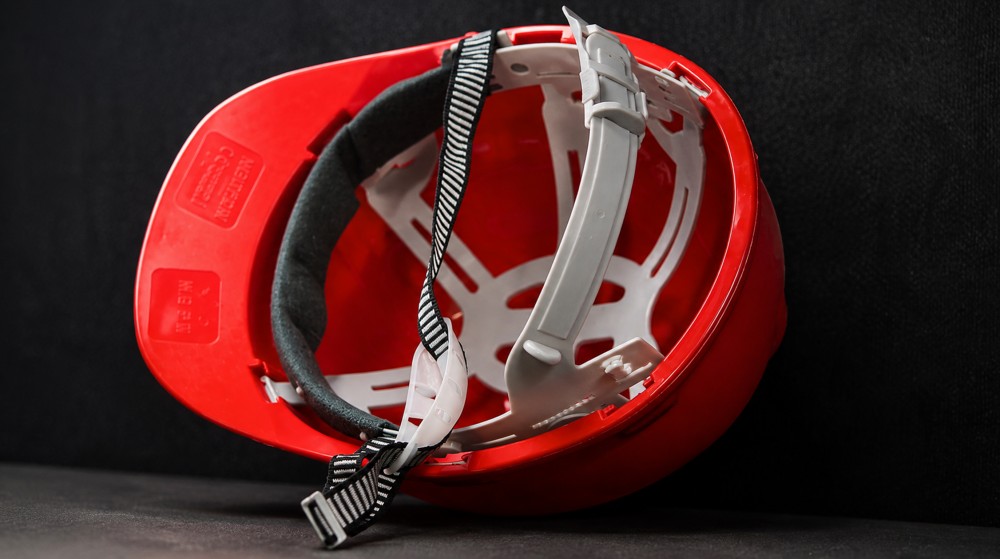
ABS vs. HDPE safety helmets: Which is stiffer, and which is safer?
When shopping for a safety helmet, we often see material names like ABS or HDPE and wonder, "Which one is stiffer? Which one is better?" It is true that the type of material affects stiffness, flexibility, and heat resistance... but just knowing the plastic type does not tell you which helmet is safer!
Even with the same material, different helmets vary drastically in thickness, geometry, structural reinforcing ribs, suspension attachment points, and impact absorption across different directions. Therefore, instead of asking ABS vs. HDPE safety helmet materials: How to choose the most cost-effective option? The proper and far more important question is, "What safety standards does this helmet meet, and does it cover the specific risks at our jobsite?"
Choosing a safety helmet: Don't start by looking for the hardest one
- What hazards exist on site? — Falling objects from above, lateral impacts, working at height, proximity to electricity, high heat, or chemicals—because not all helmets protect against every hazard equally.
- What standards does it meet? — Check the label for certifications such as TIS, ANSI/ISEA, EN, or applicable market standards. Don't rely solely on advertising claims like "ultra-hard" or "thick plastic."
- Which direction does it protect against impacts? — Helmets designed for top impacts and those covering lateral impacts have different structures. If the hazard doesn't come solely from above, this point is critical.
- How is the suspension system? — Check the number of anchor points, the snugness, part quality, and adjustability. The helmet should sit securely on your head without causing painful pressure.
- Does it fit properly? — Try bending down, looking up, and moving your head. The helmet should not slide or fall off easily.
- What accessories need to be used with it? — Such as earmuffs, face shields, safety glasses, headlamps, and chin straps. They must be specified by the manufacturer as compatible with that helmet model. Never modify them in ways that compromise safety (OSHA states that accessories should not decrease the safety performance of the helmet).
Conclusion
- The truth is: a hard shell is meant to prevent penetration, but real safety lies in the internal impact-absorption system.
- The goal is not an unbreakable helmet, but to ensure the wearer's head stays safe.
- The question to stop asking: "Which safety helmet is harder?"
- The question to start asking: "What standard does this safety helmet meet, and does it match our job hazards?"
Select Safety Helmet to suit the application