


 EN
 ไทย


Customers Also Purchased

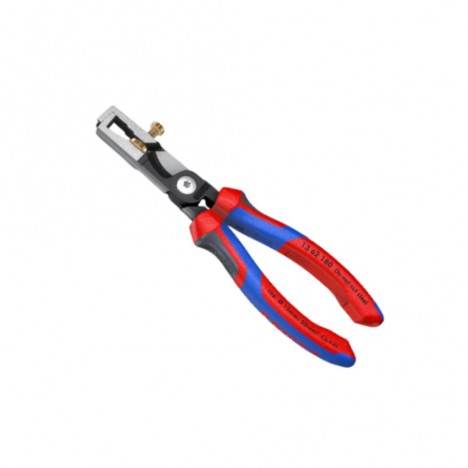

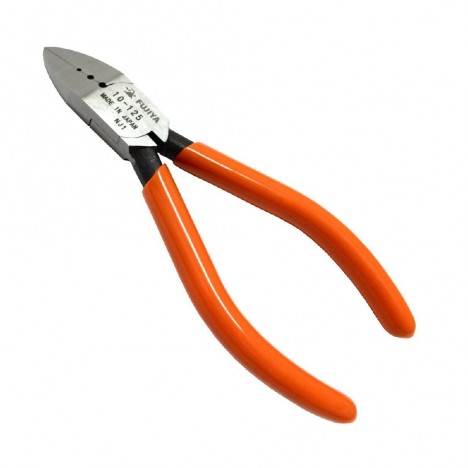
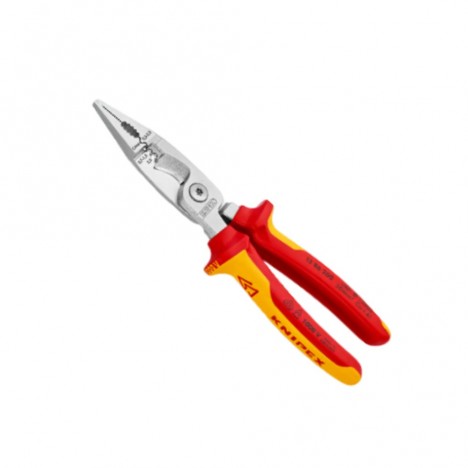
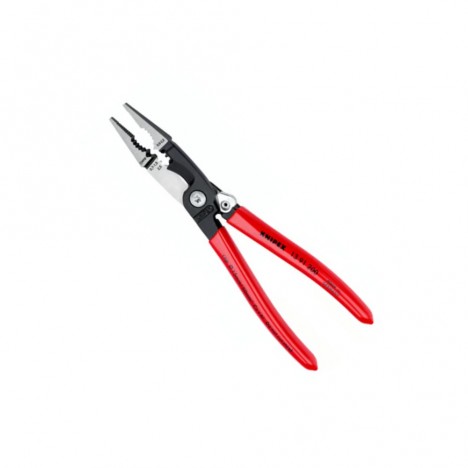
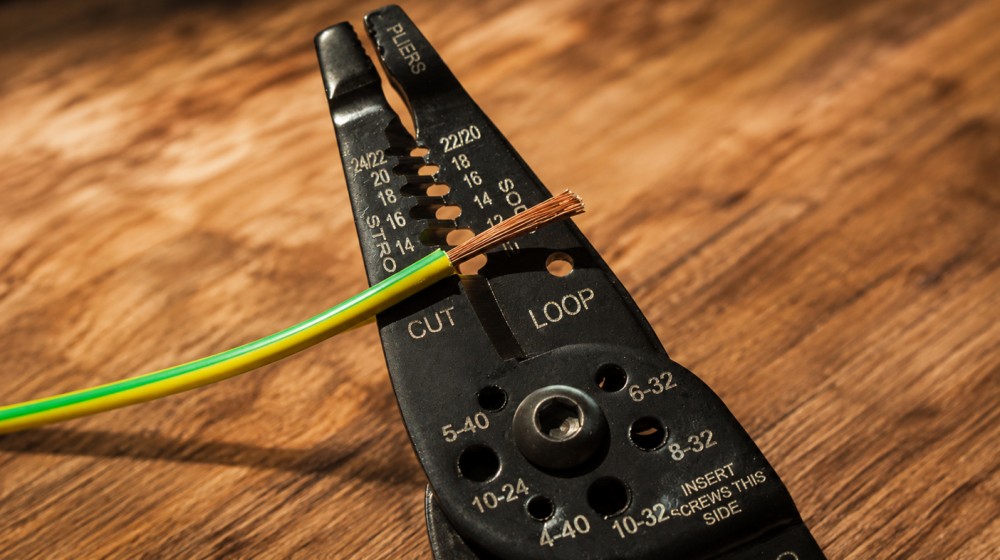
Many people think that simply matching the slot to the wire size (e.g., 1.5 sq.mm. → 1.5 slot) should make stripping effortless. But in actual use, wire stripper issues arise: squeezing fully yet the insulation doesn't sever, having to squeeze multiple times, pulling away only to have the insulation stretch rather than cut, or applying extra force to cut the insulation only to nick and pull out copper strands.
The answer is that wire size is only one factor. The tool doesn't just deal with the copper size, but also has to handle insulation of varying thickness, hardness, and material. In addition, the condition of the tool, wire positioning, squeeze angle, and hand pressure all play a part. Therefore, if you face this issue, don't immediately conclude that the wire stripper is broken or incorrectly chosen—let's examine each possible cause.
First, you need to understand: what does choosing the "correct size" wire stripper really mean?
Wire Strippers Sized-notch strippers usually show markings like 0.5, 0.75, 1.0, 1.5, 2.5, 4.0 mm² or AWG (10, 12, 14, 16, 18, 20). Many assume that if a wire is labeled 1.5 mm² and the stripper has a matching 1.5 mm² notch, it should strip cleanly every time.
In reality, two 1.5 mm² wires can have completely different outer diameters. The 1.5 mm² rating indicates only the cross-sectional area of the inner conductor, not the overall size of the entire wire. Insulation can vary in both thickness and hardness—one wire may have thin insulation while another has thick or much harder insulation.
Even if the copper size matches, what the blades actually cut is the "insulation," which can differ significantly. This is where the most common problems begin.
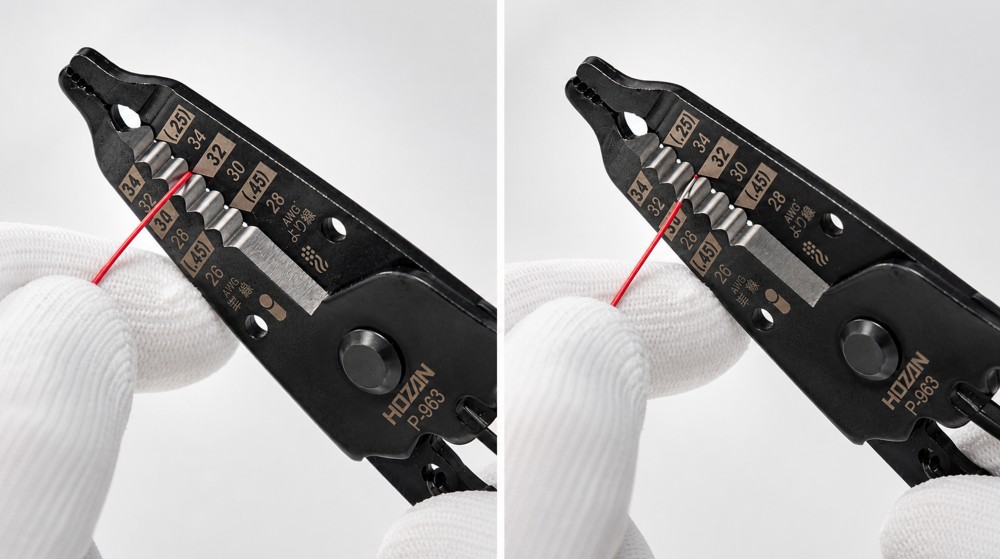
Reasons Wire Strippers Fail to Cut Wire Cleanly Even When the Correct Size Is Selected
- Insulation thicker than the wire stripper was designed for: Copper sizes may be identical, but insulation thicknesses vary. If the insulation is too thick, the blades might not cut deep enough, leaving the insulation stuck or only cut halfway around when pulled.
- Insulation harder than usual: Hard or tough insulation prevents blades from slicing deep enough. Squeezing harder risks the blades penetrating into the conductor, notching or severing the copper.
- Insulation too soft: Highly elastic insulation may squish or stretch instead of severing cleanly, making it feel as if the wire stripper cannot grip it.
- Stranded wire instead of solid core: Stranded wire is more flexible and deforms easily under pressure. If a wire stripper is designed for solid core, it may fail to cut through the insulation or end up severing some of the wire strands.
- Confusing AWG with mm²: The two systems scale inversely (smaller AWG numbers mean larger sizes). Misreading the unit immediately leads to picking the wrong notch size.
- Dull blades: Noticeable when you have to squeeze repeatedly, use extra force, or when the stripped insulation edges are jagged across all types of wire.
- Buildup on blades: Bits of insulation, dust, or oil accumulated on the cutting edges prevent them from reaching full cutting depth.
- Wire stripper was previously misused: Using it to cut hard materials or metal wire can deform the cutting edges without you realizing it.
- Improper wire positioning: Crooked wire or not seating it fully into the notch causes uneven cutting around the insulation circumference.
- Incomplete squeeze: Not squeezing through the full stroke prevents the blades from cutting entirely through the insulation.
- Stripping length set too long (automatic strippers): A longer strip length increases friction; the insulation may be cut all around but still cannot be pulled off completely.
- Improper tension setting on automatic mechanism: Too loose = fails to cut through / Too tight = damages conductor. Always test on scrap wire whenever changing wire types.
- Slipping automatic wire clamp: Slippery insulation, oil, or worn gripping pads cause the wire to slip during pulling.
- Wire temperature impact: Certain insulation types harden when cold and soften when warm (do not attempt to heat wires yourself in a risky manner).
Do not repeatedly strip the same spot without inspecting the wire
"When a wire won't strip, many people immediately squeeze repeatedly in the same spot, over and over until the insulation comes off. However, this is risky—especially with stranded wire—because the blades can gradually bite into the conductor. Sometimes the insulation pulls off neatly, but tiny copper strands are pulled away with it unnoticed. If you just discard the scrap insulation, you might never realize that some conductor strands were severed... So in summary: How Important Is Wire Size (AWG / sq.mm) When Choosing Wire Strippers?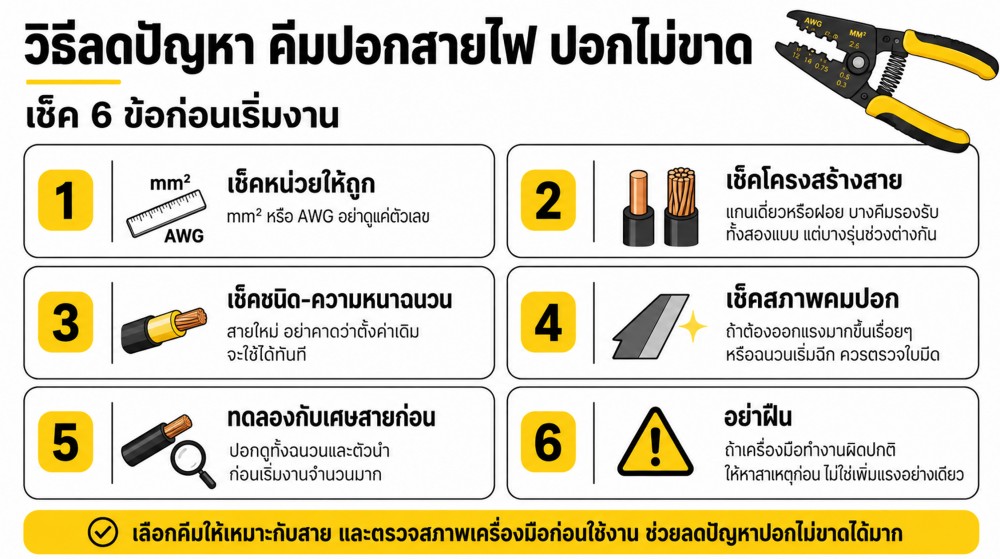
Safety Comes First When Using Wire Strippers
Before using wire strippers on electrical systems, always ensure that the circuit is disconnected from the power source and is in a safe condition before working. Do not assume that because the pliers have plastic-insulated handles, they can be used to strip live wires.
Standard handles and certified tools for electrical work are entirely different matters. Even with tools that meet specific safety standards, you must still use them in accordance with regulations and proper safety practices. For general users, if you are unsure about the circuit or disconnecting the power supply, you should have a qualified electrician handle the task.
Conclusion
Choosing the right gauge doesn't always guarantee a clean strip because the markings on the pliers only indicate the conductor size. What actually needs to be cut is the insulation, which varies in thickness, hardness, and flexibility. There are also other factors such as wire type, blade sharpness, residue buildup, wire placement, and squeezing force. If the gauge matches but it still won't strip through, don't just squeeze harder. Stop and check first: what kind of marks are on the insulation, what type of wire it is, whether the blades are still sharp, and whether the pliers genuinely support this type of wire.
Because the true goal is for the insulation to come off cleanly without damaging the conductor, not just "getting it stripped" — if the conductor is nicked or broken, it is not considered properly stripped. Next time the gauge matches but the wire won't strip, don't rush to blame the pliers. Often, the issue lies in the small details that get overlooked.
Select Wire Strippers to suit the application