


 EN
 ไทย


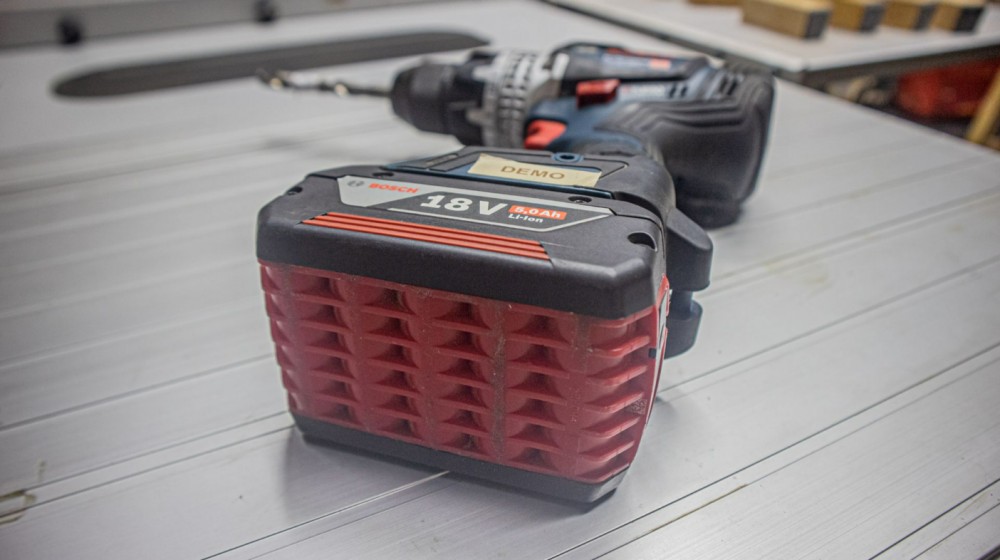
Customers Also Purchased
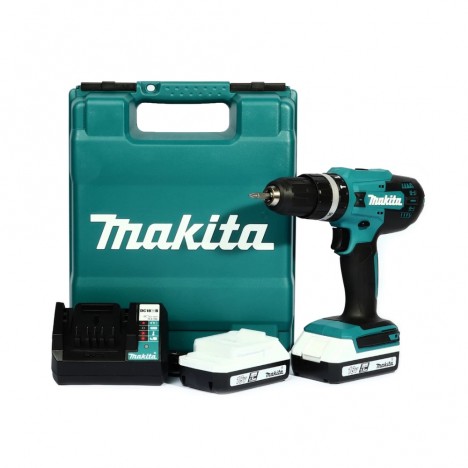
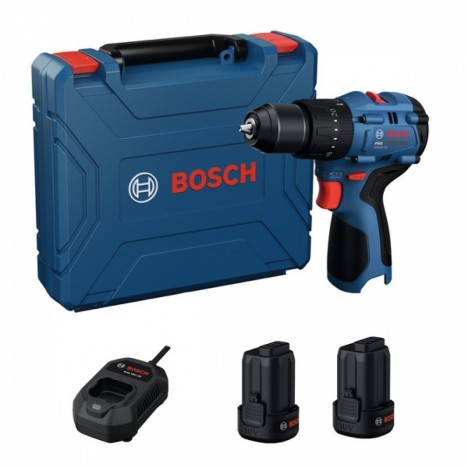


When talking about Cordless drill We might think of the tool itself first, such as: is it powerful, does it have high RPM, does it have an impact mode, is it lightweight, does the chuck grip tightly, and which brand is best to use?
Buying your first cordless drill: what do you need to know? Looking at today's power tool market, one concept is becoming increasingly clear: choosing a cordless drill is no longer just about 'choosing the tool,' but has become about choosing a 'battery platform' at the same time. A single battery can be shared across multiple types of cordless tools within the same brand, such as impact drivers, angle grinders, power saws, blowers, vacuums, flashlights, fans, and even gardening tools.
If the question is: Is it true that modern cordless drills focus more on the battery platform than the tool itself? The answer is "True to a certain extent," yes, but that doesn't mean the tool itself isn't important, because a cordless drill still needs specifications and functions suited to the job. However, in an era where cordless tools are evolving rapidly, batteries and brand ecosystems have become factors that impact long-term value more than ever.
Cordless drills have shifted from 'buying a single tool' to 'choosing an entire system'
In the past, if you needed to drill walls, drill wood, or drive screws, you would choose a corded drill, or a cordless drill if budget allowed, with appropriate power, a reasonable price, and complete kit accessories like batteries, a charger, and a carrying case. After extended use, if the tool broke or the battery degraded, you simply looked for a replacement or bought a new model. The purchasing decision was isolated—one tool was just one tool, not closely connected to other tools.
Many people probably already know that today, several power tool brands have developed battery platforms that can be shared across various tools, such as:
- 12V for light-duty and installation work
- 18V or 20V for general maintenance work, technician tasks, and job sites
- Higher-voltage platforms like 36V or 40V that handle heavier-duty work
Once you already have a battery and charger, buying your next cordless tool as a “tool only (no battery)” option helps save costs by avoiding unnecessary duplicate battery purchases.
The battery platform carries more weight when choosing a cordless drill. Choosing a platform compatible with various tool types, offering extensive expansion options, and providing easy access to batteries and spare parts makes the investment more cost-effective in the long run.
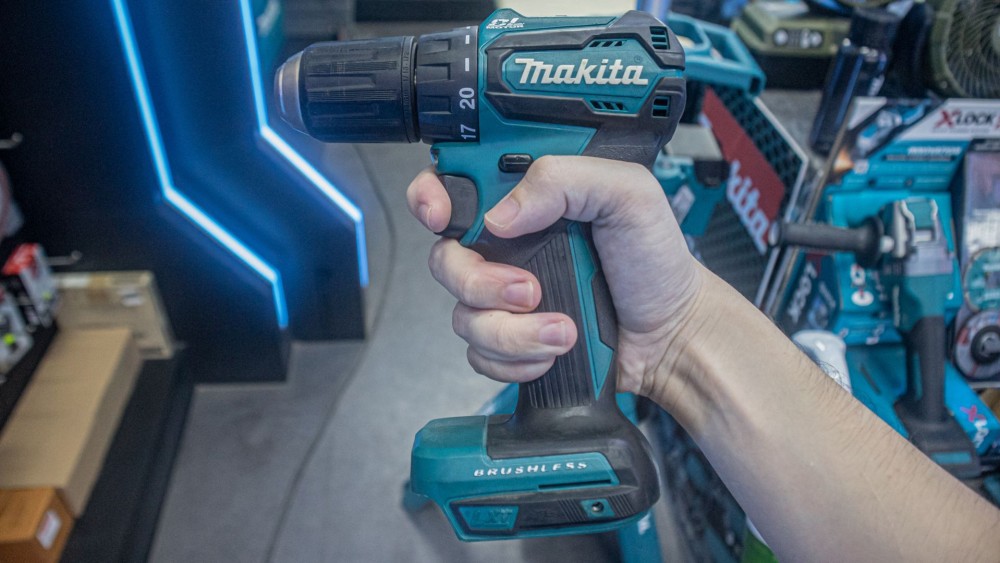
What is a battery platform from a general user's perspective?
Simply put, a platform is a brand's battery system designed to be shared across multiple tool models. For example, if you have an 18V cordless drill with a battery and charger, and later want to buy a cordless impact driver or cordless angle grinder, you can choose tools from the same platform and share the existing battery without buying a new battery and charger every time.
Voltage numbers indicate usage guidelines, but they don't tell the whole story
Can you choose a cordless drill by its battery? What's the difference between 12V, 18V, and 20V? Many people assume that choosing a cordless drill simply means aiming for the highest voltage—such as 18V always being better than 12V, or 40V always better than 18V. In reality, the voltage number is only part of the decision.
- A 12V platform may be ideal for furniture assembly, screwdriving, drilling small holes, repairs in tight spaces, and tasks requiring prolonged handling, as the tools are compact, lightweight, and easy to control.
- An 18V or 20V platform is often the sweet spot for general technician work, providing sufficient power for drilling wood, thin metal, driving medium-sized screws, and delivering solid continuous run time.
- Higher-voltage platforms are best suited for heavy-duty tasks, job sites, construction work, or applications requiring performance closer to corded tools.
Does the cordless drill itself still matter?
The cordless drill body remains an essential part of the work experience No matter how good a brand's battery system is, if the tool itself is not suited for the job, feels uncomfortable to hold, or lacks sufficient torque, work will slow down and the tool won't be worth the investment. Key factors to consider in a cordless drill include maximum torque, RPM, speed adjustment settings, number of gears, drilling/screwdriving/hammer modes, chuck size, weight, ergonomic grip, LED lighting, and safety protection systems.
Why is torque important when selecting and using a cordless drill? For a simple example: if you occasionally need to drill into concrete walls, choose a model with hammer mode, as a standard drill may struggle or overheat. But if your main tasks are driving screws, assembling furniture, or drilling wood, hammer mode may be less important than tool weight, speed control, and a more precise torque clutch. That's why the tool itself is still crucial—it must simply be evaluated alongside the battery system rather than separately.
A good battery helps maximize the tool's performance
Another often-overlooked factor is that the same cordless drill model can feel completely different depending on the battery size used. Lower-capacity batteries are lightweight, making them ideal for tasks requiring agility, such as overhead work, repetitive screwdriving, or tight spaces. High-capacity batteries provide longer run time and, on some platforms, deliver better power output for high-draw tools, though at the expense of added weight.
For a cordless drill, choosing a battery isn't just about runtime hours; it's about balancing weight and power. Some users buy large batteries thinking they offer better value, only to find the tool heavy, awkward to hold, and tiring to use—especially for screwdriving or installation tasks that require holding the tool all day.
A smaller battery may be light and agile, but using a cordless drill for continuous drilling or heavy-duty work can drain it too quickly.
Having multiple battery sizes on the same platform is therefore an advantage, as you can select the right one for each task and share them with other tools beyond just cordless drills.
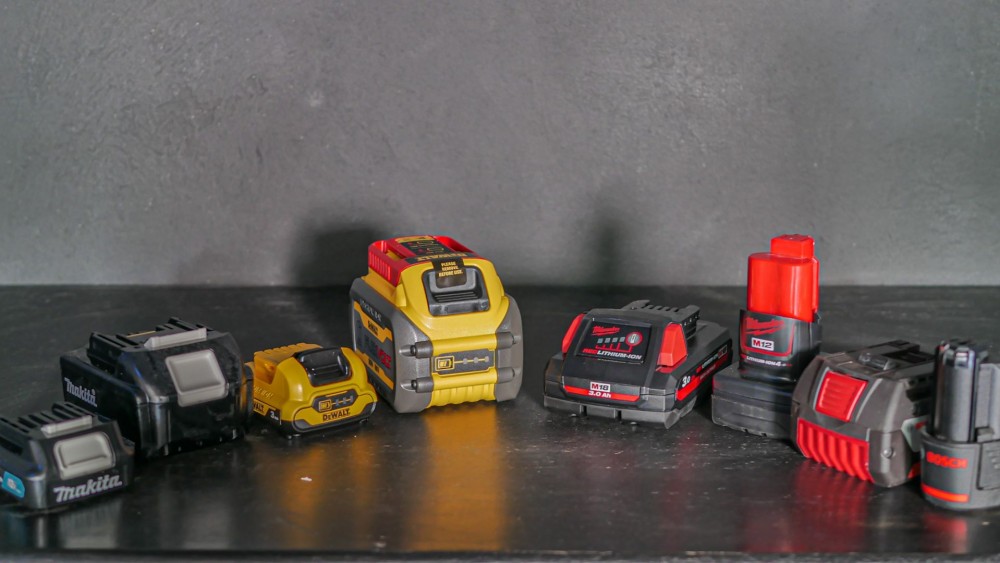
Batteries: A Key Selling Point for Modern Power Tools
One of the common problems for people who own cordless tools or cordless drills from multiple brands is that their homes end up full of batteries and chargers. A drill from one brand uses one type of battery, while another brand uses a different one. When you buy a grinder, it uses yet another type. In actual use, you have to remember which battery goes with which tool, and which charger plugs into what. And when a battery degrades, you have to find and buy that specific model, which is much more troublesome than you might think—especially on job sites where speed is essential.
Battery platforms help reduce this problem because users can organize their tool systems to share batteries more effectively—such as having 2–4 batteries and 1–2 chargers that can power multiple types of tools. This makes storage easier, improves portability, and reduces confusion during work. Especially for professional tradespeople who have to haul tools to job sites every day, minimizing unnecessary chargers and batteries is crucial.
Easier to Add More Tools Without Starting from Scratch Every Time
When you choose the right battery platform, buying additional tools in the future becomes much easier. For example, you might start with a cordless drill kit, then later need an impact driver for driving long screws or bolts, followed by wanting a cordless grinder for trimming small pieces of steel or a reciprocating saw for demolition work. If all tools share the same platform, you can simply purchase the tool only (no battery). This lowers the cost per tool and makes expanding your tool collection feel much more accessible.
From the brand's perspective, once a user enters a particular brand's battery ecosystem, there is a high chance they will buy their next tool from the same brand to share batteries. Therefore, choosing your first cordless drill can influence your choice of many future tools, rather than being just a one-time purchase.
How to Choose a Cordless Drill by Looking at the Battery?
A good cordless drill is the one that best suits your work—comfortable to hold, neither too heavy nor underpowered, and expandable to other tools in the future. Therefore, choosing based on your primary tasks will help prevent you from getting misled by spec sheet numbers alone.
Check How Many Tools the Cordless Drill Platform Can Expand To
Looking at the long term, check how extensively the chosen battery platform allows you to expand your lineup—for example, whether it offers impact drivers, cordless grinders, cordless saws, garden tools, or specialized tools that you might need in the future.
Check Battery Prices and Availability
Another factor to consider is the price and availability of batteries, as batteries are long-term consumables. Even though they can last for years, heavy use, frequent charging, or typical storage conditions can lead to degradation over their service life. A platform with readily available batteries, multiple capacity options, and clearly supported chargers will give you greater confidence for continuous operation.
Some people choose a cordless drill because the starter kit is very cheap, but once the battery degrades or they need extra batteries, they may discover that replacements are expensive, hard to find, or limited in options—reducing the overall cost-effectiveness.
Evaluating the price of a cordless drill shouldn't be about looking only at the tool's upfront cost; you should also consider the prices of spare batteries, chargers, and other tools within the same system.
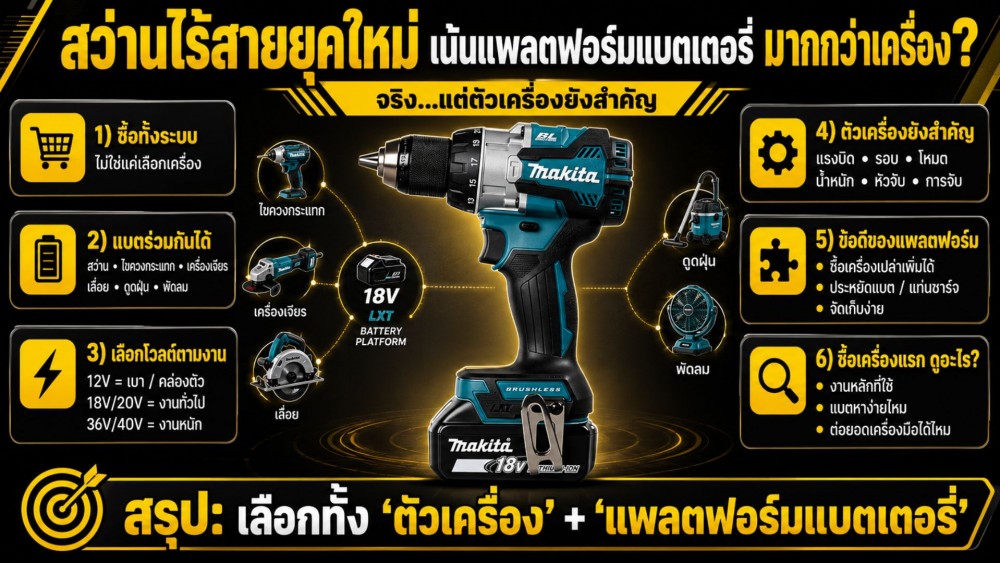
Conclusion
If you ask whether modern cordless drills truly emphasize the battery platform more than the tool itself, the answer is yes. However, it must be properly understood: this does not mean the tool itself is no longer important. A good cordless drill should have both a tool well-suited to the job and a battery platform that delivers long-term value.
Focusing solely on the tool might get you a powerful, well-priced, or attractive model, but if the battery platform does not meet your needs, you may face more limitations than expected when adding tools or replacing batteries later on. Choosing a solid battery platform from the start makes expanding your tool setup easier, saves money on batteries and chargers, reduces storage hassles, and makes your entire cordless tool system much more flexible to use.
For those starting out with Cordless drill as their first tool, planning ahead is extremely important, because a single drill can be the starting point for an entire cordless tool collection.