


 EN
 ไทย


Customers Also Purchased
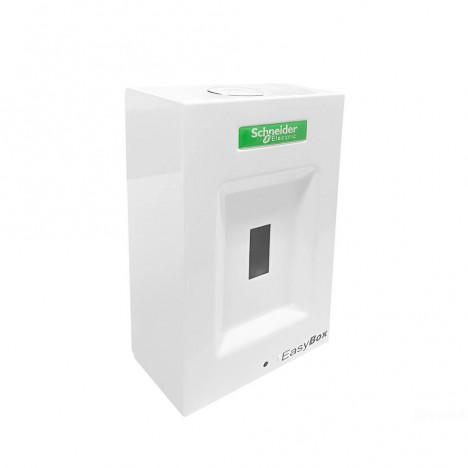
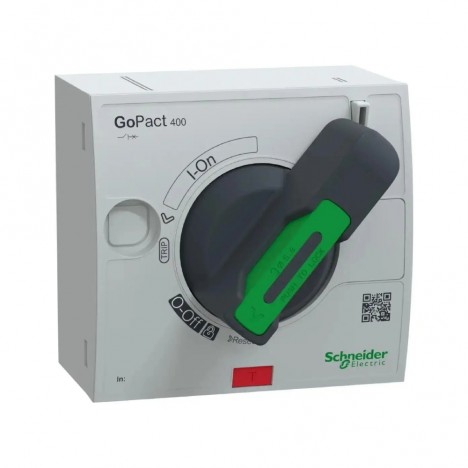
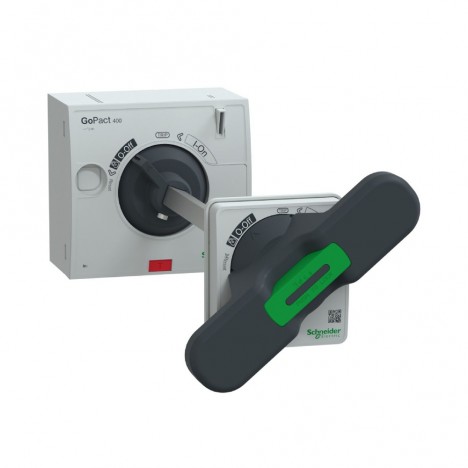
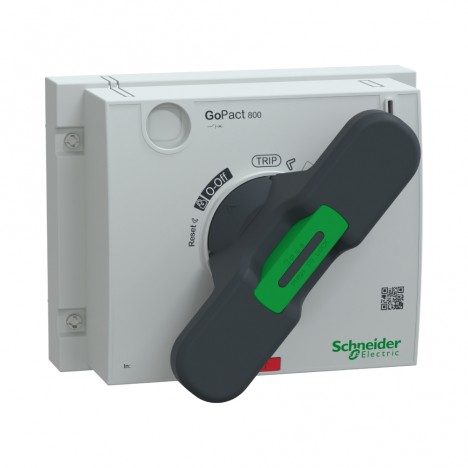
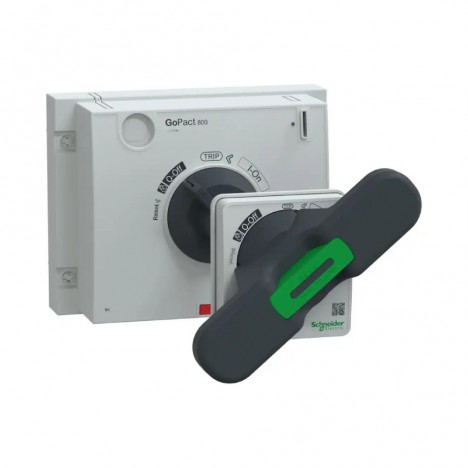
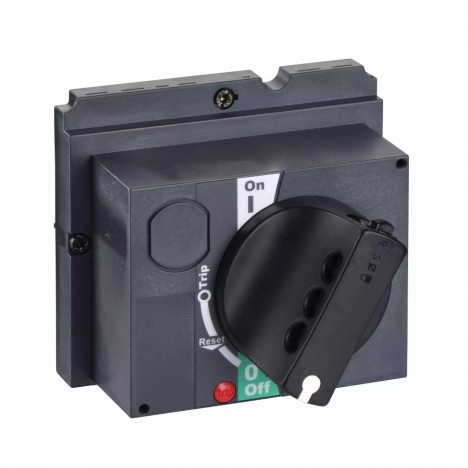
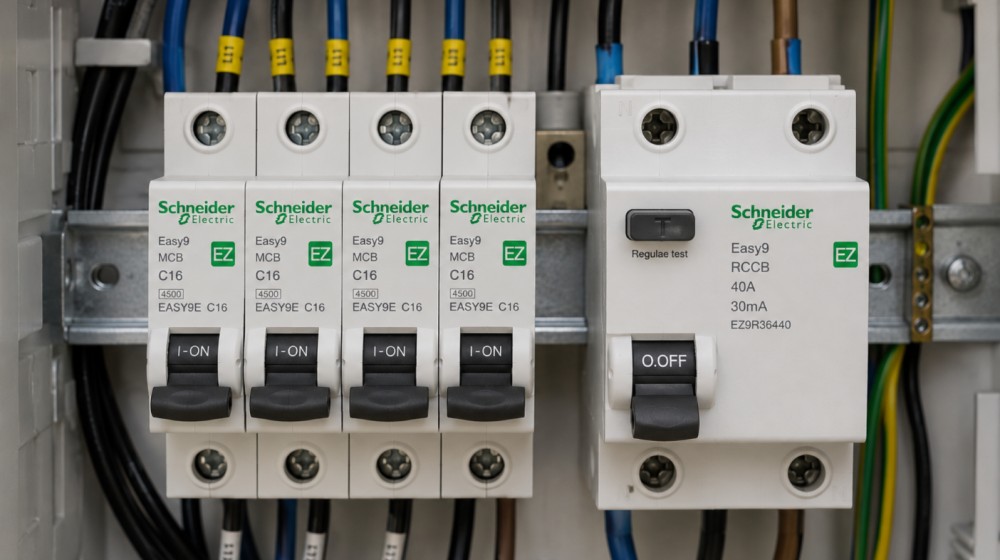
When choosing electrical equipment for the home, many people are familiar with the term "breaker" or "circuit breaker" Because it's a device found in almost every household electrical panel, responsible for cutting off the circuit when an abnormality occurs, such as an overload or a short circuit. But when it comes to areas involving water, moisture, or appliances prone to electrical leakage—such as water heaters, washing machines, water pumps, or outdoor outlets—another term frequently comes up: "RCD breaker" (residual-current device breaker).
The question is: what is an RCD breaker, how does it differ from a standard circuit breaker, and if your home already has standard breakers, is it still necessary to install an RCD breaker? This is important to know because the two devices do not serve the exact same function.
What is an earth leakage circuit breaker?
An earth leakage circuit breaker (residual current circuit breaker) is the common term used for residual current protection devices, which detect electric current leaking from a circuit into unintended paths, such as through the metal casing of electrical appliances, into the ground, or, most dangerously, through the human body.
The working principle of this type of device is monitoring the current flowing out and returning back. If the current on both sides is not equal, it indicates that some current may be leaking outside the circuit. The device then trips rapidly to reduce the risk of electric shocks and electrical leakage.
In the market, this group of devices may be referred to by several names, such as:
- Residual current circuit breaker (RCCB/ELCB)
- Residual current breaker
- Residual current device
- RCD
- RCCB
- RCBO
- ELCB or ELB, terms that many people still commonly use.
However, to be more precise, RCD is a broad term for residual current protection devices, while RCCBs and RCBOs are commonly found in typical home and building electrical systems.
What is a standard circuit breaker?
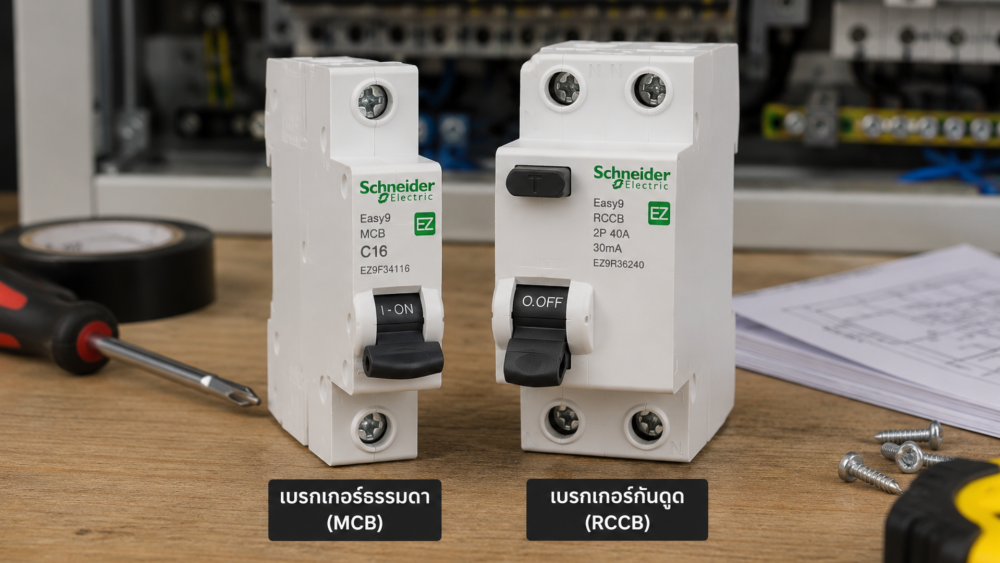
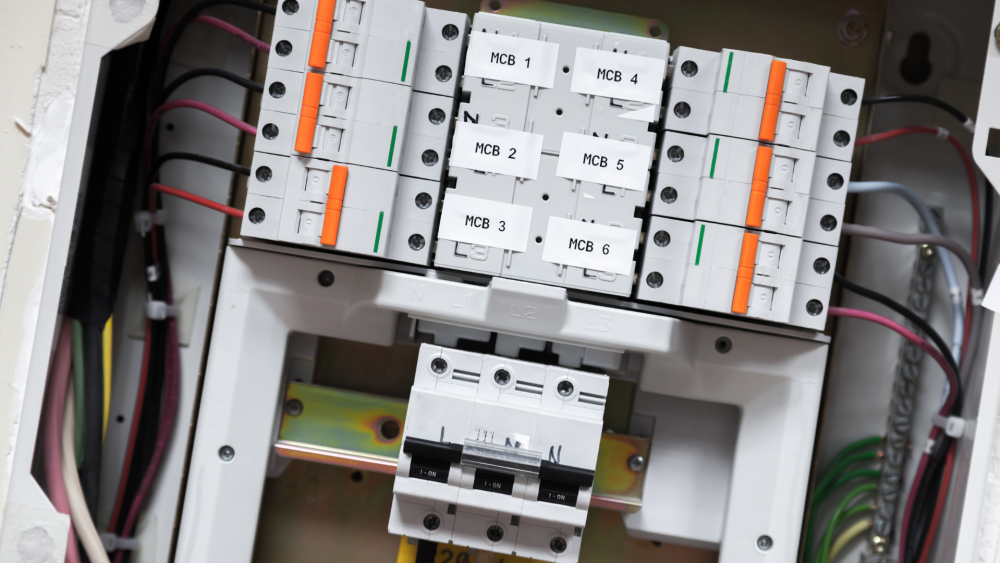
A standard circuit breaker is a device used to interrupt an electrical circuit when abnormally high current occurs. In typical households, it is commonly found as an MCB or Miniature Circuit Breaker.
The main function of a standard circuit breaker is to protect against overcurrent and short circuits, such as when using multiple electrical appliances on a single circuit leading to overloading, wiring unable to handle the current, or wire short-circuits causing abnormally high current.
To put it simply, a standard circuit breaker protects circuits and wiring from damage caused by excessive current, but it is not designed to detect small leakage currents that could be hazardous to humans. Therefore, a home with standard circuit breakers does not necessarily have complete electric shock protection at every point.
How does an earth leakage breaker differ from a standard circuit breaker?
The key difference lies in "what the device detects".
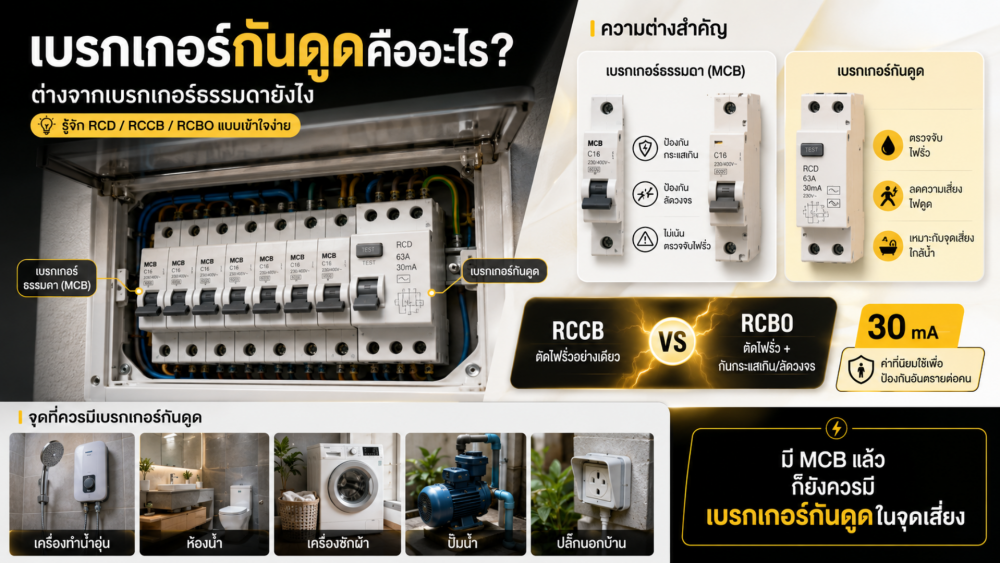
A standard circuit breaker detects overcurrent and short circuits, such as current exceeding the circuit's capacity or wire short circuits resulting in a current surge. Meanwhile, an earth leakage breaker detects leakage current, such as leakage from electrical appliances, leakage to the ground, leakage through metal casings, or leakage through the human body.
For example, if a wire short-circuits causing extremely high current, a standard circuit breaker should trip. However, if only a small amount of current leaks through a person's body, the current may not be high enough for a standard breaker to trip. In this case, an earth leakage device or breaker provides far better protection. Thus, an earth leakage breaker does not directly replace a standard circuit breaker; rather, it is a complementary device that adds an extra layer of protection, specifically against electrical leakage and electric shocks.
What is the difference between RCCB and RCBO?
When discussing earth leakage circuit breakers, many people often encounter the terms RCCB and RCBO, which may look similar but do not share identical functions.
RCCB
An RCCB is a dedicated residual current protection device designed to detect leakage current and trip the circuit upon finding abnormalities. However, it typically does not protect against overcurrent or short circuits on its own. Therefore, using an RCCB usually requires pairing it with a standard circuit breaker, such as an MCB, to properly protect the circuit against leakage, overcurrent, and short circuits.
RCBO
An RCBO is a device that combines the functions of an RCD and a circuit breaker in a single unit. It cuts off the circuit when an earth leakage occurs and also protects against overcurrent or short circuits. Therefore, an RCBO is ideal for specific dedicated circuits that require high safety, such as water heaters, bathroom outlets, outdoor outlets, washing machines, water pumps, or circuits where you don't want a localized issue to trip power to the entire house.
So what is an ELCB, and can it still be used as a term?
The term ELCB or ELB is still commonly used by many people to refer to earth leakage circuit breakers or residual current devices, especially in the context of water heaters. However, for an accurate article, it should be explained as a colloquial term widely used by the general public.
In modern electrical practice, for clear communication, the terms RCD, RCCB, or RCBO should be used according to the type of device, as these terms describe their functions more precisely. For example, an RCCB focuses on earth leakage tripping, whereas an RCBO combines both earth leakage tripping and overcurrent protection in one device.
If you already have a circuit breaker, do you still need an earth leakage circuit breaker?
For a typical house, the answer is yes, at high-risk points, especially in areas involving water, moisture, or electrical appliances that people touch directly. The reason is that standard circuit breakers and earth leakage breakers perform different functions: standard circuit breakers protect against overcurrent and short circuits, while earth leakage breakers detect residual current leakages that could be dangerous to humans.
Areas that require special attention include:
- Water heaters
- Bathroom
- Outlets near kitchen sinks
- Outdoor outlets
- Washer
- Water Pumps
- Garages
- Laundry areas
- Electrical appliances with metal casings located near moisture
Especially for water heaters, you should not only consider the breaker rating, but also evaluate the wire gauge, ground wire, residual current device, and proper installation together.
How many mA should you choose for an earth leakage circuit breaker?
For protecting people in residential homes, residual current devices with a sensitivity rating of 30 mA are commonly used, especially for high-risk circuits such as water heaters, bathrooms, or outlets in wet and damp areas. However, choosing an earth leakage breaker involves more than just looking at the mA rating; you must also consider the device's rated current, wire gauge, number of circuits, load characteristics, and the types of electrical equipment used together.
In some cases, choosing an inappropriate unit may cause nuisance tripping without an obvious cause or fail to provide adequate protection for actual usage conditions. Therefore, for new installations or high-power appliances, it is advisable to consult a qualified electrician to inspect and recommend the right equipment.
- Circuit Breakers: How many amps are enough? How to determine?
Earth leakage circuit breakers do not provide 100% safety
Although an earth leakage circuit breaker greatly increases safety, it does not mean that installing one makes you 100% safe in every scenario, because a safe electrical system relies on multiple components working together.
Essential accompanying factors include properly sized wiring, correct grounding, tight connections, standardized consumer units/distribution boards, undamaged electrical appliances, and proper installation. Without ground wiring or with incorrectly connected ground wires, residual current devices may still help reduce risks in some cases, but the overall system will not be as complete as it should be—especially for appliances with metal frames or those used in wet and damp areas.
What symptoms require immediate inspection by a technician?
If your home shows any of these symptoms, do not try to fix them by upgrading to a higher amperage breaker yourself, as this can make the problem more severe.
- The earth leakage circuit breaker trips frequently
- Turning on the water heater causes the breaker to trip
- Touching electrical appliances causes a tingling sensation or numbness
- Plugs, switches, or consumer units/panels are abnormally hot
- There is a burning smell near consumer units/panels or electrical outlets
- The circuit breaker makes abnormal noises
- Pressing the Test button does not trip the device
- There is electric leakage on the metal frame/casing of an appliance
These symptoms can arise from various causes, such as damaged appliances, deteriorated wire insulation, loose connection points, accumulated moisture, faulty ground wiring, or improper circuit loads. Having a technician inspect it is much safer than guessing and replacing equipment yourself.
What to consider before buying an earth leakage circuit breaker
Before purchasing an earth leakage circuit breaker or residential circuit breaker, you should consider at least these 5 factors:
- Device type: You must know whether you need an RCCB or an RCBO. If choosing an RCCB, it must be paired with an overcurrent protection circuit breaker. If choosing an RCBO, it combines both residual current detection and overcurrent protection in a single unit.
- Rated residual current: For circuits focusing on human safety in homes, the commonly used sensitivity is 30 mA.
- Rated current of the breaker: It must correlate with the wire size and load. Do not arbitrarily choose a higher amperage just to be safe, because the breaker is also responsible for protecting the wiring in the circuit.
- Number of poles: Such as 1P+N or 2P, which must be selected to match your electrical system and consumer unit/panel.
- Standards and equipment quality: You should choose certified equipment that meets recognized standards from reliable brands, and ensure it is properly installed in the consumer unit/panel.
Choose correctly, because each type of circuit breaker offers different protection
Circuit BreakersResidual current devices (RCDs) and standard circuit breakers are both essential devices in an electrical system, but they do not serve the exact same functions. Standard circuit breakers protect against overcurrent and short circuits, while residual current circuit breakers (RCCB/RCBO) detect earth leakage and help reduce the risk of electric shocks. For general-purpose points, standard circuit breakers may be used appropriately for the circuit. However, for high-risk areas such as bathrooms, water heaters, outdoor outlets, washing machines, or damp and wet locations, an earth leakage protection device should be installed as well.
Choosing a circuit breaker should therefore not depend solely on price or amperage rating, but on what it protects, what kind of circuit it is used with, and whether it is compatible with the existing electrical system. A good electrical system is not just about keeping the power running, but about remaining safe when a fault occurs.