


 EN
 ไทย


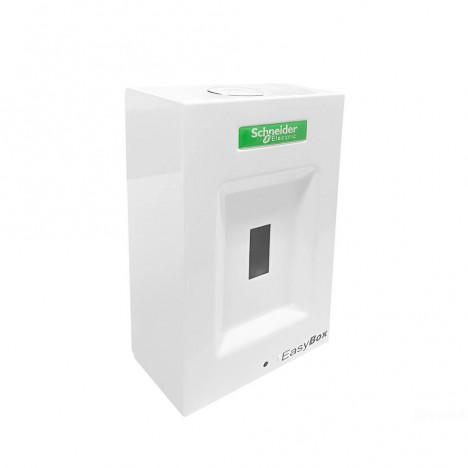
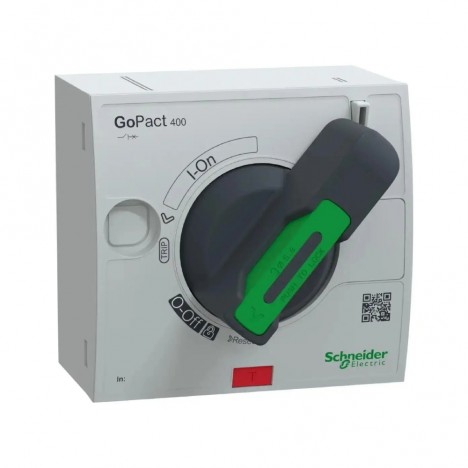
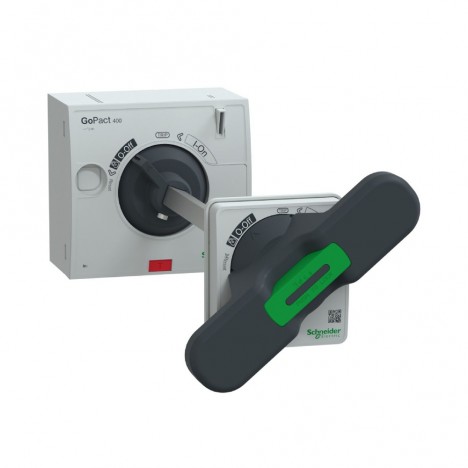
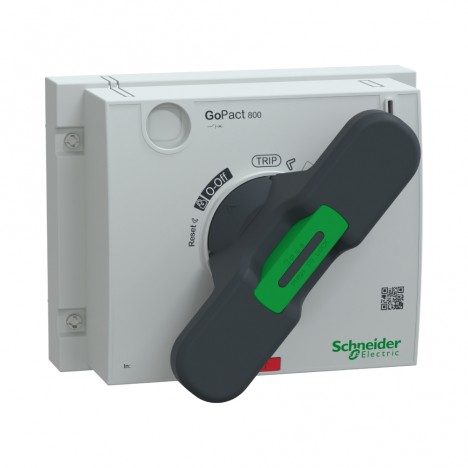
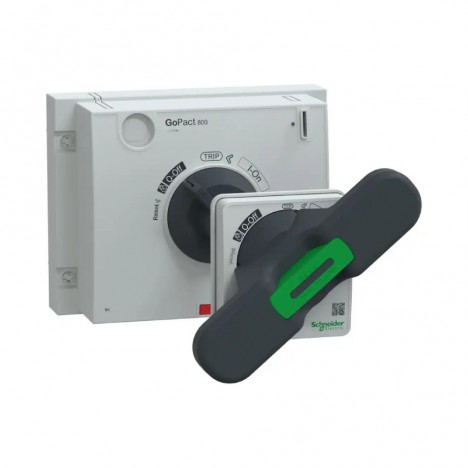
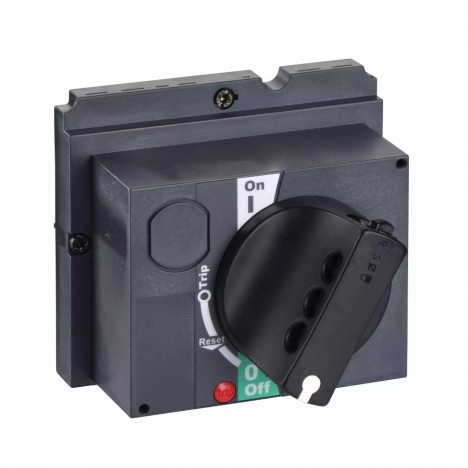
Circuit Breakers or what people commonly refer to simply as Circuit Breakers is a crucial device in every home's electrical system — it isn't just for turning power on and off, but is a protective mechanism against damage from short circuits or overcurrent. It immediately trips the circuit automatically to prevent wires from overheating and catching fire or equipment from being ruined.
However, what many people are still unsure of is, “Which amp rating should I choose?” In stores, options range from small sizes like 6A, 10A, 16A, 20A up to 63A for general residential use, and larger models like 100A, 150A, or 250A used in building and factory electrical systems. Seeing so many numbers leaves many people confused about what really fits their specific usage.
Choosing the right breaker size isn't about guessing or picking based on the feeling of “the bigger, the better.” It must be based on actual electrical load, wire size, and the nature of the equipment on the same circuit. In this article, our technician team will take you through a detailed breakdown of what to consider, how to calculate, and how much margin to leave for the safest setup in your home or shop.

First, Understand What a “Breaker” Does
Circuit Breaker is the heart of a home's electrical system. It acts as the “energy gatekeeper,” monitoring whether the current flowing through the wires is excessive. If it is too high, the breaker trips automatically to prevent the wires from melting or causing a fire.
Technically speaking, every breaker has a Rated Current (In) This indicates the maximum current it can carry without tripping. For example, a 16A circuit breaker can handle a continuous current of 16 amps. If exceeded, the breaker will begin to heat up, and if exceeded continuously, it will trip automatically.
Additionally, there is an electromagnetic short-circuit detection system that trips within a split second, immediately helping reduce damage from electrical fires and wire-to-wire short circuits.
How to calculate the appropriate circuit breaker size
Selecting a circuit breaker is not just based on "voltage" or "appliance size" alone, but must be based on the actual operating current (Ampere), which can be calculated using a basic formula.
Note: Motor/heater equipment has a "surge" at startup, so an allowance should be factored in. 20–25% to prevent nuisance tripping

Allowing for surge load and safety factor
Surge loads happen frequently but are rarely calculated. For example, a refrigerator motor may draw up to 3 times the current during startup, or some water heater models draw high current when first delivering hot water. If this allowance isn't factored in, the breaker will trip even when there is no actual fault. Therefore, a safety factor of around 20–25% should always be included.
Another factor is ambient temperature — circuit breakers trip faster at higher temperatures. For instance, if installed in an extremely hot electrical panel, it may trip before reaching the rated current because accumulated heat accelerates the internal tripping mechanism. Installing it in a well-ventilated area is therefore essential.
Wire size must correspond to the circuit breaker
| Circuit breaker (A) | Wire size (sq.mm) | Common applications |
|---|---|---|
| 10A | 1.5 | Lighting |
| 16A | 2.5 | General outlets |
| 20–25A | 4 | Water pump / Water heater |
| 32A | 6 | Water boiler / Large air conditioner |
| 40 and above | 10 and above | Heavy load, machinery |
Why does the breaker trip frequently even when the load is not high?
One of the questions technicians frequently encounter is "Why does the breaker trip even when not many appliances are running?" The truth is, there are more possible causes than you might think.
- Deteriorated breaker Breakers have a limited lifespan; after about 10 years or more, the internal mechanism weakens or the contacts become loose, making them overly sensitive.
- Loose wiring connection Loose connection points generate heat accumulation. Once it gets too hot, the breaker trips because it perceives it as an overcurrent.
- Surge load from motors Refrigerators, water pumps, or washing machines have high starting currents. If a Curve B breaker is used, it will trip frequently.
- Using an undersized breaker For example, if the actual load is 15A but a 10A breaker is used, it will definitely trip.

Breaking Capacity rating (short-circuit breaking capacity)
Many people don't know that besides ratings like 16A or 20A, breakers also display numbers such as "4.5kA", "6kA", or "10kA". This number is crucial because it indicates the "maximum short-circuit current the breaker can interrupt without being damaged".
- 4.5kA = 4,500 Amps
- 6kA = 6,000 amps
- 10kA = 10,000 amps
If a breaker is installed in an area with high short-circuit current (such as near the main meter) but uses a 4.5kA breaker, the breaker may become damaged or explode because it cannot handle the electromagnetic back EMF.
For typical houses, 4.5–6kA is sufficient, but in factories or large buildings, 10kA or higher should be used for safety.
Circuit breaker lifespan
Although a circuit breaker looks like a static device, inside it contains a “spring mechanism + metal contacts” that endure electrical voltage every time it is switched on or off. With prolonged use, it wears out until it trips slowly or fails to trip entirely.
Generally, the lifespan of a breaker is around 10–15 years or 10,000 switching operations / circuit trips.
Signs of a deteriorating circuit breaker
- Pushed up and immediately trips/bounces back
- Gets hot without any load
- Trips on its own without reason
- Has burn marks or a burnt smell
Arranging the breaker system in a consumer unit
Breakers do not operate alone; they work as a “hierarchical system” to protect the entire house.
- Main Breaker: Receives power from the meter and serves as the first line of defense. The size should match the total load of the entire house, such as 40A–63A.
- Branch Breaker (Sub Breaker): Separated by circuit, such as lighting, receptacles, water heaters, water pumps. Each circuit should not exceed 80% of the breaker rating to allow headroom for loads.
- Essential circuit separations: Bathrooms / kitchens / water pumps should have dedicated circuits because they draw high current and pose a risk of electrical leakage.
- RCBO Installation: Should be installed in bathrooms and kitchens, as it provides built-in residual current (earth leakage) protection.
Arrange breakers clearly inside the consumer unit and label each circuit name, such as PUMP – Water Pump / SHOWER – Water Heater. When the power trips, you will know immediately which one caused it without having to toggle them one by one.

Checklist for Choosing Breakers: "Proper Fit – Safe – No Nuisance Tripping"
1. Sum total electrical load in the circuit
2. Calculate current: I = P ÷ 220
3. Add 25% margin for surge load
4. Choose a breaker size slightly higher
5. Check wire size to ensure it corresponds
6. Check that the Breaking Capacity is suitable for the installation point
7. Separate circuits clearly in the consumer unit
Lastly is — Do not assume that "the largest breaker is the best," because a safe electrical system is not one that never trips, but rather a system that trips only when it is supposed to trip. That is what truly matters.