


 EN
 ไทย


Customers Also Purchased
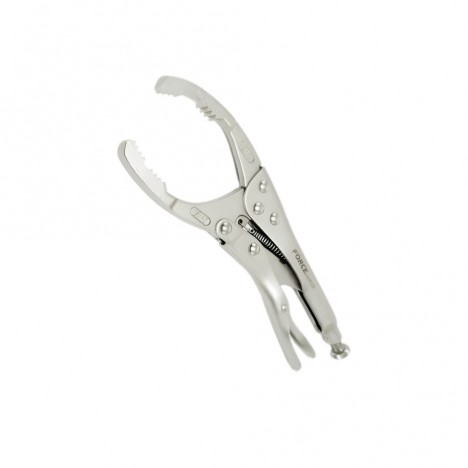
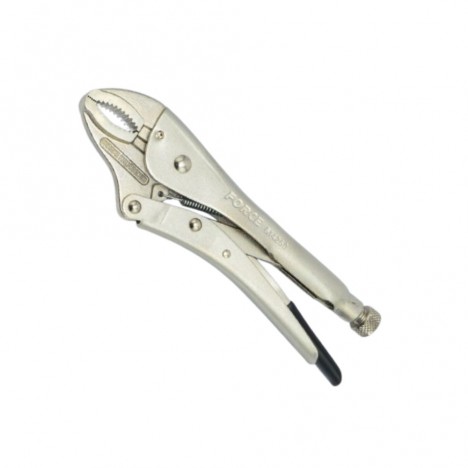
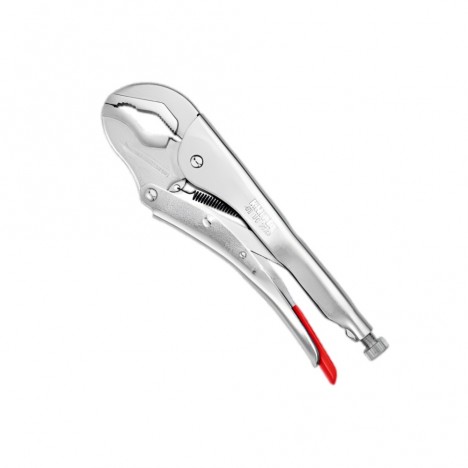
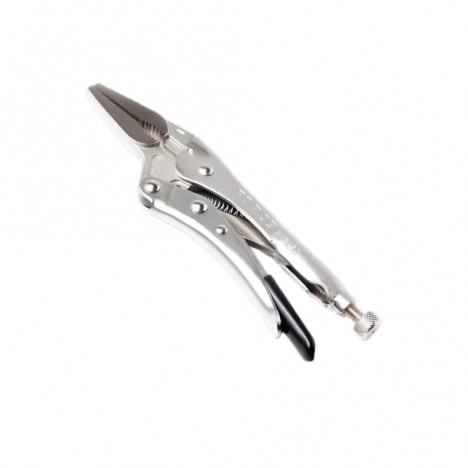
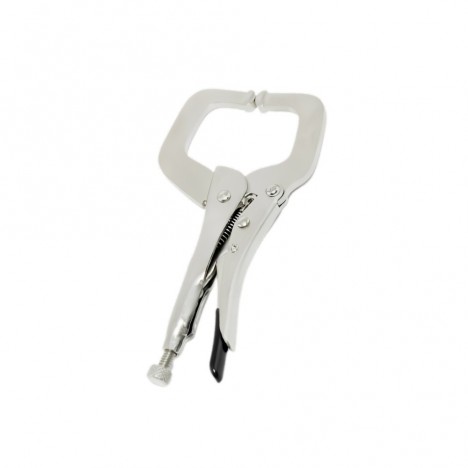
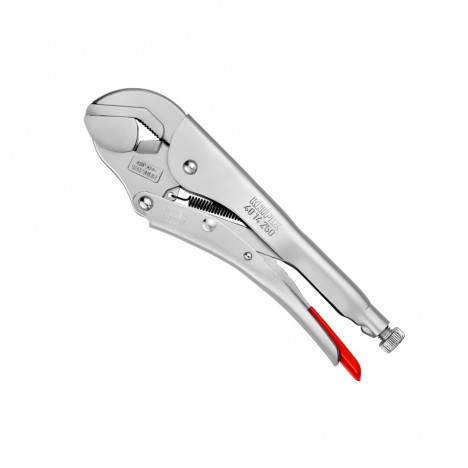
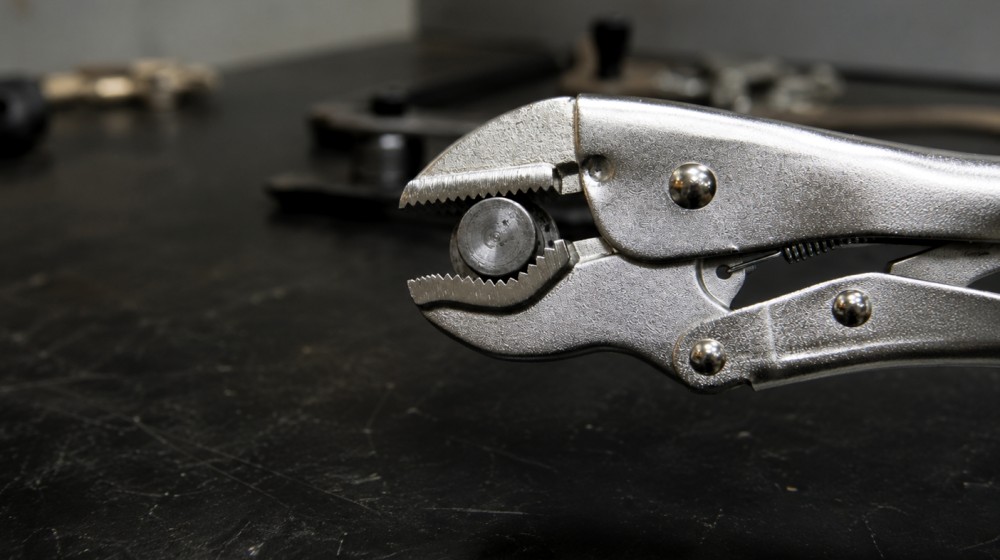
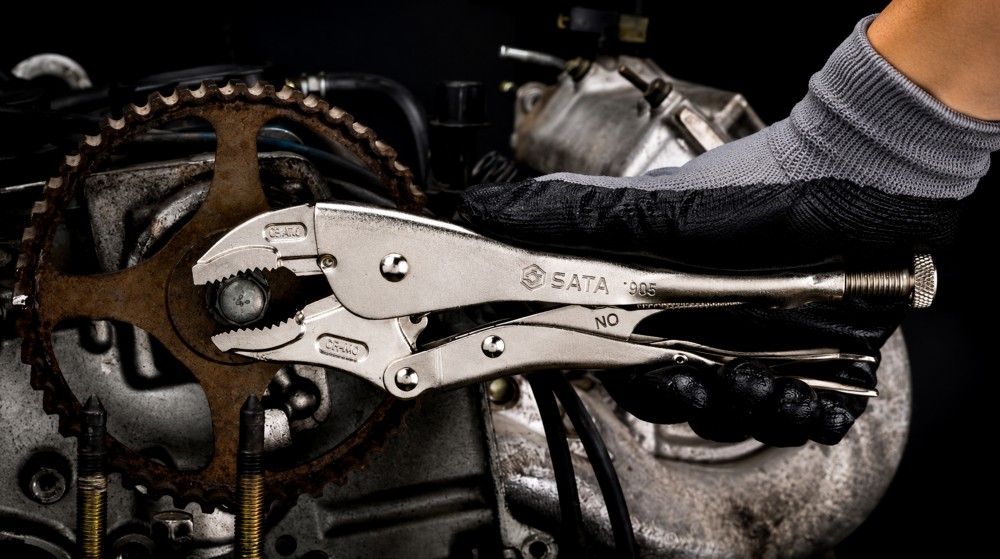
Locking pliers are a basic hand tool that can be used for a wide variety of tasks, whether it's home repairs, plumbing, or general maintenance work. The key feature of locking pliers is their ability to grip, clamp, and lock onto workpieces firmly without requiring continuous manual squeezing.
Before buying, however, many people wonder which size of locking pliers to choose among 7, 10, and 12 inches, what the differences are, and which one best suits their tasks. This article will explain in simple terms to help you choose the right tool for your actual use.
What Are Locking Pliers and How Do They Work?
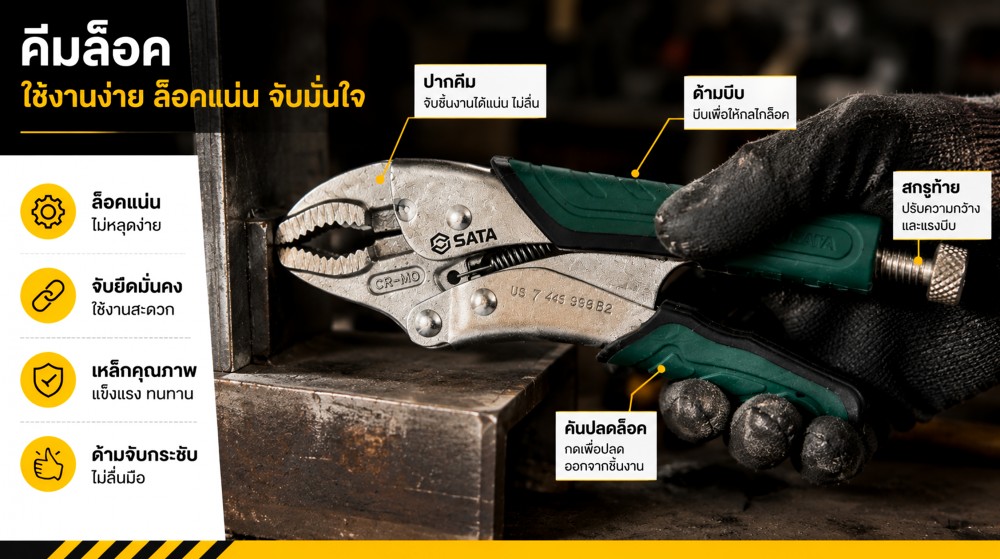
Step-by-Step Guide on How to Use Locking Pliers
- Turn the adjustment screw at the end of the handle to adjust the jaw width to fit the size of the workpiece. Turning it clockwise makes the jaws narrower.
- Place the jaws onto the workpiece so that they fit properly, neither too loose nor too tight.
- Squeeze the handles firmly together until you hear or feel the locking mechanism click into place.
- You can release your grip; the pliers will stay firmly locked onto the workpiece without slipping off.
- Press the release lever located inside the handle when you want to remove the pliers.
Key features that set locking pliers apart
Locking pliers provide multiple times more clamping force than ordinary pliers and lock securely without loosening, making them exceptionally ideal for tasks that require a tight grip, such as:
- Steel pipes or water pipes that need to be turned or held steady
- Stripped nuts or bolts that standard wrenches can no longer grip
- Slippery or oil-covered workpieces that standard pliers cannot grip securely
- Tasks where you need one hand free to do other work, since there is no need to keep squeezing
How do locking plier sizes differ?
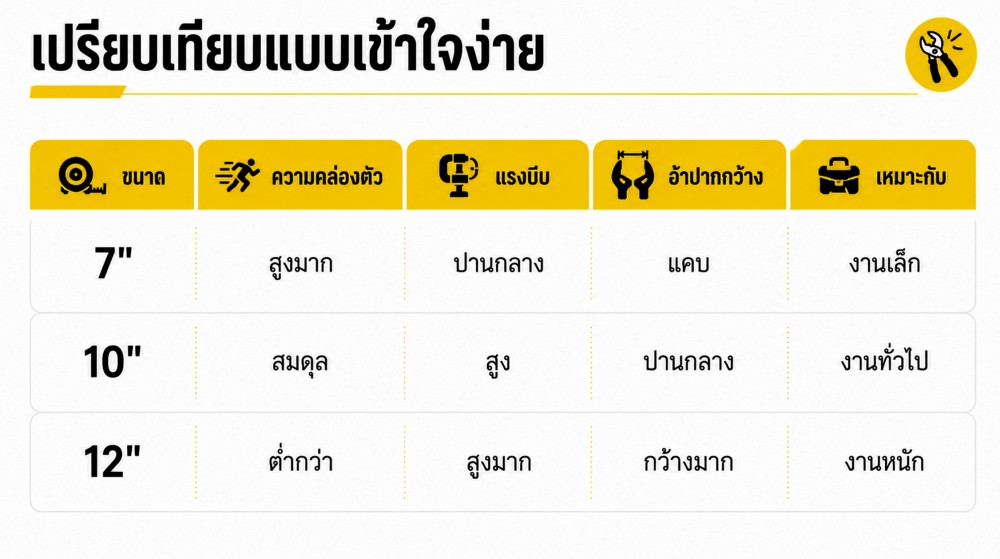
Many people think that 7", 10", and 12" sizes differ only in length, but in reality, changes in size impact performance across several aspects. The inch size indicated on the pliers refers to the "overall tool length," not the jaw opening width.
- Maximum jaw opening: As the pliers get longer, the jaws can open wider accordingly. A 12" plier can therefore accommodate noticeably larger or thicker workpieces than a 7" model.
- Clamping force and torque: Longer handles provide greater leverage, resulting in higher clamping force using the same amount of hand effort. This is ideal for heavy-duty tasks requiring high force, such as large pipes or severely seized nuts.
- Maneuverability: Smaller pliers like the 7" move more nimbly in confined spaces or blind spots, such as under sinks or in hard-to-reach engine compartments, whereas 12" pliers may be more difficult to rotate or maneuver in such situations.
- Weight and fatigue: Larger pliers are naturally heavier. If used continuously for extended periods, a 12" plier can cause hand and arm fatigue more quickly, especially for tasks that require lifting or holding your arms outstretched.
Comparing each locking plier size
7-inch locking pliers – Compact, lightweight, maneuverable
Ideal for light-duty tasks and confined spaces, such as furniture repairs, bicycle maintenance, electrical work, or small engines. Highlights include being lightweight, comfortable to hold, and offering fine control over applied force. However, the jaw does not open as wide and clamping force is not as high as larger sizes, making it unsuitable for steel pipes or heavy-duty work. Recommended for general homeowners who want a versatile tool around the house for minor repairs.
10-inch locking pliers – Standard, all-around versatility
The popular size that balances clamping force and maneuverability. Opens wider than the 7-inch model, capable of handling everything from plumbing and steel frames to extremely tight bolts. Suitable for both household tasks and professional trade work. The only drawback is that it may be too large for very tight spaces. Ideal for anyone looking for a single pair of pliers to cover all jobs; this is the most cost-effective choice.
12-Inch Locking Pliers: Heavy, Powerful, for Serious Work
Specifically designed for heavy-duty work, whether large steel pipes, structural frames, machinery, or rusted bolts. The long handles provide significantly more leverage and torque, but at the cost of heavier weight and difficulty when working in confined spaces. Ideal for professional technicians or those who regularly work with steel and machinery.
How to Choose the Right Locking Pliers for Your Job?
What size is the workpiece to be gripped?
The jaw size must fit the workpiece properly. If the jaw is too narrow, it cannot grip the piece; if it is too wide, it cannot grip firmly.
- Small workpieces, such as nuts, screws, or general household fixtures: 7 inches is sufficient.
- Medium workpieces, such as water pipes, fittings, or steel frames: 10 inches is best suited.
- Large workpieces, such as thick steel pipes or machine components: 12 inches is necessary.
How much force does the job require?
Longer handles = more torque using the same amount of hand force.
- Light-duty work, such as household repairs: 7 inches is enough.
- For tight or rusted bolts, a 10-inch or larger size should be used to provide sufficient torque without straining.
- Very heavy-duty work, such as industrial steel pipes: 12 inches saves a great deal of effort.
Is the workspace open or confined?
Longer pliers are difficult to turn in confined spaces; choose according to the actual work environment.
- Confined spaces or blind spots, such as under sinks, in small engine compartments, or behind cabinets: 7 inches offers the best maneuverability.
- General open areas: Any size can be used, depending on the job.
- Outdoor work or structural work: 10–12 inches is more suitable.
How often will the locking pliers be used?
Frequency of use affects fatigue and long-term cost-effectiveness
- Infrequent use for general home repairs: 7" or 10" is sufficient
- Regular or daily use: 10" is the most balanced, not too heavy, and versatile
- Continuous heavy-duty professional work: 12" provides ample force without requiring excessive effort, but take occasional hand rests due to its heavier weight
Frequently Asked Questions
Q: Can locking pliers be used instead of a wrench?
Yes, in some cases, but they should not be used on bolts requiring high precision as they may deform the bolt.
Q: Is a larger size always better?
Not necessarily; larger sizes provide more leverage, but they are difficult to use in confined spaces.
Q: Should I have multiple sizes?
If you do mechanical work frequently, you should have at least 2 sizes.
Conclusion
There is no "best" locking pliers size for every job, but there is the "most suitable" size for yours.
- 7 inches → Small jobs, confined spaces, requiring maneuverability
- 10 inches → General work, most comprehensive, best value
- 12 inches → Heavy-duty work requiring high clamping force and torque
General homeowners can simply choose 10 inches, the most balanced all-rounder. Professional tradespeople should have all 3 sizes to handle any situation.
Select Locking Pliers to suit the application