


 EN
 ไทย


Customers Also Purchased
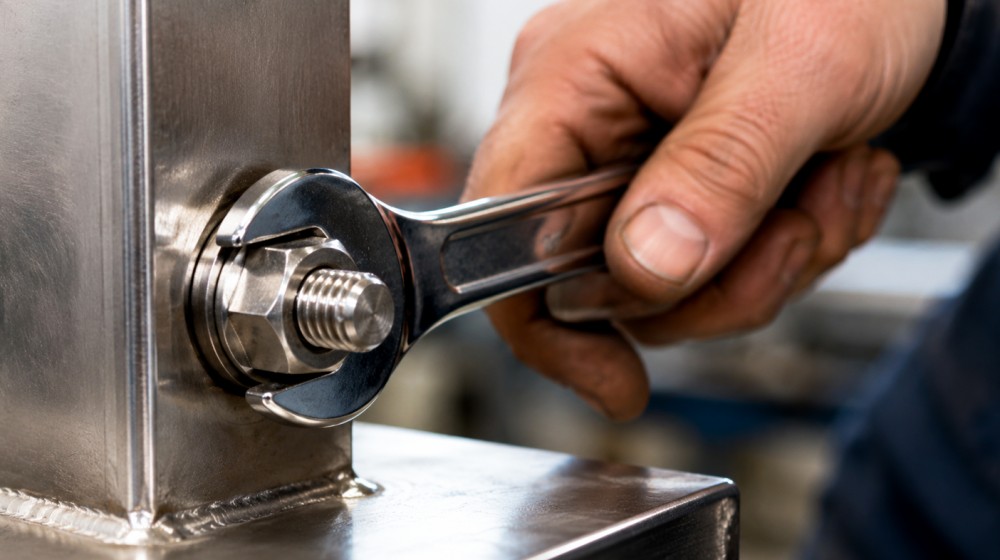
Many people think that stainless steel bolts are strong, rust-resistant, and suitable for everything—which is true in many aspects. But what many don't realize is that if a wrench is used incorrectly, the wrong size is chosen, or force is applied improperly, stainless steel fasteners can get damaged much more easily than expected. Common problems include rounded bolt heads, wrench slippage, stripped threads, or at worst, stainless steel nuts and bolts seizing completely and refusing to turn, requiring cutting or drilling out. These issues stem not only from fastener quality, but also from improper wrench usage.
In this article, we'll explore why stainless steel behaves differently from regular carbon steel fasteners, what kind of wrench you should choose, and how much torque to apply so you won't damage your fasteners.
Why do stainless steel bolts require more care than standard steel bolts?
Many people assume that because stainless steel does not rust, it must be tougher than carbon steel in every way. But that is not the case. Stainless steel excels at corrosion resistance because chromium forms a protective surface film; however, in terms of tightening, load-bearing, and friction, some grades of stainless steel behave differently from hardened steel, particularly regarding surface contact and threads.
If Wrenches the wrench does not fit the bolt head snugly with even a slight gap, the force will not be distributed evenly across the flats, but rather concentrated on certain points, causing the edges to chip or round off easily. This risk is even higher with small bolt heads, thin heads, or fasteners in awkward positions where it's difficult to apply force. In short, stainless steel bolts aren't afraid of wrenches, but rather poorly fitting wrenches and improper tightening force.
A major problem with stainless steel fasteners is thread seizing or galling
The condition known as thread seizing or galling is one of the most common issues encountered with stainless steel fasteners. It typically starts with the tightening feeling unusually stiff, getting tighter and tighter even before reaching the end. Ultimately, it can neither be turned further nor loosened—the nut completely locks itself onto the bolt.
Why does this happen? This issue usually occurs when pairing stainless steel against stainless steel, such as a stainless steel nut and bolt. When tightened too quickly, with excessive force, or without lubricant, friction on the thread surfaces generates high localized heat. The metals begin to cold-weld at the microscopic level, and continuing to force it only locks them tighter and tighter.
A common misconception: When a fastener feels stiff while tightening, many think, "It's not tight enough yet, I need to apply more force." But with stainless steel, unusual stiffness before the fastener is fully seated is a warning sign that the threads are starting to gall. Forcing it further makes it highly likely that the threads will seize irreversibly.
Choosing a wrench with the right fit is more critical than you think
This is fundamental, but especially vital for stainless steel bolts because even a slightly loose wrench can deform the bolt head very quickly. A good wrench must grip the bolt head tightly, with full surface contact, without wobbling or play, and without needing to be angled to seat properly. If it feels like it sits perfectly flat and snug, that is the right fit.
Things to watch out for: Never use the wrong wrench size, such as using a 14 mm wrench on a 13 mm bolt thinking it's close enough, or using an imperial wrench instead of a metric one. This will round off the edges of stainless steel bolts very quickly, especially if the bolt is tight, old, or in a spot that requires high torque.
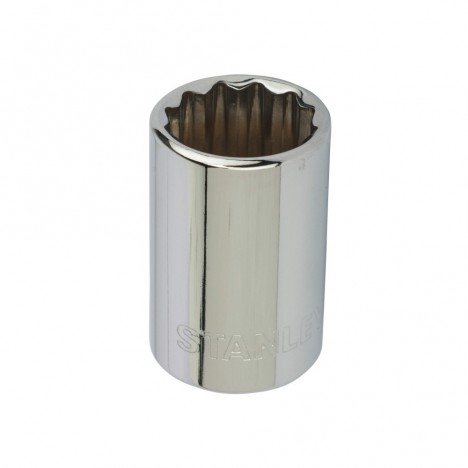
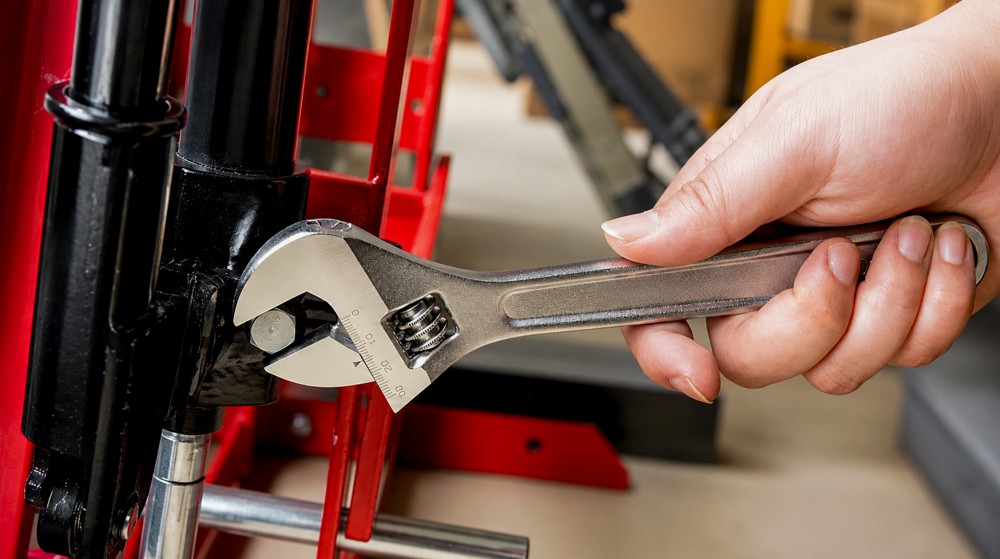
It is always recommended to start with fixed-size wrenches first—whether open-end wrenches, box wrenches, socket wrenches, or combination wrenches. Avoid starting with an adjustable wrench for jobs that require high torque.
Ring spanners are usually safer than open-end spanners for high-torque tasks
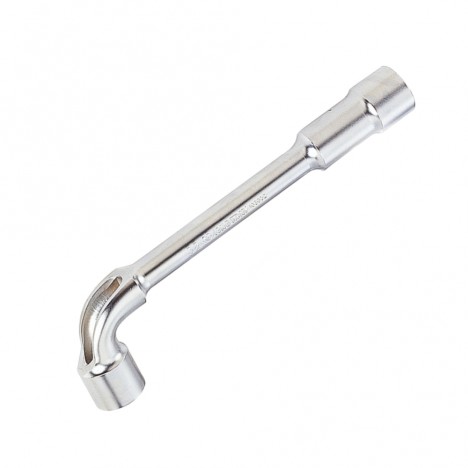
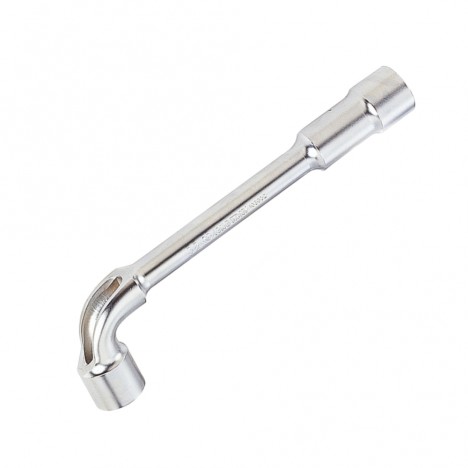
If you need to tighten or loosen tight stainless steel fasteners, it is recommended to start with a ring spanner first, as it fully encloses the fastener head, distributes force better, and is less likely to slip—especially 6-point designs, which provide the most secure grip.
Open-end spanners have the advantage of being easy to fit, making them suitable for spots where a ring spanner cannot be slipped over, such as fasteners on long studs, pipes, or in tight spaces. However, they only grip two flats of the fastener head. If excessive force is applied or the fastener corners are imperfect, the risk of slipping and rounding off the fastener head is much higher.
"In short, if you have a choice, always use a ring spanner first, especially for jobs requiring a clean finish like furniture, stainless steel handrails, or outdoor equipment, as it preserves the fastener heads much better. Once we know which type of spanner to choose, the next question many people often wonder is: How do you read wrench sizes? What kind of bolts do sizes 8, 10, 12, and 14 fit? Let's take a look..."
Do not use worn or deformed spanners on stainless steel fasteners
An old spanner doesn't mean it's unusable, but a spanner with worn jaws, flared openings, or edges that are no longer crisp is not suitable for stainless steel fasteners that require a neat, clean finish.
When a spanner's jaw is worn, it won't make full contact with the fastener head, even if it's the correct size. As a result, when force is applied, the pressure concentrates heavily on the corners of the fastener head, causing deep marks or rounding off the corners. Especially with stainless steel fasteners that have a shiny surface meant to be on display, even minor damage is far more noticeable than on standard steel fasteners.
Before using a spanner on stainless steel fasteners, do a quick check:
- Are the spanner jaws flared or spread open?
- Is there excessive play or looseness when fitted onto the fastener head?
- Are there chips or wear marks on the contact surfaces?
- Has the spanner been misused before, such as being hammered, used for prying, or extended with a cheater pipe?
If a spanner starts to lose its snug grip on fasteners, switch to one in better condition, because the cost of repairing or replacing a damaged stainless steel fastener head is often higher than the price of a new spanner.
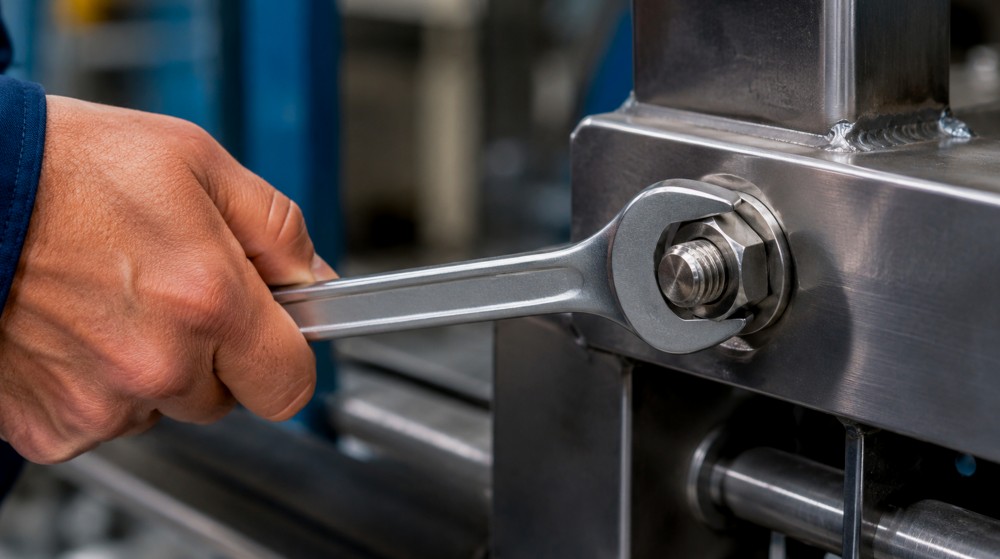
When tightening stainless steel fasteners, control your torque—don't rely solely on feel
Another common mistake is overtightening with a spanner. Many people think fasteners should be tightened as much as possible—the tighter, the better. But in reality, tightening fasteners shouldn't just be measured by feel, especially with stainless steel fasteners.
Overtightening can cause multiple issues, such as stripped threads, chipped fastener heads, stretched bolts, deformed workpieces, crushed washers, or difficulty removing them in the future—especially for applications requiring periodic maintenance, such as fences, pumps, outdoor equipment, machinery, or items exposed to water and moisture.
For general tasks, relying on feel to a certain degree may be acceptable, provided you don't overforce it. But for critical applications, machinery, automotive work, substructures, or jobs where the manufacturer specifies a torque rating, you should use a torque wrench to ensure proper tightening torque.
A torque wrench helps prevent overtightening because it doesn't just rely on whether you "feel" it is tight enough, but measures according to the actual specified value. This makes it ideal for applications where fastener damage impacts safety or workpiece precision.
Warning signs that you should stop tightening immediately
When using a wrench on stainless steel bolts, you should constantly observe the feedback while tightening. Many issues show warning signs early on—if caught in time, they can still be resolved, but forcing through can lead to severe damage. Warning signs you should stop and check immediately include:
- Abnormally stiff tightening before reaching full depth
- The wrench starts slipping or scraping against the bolt head
- The bolt head starts chipping or the corners begin rounding off
- The bolt becomes progressively and unreasonably harder to turn
- The threads make unusual noises or feel rough and catching
- The workpiece twists along with the bolt during tightening
- The wrench has to be tilted excessively to turn it
- Unusually high force is required despite being a small bolt
If you encounter these warning signs, don't think that "just a little more force will do it." With stainless steel bolts, forcing it just a bit further can immediately lead to galling or a stripped bolt head.
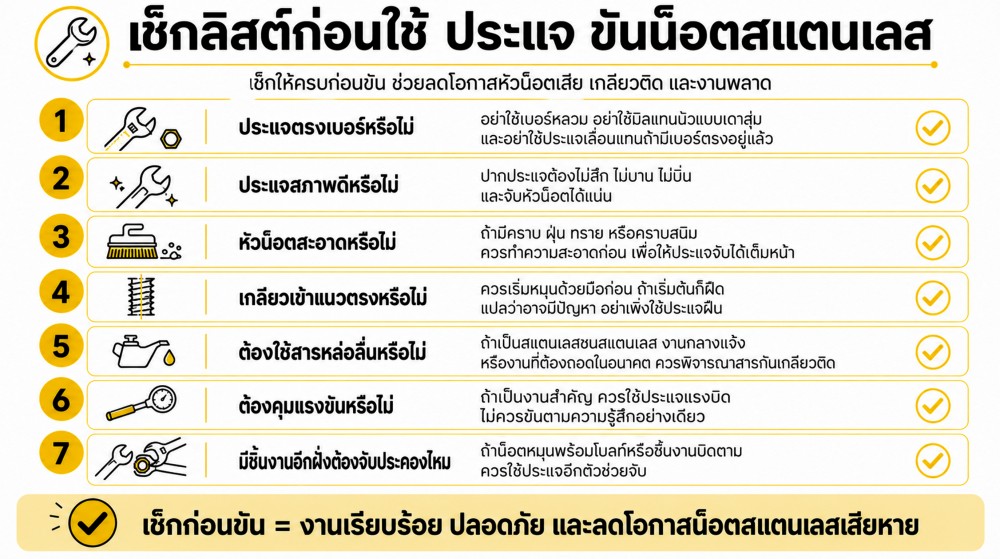
Conclusion
Using a wrench with stainless steel bolts isn't difficult, but you need to understand that stainless steel has its own unique characteristics: it resists rust well and looks great, but bolt heads scratch easily if the wrench is loose, and threads can seize (gall) if tightened too quickly or forced. Here is all you need to remember:
- Choose the exact right wrench size in good condition with full contact on the bolt head flats.
- Always start threading by hand first.
- If it feels abnormally stiff, stop immediately—do not force it.
- Use a torque wrench for critical applications.
- For stainless-on-stainless applications, apply lubricant or anti-seize compound.
Select Wrench to suit the application