EN
 ไทย


Customers Also Purchased
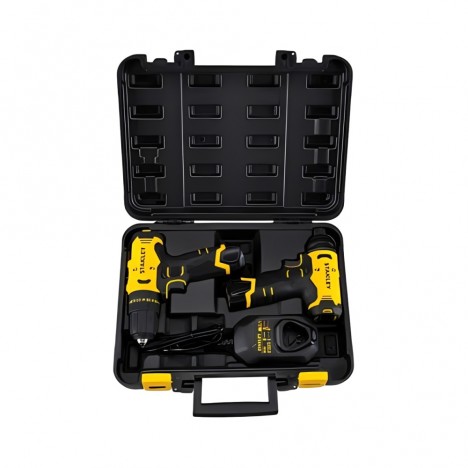
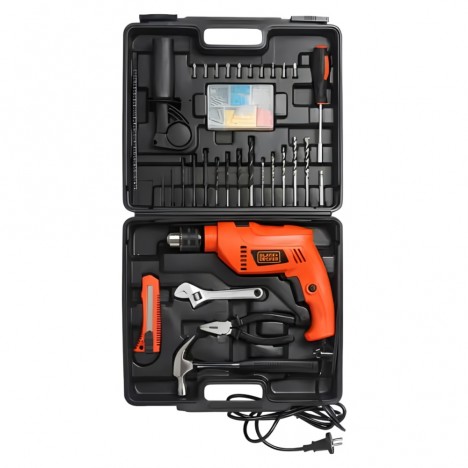


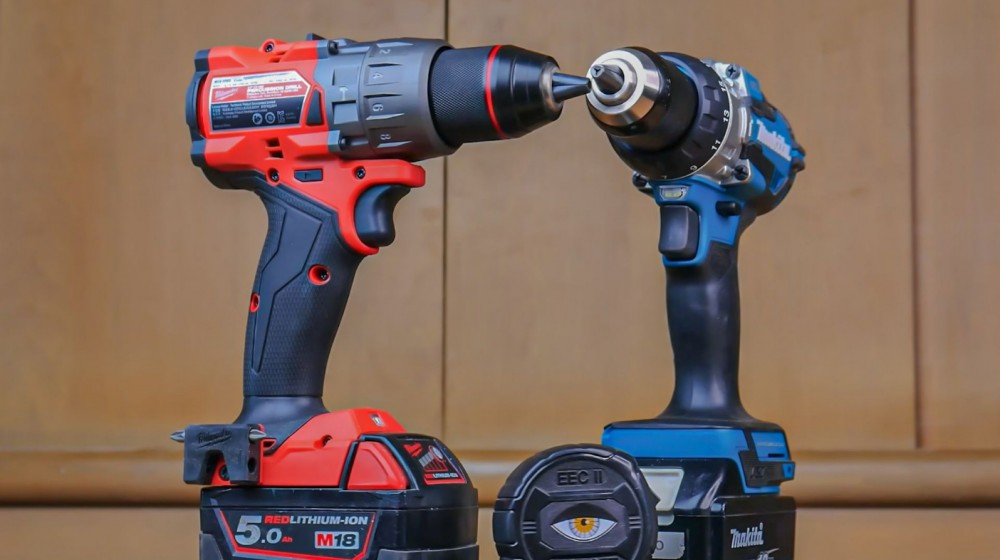
When choosing to buy hammer drill When looking at any drill, one of the specifications we always see is RPM and BPM. Some hammer drill models list very high rotational speeds, while others list a very high number of blows per minute, which can easily lead to confusion—such as "the higher the RPM, the more powerful the drilling" or "higher BPM means better masonry drilling."
What exactly is a hammer drill? Clearing doubts and answering all questions openly In reality, RPM and BPM are different metrics indicating different behavioral aspects of a hammer drill. More importantly, these two values do not directly mean the tool always has more drilling power.
In this article, we will break it down simply: RPM is the rotational speed of the drill bit, while BPM is the number of impact strokes per minute in hammer mode. Both values work together in a hammer drill but cannot substitute for one another, and they should not be viewed in isolation without considering the broader context of both the application and the drill itself.
What is RPM? Why Shouldn't You Assume a High-RPM Hammer Drill is Powerful?
RPM (Revolutions Per Minute) refers to the number of revolutions per minute of the chuck or drill bit. For example, 1,500 RPM means that in one minute, the chuck can rotate approximately 1,500 times. Mostly, in the context of hammer drills, this figure should be viewed along these lines:
- It is a no-load value, or simply put, the value when the tool is spinning freely without actively drilling into material.
- When looking at hammer drill specifications and seeing a very high RPM figure, do not jump to the conclusion that it will drill faster in actual work, because
- when the drill bit contacts actual material, the rotational speed drops depending on material resistance, bit size, bit quality, applied feed pressure, and motor power.
RPM is "speed," not "power." A drill with high rotational speed may be suitable for drilling wood, certain types of steel, or jobs requiring clean, continuous holes.
If you use a hammer drill to drill into hard concrete, high RPM alone might not help much. If the tool lacks sufficient torque, does not have an appropriate impact rate, or uses the wrong type of drill bit, the tool may spin fast but will quickly wear out the bit or force you to apply excessive pressure.
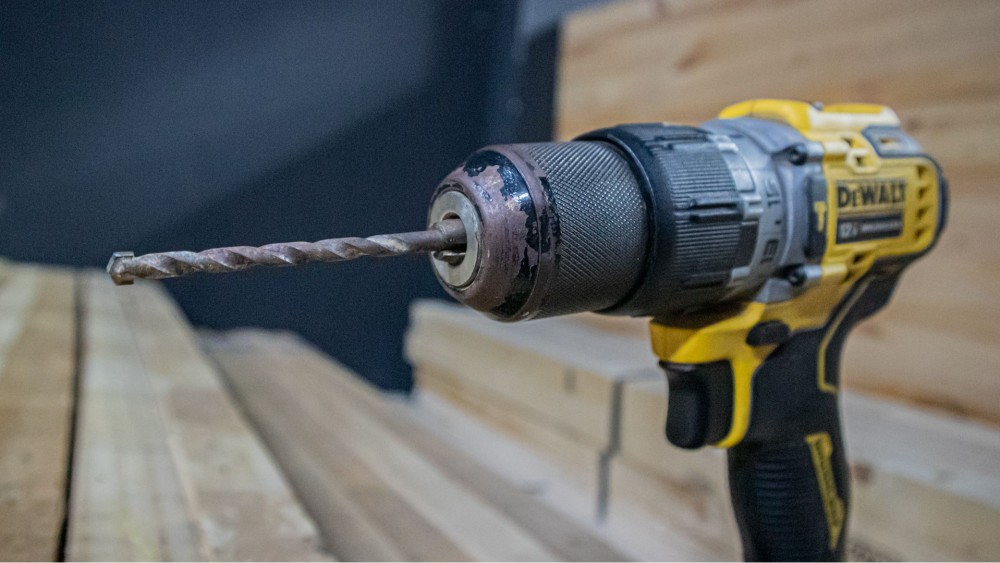
What is BPM? Why Doesn't a Higher Number Mean Stronger Drilling?
BPM (Blows Per Minute) or some brands may use the term IPM (Impacts Per Minute) In the context of hammer drills, it means
- The number of times the impact mechanism strikes per minute; the higher the number, the more frequent the impact blows.
- does not mean each blow carries more power.
- You must also consider the mechanism type, impact force, motor power, and the ability to maintain speed under real loads.
In typical hammer drills, the impact mechanism usually consists of ratchet plates or cam discs that cause the drill bit to vibrate axially as it rotates. Therefore, the BPM of a hammer drill consists of rapid, frequent impacts, but the energy per blow is not very high. It is thus better suited for brickwork, plaster, or masonry block walls rather than heavy-duty reinforced concrete, which requires much more substantial impact energy.
This is why hammer mode does not allow a hammer drill to drill through everything—which is one of the 5 Misconceptions About Hammer Drills to know before walking into a store.
How High BPM Helps in Masonry Drilling
- It provides a higher frequency of impacts, allowing the drill bit to break into brittle or moderately hard materials more effectively.
- Paired with the right masonry drill bit and proper downward pressure, for typical home wall drilling, installing wall plugs for shelves, drilling into plastered walls, lightweight aerated concrete, or drilling walls to hang equipment,
- an appropriate BPM provides a chipping action that helps the bit tip gradually break up the material and penetrate through.
The problem, however, is that if the hammer drill lacks sufficient torque, drops RPM quickly, or is pressed too hard, the impact blows meant to aid drilling may turn into excessive vibration that makes the tool harder to control. Furthermore, if poor-quality or dull drill bits are used, high BPM will not help much, as the cutting edges and carbide tips are the parts doing the actual work.
The Relationship Between RPM and BPM in Hammer Drills Is Not Fixed
The relationship between these two values depends on the internal mechanism design of each model. In many hammer drills, BPM is linked to rotational speed because the impact mechanism operates via the rotation of gear sets or the chuck assembly. For instance, as rotational speed increases, the number of impacts per minute also rises; however, this does not mean every tool has the same RPM-to-BPM ratio.
Two hammer drill models might have similar maximum RPMs but different BPMs due to differences in gear ratio design and impact mechanisms. Alternatively, some models may boast very high BPM but lower torque, meaning that under actual load, they do not drill as fast as models with lower BPM specs that maintain their speed better.
Looking at just a single specification line is therefore not enough, especially when choosing a hammer drill for practical use at home, DIY tasks, or light job site applications.
Rotational Speed and Impact Rate Must Work in Balance
Drilling masonry with a hammer drill relies neither solely on impacting nor purely on rotation; it comes from the cooperation of both. The drill bit must rotate to clear debris from the hole and allow the cutting edges to continuously bite into the material.
At the same time, the impact blows help the bit tip pulverize hard or brittle surfaces. If RPM is high but BPM is not well-matched, the bit may spin fast but struggle to penetrate the material. Conversely, if BPM is frequent but RPM is too low, debris may not evacuate properly, leading to slow drilling and easy heat buildup.
A good hammer drill should feature steady speed control, consistent impact action, proper torque, and a design built for continuous operation without easily bogging down under real loads. Choosing a tool with balanced specs, using the correct bit type, and setting the proper mode for the job will deliver better results than simply picking the model with the highest RPM or BPM numbers.
Maximum Specs on the Box May Not Match the Actual User Experience
The RPM and BPM specs of an impact drill seen on the box or tool body are mostly maximum performance values under specified conditions, which usually do not reflect real-world working conditions—such as no-load spinning, no resistance, using a fully charged battery, or being tested in optimal modes.
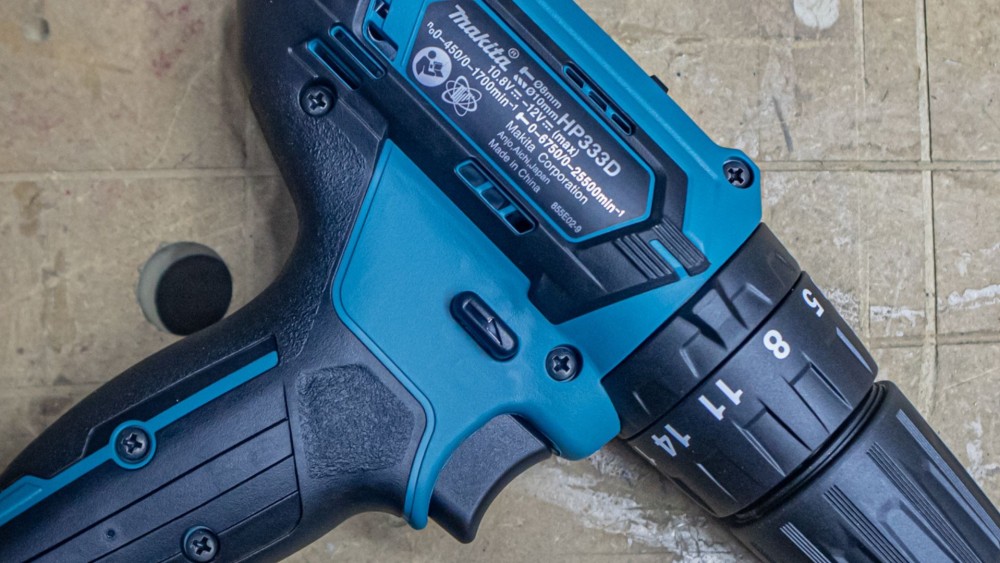
In actual use, multiple factors come into play, including material hardness, bit size, bit sharpness, continuous operating duration, motor temperature, and battery quality in the case of cordless drills.
Applied pressure also affects RPM and BPM
- An impact drill is not a tool where pushing harder always means drilling faster.
- Applying too much force can cause RPM to drop, hinder smooth impact mechanism operation, overheat the tool quickly, and accelerate drill bit wear.
- If you press too lightly, the bit may wander on the material surface, fail to bite, or take longer than usual.
- The right amount of pressure should firmly seat the tip of the bit against the material without straining the tool to the point of dropping RPM.
Do modern cordless impact drills make this more complex?
Some cordless drills or cordless impact drills may claim very high RPM and BPM ratings, but when used with smaller battery packs or when the battery is running low, they may struggle to maintain RPM as well as on a full charge. Meanwhile, some models without flashy specs but equipped with superior motors and control electronics may deliver more consistent power and better control.
Choosing a modern impact drill shouldn't just be about RPM and BPM numbers; you should also look at the battery platform, torque, operating modes, tool weight, and the type of work you do regularly.
Speed control systems affect impact drills more than you think
Modern impact drills or cordless drills feature variable-speed triggers, and some include electronic controls. This allows for more precise starts and better speed modulation based on the material. Having a high maximum RPM isn't a bad thing; the key is that the tool must also control low speeds well. Without fine low-speed control, even with high RPM, starting holes can be difficult, causing the bit to slip or wander off-target easily.
Therefore, when choosing an impact drill, ask yourself whether you only prioritize raw speed or need a tool that offers easy control, precision, and versatile usability—because these two qualities are not measured by maximum RPM alone.
Should you check RPM or BPM first?
If using an impact drill for general household tasks—such as drilling wood, thin metal, screwdriving, and occasional concrete drilling—it's better to look at the overall picture rather than focusing on any single metric.
- RPM is important when drilling materials that require rotary shearing action.
- BPM is important when using hammer mode on masonry or brick materials.
- If you must choose what to look at first, start with your "most frequent application."
- If you drill wood and metal more often, look at speed ranges, speed settings, and torque.
- If you frequently drill into concrete walls, look at the hammer mode, BPM, tool weight, stability, and suitability for the bit sizes you regularly use.
For general users, a good impact drill should have an easily controllable variable speed system. For technicians doing heavier work, more consideration should be given to gear set durability, the cooling system, tool weight, and continuous use capabilities.
A good tool for real work, especially an impact drill, is not always the one with the highest numbers, but one that operates stably, feels effortless to use, and is suitable for the materials you regularly handle. Therefore, before buying, if you have the chance, you should try holding it, pressing it, and testing it on actual materials.
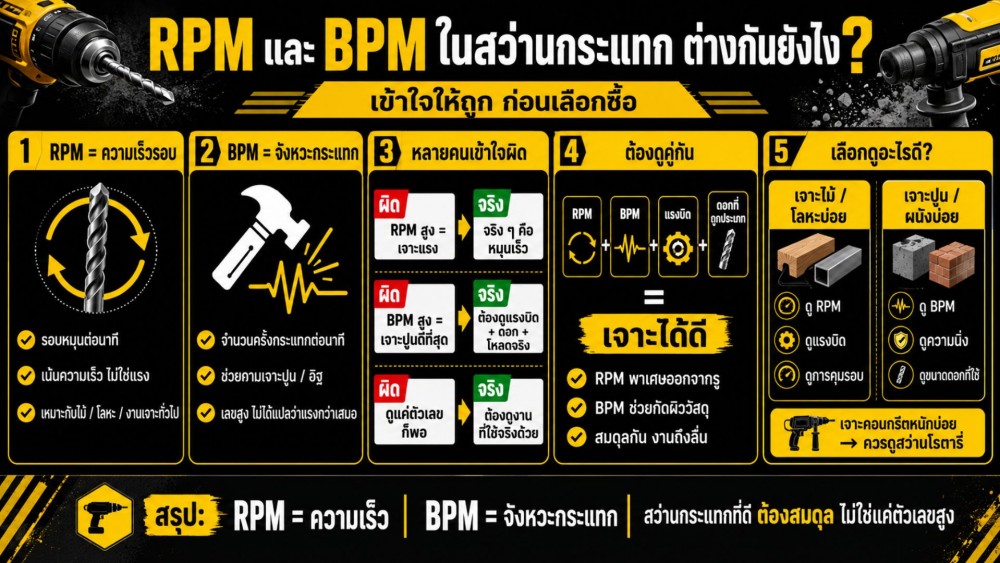
Summary: RPM and BPM in impact drills must be evaluated together
The relationship between RPM and BPM in an impact drill doesn't tell the whole story of the tool's capabilities in isolation. High RPM doesn't always mean it drills concrete well; high BPM doesn't always mean high impact force; and the highest numbers on the spec sheet don't mean you will get that exact performance all the time in actual use.
You should start by considering the actual job, then interpret the specs according to the context, such as: If you frequently drill wood and metal, prioritize rotational speed (RPM). If you frequently drill masonry walls, look at the hammer mode, BPM, stability, and supported bit sizes.
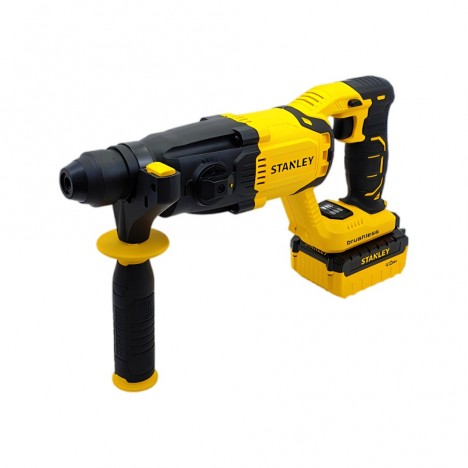
However, if you need to drill heavy concrete, make large holes, or drill frequently on job sites, you should consider a "rotary hammer," which might better meet your needs because that type of work requires direct impact energy rather than just the vibrating hammer mechanism of a smaller drill.
Ultimately, RPM and BPM are not numbers used to see which tool is the "most powerful," but numbers that help tell you hammer drill how that tool was designed to work. If you understand this, choosing the right tool will be more accurate and you'll greatly reduce the chance of using it for the wrong application.