


 EN
 ไทย


Customers Also Purchased


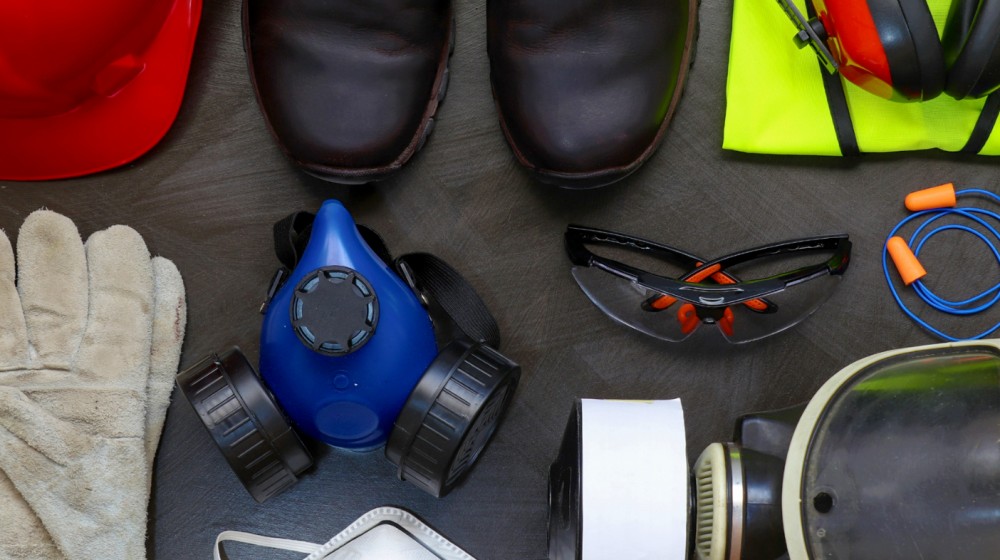
Imagine this... before you start tackling the job, you gear up fully with a hard hat, work gloves, and safety shoes, ready to give it your all. But... we have a question for you... is the safety equipment you are wearing still 100% protecting you?
Most people misunderstand that "if the external condition still looks good and isn't torn, it means it's still usable." But the shocking truth is Personal Protective Equipment almost every piece of PPE has an expiration date! And what's even scarier is that materials can degrade from the inside out in ways invisible to the naked eye. Therefore, in this article, we will take a deep dive into the secrets of safety equipment to answer your doubts... Does this equipment really have an expiration date? Why does it degrade even when stored away unused? How dangerous is it to force using degraded gear? And what are the warning signs that it's time to buy new ones?
Does safety equipment really have a lifespan?
To answer definitively right here: yes, it does, and almost every single piece has one! Take a look at this list of popular equipment we wear every day:
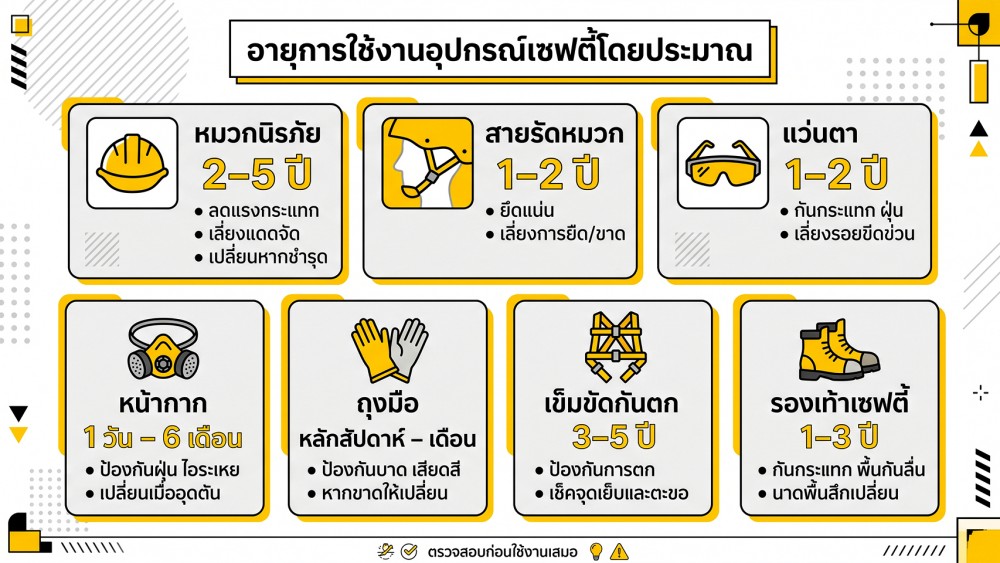
- Hard hats: plastic materials eventually become brittle from cumulative UV radiation and heat exposure.
- Safety glasses: lenses get scratched, anti-fog coatings degrade, and impact-resistant plastic frames become brittle.
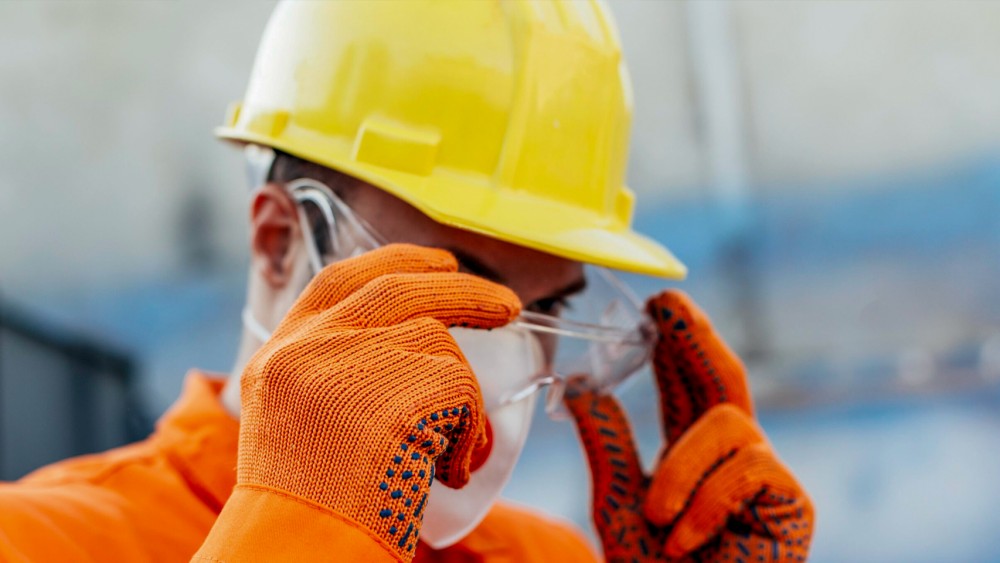
- Dust/chemical respirators: filters become clogged or degrade, and elastic straps loosen so they no longer seal tightly against the face.
- Work gloves: rubber gets sticky or develops cracks (crazing), reducing cut- and chemical-resistance performance.
- Safety shoes: rubber soles rot, crumble, and delaminate (for some pairs, even if stored unused in the box, the soles can still disintegrate).
- Safety harnesses: load-bearing webbing fibers begin to rot, or critical stitching begins to fray.
A truth that must be kept in mind: this safety equipment was created to "take the hit" in place of our bodies. But materials like plastic, rubber, or synthetic fibers all have their natural lifespans. They are not designed to be immortal and last a lifetime, as many people mistakenly believe!
Why does safety equipment have an expiration date?
The main culprit lies in the materials. Most safety equipment, whether plastic, rubber, or foam, is made of what we call polymers. Imagine a polymer's structure like "long strands of elastic bands intertwined together." Even if we just store this equipment in a closet without taking it out into the field, over time... these elastic bands will naturally degrade.
- Molecular chains break apart, weakening the material structure.
- Loss of flexibility: from once being tough and resilient, it turns hard and stiff.
- Vulnerability to air and the environment: humidity, temperature, and atmospheric oxygen chemically degrade and rot the material silently.
These invisible changes cause safety equipment to transform! From its original role of flexing and absorbing impacts, it turns into a rigid solid that is brittle and ready to shatter instantly upon impact. This is the answer to why a hard hat that looks brand new on the outside... cracks and shatters into pieces the moment an object falls on it, offering no protection at all! In addition to invisible degradation, there are also 5 Risky Behaviors That Make Safety Equipment Completely Useless! that we often unintentionally do without even realizing it.
In How Many Ways Can Safety Equipment Deteriorate?
Did you know that our safety equipment deteriorates through 3 main causes, some of which happen silently without us even noticing?
Safety Equipment Deterioration from Use
This is the most obvious one, as it comes from actual wear and tear on the job. For example, gloves starting to get cuts, safety glasses scratched to the point of blurry vision, or safety shoes whose outsoles are worn down from repetitive walking. These symptoms clearly show that "I can't take it anymore, boss!"
Safety Equipment Deterioration Over Time
This is the one most people overlook! Even if you buy brand-new equipment and leave it sitting in a locker for years, materials naturally degrade over time. Tough plastic becomes brittle, flexible rubber cracks, and shock-absorbing foam inside collapses. This is called degradation from within.
Safety Equipment Deterioration from the Environment
Environmental conditions can accelerate equipment breakdown at lightning speed!
- Sunlight and UV rays: The main culprit that breaks down safety helmet structures, making them brittle and faded.
- Heat: If you like leaving helmets or shoes in the hot bed of a pickup truck or inside a hot car trunk, be careful! Heat deteriorates adhesives and melts rubber.
- Moisture and sweat: Causes buildup of mold, foul odors, and deterioration of inner fabric fibers.
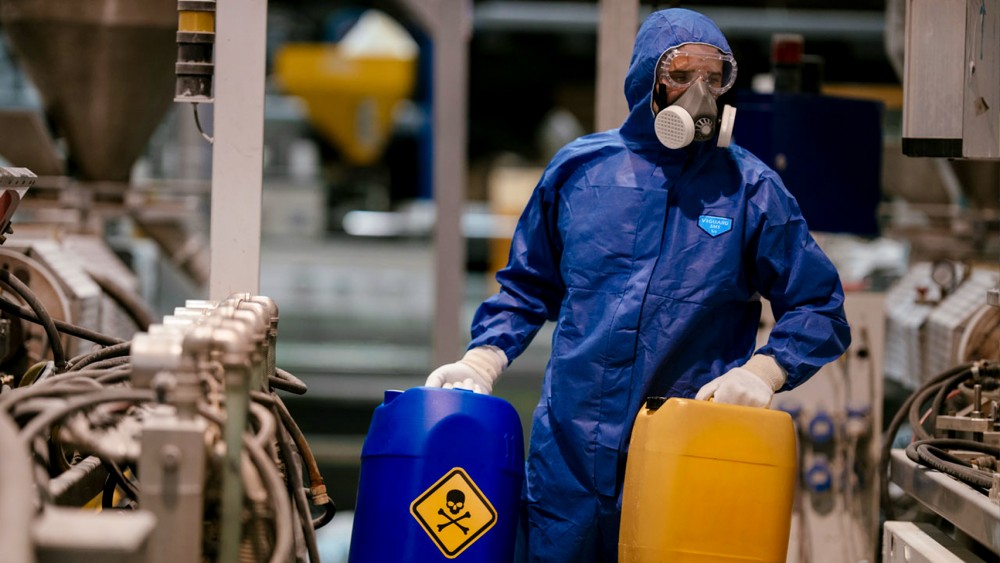
- Chemicals, vapors, or engine oil can corrode and weaken material structures.
How Dangerous Is Expired Safety Equipment?
Many people think that old gear just provides slightly less protection, but the reality on the job site is much harsher. Imagine this clear comparison:
- Safety helmets: When new, if a solid object falls on it, the helmet flexes and dissipates the impact, leaving you with just a slight shock or daze. Expired: Brittle plastic immediately "shatters into sharp fragments" upon impact, offering zero shock absorption, and sharp plastic shards could cause additional cuts to your head!
- Dust/chemical respirators: When new, the rubber seal fits tightly against your face, filters work at full efficiency, and air is 100% clean. Expired: Stretched straps, gapping edge seals, and worn-out filters mean you're inhaling toxic dust or chemicals directly into your lungs without even realizing it.
- Cut-resistant gloves: When new, the tough fibers resist sharp cuts and keep your fingers safe. Expired: Fragile, brittle fibers can tear right through to your skin with just a slight snag on a sharp metal edge.
- Safety shoes: When new, the rubber outsole provides solid grip, giving you confidence through water and oil. Expired: The hardened, dead rubber turns into nothing less than "ice skates"; step on a bit of water and you're ready to slip and hit your head on the floor!
How to Extend the Lifespan of Safety Equipment
"Do's" (Guaranteed to extend lifespan)
- Store in a shaded, well-ventilated area: After work, store equipment in a locker or on a well-ventilated shelf to reduce humidity and prevent mold.
- Avoid direct sunlight: UV rays are the number one enemy that makes plastics brittle and degrades rubber. Try not to leave items exposed to the sun.
- Clean regularly: Sweat, dirt, and oil residue can silently corrode materials. Simply wiping them down with a cloth dampened with mild soapy water after use helps preserve the material structure significantly.
"Don'ts" (Guaranteed to cause quick damage)
- Leaving it in a car parked in the sun: Many tradespeople do this by accident! Leaving helmets or safety shoes in a pickup truck bed or car trunk parked under the sun essentially turns it into an "oven." Accumulated heat causes coatings to deteriorate, adhesives to fail, and rubber to permanently melt.
- Improper use: Every piece of equipment has its purpose. Don't use a hard hat as a stool, and don't use regular fabric gloves to handle chemicals. Not only will the gear be ruined, but you will also put yourself in danger!
Conclusion
At this point, we'd like to leave you with a short but crucial thought... Every piece of safety equipment "has an expiration date" and "can deteriorate" over time. If we mistakenly grab degraded equipment for a job on the day an emergency happens... in that split second, it may not have enough strength left to protect us at all.
Remember, we don't wear hard hats, work gloves, or safety shoes just to comply with jobsite regulations, but because they are our real "life armor." Take a moment to inspect your trusted gear: Has it expired? Is it still in good shape? Deciding to replace it today is far better than waiting for it to fail on the job—in the very second you need it most!
Select Personal Protective Equipment here