


 EN
 ไทย


Customers Also Purchased


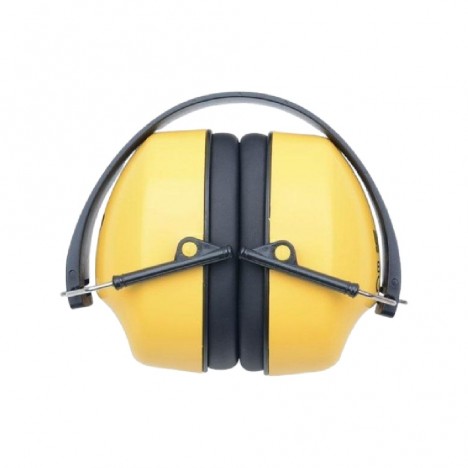
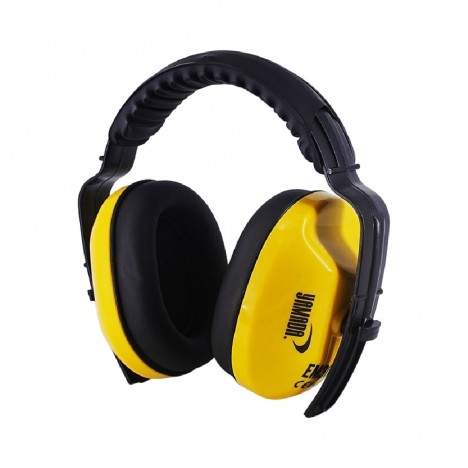
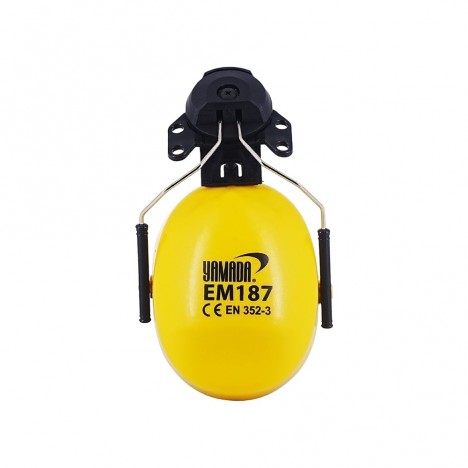
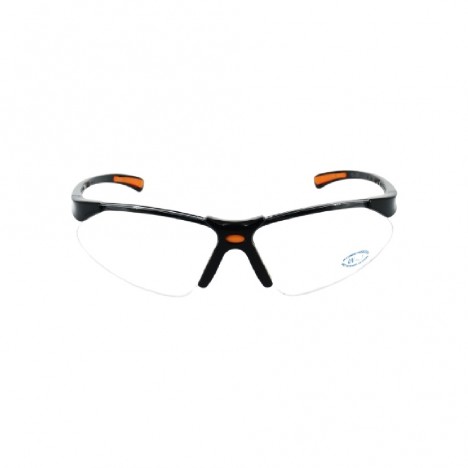
Many people might think that just wearing a hard hat, safety glasses, cut-resistant gloves, or steel-toe shoes is enough—that should keep you safe, right? But the truth is, safety equipment isn't magic that always protects you just because you put it on. If you don't wear complete gear, wear it incorrectly, or overlook minor details, the risk of accidents still sticks with you just the same.

1. Choosing safety equipment that doesn't match the job
Commonly encountered examples
- Electricians wearing ordinary sneakers instead of electrical hazard shoes – It sounds harmless, but the reality is extremely dangerous because electricity doesn't warn us before it shocks. Electrical hazard shoes are designed to help prevent stray electrical currents from the ground, not just to add style when worn. So never think wearing sneakers looks cooler, because safety should always come first.
- Construction workers wearing sunglasses instead of safety glasses – It might sound like it blocks sunlight, but in reality, sunglasses are not designed to protect against debris, flying rock chips, or dust particles that may fly into your eyes during work. Furthermore, some models shatter easily upon impact. If you truly want your eyes to be safe, choose certified safety glasses that offer all-around protection against both impacts and airborne dust.
- Cargo handlers not wearing anti-slip or cut-resistant gloves – Some might think carrying just a few boxes isn't worth the hassle of wearing gloves. But in reality, safety gloves provide a firmer grip, reducing the chances of dropping items, and even protect hands from splinters, broken crates, or sharp box edges—anyone who has experienced it knows it really hurts!
Recommendation
- Assess what risks your work involves, such as electricity, chemicals, heat, heights, etc., and select the appropriate equipment – It's like picking the right weapon for the enemy. If you know what you are about to face, prepare specifically for it: for example, if working at heights, don't forget a safety harness; if handling chemicals, you must have splash-resistant gloves and goggles.
- Check for a complete set of equipment before starting work – Don't wait for an incident to happen before realizing "I forgot to wear it." Inspect everything before taking action, just like checking your weapons before going into battle. Our lives are what matter most.
2. Wearing safety equipment incorrectly
Commonly encountered examples
- Wearing an N95 respirator without pinching the nose clip flush against the face – Some people rush and forget to press the nose clip securely; the result is that dust or chemicals can still leak right through. This means wearing it merely to meet the requirement, without providing real protection.
- Wearing a hard hat loosely without fastening the chin strap – Even though you are visibly wearing it, if the helmet isn't secure, strong wind or falling objects can easily knock it off, posing a severe risk.
- Hooking a fall arrest harness to the wrong point or failing to connect it to a sturdy anchor point – This is extremely dangerous because even if you look fully prepared while wearing it, if the anchor point isn't solid, it truly won't help you at all if a slip occurs.
Recommendation

3. Using old, deteriorated, or expired safety equipment
Commonly encountered examples
- The safety glasses you're wearing are covered in scratches, making your vision blurry so you have to strain your eyes just to pick things up. This definitely won't work.
- The electrical insulating gloves you use have tiny pinholes or torn parts. Even if it looks minor, an electrical leak won't ask beforehand whether you knew your gloves were torn!
- Safety shoes with detached heels, slippery outsoles, or distorted steel toes put you at extreme risk of injury when stepping on sharp objects or walking on slippery floors—just as if you weren't wearing safety shoes at all.
Recommendation
- Before starting work every time, take a moment to inspect your safety equipment.
- Look for the manufacturing date or expiration date on the label; sometimes we simply forget how long we've been using it.
- If you notice cracks, tears, or even slight damage, it's recommended to replace it immediately, because accidents never wait for us to be ready.
>>> Recommended: 5 Budget-Friendly Safety Equipment for Beginners
4. Combining Safety Equipment with Risky Behavior
Even if you wear every piece of safety equipment strictly according to the manual, continuing risky behavior is like putting on armor and charging straight at the enemy. Examples include playing on your phone while climbing a ladder, driving a forklift recklessly, or working at heights without latching your fall arrest lanyard. In such cases, no matter how superior your safety equipment is, it won't help at all—because safety doesn't come just from what you wear, but from your "mindfulness" and "discipline" while working.
Commonly encountered examples
- You might be wearing cut-resistant gloves, but using a utility knife in a hurried, careless manner nearly cuts your own hand—no matter how great the gloves are, they won't help if you're being overly careless.
- Wearing a hard hat on your head, but standing talking on the phone directly underneath a crane lifting a load—the hard hat won't do much good if the load comes crashing down.
- Going up to work at heights equipped with a fall arrest harness, but failing to securely anchor it to a tie-off point—it's like wearing it just for show, while you're still completely at risk of falling.
Recommendation
- Adjust your mindset to respect the equipment and recognize that "wearing safety gear" isn't just about appearances, but about genuinely protecting your life.
- Practice safety discipline alongside the proper use of safety equipment.
5. Failing to Maintain Safety Equipment Properly
Some safety equipment isn't just a matter of putting it on and forgetting about it; it requires special care as well. For example, dust or chemical respirators should be stored in a clean, dry place, not tossed in with oily tools or left crumpled up in a bag. Fall arrest harnesses shouldn't be haphazardly folded or tossed in a heap, as this quickly deforms the webbing. If used carelessly without any maintenance, their protective performance will steadily degrade without you even realizing it, until the day you actually need them and they can no longer protect you at all.
Commonly encountered examples
- Safety glasses got splashed with chemicals, but you forgot or neglected to rinse them clean. Left over time, the lenses became cloudy and blurred your vision, ending up as an obstacle on the job.
- Some people take off their dust masks and just toss them into a tool bag without a box or pouch, leaving them crushed and misshapen under pressure. Next time they're worn, they won't seal properly against the face—and might even be contaminated with grease from tools and safety gear.
- After use, leather gloves are stored directly in a locker or opaque container without being aired out or dried, turning them into a breeding ground for mold so you dare not wear them again. That means replacing them even though they still had plenty of service life left.
Recommendation
- Clean after every use, especially safety equipment that comes into direct contact with the body.
- Have a proper storage area, segregated, and not mixed with mechanical tools.
- Regularly inspect the condition of safety equipment according to its usage cycle.
Conclusion
Whether you are a new technician, experienced craftsman, engineer, factory worker, or anyone operating in hazard areas, safety equipment is your best friend. But this friend can only protect you if you wear it correctly, use it with discipline, and take good care of it.