


 EN
 ไทย


Customers Also Purchased
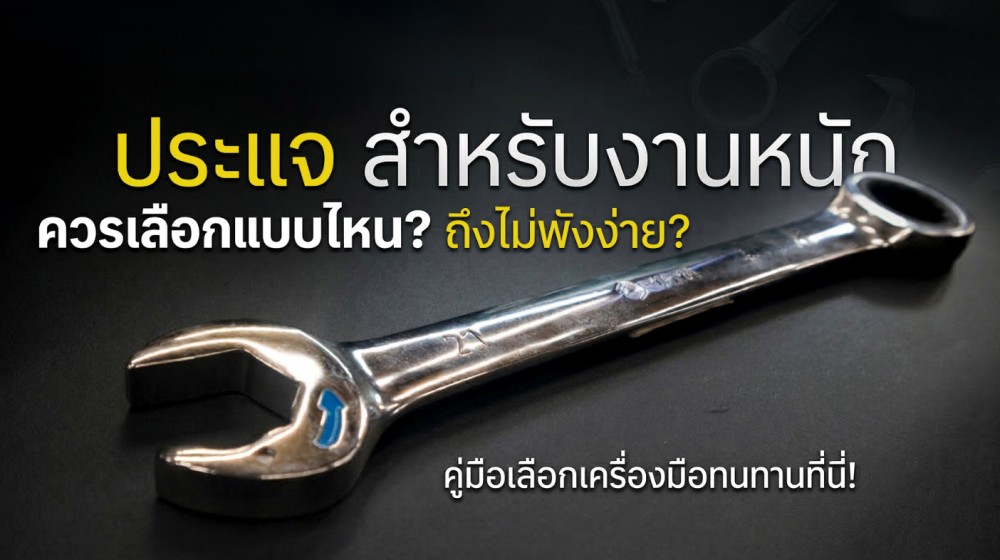
Imagine this... you're crawling underneath a car and spot a massive, rusted-out bolt completely seized to the steel. You grab your go-to wrench from the flea market, slip it on, hoping the bolt will break free... but instead, the wrench slips and rounds off! Or even worse, "SNAP!" It breaks right in half. Anyone who has experienced this knows down to the bone that the old mechanic's saying, "A good tool is half the battle," is no exaggeration. Especially when tackling heavy-duty jobs requiring massive torque, investing in the right wrench not only finishes the job faster, but it's also purely about protecting your own safety.
In this article, we'll dive deep and get straight to the point: when tackling heavy-duty work, what kind of Wrenches design and materials should you choose to guarantee it's ultra-durable, built like a tank, and can handle high torque without giving up halfway through!
Wrench material is an indispensable heart of the tool
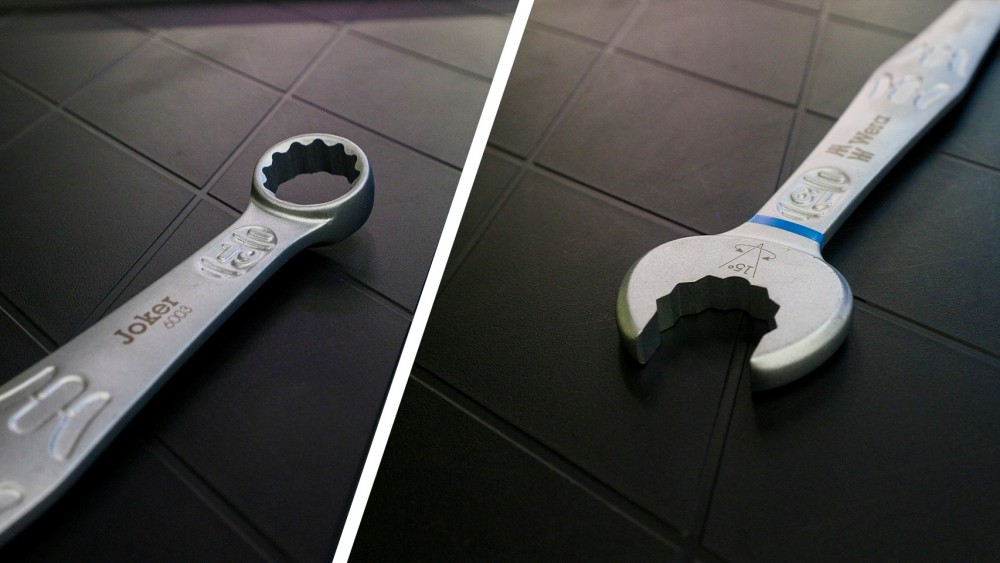
When browsing the tool aisle or picking up a wrench, have you ever noticed English abbreviations stamped into the steel? Those letters aren't just cool branding for looks; they declare the pedigree of that steel! If you're looking for a workhorse for heavy-duty tasks, the "material" is the first filter you need to inspect thoroughly. Let's take a look at the specs of each type of steel.
Standard Carbon Steel
Put it down and walk away! This is the steel typically found in ultra-cheap hand tools (like 99 THB sets or free giveaways from flea markets). The steel is both brittle and prone to chipping. Just putting your weight into loosening a car's lug nut could bend the wrench like a banana right in your hands.
Chrome Vanadium Steel (Chrome Vanadium / Cr-V)
The industry standard for tradespeople. This is the "gold standard" for most hand tools. Chromium provides rust resistance, while vanadium enhances hardness and toughness. If you buy a Cr-V wrench from a reputable brand, rest assured it will easily tackle vehicle suspensions or machinery repairs. Beware of no-name cheap tools stamped with "Cr-V" just for show; sometimes they only add a tiny trace amount just to make the marketing claim. Buying reputable brands is much safer.
Chrome Molybdenum Steel (Chrome Molybdenum / Cr-Mo)
The ultimate heavyweight champion in durability. If your job is so hardcore that you need to slip a long steel cheater pipe over the wrench handle to gain extra leverage, or endure high-impact blows from an air impact wrench... Cr-Mo material is the definitive answer!
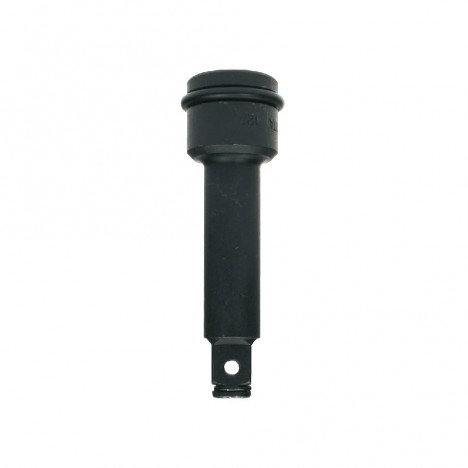
The secret lies in "Molybdenum," which gives the steel exceptional "toughness." When subjected to massive torque, it flexes ever so slightly to absorb the force instead of shattering and flying into your face like Cr-V could. If you've noticed the black impact sockets mechanics use with pneumatic impact wrenches on car wheels, that's genuine Cr-Mo in action!
Wrench Opening Profile: 6-Point vs. 12-Point
12-Point Wrench
- Pros: It engages the bolt head instantly, with barely any need to align the angle. It is absolutely ideal when reaching into tight, cramped spaces with limited swing arc.
- Cons (under heavy loads): Its Achilles' heel is that the contact point under heavy force presses squarely against the "corners" of the fastener head. Imagine trying to force a frozen, overtightened, or heavily rusted bolt... the bolt head corners will crush and round off into a marble in no time! And once the head is rounded off... a technician's nightmare begins.
6-Point Wrench
- Pros: This is the real deal for heavy-duty work! The 6-point profile is engineered to contact the "flanks" (flank drive) of the fastener head across a broader surface, rather than squeezing the corners. Under heavy leverage, it handles maximum torque with ease, reducing the chance of stripping the bolt virtually to zero! When faced with stripped, rusted, or insanely tight bolts, the 6-point profile is the only way to go.
- Cons: Slightly harder to slip onto bolt heads quickly, as you have to rotate and align the angles precisely.
Wrench Types... Which Ones Are Truly Built for Hardcore Work?
There are many wrench shapes available in the market, but let's be clear: not every shape is built to withstand massive, brute force! Today, let's look closely at which profiles truly earn the title of the tool industry's genuine heavyweights.
- Combination Wrench: The Toolbox Staple. This is the ultimate classic found in every toolbox, featuring an open end (U-shape) on one side and a box end (O-shape) on the other. Never use the "open end" to force loose severely stuck bolts! Under heavy leverage, its jaws can spread apart and chew up the bolt head. Whenever you need to break free an ultra-tight bolt or torque down that final snug turn... always switch to the "box end"!
- Breaker Bar + Socket: The Heavy Artillery. Even though it's not a one-piece tool, for heavy-duty tasks, this is by far the most powerful combo! Imagine a long breaker bar (say, 18" or 24"): it creates immense leverage. The longer the bar, the less effort you need to exert. Pair it with a tough steel socket like a 6-point Cr-Mo... and no matter how stubborn the bolt is, it won't stand a chance.
- Pipe Wrench: Deep-Bite Gripper. Specially built for piping work, its mechanism bites down harder into the pipe the more leverage you apply, making it remarkably durable. Caution: Never use it on standard hex bolts or nuts! Its sharp teeth will dig into the metal, completely butchering the fastener head.
- Adjustable Wrench: The Real Culprit in Heavy-Duty Work! Consider this a massive red warning! For hardcore tasks, adjustable wrenches are prime culprits in damaging fasteners. The worm gear mechanism that adjusts the jaw opening always has a tendency to back off slightly under high torque, preventing the jaws from gripping flush against the bolt and ultimately stripping it. Adjustable wrenches are strictly meant for light, general tasks or emergency stopgaps (unless you invest in premium brands like Bahco or Irega that lock down exceptionally tight... but pound for pound, they still can't compete with a dedicated, exact-fit box wrench).
Wrench Standards and Brands
When it comes to hand tools, a "brand name" isn't about luxury—it's about the reliability of heat treatment. Even if made from Cr-V steel, a 50 THB wrench and a 500 THB wrench undergo heat-treating processes that are worlds apart. Standard brand tools (such as European, American, or Japanese brands like Knipex, Wera, Snap-on, or trusted mid-tier global names like King Tony and SATA) are backed by recognized industrial standards
- DIN (German Standard)
- ANSI (American Standard)
- JIS (Japanese Industrial Standards)
If these standard markings are stamped on your wrench, you can rest assured it has been tested to withstand specified torque ratings without bending or snapping back into your face. But no matter how strong the steel is, moisture—its fiercest enemy—shows no mercy. So if wrenches rust quickly, how can you prevent and maintain them? we have some simple tips to help extend the life of your tools.
Conclusion
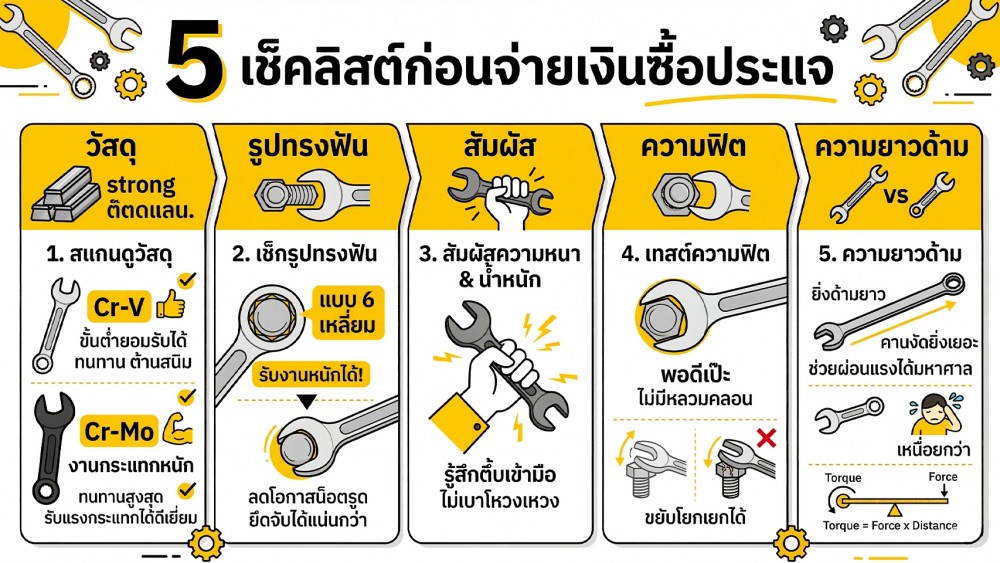
Choosing Wrenches For heavy-duty work, it's not just about walking into a hardware store and picking the biggest one. It's about understanding that immense "torque" requires the right material (Cr-V or Cr-Mo), maximum surface contact (6-point wrenches), and tools truly designed for the job (avoiding adjustable wrenches and using the box-end side or sockets instead).
Investing in quality hand tools may seem expensive at first, but believe me: a good wrench set can last for generations. And most importantly... it protects your safety and saves your expensive bolt heads from being ruined.