


 EN
 ไทย


Customers Also Purchased
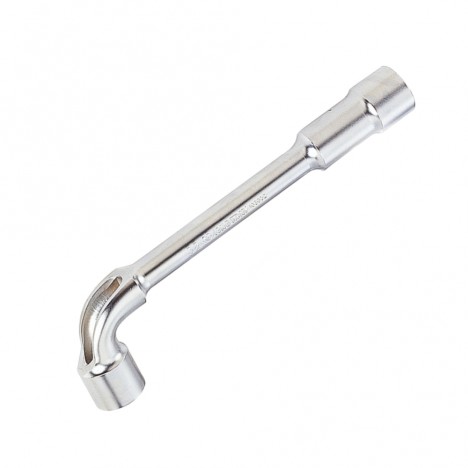
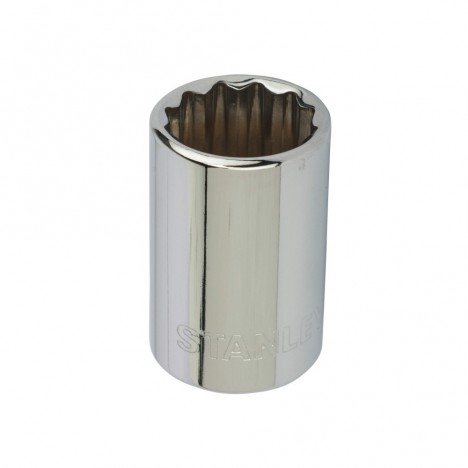
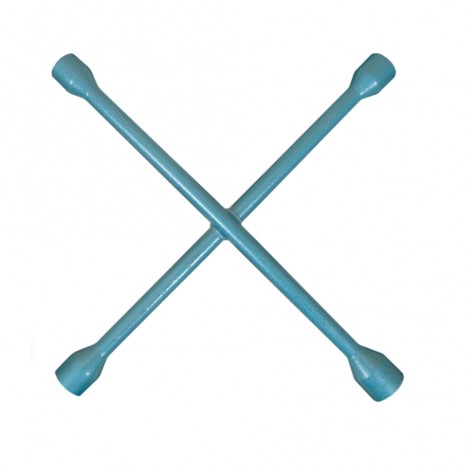
Wrenches is an essential companion for both professional tradespeople and DIYers, serving as a right hand that adds power to tightening or loosening various bolts. Yet no matter how much or little anyone uses them, everyone inevitably faces the problem of "rusty wrenches." This is especially true in humid weather, frequent rain, or when maintenance is neglected. Rust not only makes tools look old, worn, and unappealing to use, but it also impacts performance—such as making the wrench jaws slip, failing to grip bolts tightly, or risking breakage under high force, which could endanger the user. This article will guide you through the underlying causes of why wrenches rust easily, early prevention methods, and professional maintenance techniques to keep your tools in excellent condition, ready to tackle heavy-duty jobs for decades.

Why do wrenches rust easily?
Air humidity
Humidity acts as a catalyst for oxidation between iron and oxygen in the air. This process, known as "rusting," transforms the metal surface from strong steel into brittle, non-durable iron oxide. When a wrench frequently comes into contact with water, steam droplets, or even ambient humidity, moisture clings to the surface and penetrates into the steel, causing rapid corrosion. If it is not wiped dry or stored properly, rust will continue to spread, eventually degrading the wrench's quality and preventing it from performing at full capacity.
Hand sweat from the user
Our hands carry sweat and natural oils that are mildly acidic. Although seemingly minor, they have a direct effect on rust formation. When wrenches are frequently handled without being wiped clean, sweat and oils accumulate on the steel surface, initiating corrosion and accelerating rust development. This is especially pronounced in areas with scratches or hairline cracks on the wrench's surface, where moisture and chemicals from sweat can penetrate deeply and effectively accelerate metal degradation.
Improper storage
Placing wrenches in damp, poorly ventilated areas—such as unventilated storage rooms or garages with standing water—carries an exceptionally high risk of rust formation, as accumulated moisture can easily seep into the metal. Moreover, placing wrenches directly on the ground not only risks exposure to moisture, but also to contamination from dust, soil, or chemicals that can accelerate steel corrosion. Therefore, wrenches should always be kept in a dry, clean place elevated off the ground to prevent long-term damage.
Type of steel used in wrench manufacturing
Some wrench models are made from plain carbon steel without added surface protection, making them more prone to rust than wrenches coated with chrome, nickel, or specialized paint. These coatings serve as a protective barrier that reduces direct contact between the steel, air, and moisture. In addition, wrenches with quality surface coatings offer better scratch resistance and a longer service life. Therefore, if you want to minimize the chance of rust from the start, choosing a wrench with appropriate surface coating is a smart choice.

How to Prevent Wrenches from Rusting from the Start
Choose Wrenches with Rust-Resistant Coating
Whenever possible, choose wrenches with chrome or nickel plating, as the coating acts as a barrier against air and moisture, preventing direct contact with the steel surface. It also enhances resistance to scratches, abrasion, and reduces the buildup of dirt and grime. High-quality coated wrenches have a significantly longer service life, making them ideal for those seeking durable tools for heavy-duty, long-term use.
Wipe Clean Every Time After Use
Even after just a few minutes of use, always wipe the wrench dry with a clean, dry cloth to remove water stains, moisture, and sweat buildup—especially when used in humid conditions, rain, or with oily hands, as these can rapidly accelerate rust formation. Wiping it dry immediately after use significantly minimizes risk and extends the lifespan of the wrench.
Apply a Thin Coat of Oil to the Surface
Use a multi-purpose oil (such as rust-preventive oil or WD-40) to spray or apply a thin protective layer onto the wrench surface after it has been cleaned and thoroughly dried. Spraying should be done in a well-ventilated area. Use a clean cloth or soft brush to spread the oil evenly, forming a thin protective film that shields the bare steel from direct contact with moisture, dust, and grease. Reapply every 1-2 months or whenever the wrench is heavily used in high-humidity environments.
Store in an Enclosed Toolbox or Storage Unit
A good toolbox should seal tightly to keep dust and moisture from penetrating inside. Additionally, adding silica gel packets or desiccant beads can effectively absorb moisture from the air inside the box, maintaining low relative humidity and further inhibiting rust formation. If possible, replace or recharge the desiccant packets every 2-3 months to maintain continuous moisture-absorption efficiency.
Avoid Storing in Damp and Humid Areas
If stored in a garage or basement, consider installing a dehumidifier to keep moisture levels appropriately low. If a dehumidifier is unavailable, run ventilation fans regularly to circulate the air and reduce moisture accumulation. Additionally, inspect the surroundings periodically for standing water, leaks, or condensation spots so they can be addressed before moisture damages your wrenches and other hand tools.


Maintenance Techniques to Make Wrenches Last Longer
Regularly Inspect Your Wrenches
Take your wrenches out for inspection every 1-2 months even if they haven't been used, checking for early signs of rust, scratches, or accumulated grime. Inspect them in well-lit conditions, rotating and examining every angle of the wrench so no hidden rust spots are missed. If any minor issues are found, clean and apply anti-rust oil immediately to halt rust progression and extend the wrench's lifespan.
Clean Rust Stains Immediately
If minor rust appears, gently buff it off using a brass brush or fine wet sandpaper (grit 400-800), sanding in the direction of the wrench's surface grain to avoid creating deep scratches that could promote new rust in the future. Then, wipe clean with a cloth to ensure no rust debris or dust remains, followed immediately by applying rust-preventive oil or a protective spray to restore a protective barrier so the wrench can be used with confidence.
Separate Rusted Wrenches
If any wrench begins to rust, promptly separate it from the unaffected tools and store it in an isolated container or plastic bag. This prevents rust from spreading through airborne moisture or direct metal-to-metal contact. Then, proceed to clean and remove the rust as soon as possible to reduce the risk of spreading to other tools.
> A good wrench is half the battle won... the rest depends on whether you installed the bolt right!

Common Misconceptions About Wrench Maintenance
Storing in engine oil prevents rust best
Although engine oil has some rust-preventive properties, immersing wrenches directly in engine oil is not a suitable method. Because engine oil has high viscosity, it leaves a sticky, messy residue that clings to the tool. It may also react with nearby materials such as rubber O-rings or plastic components, causing them to deteriorate, become brittle, or lose operational efficiency more quickly. In addition, accumulated oil stains attract dust and dirt. Therefore, you should use rust-inhibiting oils or sprays specifically designed for tools instead.
Just applying Vaseline is enough
Vaseline can help keep moisture out to a certain degree because of its water-resistant and air-blocking properties, but it does not withstand extreme heat or repeated hand contact. Vaseline melts or rubs off easily, causing its protective effectiveness to decline rapidly. In addition, the sticky Vaseline residue traps dust and dirt, making the wrench surface dirty and potentially accelerating wear. Therefore, it is not a suitable choice for wrenches that are used frequently or exposed to harsh environments.
Chrome-plated wrenches will never rust
Wrong! Chrome-plated wrenches only help slow down rust formation; they do not provide complete rust prevention. If the chrome plating is damaged—such as by deep scratches, severe abrasions, or wear from improper use—the unprotected steel underneath will be exposed directly to air and moisture, causing rust to form as well. Therefore, even with chrome-plated wrenches, you should use them carefully and regularly check their surface condition.
Conclusion
Preventing and maintaining wrenches from rusting is not difficult at all; it just requires paying attention to every step, from purchasing, using, and cleaning to proper storage. A small investment of effort today will help extend the lifespan of your wrenches for years to come and save you money on buying new tools.