


 EN
 ไทย



Customers Also Purchased
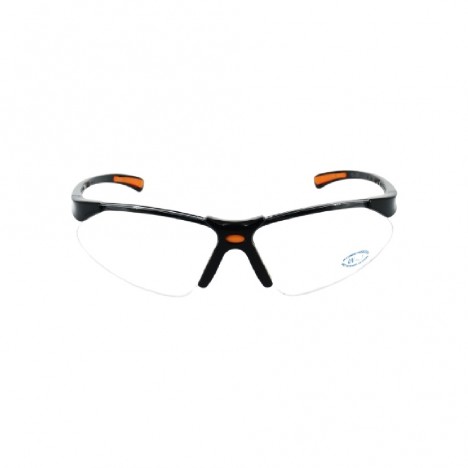
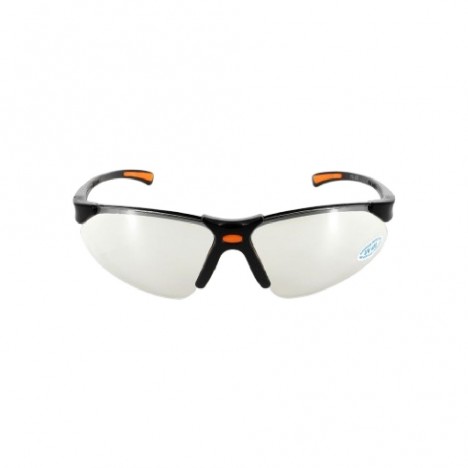
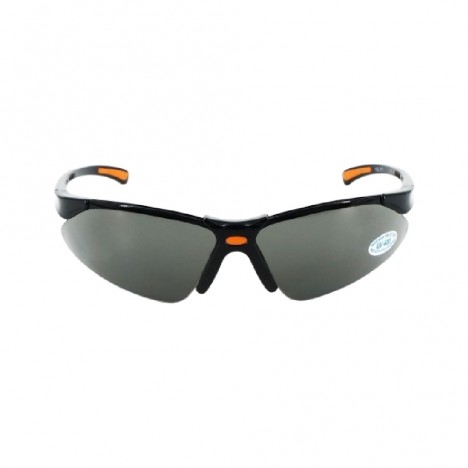
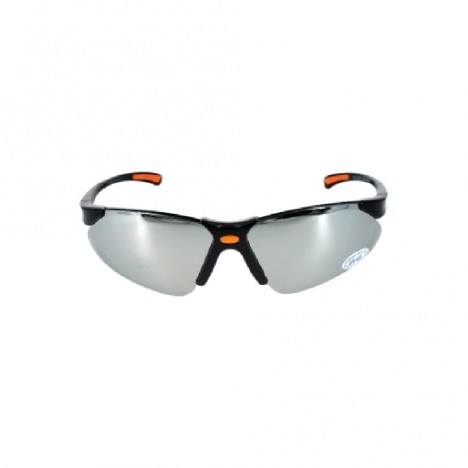
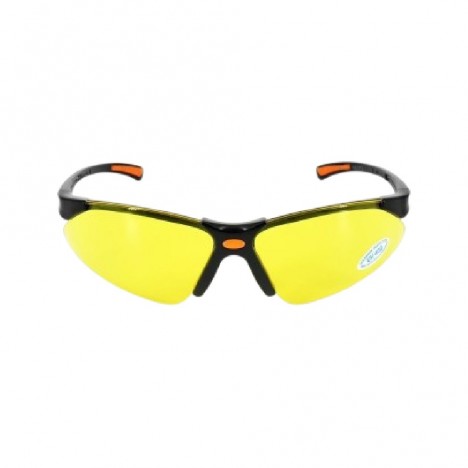

Have you ever experienced this while wearing Safety Glasses after working for a while? Especially when constantly moving between areas, alternating with wearing a mask, walking into air-conditioned rooms, or even working in humid spaces. Those small words like Anti-fog and Anti-scratch aren't just labels slapped on; they are special features that come with safety glasses. Choosing wrong will definitely lead to frustration.
In this article, we'll explain in simple terms how Anti-fog and Anti-scratch differ, how they work effectively, how to maintain them to prevent the coating from getting damaged, and most importantly, how to choose the right one for your job!
What are Anti-fog safety glasses? Why does fog build up easier than you think?
Let's start with "fog" first, because this is one of the top reasons people unconsciously take off their safety glasses. Fogging occurs when moisture in the air condenses on the lens surface and gathers into tiny droplets scattered all over it, scattering light and making vision blurry and cloudy, like a light mist in front of the lens.
- Wearing a sanitary mask/dust mask where breath vents upward onto the lenses
- Walking in and out of air-conditioned rooms from outside (rapid temperature changes)
- Working in humid areas with heavy sweating
- Work that requires bending down and looking up close to the workpiece, where your breath blows directly onto the glasses
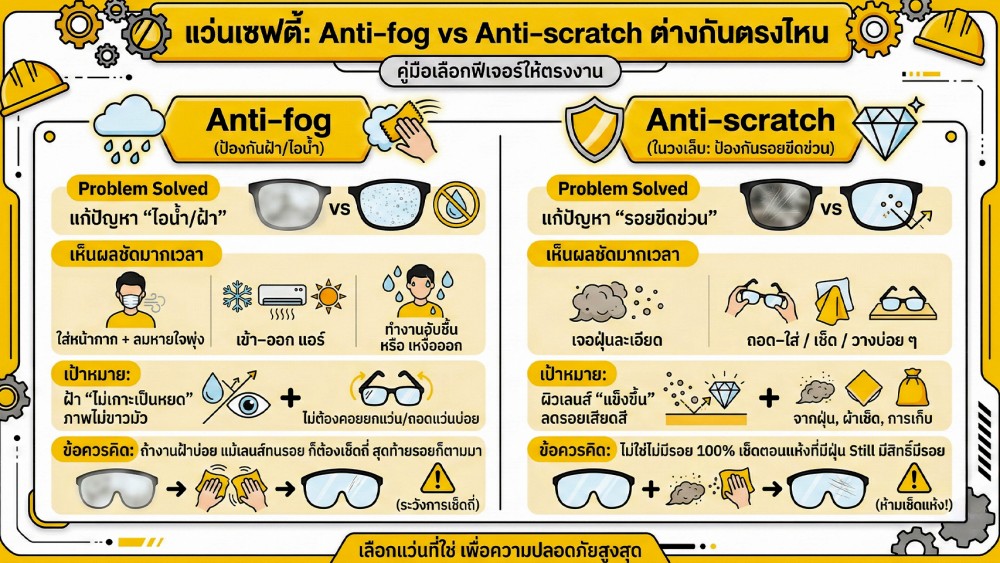
Anti-fog is a coating—a lens surface technology that prevents water vapor from condensing into droplets that cause fogging. The general working principle comes down to 2 approaches.
- Making the lens surface water-loving (Hydrophilic): Water vapor won't form into droplets, but instead spreads out into a thin film of water. Vision remains relatively clear rather than spotted and blurry.
- Making the lens surface water-repellent (Hydrophobic): Water doesn't form a layer, but rolls off quickly (this approach is found in certain models/brands).
However, in most safety glasses that genuinely focus on anti-fogging, the Hydrophilic approach is more common because it controls droplet condensation well when there is a large volume of moisture. Good anti-fog doesn't mean it will never fog up for a lifetime, but it reduces fogging enough so you can keep working without lifting your glasses, wiping them constantly, or getting frustrated enough to take them off.
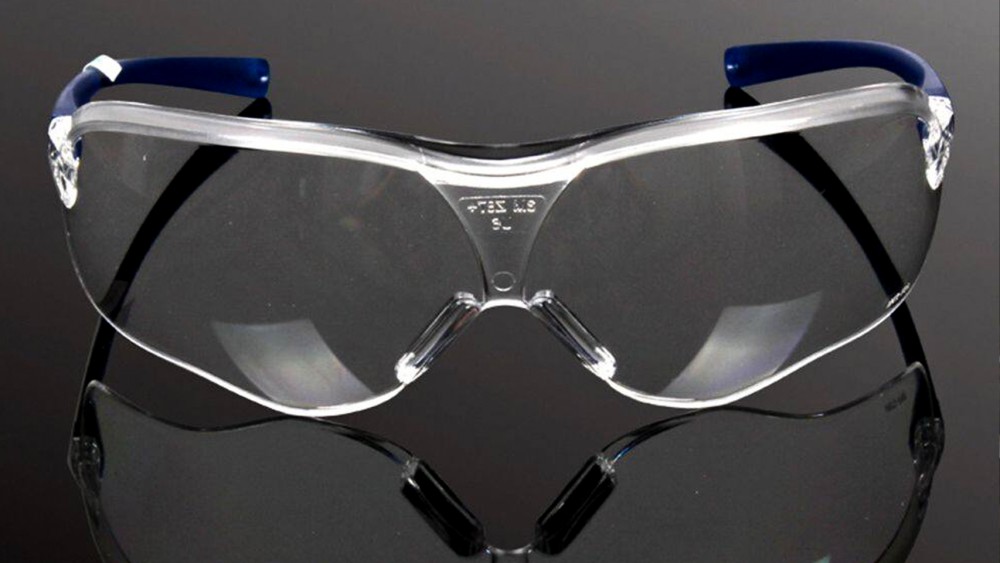
What are Anti-scratch safety glasses? Why do glasses get scratched easier than we think?
On the other hand is Anti-scratch or scratch-resistant. Some people read this and assume, "Oh, then the lenses won't get scratched at all," which is not true. Generally, most safety glasses lenses are made of Polycarbonate because it is tough, impact-resistant, and shatter-resistant, making it ideal for flying debris and impacts. But the downside is that it scratches much more easily than glass, especially when we accidentally wipe the lenses with clothing, a dusty dry cloth, or rough tissue paper.
Anti-scratch is a hard coat applied to the safety glasses lens surface. It functions to increase surface hardness, reducing the chance of scratches from everyday friction, such as fine dust, storing them in a bag mixed with other items, or standard cleaning.
- Anti-scratch does not mean "completely scratch-proof"
- It helps make them "more scratch-resistant" in practical everyday use.
- If scraped hard by sharp, hard objects, it can still scratch.
Why does choosing the wrong safety glasses cause them to fail so quickly, even under normal use?
The phrase "safety glasses fail quickly" here doesn't mean breaking or shattering. It means chronic lens fogging requiring frequent removal, quickly scratched lenses leading to blurry vision and glare, or premature coating degradation from improper care. The most common issues are buying Anti-fog but using them incorrectly until the anti-fog coating is ruined, or buying Anti-scratch and using them in heavy-fog conditions where frequent wiping is needed, eventually scratching them anyway. Facing these issues, many might wonder, "Do safety glasses have an expiration date? When should you replace them?"
Wearing a dust mask (e.g., grinding/cutting/sanding) but mistakenly choosing Anti-scratch safety glasses
Fog appears constantly, requiring very frequent wiping. And it is this wiping that ruins the lenses quickly, because when fine dust settles on the lens, wiping = "dragging dust particles" across the lens surface. Even with Anti-scratch, scratches can still occur—especially when wiped dry.
General work with little fogging, but storing glasses mixed with tools in a bag and choosing Anti-fog safety glasses
The result is that lenses scratch very quickly because Anti-fog provides no protection against friction. Moreover, some anti-fog coatings are actually "softer" than anti-scratch layers (to allow the water-film mechanism to work effectively). Even minor scrapes leave visible marks, and once scratched, light scatters, making the lenses appear hazy much faster.
Buying Anti-fog safety glasses and wiping them daily with alcohol or harsh chemicals
The result is rapid degradation of the anti-fog coating. It often begins with "fog prevention working only when brand new," after which the fog returns just as quickly as before. Some assume the product is low quality, but in reality, certain coatings cannot tolerate harsh cleaning agents or heavy scrubbing.
Heavy fogging conditions + genuinely choosing Anti-fog, but "wiping hard" while sand grains or cement dust are stuck on the lens
This case is common in masonry work, wall sanding, and heavily dusty woodworking. Even with Anti-fog + Anti-scratch, it can still be ruined if you wipe it while fine dust is stuck firmly. This dust acts like abrasive grit; when rubbed hard, it causes circular scratches or blotches, and after that, the lens fogs up even more easily because the surface is no longer smooth.
Outdoor work / reflective work, but using lenses with heavy scratches causing glare diffusion
Many people think it is just a matter of aesthetics. But once the lens develops frequent fine scratches, exposure to sunlight or reflections from metal scatters the light into a hazy glare. This causes eye fatigue, headaches, and leads to squinting or lifting the glasses more frequently. Once this habit of lifting the glasses begins, the risk of debris entering the eyes increases without you even realizing it.
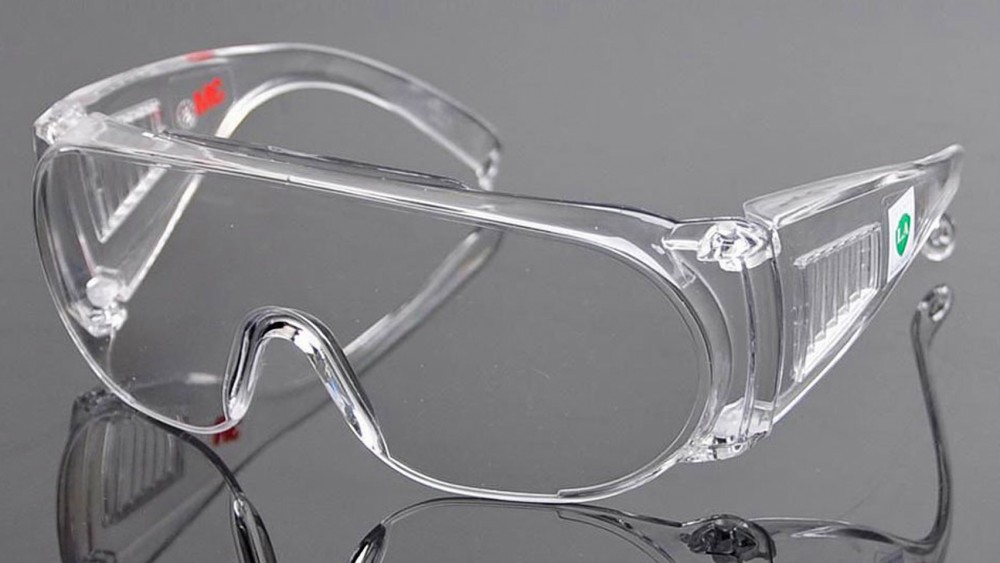
How to care for Anti-fog / Anti-scratch safety glasses to prevent premature deterioration
This is what causes safety glasses to wear out the fastest. Many people buy good models but care for them improperly, ruining the coating themselves. Here is the cleaning routine that works well for me:
- Blow or brush away dust first. If you have an air blower or can blow gently with your breath, clear the dust away before wiping. Never wipe immediately.
- Rinse with clean water first if there is a lot of dust. Let running water wash over the lens to dislodge particles before wiping.
- Use a soft microfiber cloth. A good quality cloth significantly reduces scratches.
- Use a solution suitable for coated lenses. Some people use alcohol to wipe them every day, which quickly ruins the anti-fog coating. If possible, avoid it and use a gentler formula, or simply use mild soapy water and rinse thoroughly.
Things to avoid (these really ruin them fast)
- Dry-wiping lenses while dust is present
- Wiping with work shirts or shirt hems
- Using rough paper towels or tissues
- Spraying harsh chemicals directly onto the lens
- Placing the glasses face-down on a table
- Storing them together with tools without a protective pouch
Q&A: Anti-fog and Anti-scratch Safety Glasses
Anti-fog is not magic
If the air is very humid and your breath blows directly against the lens, fogging can still happen. The difference is that it clears quickly or doesn't build up into heavy fog.
Anti-scratch also has its limits
If heavily scratched or wiped incorrectly often, scratches will still appear, but much slower than on uncoated lenses.
Coatings degrade over time and with use
Especially Anti-fog: if frequently exposed to harsh chemicals or scrubbed vigorously, the coating layer will wear thin.
Select Safety Glasses Additional Info