


 EN
 ไทย


Customers Also Purchased
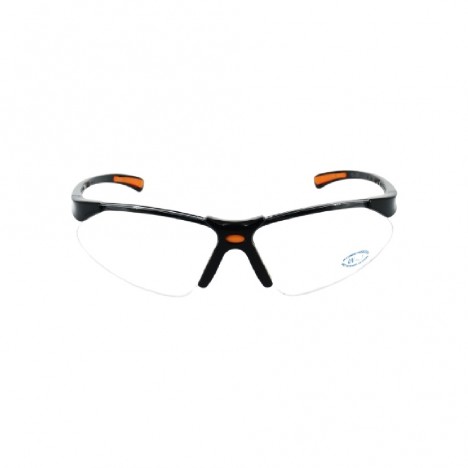
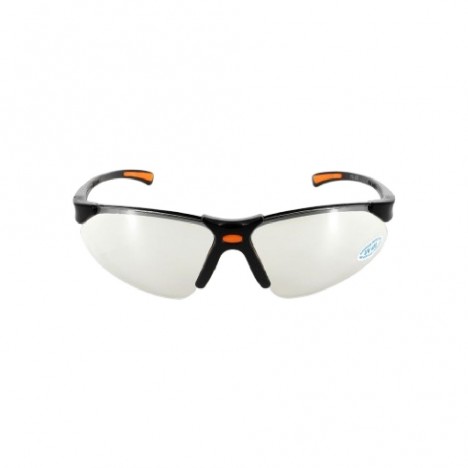
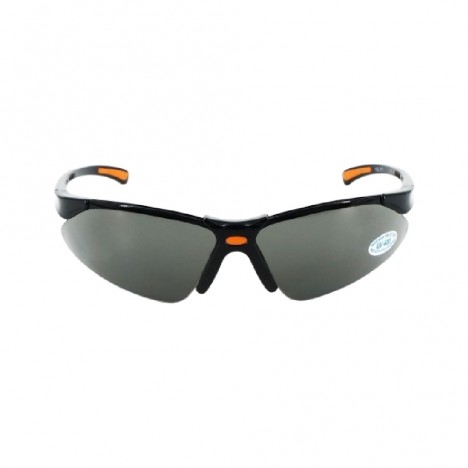
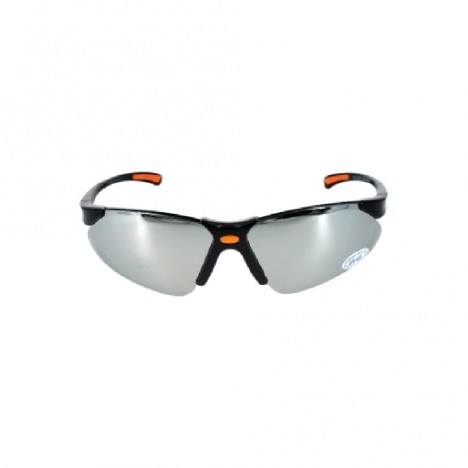
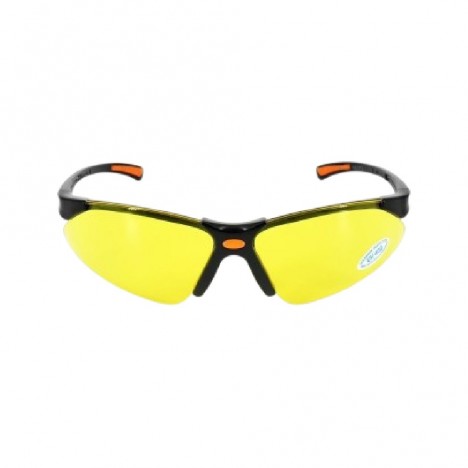

Have you ever wondered whether safety glasses Safety Glasses actually have an expiration date? Or can we just use them forever until they get lost or break? This might seem like a simple question, but it directly affects your safety. Using degraded safety glasses is almost no different from wearing nothing at all. In this article, we'll take a deep dive into whether safety glasses really have an expiration date, how to tell when they start degrading, and when you should replace them for maximum safety.
What are safety glasses, and what are they really for?

Types of Safety Glasses
- Clear Safety Glasses: These are considered the standard model of safety glasses, ideal for general work without intense light or specialized hazards. They provide clear vision just like regular glasses. Anyone doing general workshop work is likely very familiar with this type.
- UV or Infrared-Filtering Safety Glasses: These are perfect for welding work or tasks involving bright glare from machinery, as such light is more intense than our eyes can bear. Without proper protection, you risk serious eye injuries. These safety glasses help filter out harmful UV and infrared radiation, allowing you to see your workpiece clearly and much more safely.
- Safety Goggles: Ideal for anyone working in heavy dust environments or where airborne chemicals are present, as they seal completely around the eyes, preventing foreign objects from penetrating. Anyone who has used them knows how secure they feel—almost like burying your face in a soft pillow. Don't think I'm exaggerating; you really have to try them.
- Anti-Fog Safety Glasses: You've likely experienced this scenario—working in a humid, steamy environment or cold storage. Have you ever put on glasses and had them fog up completely after just one breath, leaving your vision totally blurred? These safety glasses are the answer! Featuring a special coating that prevents vapor condensation, they offer peace of mind and clear vision even in warm, humid areas.
Do safety glasses have an expiration date?
Let's put it bluntly: safety glasses don't have an expiration date stamped on them like medicine bottles or snacks from convenience stores. There is no exact date printed to check. Instead, what they have is a service life—meaning the duration over which the safety glasses can still fully protect your eyes as intended. This depends on the materials used to make the safety glasses as well as the daily working environment. Typically, the lifespan of safety glasses is around
- 6 months to 3 years, depending on frequency of use, maintenance, and the operating environment. For instance, if used outdoors with high sun exposure or intense chemicals, the lifespan may be significantly shortened.

Causes of Safety Glasses Deterioration
- Scratched lenses: Have you ever worn safety glasses and felt like you were looking through a window scratched by a cat? That’s right—scratches on the lenses are the real problem. They may look small, but as they accumulate, they blur your vision, sometimes forcing you to squint or tilt your head just to find an angle where you can see clearly again. This is definitely unsafe, especially when performing tasks that require precision.
- Yellowed or cloudy lenses: Many people might not notice this because the change happens so gradually that you get used to it. Sometimes after wearing glasses for a long time, you might feel like the world looks dimmer than usual—not because of your mood, but because the lenses have accumulated damage from intense sunlight or chemicals, turning yellow or cloudy. At this point, they have deteriorated. It's like wearing a blurry filter that serves no purpose; they should be replaced immediately to restore crystal-clear vision.
- Brittle or cracked plastic frames: Some people might not realize that the frames they wear every day are gradually becoming stiff and brittle. Especially if the glasses are exposed to intense sunlight or regularly left in a car, the heat will slowly cause the plastic to turn brittle without you noticing. Then one day, a minor accidental drop could result in an instant "crack!". You shouldn't force yourself to keep using them like this, because if the glasses break while you're working, they could become more of a hazard than a protection.
- Loose or detached lenses: This is a common issue, especially for those who have used their glasses for months or years. Over time, the lenses may start to slip out of the frame or shift on their own whenever you look up or down. This is a sign that they're no longer safe. If a lens suddenly pops out while you're working, it's no laughing matter—not only will you lose clear vision immediately, but you also risk debris getting directly into your eyes.
- Deteriorated nose pads or temple arms: These small components are often overlooked, but they are actually what make glasses either comfortable or annoying to wear. If the nose pads become stiff, sticky, or torn, and the temples become loose causing the glasses to constantly slide down your nose so you have to push them back up every two minutes, it's time to let them go. Beyond being annoying, there's a risk of the glasses falling off during critical work. Replace them before they drop onto your workpiece or bounce back into your face unexpectedly!

When Should You Replace Safety Glasses?
1. When scratches obstruct your vision
Small scratches might not seem dangerous at first—just like tiny scratches on a phone screen that become annoying over time. But when they accumulate enough to block your line of sight, forcing you to tilt your head just to see clearly, that is a clear sign it's time for a replacement. If you can't see clearly, misjudgment can easily lead to accidents, especially when working with machinery or sharp objects.
2. When lenses discolor or turn hazy
This is especially true for lenses with UV coating. When they start to look dull or turn yellowish, it doesn't just make them look old; it significantly degrades their light-filtering performance. As the UV coating deteriorates, your eyes are unknowingly exposed to harsh light, similar to walking in bright sunlight without sunglasses. It is extremely risky to keep using them.
3. When the frame becomes brittle or fits too loosely
If simply wearing them feels loose, causing you to constantly push them up as you walk around, or if the frame has warped so they sit crooked on your face, the glasses are past their prime. The structure has deteriorated significantly, meaning they can no longer fully protect your eyes as they did when new. It's time for a replacement.
4. Use in high-intensity conditions
If your work involves flying dust, sparks, or impacts on a daily basis—such as grinding, metal cutting, or anything where debris frequently flies toward your face—we recommend replacing your safety glasses before they completely break. Because your glasses endure heavy wear and tear constantly, replacing them more frequently is like keeping your armor fresh so your eyes remain continuously protected.
5. Reaching the manufacturer's recommended lifespan
Some manufacturers helpfully state in their manuals how many months a model should be replaced after. Even if the outside looks fine with no scratches or cracks, the internal materials may have already started degrading. It's just like car tires that look new but need replacing once expired for safety. Therefore, when the recommended replacement period arrives, go ahead and replace them—it's far better than taking risks when the unexpected happens.
How to Maintain Safety Glasses for Longer Use
How to Properly Maintain Safety Glasses for Optimal Performance Wipe with a microfiber cloth after every use, and Never use rough cloth or tissue paper, as it may scratch the lenses Wash with mild soapy water and avoid harsh chemicals. When it comes toStorage Store in a dedicated anti-scratch case or pouch Avoid sunlight and high heat, such as not leaving them in a car Do not place on heavy objects or under heavy items
Safety Standards: An Aspect You Cannot Overlook
- ANSI Z87.1 (United States)
- EN166 (Europe)
- AS/NZS 1337 (Australia/New Zealand)
- TIS No. 2921-2560 (Thailand)

Safety Glasses Even though safety glasses have no clearly stated expiration date, continuing to use deteriorated glasses means you are unknowingly diminishing your eye protection bit by bit. Replacing your glasses when the time comes is not wasteful; it is a worthwhile investment in your safety. Remember, we only have one pair of eyes. Don't let carelessness or being frugal become the cause of an irreversible accident.