


 EN
 ไทย


Customers Also Purchased
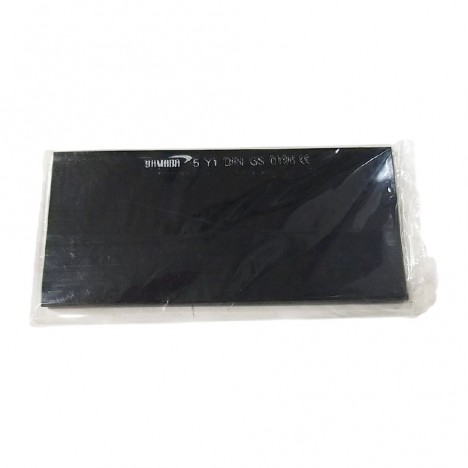
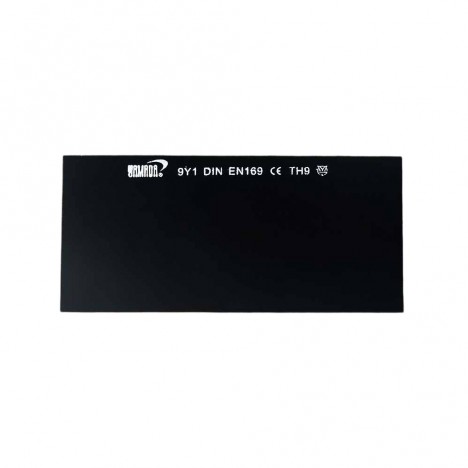
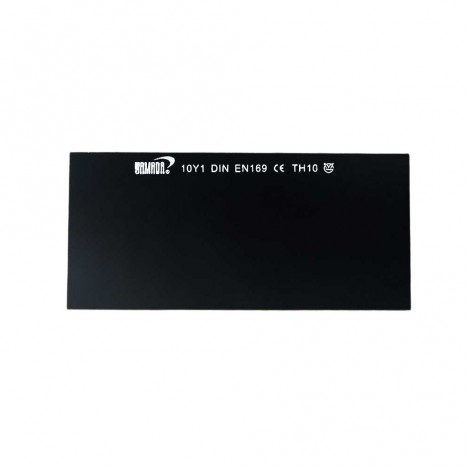
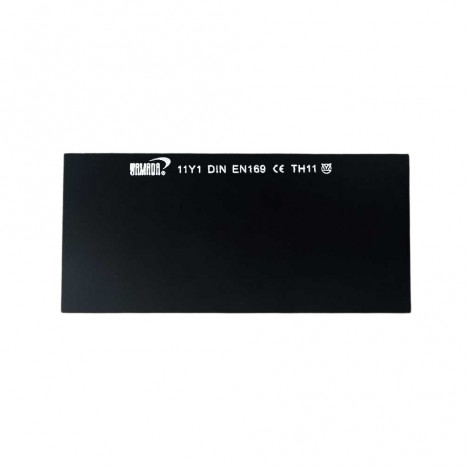
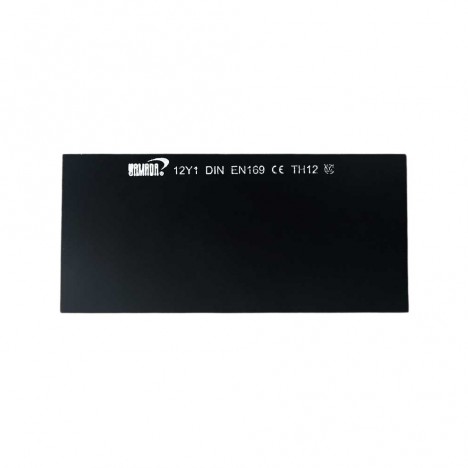
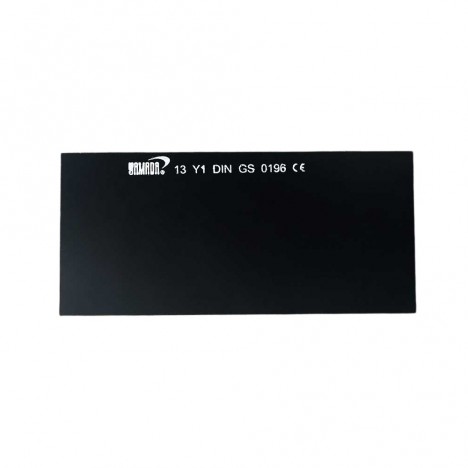
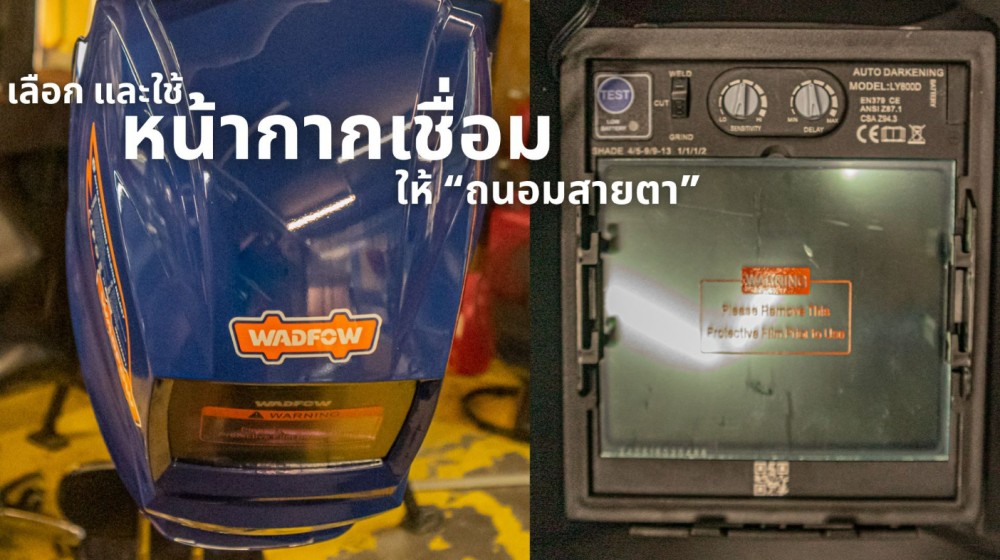
Before we talk about that, Welding helmet Try asking yourself this question: why do some people weld for just a short while and end up with "burning eyes" that feel like sand is in them? Yet others can weld all day and seem perfectly fine, even though the work isn't that different? Really, the main difference lies in "eye protection". And the misconception that simply "wearing or holding a welding helmet is enough" is precisely what causes eyes to suffer accumulated strain without people realizing it.
Light isn't just about "bright glare"; it also carries invisible radiation, reflections from metal surfaces, fumes that cause dry eyes, and brief moments when we inadvertently look from the wrong angle or lift the welding helmet away from our eyes. All of this accumulates. Today it might just be fatigue, but doing it often leads to constant squinting, quicker headaches, or finishing work some days with an unexplainable burning in your eyes—even though you thought you were wearing a welding helmet.
The term "welding helmet" doesn't just mean blocking the intense flash when an arc strikes. It is a protective system against various types of radiation, including UV/IR, spatter, fumes, and hot metal splashes. Most importantly, it provides "clear visibility of workpiece details" so you can control your weld bead better without straining your eyes to the point of exhaustion.
In this article, we'll examine point by point how to choose, use, and adjust a welding helmet—ranging from lens quality, settings, and light sensitivity, to welding habits that cause unnoticed eye fatigue, along with practical tips to truly protect your eyesight in the long run, not just keep your eyes from stinging today.
Why do my eyes still sting even when wearing a welding helmet?
This condition is what many call "arc eye" or "welder's flash." It usually stems from: UV radiation from the welding arc, as well as fumes entering the eyes from lifting the welding helmet at the wrong moment, using a lens shade unsuitable for the welding current, or a welding helmet that doesn't darken fast enough (especially older or low-quality auto-darkening helmets).
Some people don't feel the burning sensation right away. Instead, eye fatigue accumulates gradually. On days with heavy workloads, lights in the dark look blurry with halos, or you start feeling that you "need to squint much more than before."
The critical question is: are our eyes hurting from "light and fumes" or from "having to squint"? And can a welding helmet really help solve both of these issues?
What should you look for when choosing a welding helmet to protect your eyes?
When people choose a welding helmet, most look only at "how dark it is" or "whether it's auto-darkening." What to consider before buying a welding helmet? 5 important points often overlooked But if you truly want to protect your eyes, I suggest looking at 6 main pillars: shade level, filter quality, switching speed, optical clarity, fit around the face/neck, and weight affecting prolonged use.
1. Shade: Choosing the darkest option isn't always the best
We might inadvertently think that for a welding helmet, "the darker it is, the better it protects the eyes," right? But if it's too dark, the brain automatically forces your eyes to squint harder, and your weld bead may waver because you can't clearly see the weld pool.
The simple rule of thumb is: Choose the right Shade for your welding current and process If welding with very high current, you need a higher Shade to block the intense glare. But for thin workpieces and low current, using a Shade that is too high prevents you from seeing details like joints, V-grooves, or edges. You will then end up lifting your welding helmet to check more often, which is the very culprit that exposes your eyes to more light without you realizing it.
2. Choose a reliable auto-darkening welding helmet
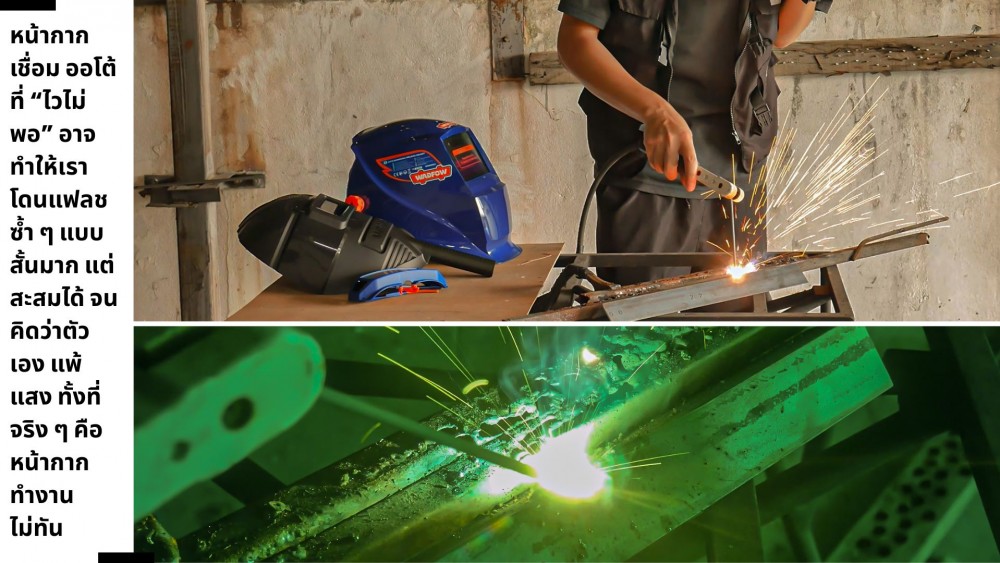
A good auto-darkening helmet significantly protects your eyes because you don't have to constantly flip the helmet up and down, reducing the risk of stray arc light entering your eyes and helping you align the weld joint more accurately before striking an arc. Let's look at what makes a good auto-darkening helmet.
- Switching speed Fast enough that you barely notice any flash
- Number of sensors The more sensors there are, the lower the chance of blocking them with your hands or workpieces, which could cause the lens to fail to darken.
- Shade adjustment range Must cover your actual work applications, not just boast a wide range of numbers with no noticeable difference when adjusted.
- Grind mode Easy to use so you don't accidentally switch back to welding mode while grinding.
High-quality helmets darken as fast as 1/30,000 second
3. Optical clarity is essential and affects eye strain
When looking through a welding helmet, you aren't just looking at the "arc light"; you also need to see workpiece details like joint edges, gaps, bevels, or the weld puddle flow. If the lens has low clarity, distorts images, or causes double vision, you will unconsciously strain your eyes more. It is also important to understand that Do welding helmet lenses have a lifespan? After how many years should they be replaced? Rating of Optical Class 1/1/1/1 is the highest standard, ensuring true color perception and reduced image distortion.
4. Does a larger viewing area make it easier on the eyes?
A welding helmet with a large viewing area helps you "avoid moving your head" excessively, making it easier to see your surroundings, reducing neck stiffness, and cutting down on the constant refocusing required by changing angles. However, bigger isn't always better; if the helmet is too heavy or poorly balanced, you'll end up with neck pain instead.
5. Welding helmet headgear: An overlooked "eye protector"
If a welding helmet is loose, light can easily leak in from the sides, or the lens may sit out of position, forcing you to lift your chin to find a clear angle. Ultimately, this leads to eye fatigue and a stiff neck. Therefore, good headgear must be multi-adjustable—from head circumference and lens-to-face distance to height settings—and must stay securely locked in place. Real-world welding involves constant bending, looking up, and turning; if the helmet slips even slightly, eye strain increases immediately.
6. Weight and fit affect "accidentally flipping up the welding helmet"
A helmet that is heavy or too hot makes you accidentally flip it up frequently, whether to catch your breath or to see the workpiece clearly. This is a risky habit, because flipping it up and down is precisely when you are most prone to arc flash, especially if others strike an arc nearby.
How safe are handheld welding shields, when should they be used, and how do they differ from head-mounted helmets? A welding helmet that is comfortable, well-ventilated, and fits snugly allows you to "keep it on" without unconsciously taking it off or flipping it up often, directly keeping your eyes safer.
Techniques to adjust your welding helmet so "your eyes don't have to work hard"
The goal is to use a welding helmet to see the weld pool clearly without straining your eyes, and without having to move your head too close to the workpiece. Leaning in close doesn't just affect visibility; it also increases the chance of fumes getting into your eyes and face.
Adjust Sensitivity to match ambient job site lighting
Sensitivity that is too high will cause the welding helmet to darken unintentionally from reflections or someone welding far away, leading you to lift the helmet frequently. But if it's too low, the helmet might not darken when striking a low arc, such as low-amperage TIG or small tack welds.
The principle is: if you work in an area with many people welding, lower the Sensitivity a bit to prevent erratic darkening. However, if you are doing precision work, low-current welding, or TIG, increase the Sensitivity to detect the arc more reliably.
Setting Delay Time correctly prevents residual arc glare
Delay time is the duration the welding helmet takes to switch from dark back to light after the arc is extinguished. If set too short, while the weld pool is still glowing red or when striking quick repeated arcs, your eyes will frequently catch bright flashes. But if set too long, your view of the workpiece is delayed, causing annoyance and prompting you to flip up the helmet.
For jobs requiring frequent spot or tack welds, it is recommended to set the Delay to "medium to long" to reduce rapid light-dark cycling that causes eye strain. For continuous long-seam welding, a medium Delay is sufficient.
Welding habits that cause eye strain even with a good helmet
Even if the lens offers great protection, if the welding helmet is tilted or has side light gaps, stray light can still enter your eyes—especially when you need to tilt your head in tight spots, such as welding under a vehicle, inner corners, or in a semi-reclined position.
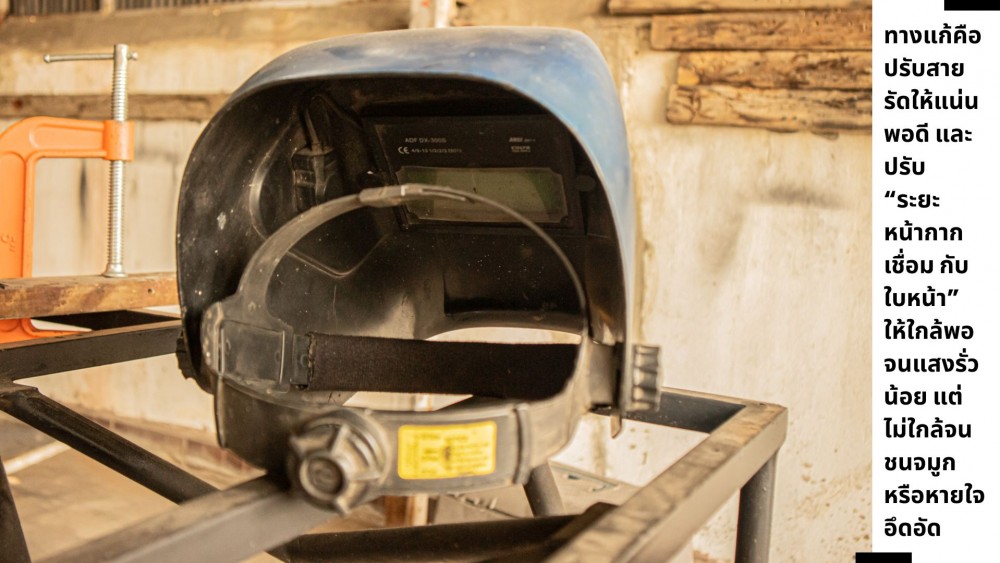
Welding and breathing in fumes that irritate the eyes, mimicking arc burn
Sometimes welding fumes and metal dust can cause irritation, resulting in dry, burning, and fatigued eyes just the same—especially in enclosed spaces with poor ventilation, or when welding stainless steel / oily workpieces.
If you are wearing a welding helmet and your eyes still sting, observe whether it's due to the light or the fumes. If it's fumes, setting up exhaust ventilation or positioning yourself upwind will help your eyes significantly.
Flipping up the welding helmet too often to check the weld bead
Every time you lift the helmet, you increase the chance of accidental arc flash. The solution is to use an auto-darkening helmet that provides a clear view before striking an arc, or improve task lighting on the workpiece so you don't need to flip the helmet up frequently.
Protecting eyes during long welding sessions—achievable just with a welding helmet
This is the "pro tip" part I want to share. It's not just about the helmet, but about managing eye fatigue. Simply put, no matter how good your welding helmet is, if you work hunched over, straining your eyes for long periods, in smoke, in tight corners, and without resting your eyes at all, your eyes will still end up exhausted. This might seem like a small detail, but if you weld frequently, you'll realize it helps you "stay on the job longer" without eye strain and without a headache at the end of the day.
- Rest your eyes periodically—don't wait until they sting to take a break. If welding continuously for a long time, try looking into the distance or closing your eyes briefly at intervals to help reduce dry eyes and continuous strain.
- Don't forget to protect your eye perimeter with safety glasses, especially for jobs involving sparks or alternating between grinding and welding. The causes of frequent eye irritation aren't just arc light, but also fine dust, small metal debris, and smoke that can constantly reach your eyes.
- Adjust your posture to keep your head steady without having to constantly "search for angles." If you have to shift your head to find an angle to see the weld pool clearly, it means the helmet or the workpiece lighting isn't balanced. Frequent head movements turn into continuous "motion tracking," which tires your eyes out very quickly.
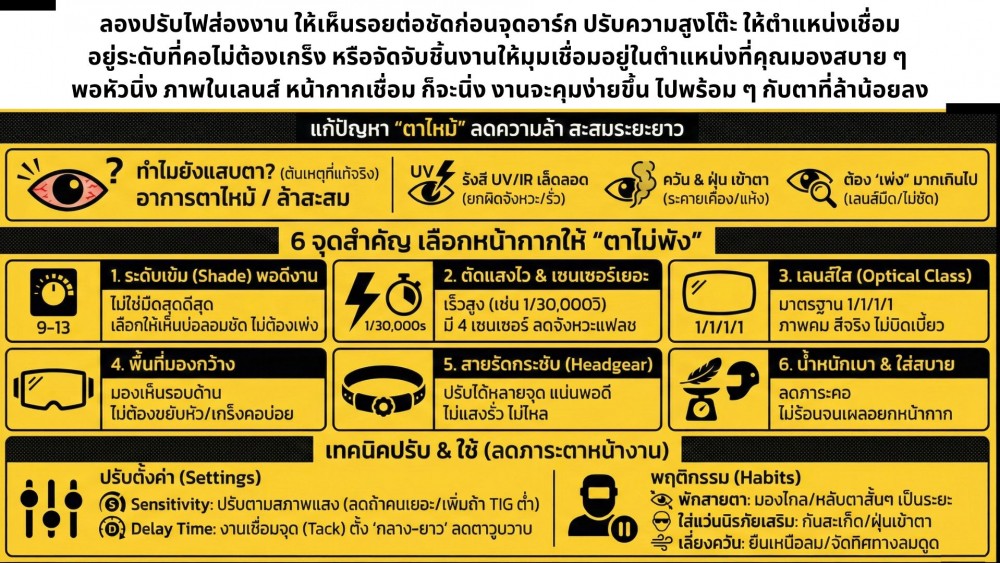
Summary: The best welding helmet is the one that eliminates risks
Protecting your eyes during welding isn't about being "the darkest," but about ensuring that you can see the workpiece and weld pool clearly enough without straining your eyes and without frequently lifting the helmet, and everything else will improve accordingly—safety, weld quality, and comfort during long working sessions.
If you start by checking these 3 things first: Is the shade right? Is the lens clear/sharp? And how often do you catch yourself lifting the helmet? You will clearly see the difference in what an "eye-protecting welding helmet" really means.
Ultimately, no matter how good the helmet is, if we use it in a rush, adjust it improperly, or leave the lens scratched so that we have to squint, our eyes will still get tired.
Choose properly, adjust correctly, maintain well, and Welding helmet it will be a tool that helps you work longer without discomfort.