


 EN
 ไทย


Customers Also Purchased
In many cases, users choose a welding helmet based on basic factors such as cheap price, sturdy appearance, or modern design without analyzing each model's features or limitations. In reality, welding helmets have specific details to consider, from lens systems, ventilation, weight, and materials, to auto-darkening sensors and compatibility with other protective gear. All of these directly impact efficiency, agility, and most importantly, user safety.
In this article, we'll dive deep into 5 key features users often overlook when choosing a welding helmet—points that even some professional welders miss—so you can make a confident, well-rounded purchase decision that best fits your work, both in protection and long-term value.
1. Optical Filter Lens Quality
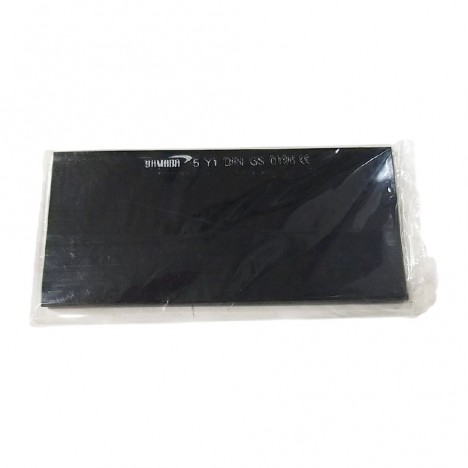
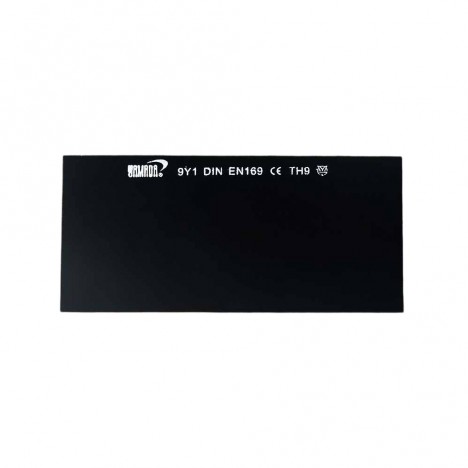
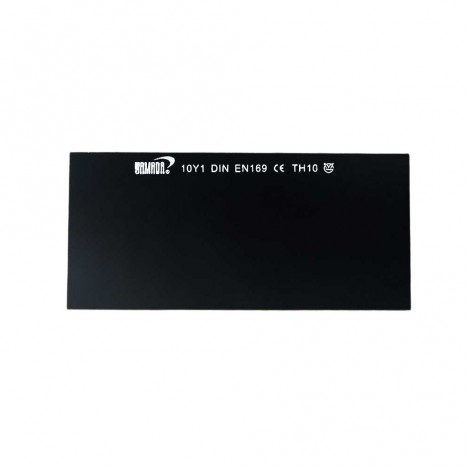
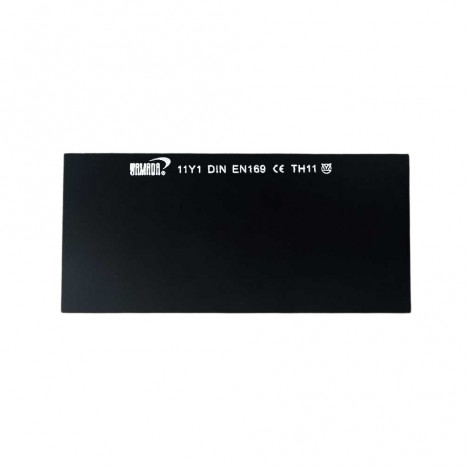
The optical filter lens can truly be considered the heart of a welding helmet. Its vital role is to protect against the intense glare produced during metal welding, which includes ultraviolet (UV) and infrared (IR) radiation that can cause severe, long-term damage to the retina and overall eye health. Beyond merely reducing glare brightness, a high-quality filter lens provides a clear view of the weld area, reduces welding seam alignment errors, and helps alleviate eye fatigue during prolonged, continuous work.
Moreover, a quality filter lens allows users to adapt quickly to varying lighting environments, such as moving from a low-light area to continuous welding without needing to remove the helmet or pause work to adjust their eyesight, enhancing both work efficiency and safety simultaneously.

Factors to Consider:
- Shade Level and Auto-darkening adjustment
- Switching Speed from light to dark
- Optical Clarity Grade
- Impact- and scratch-resistant materials
Many users often choose a welding helmet simply because its lens can darken, without checking the optical clarity or response speed, which are aspects that require special attention.
2. Number of Sensors and Placement
Most modern welding helmets feature auto-darkening systems equipped with light sensors, which play a crucial role in controlling the system and adjusting the lens darkness when welding light is detected. The performance of these sensors is a critical variable influencing the helmet's response speed and precision, especially in the split second the arc strikes—the moment the eyes are at the greatest risk of harm.
However, what many may not realize is that the number and placement of sensors directly affect helmet performance. Having too few sensors, such as only 1 or 2, may prevent instantaneous light detection from certain angles, especially when working in tight spaces, blind spots, or areas with obstructions like pipes, steel frames, or walls that partially block the arc light. Additionally, interference from other ambient light sources can cause sensors to malfunction or fail to darken accurately, significantly compromising both welding precision and safety.
Understanding the role of sensors and their proper arrangement is therefore another crucial factor that should never be overlooked when choosing a quality welding helmet.
Things to Keep in Mind:
- At least 2 sensors or more as a minimum standard
- If frequently working in obstructed angles, opt for 4 sensors
- Check whether the viewing field is wide enough for your specific work requirements
Welding helmets with too few sensors may fail to switch the lens in time when an arc flash occurs, posing a serious hazard to the eyes.
3. Helmet Weight and Balance
Even if not noticed at first, wearing a heavy or poorly balanced welding helmet can have severe physical consequences, especially when worn continuously for long hours each day. A helmet with an unsuitable weight gradually places strain on the neck, nape, and shoulders, leading to chronic soreness that can escalate into muscle inflammation or long-term repetitive strain injuries.
In addition, an unbalanced helmet causes inaccurate head movements during welding, directly impacting weld seam consistency and work neatness. It also diminishes the ability to precisely control welding tools, as the user will experience fatigue and cannot remain fully focused throughout the work duration.
Therefore, prioritizing helmet weight and balance from the start is something that should not be overlooked, as it directly impacts work efficiency, long-term health, and daily user safety.
Make sure that:
- The helmet weight does not exceed 500 grams (especially for continuous use)
- The center of gravity is balanced with the head, not leaning forward
- It has an adjustable headgear system to distribute weight evenly
Overlooking helmet weight can unknowingly affect your long-term health

4. Internal Ventilation
While welding generates intense heat and emits various chemical fumes, a welding helmet without adequate ventilation can lead to several problems. These include moisture buildup inside that fogs the lens and obstructs vision, or insufficient airflow making the user feel suffocated, struggling to breathe, and at risk of oxygen deficiency in confined spaces—potentially causing dizziness, fainting, or loss of consciousness in some cases. Furthermore, it can induce work stress, significantly reducing efficiency and safety.
Key Points:
- Choose a welding helmet with a passive or active ventilation system
- Choosing a welding helmet that can be worn with a powered air-purifying respirator (PAPR) is ideal for high-safety requirement jobs
Many people focus on light protection, forgetting that welding fumes and chemicals are just as dangerous
5. Compatibility with Glasses or Other PPE
For those who are nearsighted or farsighted, wearing prescription glasses while welding is essential, as clear vision affects precision at every point of the weld. However, if the chosen welding helmet lacks the space or design to accommodate prescription glasses, it may cause an uncomfortable fit, putting pressure on the frames or contact points on the face. This not only causes discomfort, but may also make it difficult to maintain proper posture while working.
In many cases, some welders choose not to wear glasses because the helmet does not accommodate them, which is a dangerous decision. Not only does it impair vision and lead to work errors, but it also increases the risk of accidents and injuries. Therefore, choosing a welding helmet compatible with prescription glasses is something to prioritize from the beginning, especially for those working long hours or performing high-precision jobs.
Factors to Consider:
- Does the helmet have enough space to wear glasses inside?
- Can the lens accommodate magnifying cheater lenses? (Some models feature special lens adapters)
- Can it be used with hard hats or other protective equipment?
Equipment integration is something safety professionals are placing greater emphasis on today

Conclusion
Choosing a welding helmet is not just about picking basic protective equipment for safety; it is also an investment in the user's long-term quality of life. This includes comfort during work, accuracy in results, and the prevention of health issues that can accumulate and manifest later—such as muscle soreness, eye strain, or even illnesses caused by unconsciously inhaling toxic fumes. Every small detail of the welding helmet you choose makes a distinct difference in real working conditions.
If you are a beginner, you should take the time to thoroughly study this information to prevent potential mistakes. And if you are already a professional welder, revisiting these easily overlooked small details might offer fresh perspectives and surprisingly improve your work practices even further.
Always remember that... Welding helmet high quality will be a welder's most trusted partner, protecting the eyes, face, and long-term health, as well as enhancing work efficiency and quality.