


 EN
 ไทย


Customers Also Purchased




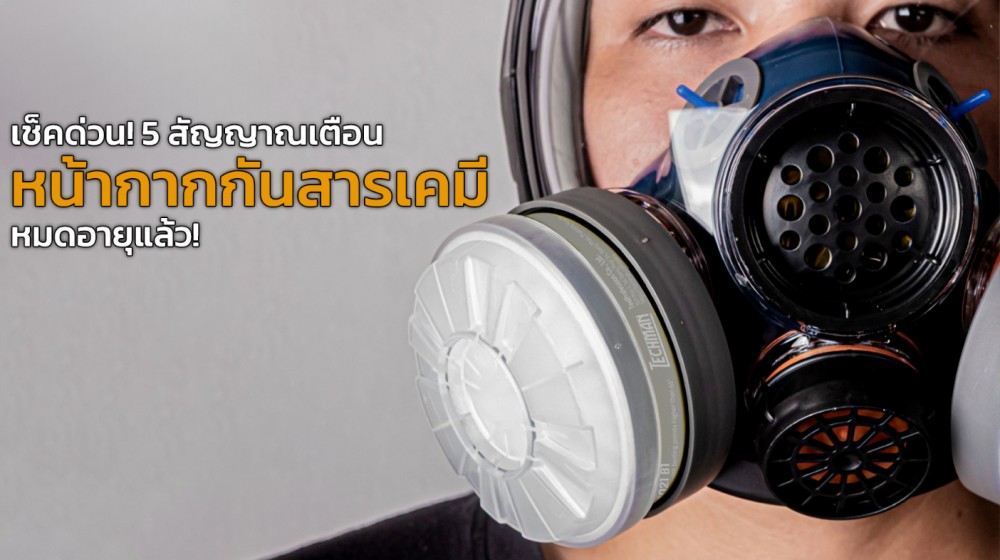
Do you remember the feeling on the first day you unboxed it? Safety Masks The fresh scent of brand-new silicone rubber, the soft seal snugly fitting your face, and the ultimate sense of safety when inhaling deeply while spray painting your favorite model. No chemical could harm you because you were wearing a chemical respirator.
But... cut to the present: that same chemical respirator sits neglected on the shelf, covered in dust, with loose straps and filter cartridges you can't even remember when you last replaced—last year? Or before COVID? We often prioritize "buying" safety equipment, but we tend to neglect "maintenance," and most dangerously, "not knowing when to throw it away." Today, we will break down 5 dangerous warning signs telling you that "it's time to replace it!"
Mysterious odors breaking right through the chemical respirator!
"Hey! Why is the thinner smell so strong today?! Did I leave the can lid loose?" If you've experienced something similar, this is the clearest warning sign—and also the most frequently ignored.
What happens inside a chemical respirator cartridge?
Most chemical respirator cartridges work with activated carbon, which contains countless microscopic pores acting like a sponge to "adsorb" chemical vapors. But every sponge eventually gets full. Once all the pores are occupied by chemical molecules, the excess chemicals break through the cartridge and go straight into your nose.
Or is it olfactory fatigue?
There's a case of a furniture spray painter who wore his chemical respirator to work every day until one day he began to catch a faint scent of lacquer. But he told himself, "Oh, probably because I sprayed a lot today, so a little odor leaked through. That's normal." That is an extremely dangerous misconception! In medicine, this is called olfactory fatigue, or nose blindness. When exposed to the same odor for a long time, the brain tunes it out, making you think the smell has faded when, in reality, the toxic concentration remains just as high.
The golden rule is: "If you smell it = replace it immediately." That's it. No bargaining, no regrets. If your chemical respirator is fitted properly but you still smell solvents, vapors, or even taste something strange in your throat, that means your filter cartridge is 100% depleted. The only option is to throw it away!
Essential distinctions to understand about chemical respirators
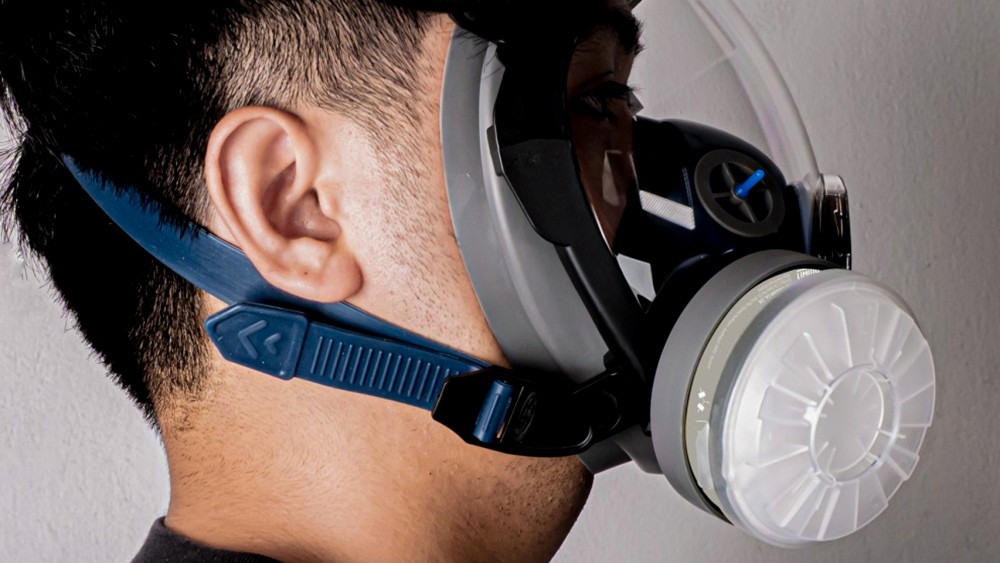
Ever watched Star Wars? If there comes a day when you put on your chemical respirator and find yourself wheezing and breathing heavily like Darth Vader, or feeling out of breath while merely sitting still sanding wood... that is not normal. Many chemical respirator models have a pre-filter fitted over the cartridge to trap particulate matter, dust, and paint mist before they prematurely clog the carbon bed. When this pre-filter gets clogged, it's like trying to drink boba through a straw blocked by a tapioca pearl—you have to exert immense lung power just to draw air in.
Many people put up with it, thinking that hard breathing means fine filtration. Stop right there! That is completely wrong! Extremely difficult breathing causes heat to build up inside the chemical respirator, causing sweat, fogging, and eventually frustrating you into "sneaking off the mask" to gasp for fresh air. And right at that moment, your lungs take in a full blast of chemicals.
- Does inhaling feel sluggish, as if something is blocking your nose?
- Does the mask collapse unusually hard when you inhale?
- Do you feel dizzy faster than usual?
If so... replace the pre-filter first. If the problem persists, then replace the main filter cartridge.
The rattling sound of the chemical respirator mask is a clue
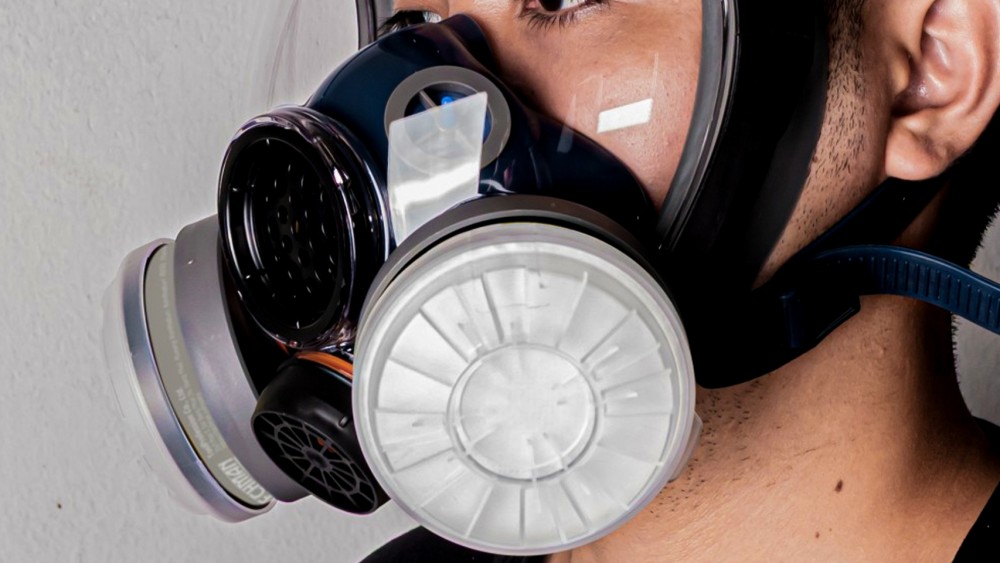
This is a little trick technicians shared: Try removing the chemical respirator cartridge, hold it to your ear, and gently "shake" it. Listen carefully. If it's completely silent or sounds like densely packed sand, it's safe. But if you hear a rattling sound, like loose sand shifting around, it's dangerous! Inside the cartridge are tiny carbon granules that are tightly packed to force air to navigate through the pores of the carbon to filter out toxic substances.
If you drop the cartridge on the floor or have used it for so long that the internal structure has deteriorated and the carbon granules become loose, what is called an "air highway" will form. Air will flow through those loose gaps instead of through the carbon granules. This means you are inhaling completely unfiltered air into your lungs, even though the outside of the mask looks perfectly normal.
When the silicone gives out... the chemical respirator mask gives up
We often focus only on the filter cartridges and forget to check the facepiece itself. Most chemical respirator masks are made of silicone or synthetic rubber to provide flexibility and a tight seal against the wearer's face. However, the fierce enemies of these materials are sweat, facial oils, UV light, and improper storage. Try picking up your mask and examining it closely under a light.
- Crazing / hairline cracks: Especially around the nose bridge and chin. If you find even a tiny crack, contaminated air will leak in through it.
- Hardness / stiffness: Try poking it with your finger. Good silicone should be soft and bounce back. If it feels rock-hard or brittle like old plastic, it has degraded and will no longer be able to seal tightly against your face.
- Stretched-out straps: Head straps that have stretched out and lost elasticity will cause the mask to slip when you move your face or bend over, creating gaps.
We have encountered cases where a chemical respirator mask became so stiff that it cut into the user's face and caused pain, so they loosened the straps to reduce discomfort. The result? The mask pulled away every time they spoke or turned their head, letting chemicals right in.
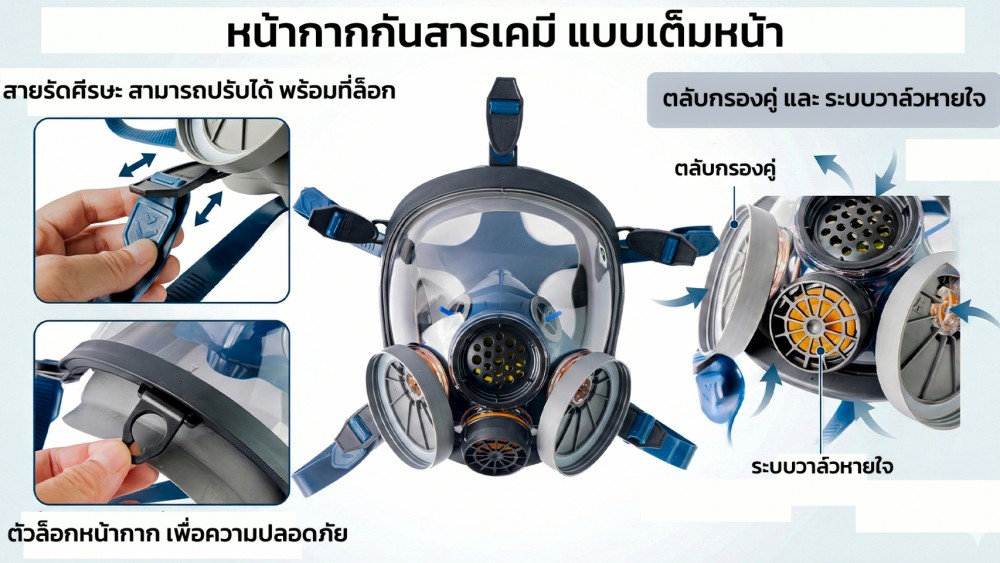
Don't forget to check the expiration date of the chemical respirator mask
Now for the final point that many people find most confusing: Do filter cartridges expire? The answer is yes, and there are 2 types of expiration dates you need to check!
- Check the packaging pouch. Even if you haven't opened the pouch and kept it safely stored in a cabinet, once it passes the specified date ("Use by..."), the effectiveness of the internal chemical sorbents degrades over time. It is typically 3-5 years from the date of manufacture. If you see heavily discounted items, always check the manufacturing year first.
- Lifespan after opening: This is critical! The moment you "tear open the pouch", the filter cartridge starts working immediately... Yes, you read that right. It starts working right away even if you just let it sit! Activated carbon constantly absorbs moisture and vapors from the air. If you open it and leave it sitting on a desk, after 1 month, it might already be "exhausted" the next time you go to use it, even if you never wore it for work.
- The Ziploc bag rule: Every time after use, remove the cartridges, place them in a Ziploc bag, and squeeze out all the air before sealing it to stop them from absorbing. By doing this, you can extend their lifespan from 1 week to 1-2 months (depending on frequency of use).
> What to consider when choosing a chemical respirator mask? What do the filter codes mean?
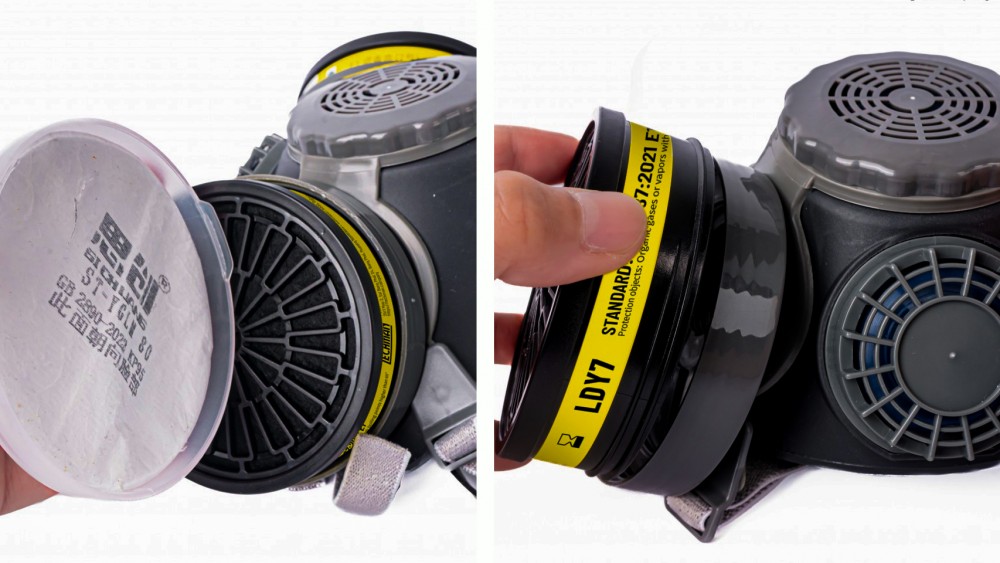
Caring for your trusted chemical respirator mask to make it last longer
Before we go, here are some care and maintenance tips you can save and follow. We guarantee your mask will keep protecting you for a long time to come.
- Don't forget to remove the cartridges first! The golden rule is "cartridges must never get wet." Remove and store them in a dry place first. The facepiece itself is very easy to wash: just use plain water mixed with mild liquid soap, gently scrub away sweat and dirt, and it will be sparkling clean.
- Alcohol... hold on! We know you want to disinfect, but take it easy! Wiping silicone with alcohol frequently will cause the "rubber to deteriorate and become rock hard" very quickly. We recommend using wet wipes or wipes specially made for safety equipment instead—it's much gentler on your gear.
- Don't leave the mask in strong sunlight, or it will become brittle. Just air dry it in a shaded, well-ventilated area until it is completely dry—that's all it takes.
- Don't forget! Write it down so you don't have to guess and give yourself a headache. Grab a marker and write the "date opened" right on the side of the cartridge. It's that simple to know the exact time to replace it with a new one—saving money by not replacing it too early, and avoiding the risk of using expired gear.
Select Safety Masks to suit the application