


 EN
 ไทย


Customers Also Purchased

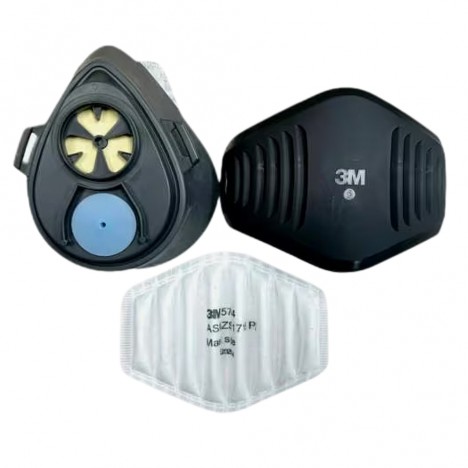
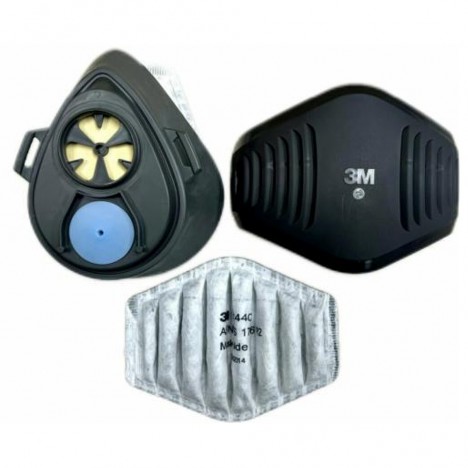

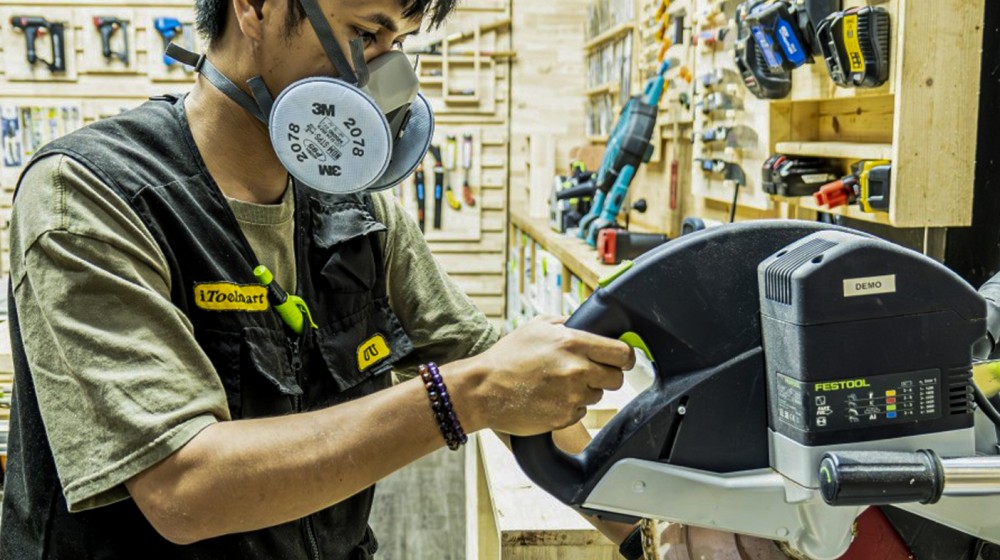
If you work with chemicals, whether spraying pesticides in the garden, painting a house, or working in a chemical plant, you've surely heard the term Safety Masks before, right? Because this very piece of equipment is the first line of defense that prevents us from unconsciously inhaling harmful vapors or gases.
Why you need to use a chemical respirator
Risks from chemicals
- Volatile chemicals that are invisible yet extremely dangerous, such as toluene, acetone, and ammonia, which many commonly encounter in painting, spraying, or even small home repairs.
- Volatile Organic Compounds (VOCs), often found in paints, thinners, and adhesives. Sometimes just opening the can, the smell hits you right away—anyone who has ever felt dizzy from these fumes knows it all too well.
- Toxic gases that are hazardous even in small inhaled amounts, such as sulfur dioxide, chlorine, and hydrogen sulfide, which are used in certain factories or can leak into confined spaces.
Dangers of inhalation without protection
- Respiratory irritation causing a burning, itchy sensation in both the nose and throat; some may cough involuntarily.
- Dizziness and shortness of breath, like being in a stuffy space or hit by strong, pungent fumes until you have to walk away.
- Continuous exposure without protection can cause certain substances to gradually damage lung tissue over time without you even realizing it.
- At worst, some may lose consciousness or face life-threatening consequences, especially in enclosed or poorly ventilated areas.
Types of chemical respirators
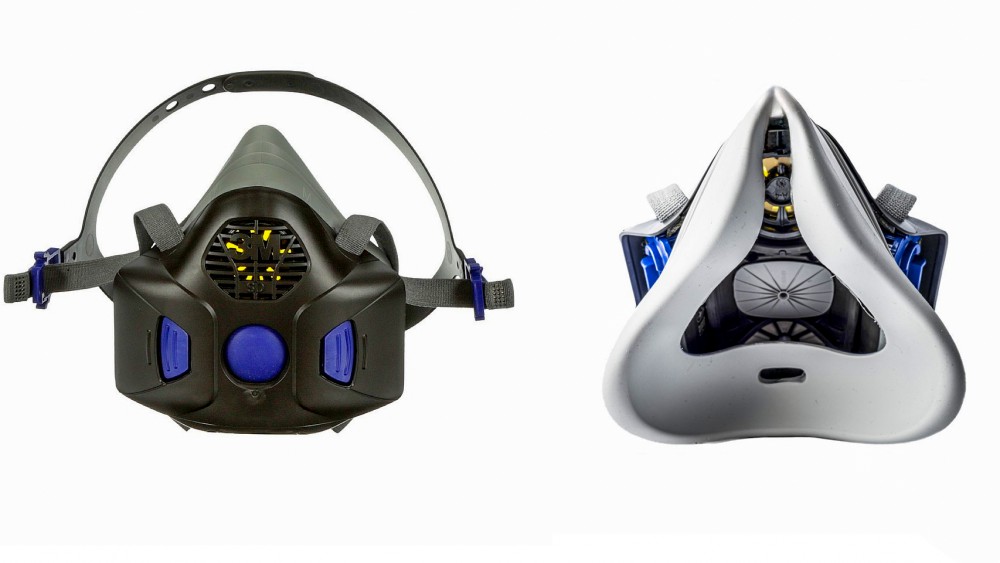
Half facepiece respirator (Half Facepiece)It covers the nose and mouth snugly, is easy to use, and feels comfortable without being stuffy. Highly suitable for light to medium tasks such as pesticide spraying, painting, or jobs with occasional vapor exposure. For anyone using a chemical respirator for the first time, this is an excellent choice.
Anyone who already wears safety glasses or goggles while working doesn't need to worry, as this half-face respirator can be worn together comfortably without getting in the way, pressing against the glasses, and it also ensures clear vision during use.
Full-Face Respirator (Full Facepiece)
This type of mask covers the entire face, not just the mouth and nose, but also the eyes. It is ideal for those who need to work in environments with strong vapors or airborne chemical mists all around. Wearing it gives you confidence that your eyes won't be silently attacked by chemicals.
Highly suitable for high-risk jobs, especially if you need to spray chemicals in confined, poorly ventilated spaces where there is virtually no airflow—the kind of place where opening the door immediately hits you with a strong odor. In such cases, using a full-face respirator offers much greater peace of mind.
Disposable Mask
Some models can help filter mild chemical odors, such as faint thinner odors or pungent chemical smells during general household tasks. While they do not provide the heavy-duty protection of professional models, they are still better than wearing nothing at all—especially for small DIY projects, offering some peace of mind.
This type of mask may not be a good choice if you are exposed to strong chemicals or concentrated toxic gases. Even though it helps with odors to some extent, it certainly cannot handle harsh substances. In such cases, choosing a professional respirator with specific filters is much safer.
Main Components of a Chemical Respirator
Facepiece
These respirators are usually made of rubber or silicone, offering the advantage of flexibility, fitting snugly against facial contours, staying securely in place, and not feeling too tight. Anyone who has to wear one for long hours will appreciate that it is much more comfortable than expected.
This part is crucial because the facepiece features separate inhalation and exhalation valves. When you inhale, air passes through the filter before entering your nose, and when you exhale, it flows out through another path. This makes breathing easy and prevents stuffiness, unlike regular masks that make your chest feel tight after just a short time.
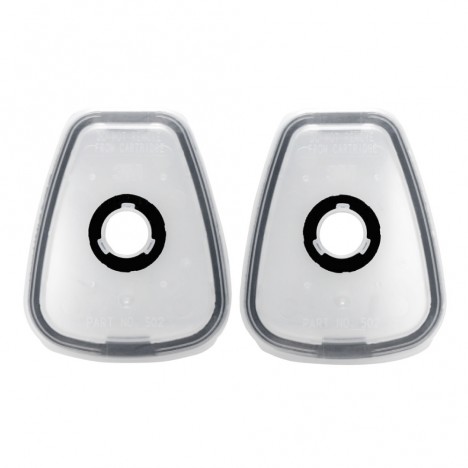
Filter/Cartridge
Its main function is to filter out chemicals or airborne particles before you breathe them in, whether they are vapors, pungent odors, or even invisible fine dust that can accumulate and harm your health over time. Therefore, the filter is the silent hero that unknowingly protects you.
These codes might confuse many at first glance, but they are essentially a pocket manual. They tell us what types of chemicals the filter can protect against; for example, A1 is for organic vapors like paint thinner or paint fumes, while B2 is suitable for harsh toxic gases like chlorine or ammonia. Once you know how to read the codes, you will definitely choose the right chemical respirator with greater precision.
Head Harness
This harness is what secures the chemical respirator snugly against your face, preventing it from slipping or shifting when you turn your head, allowing you to work with confidence without constantly readjusting it.

How to Choose the Right Chemical Respirator for Your Application
Identify the Type of Chemicals You Need to Deal With
- Start by checking the SDS (Safety Data Sheet) of that chemical, which is usually provided with the product or can be requested from the manufacturer. It details the hazards of the substance and the required protection, helping you choose the right chemical respirator for the specific risk without guessing and risking your health.
- First, identify what type of chemical you are dealing with. For example, is it a strong-smelling organic compound like thinner or glue? Or is it a toxic gas that makes you back away immediately upon smelling it, like chlorine? Or could it be corrosive acids and bases that irritate the skin? Knowing the type of chemical will help you choose the right chemical respirator and filter cartridge much more accurately.
Assess Concentration and Environment
- Take a look at the type of area you are working in. If it is an open area with good ventilation, the risk is lower. But if it is an enclosed space, a cramped room, or a poorly ventilated area with almost no airflow, you need to be especially careful.
- Is there a fan or an exhaust system? If not, the chances of vapors accumulating to hazardous levels are much higher.
- And how strong is the chemical's smell? Does it sting your nose? If the smell is strong enough to make you hold your breath, it indicates a high concentration. In such cases, you must select the chemical respirator and cartridge with precision—do not take the risk of using general-purpose protection.
Choose the Appropriate Type of Chemical Respirator
- If you need to move around a lot, turn your head frequently, or work outdoors where you need to communicate or wear the mask for extended periods, a half-face respirator is recommended. It is comfortable, lightweight, less suffocating, and above all, easy to breathe through—perfect for tasks requiring mobility, such as spraying garden chemicals or painting workpieces.
- However, if your work exposes you to both strong vapors and splashes that might hit your eyes, or if you work in confined spaces where chemical fumes hit your face as soon as you open the door, look no further: a full-face respirator is the best choice. In addition to protecting your mouth and nose, it also protects your eyes, giving you much greater confidence while working.
Choose Filter Cartridges That Match the Chemicals
- This is the crucial point that many people overlook! The filter cartridge codes on a chemical respirator are not just for display; they are the key that tells you which chemicals the cartridge protects against. Since different jobs involve different hazards, we must select the cartridge that precisely matches what we will encounter. If you are still unsure, check out the next section—I will explain it in simple terms.
What Are Filter Cartridge Codes? Explained Simply
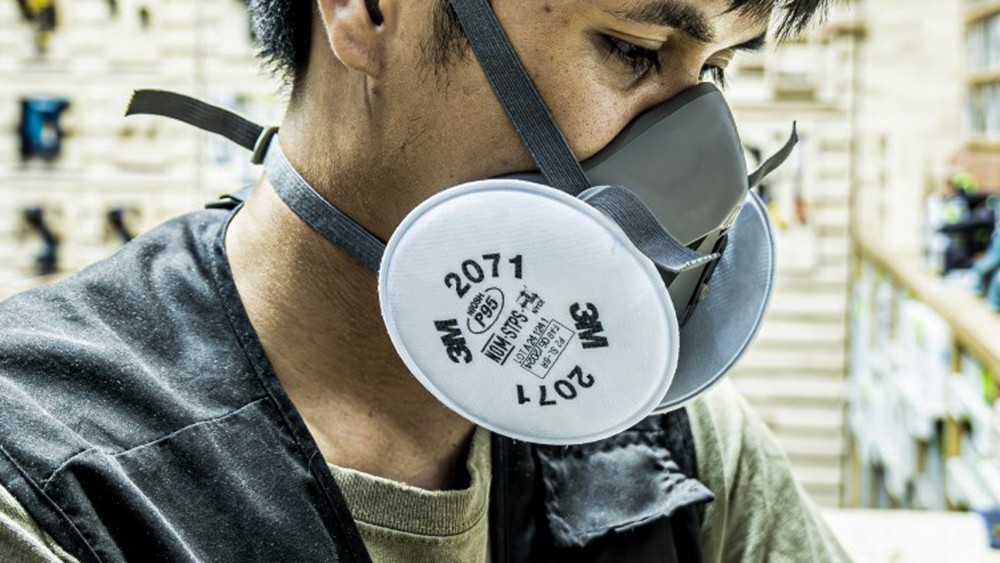
Cartridge codes we often see, such as A1, B2, E1, and K2, are not just random labels. They are the essential key that indicates what substances the cartridge can filter and how much exposure it can handle. Once you understand this system, choosing the right filter cartridge for your job will be easy.
What Do the Letters Mean?
- A Volatile Organic Compounds Thinner, Benzene, Acetone
- B Inorganic Gases Chlorine, Hydrogen Sulfide
- E Acids Sulfur Dioxide, Nitrogen Dioxide
- K Ammonia and Derivatives Ammonia, Methylamine
- P Particles Dust, smoke, pathogens
What do the numbers mean?
Numbers indicate the level of filtration capacity
- 1 = For general situations without strong chemicals, suitable for light work such as spraying pesticides or painting in open areas
- 2 = For work with higher chemical concentrations, such as spray painting in enclosed spaces or being directly near volatile sources
- 3 = For heavy-duty work involving very strong or highly concentrated chemicals, where a strong odor hits your nose as soon as the bottle is opened (note that level 3 numbers may not be available in every model or brand)
For example,
- A1: Used for filtering strong odors from volatile organic compounds such as thinners, gasoline, or spray paints; suitable for work with moderate to low concentrations. If you've ever gotten dizzy while spray painting, this type will help.
- K2: Suitable for filtering moderate levels of ammonia, such as in refrigeration work, laboratory work, or on farms using strong fertilizer formulas. If you encounter a pungent, stinging smell, a chemical respirator with this code provides great relief.
- ABE1: This is considered a versatile model. It filters organic compounds, inorganic gases, and acids. If you are unsure which group your chemical belongs to or are dealing with a mixture, this offers comprehensive peace of mind.
Standards to check before purchasing
European Standards (EN)
- EN 143: This standard is for particle filters, such as dust, smoke, or airborne pathogens. It is divided into levels P1, P2, and P3—the higher the number, the finer the filtration. It is ideal for work involving inescapable fine dust or airborne chemical powders.
- EN 14387: This standard applies to filters used for various gases and vapors, such as the A, B, E, K, or AX filter codes frequently seen on chemical respirators. If you frequently work with chemical vapors or encounter mixed groups on a single job, this standard confirms that the filter you use is properly tested and truly reliable.
American Standards (NIOSH)
- US standards like NIOSH also feature codes familiar to many, such as N95, which effectively filters small particles and is suitable for general dust or germs. P100 offers an even finer level of filtration. OV (Organic Vapor) indicates filtration for volatile organic compounds like paint or thinner, while AG (Acid Gas) filters strong acidic gases like chlorine or hydrogen chloride. Anyone regularly working with these substances should select the appropriate code.
Tips for using and maintaining chemical respirators
Proper filter cartridge installation
- Before use, don't forget to check that the filter cartridge is securely seated. Some models simply twist to lock in place, while others require pressing until an audible 'click' is heard to ensure proper installation. If it is not tight, odors could leak through.
- I strongly advise against using one brand's mask with another brand's filter cartridge. Even if it seems to fit, the locking mechanisms or internal designs may not match. This results in air leaks and the risk of chemicals slipping in without you noticing. For guaranteed safety, it's always best to use filters and masks of the same brand.
Filter Lifespan
- Once opened, it is recommended not to use it for more than 30 days; always replace it with fresh filters. However, if you start smelling chemicals during use at any point, don't wait for a month to pass—replace it immediately, as that means the filter has begun to deteriorate.
- This point is crucial: don't forget to check the expiration date on the packaging every time. Even if the filter still looks fine or has never been opened, using it past its expiration date means its filtration efficiency will have degraded without you knowing—potentially rendering it completely ineffective.
Storage
- After use, it is recommended to store your chemical respirator in a tightly sealed, airtight bag or container to prevent ambient air from degrading the filters prematurely. Especially if used intermittently, storing it this way can significantly extend the filter's service life.
- Try not to store your chemical respirator in direct sunlight or inside a hot car, as heat and sunlight degrade the materials quickly. Moisture is also a major culprit that encourages mold growth. Storing it in a cool, dry place is best.
Summary: How to Choose the Right Chemical Respirator
- Identify the types of chemicals you work with
- Check the chemical concentration levels and working environment
- Choose a chemical respirator suited to the task (half-mask / full-face)
- Select the correct filter code matching the chemicals, such as A1, B2, E1, K1
- Verify safety standards, such as EN 14387, NIOSH
- Maintain and replace filters according to their service life schedule