


 EN
 ไทย


Customers Also Purchased
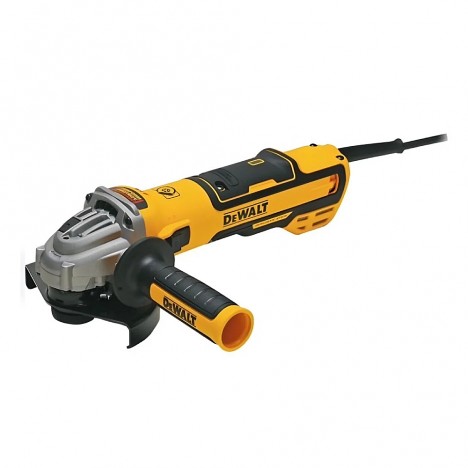
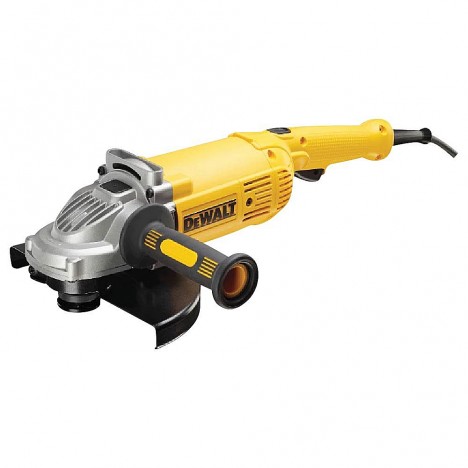

When talking about power tools that many people both love and fear at the same time, I think Grinder it would definitely be near the top of the list. It is an extremely powerful and versatile tool, used for everything from cutting metal, removing rust, and sanding wood to deburring and cleaning weld seams. However, it spins at high speeds of up to 10,000 RPM—fast enough for an accident to happen in a split second, especially when operated without the "side handle" and "wheel guard."
An angle grinder has enough power to cut through several millimeters of steel in just a few seconds. Controlling its direction and kickback is therefore critical. Especially for beginners who aren't yet used to the rotational force, a tiny mistake can cause the grinder to kick back violently toward them before they even have time to react.
In this article, we'll take a look at why the side handle and wheel guard are essential components that should never be removed from an angle grinder, even if they feel in the way or the job will only take a moment. The truth is, both were engineered specifically to work in tandem with the grinder, offering far more protection than many people realize.
Angle Grinders and the Power Many Overlook
An angle grinder is a tool typically driven by a high-power electric motor, or in some models, compressed air from an air compressor or pneumatic system. This power spins grinding and cutting wheels at extremely high speeds, ranging from 6,000 to 12,000 RPM, depending on the tool's size and the type of disc used. Why are 4-inch angle grinders the most popular type?
Unlike drills or saws, angle grinders lack torque-limiting mechanisms like a drill's clutch. If a kickback occurs or the wheel binds in the workpiece, the reactionary force transfers directly to the user's wrists. Let's look at how an angle grinder's power affects operation:
- High torque: Angle grinders are designed to produce several times higher torque than drills or general rotary tools, allowing them to cut tough materials like steel, stainless steel, or stone.
- High rotation speed: Speeds approaching nearly 10,000 RPM help deliver a smooth cut, but they also increase the risk of kickback if not controlled properly.
- Some models lack an automatic braking system: Some grinder models feature an automatic motor brake that stops the disc quickly, but others do not, leaving the disc spinning for several seconds after releasing the switch. This requires extra caution after turning the tool off, especially when setting it down or changing discs.
Putting all these factors together, it's clear that an angle grinder is both a great companion and a terrifying double-edged sword at the same time. If we overlook small details like a firm grip, using the wheel guard, or controlling the contact angle, accidents can happen much more easily than you think.
Side handle: A seemingly small accessory that multiplies safety several times over
Imagine holding an angle grinder with one hand when kickback occurs—that sudden thrust is nearly impossible to stop in time. That is precisely why the side handle is so essential. Especially for those using a grinder for extended periods, a good handle provides a firmer grip, reduces fatigue, and enhances work precision.

1. Helps control grinder kickback
When a grinder kicks back—whether from the disc catching on a steel edge or cutting at an improper angle—the side handle is the only thing that allows you to regain control in time. Without it, a single hand bears the full brunt of the immense rotational force, which is often strong enough to fling the tool into your face or twist your wrist, causing severe injury.
2. The side handle balances the grinder's weight
How to Properly Hold an Angle Grinder: What Grip Keeps Both You and the Job Safe? The side handle isn't just for holding onto; it helps you maintain proper body posture while operating the grinder. When grinding vertically or sanding awkward angles, using a second hand for support keeps the tool steady, reduces vibration, and allows you to work longer without arm fatigue.
Most professionals keep the side handle on at all times, no matter how quick the job is. It's well known that grinding with one hand is no different than waving a spinning blade in the air—a single slip can cause a deep and serious cut.
3. Some grinder handles feature anti-vibration systems
Newer grinder models from major brands incorporate vibration-damping technology into the side handle, preventing hands from fatiguing quickly. This is crucial for those grinding continuously, such as steel fabricators or installers who grind metal all day.
Handles with thick rubber molding and shock-absorbing cores can reduce motor vibration by up to 30–40%, unlike standard plastic handles that quickly make your hands go numb during extended use.
Wheel guard: The shield you should never take off
Many people have probably experienced sparks flying onto their arms or face while using a grinder. Experiencing it just once is enough to never forget it, right? That is precisely what the wheel guard is designed to prevent. It may look like a simple piece of sheet metal covering the disc, but it is actually your outermost shield, protecting you from rotational forces and high-speed flying debris that can cause serious harm.
Yet some people choose to remove it because they find it bulky, it obscures the cut line, or they think it makes disc changes harder. But once you see the consequences of using a grinder without a guard, you'll immediately realize it's simply not worth the risk. Let's see why a grinder wheel guard is truly essential.
1. The wheel guard shields against sparks, debris, and disc shatter
When a grinding or cutting wheel rotates at high speed, metal shavings, dust, and sparks are constantly flying out. The wheel guard therefore acts as a barrier to prevent these debris from hitting the user's face or arms directly, especially when working in positions where the wheel is at chest or eye level.
More importantly, however, it serves to "prevent injuries in case of wheel breakage." While uncommon, when a low-quality or expired grinding wheel shatters, the fragments turn into high-speed shrapnel traveling at several hundred kilometers per hour. The wheel guard is the only barrier keeping those fragments from flying straight at you.
2. Adjustable Position for Safety at Every Angle
Modern angle grinders allow for easy guard angle adjustments. Simply release the lock and rotate it to suit your working direction. For instance, when grinding from above, rotate the guard forward to block sparks; when grinding from below, rotate it backward to prevent sparks from flying back toward your arms.

3. The Guard Helps the Angle Grinder Comply with Safety Standards
In industrial work or on large construction sites, fitting a wheel guard is mandatory under safety standards such as TIS, EN, or ANSI. If a safety officer spots you operating an angle grinder without a guard, work may be halted immediately, or you could face fines.
Accidents from Operating Angle Grinders Without Safety Attachments
Search the internet for "angle grinder accidents," and you'll find haunting images and clips you won't want to see again—and certainly wouldn't wish on anyone. Common examples include broken discs striking faces, deep cuts to arms, or severed wrist blood vessels—nearly all stemming from missing side handles or removed guards.
In real life, many technicians have faced similar incidents, such as kickback striking the leg or sparks shooting straight into the eyes. These happen in the blink of an eye when attention lapses, as angle grinders run at speeds so high that human reflexes simply cannot react in time.
Some auto repair shops strictly forbid using angle grinders without a wheel guard after incidents where shattered wheels embedded deep into the floor or ricocheted into a coworker's leg. Such events bring work to a standstill and leave scars that serve as lasting reminders. Never treat safety lightly; a single mistake might not leave room for a second chance.
Safe Operation of Angle Grinders
The side handle helps control kickback, while the wheel guard shields against sparks and direct impact from the spinning disc, even if it feels bulky or gets in the way.
Furthermore, knowing how to operate an angle grinder properly alongside these two attachments will give you greater confidence, safety, and efficiency on the job. Let's explore what else you can do beyond these two basic safety attachments to make using an angle grinder safer and more reliable.
- Inspect the Angle Grinder Before Every Use Check that the handle is securely tightened, the guard is positioned properly, the switch operates smoothly, and the wheel is free from cracks or chips.
- Use the Right Wheel for the Job Avoid using a cut-off wheel for grinding or a grinding wheel for cutting. Their friction tolerances differ greatly, which can cause the disc to shatter or veer off course.
- Wear Full PPE Safety glasses, a face shield, and gloves should be worn every single time, even if you are only grinding for a few seconds.
- Do Not Apply Excessive Pressure Let the grinding wheel work with its own rotational force. Pressing too hard will cause the motor to overheat and the wheel to wear down faster than usual.

Conclusion
An angle grinder is a powerful and very useful tool. If used properly, it can make any craftsman's job many times easier; but if used carelessly, it is more dangerous than you think—especially when removing the handle or wheel guard.
Never forget that every time you switch on an angle grinder, you are commanding the wheel to spin at speeds of tens of thousands of RPM. Without adequate protection, a mere fraction of a second can result in severe injury or permanent damage.
Before turning on the angle grinder switch every time, double-check these two things: Is the handle tight? Is the wheel guard in the correct position? In addition, don't forget to inspect the power cord, switch, and grinding wheel to ensure they are safe, free of chips, and not loose, making sure every component is ready for safe operation—because safety should never be an afterthought.
Select Grinder that come with handles and wheel guards from leading brands, because starting with good tools is the true starting point for safe and high-quality work.