


 EN
 ไทย


Customers Also Purchased
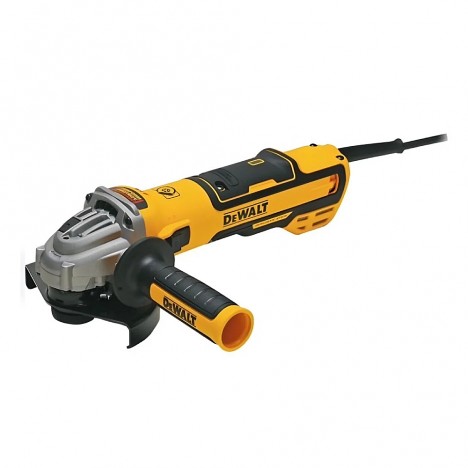
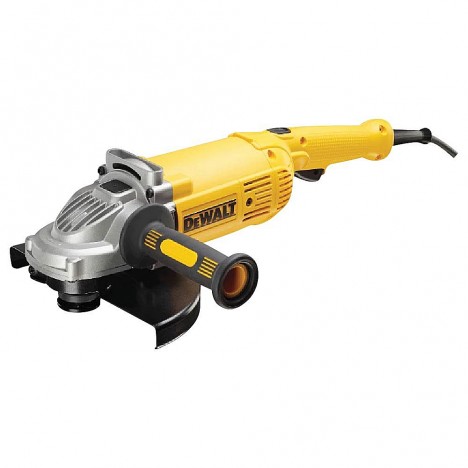

In practice, even minor mistakes in holding or operating an angle grinder can lead to unexpected consequences, such as shattering grinding discs, flying debris into eyes, or losing control of the tool due to unmanageable vibration. This can result not only in workpiece damage but also in injuries or long-term accidents. Understanding the fundamentals of proper handling is truly an invaluable investment in safety.
In this article, we will explore the fundamental principles of properly holding an angle grinder, along with various techniques to help you operate it more safely—including stance, directional control, applied pressure, and precautions when working with various materials. This ensures you can work safely while achieving the best results. Whether you are a beginner starting out or an experienced craftsman, reviewing how to hold an angle grinder properly is something that should never be overlooked.
Basic Understanding of Angle Grinders
Before diving into how to hold an angle grinder properly, let's get familiar with its basic components—knowing which parts to hold, which to avoid, and their functions—so you can operate the tool with confidence.
Understanding the structure of an angle grinder helps you accurately evaluate where to hold it for optimal control, while avoiding contact with hazardous parts such as the abrasive disc or high-speed moving components. Knowing the positions of the handles, guard, and switches allows you to operate the grinder correctly right from the start.
Moreover, each component contributes to balancing the grinder during operation. Holding the tool at an inappropriate angle or in the wrong position can easily cause vibrations or kickbacks. Knowing which points serve as primary controls, which provide extra leverage, and which should never be touched will enable you to plan your work safely and more efficiently.

Essential Components of an Angle Grinder You Should Know
- Main Body: The housing that encloses the motor and electrical system. Typically cylindrical and elongated, it is used for gripping with your dominant hand.
- Side Handle: Designed for support with the other hand, enhancing stability and control during operation. It can be mounted on either the left or right side depending on the user's preference.
- Guard: Used to shield against flying debris and sparks, and to prevent direct bodily contact with the disc. It should always be properly positioned before starting operation.
- Power Switch: Usually located near the main hand for convenient control.
- Disc/Wheel: The part that rotates at high speed, available in various types depending on the application, such as metal cutting wheels, grinding discs, sanding discs, or grooving wheels.
How to Hold an Angle Grinder Correctly and Safely
Holding an angle grinder correctly is key to ensuring your work is both safe and efficient. Although it might seem minor, your grip and posture directly affect work quality and injury risk. An unstable or misplaced grip can cause kickbacks or cause the disc to hit the workpiece at the wrong angle, deforming it and posing risks to both the operator and the final result.
Once you master the correct holding techniques, you can control the cutting direction accurately, reduce unnecessary impact forces, and achieve a cleaner finish. It also helps you work for extended periods without fatigue or injury from improper posture. Therefore, practicing and adjusting your posture to suit the task is just as important as choosing the right tool or disc for the job.
1. Always hold the tool with both hands
- Grip the main body firmly with one hand and hold the side handle with the other. Never operate it with one hand. Especially with larger grinders or when working on hard materials like steel or stone, single-handed use carries a high risk of kickback or loss of control.
- Using two hands helps you control the pressure and direction of the grinding disc effectively, reducing the chances of losing your grip or breaking the disc.
2. Hold at an appropriate angle for the direction of work
- Hold the grinder so that the disc rotates away from the operator; never face the cutting disc directly toward your body.
- Hold the tool at approximately a 15–30 degree angle to the workpiece, especially when sanding or grinding. This prevents the grinding disc from biting too deeply into the material, reduces kickback, and delivers a smoother finish.
3. Stand in a stable posture with balanced foot placement
- Stand with feet reasonably apart to maintain good balance while operating the grinder, especially when kickback or material resistance occurs.
- Never stand directly in line with the rotating grinding disc; stand to the side or angled away from the cutting line to prevent sparks or broken disc fragments from flying toward you.
4. Do not apply excessive pressure to the tool
- Many believe that applying excessive pressure helps cut or grind faster, but in reality, too much force causes the grinding disc to wear out quickly, increases breakage risk, and overheats the tool. Let the rotating disc work with its own weight and light pressure.
- Avoid shifting your hands or changing your grip while the tool is running, as this may cause kickback or an immediate loss of control. Always stop the tool before adjusting your grip.
5. Use accessories to increase stability
- Some grinder models can be used with a stand or mounting bracket to allow for more precise cutting control, especially for straight cuts or repetitive tasks.
- In some cases, spark deflectors or safety screens can be used to direct debris away, enhancing operator safety, especially when working in confined spaces or near others.

Additional Safety Techniques During Operation
Even if you hold the grinder safely, do not forget the small details that make your operation even safer. Practice these habits every time before starting: inspect the condition of the grinding disc, adjust your posture to fit the workspace, and select appropriate clothing and protective equipment for the job, all of which contribute to long-term safety.
Preparation before using a grinder should never be overlooked. Beyond preventing accidents, it builds operational confidence, allows for more precise tool control, improves workpiece quality, and minimizes errors during fabrication or repair.
Inspect the grinding disc and accessories before use
- Check that the grinding disc is intact, free of cracks, and not past its expiration date.
- Ensure the disc is securely tightened, not loose or wobbling, and suitable for the type of application.
Wear full personal protective equipment
- Safety glasses or a face shield to protect against sparks and debris
- Cut-resistant and spark-resistant gloves
- Snug, well-fitted work clothes that are not loose; avoid shirt tails or straps/lanyards that could get caught in the disc.
- Earplugs when working for long periods or in enclosed spaces.
Allow the tool to stop spinning before putting it down.
- Do not put the angle grinder down while the disc is still spinning, as it may hit the ground and shatter, or cause the tool to move on its own.
- Hold the grinder firmly while waiting for the disc to stop spinning; do not hold it by one end or allow the spindle to tilt to either side.
- Avoid placing the angle grinder directly on concrete or hard floors; it should be placed on a wooden board or a soft surface to prevent shock rebound into the tool.
Additional Precautions for Using an Angle Grinder
Although angle grinders are common tools in maintenance and construction, using them correctly still requires extra care and caution. Due to their high rotational speeds, neglecting even a minor precaution can lead to danger for both the operator and those nearby.
Being mindful of the surrounding environment, such as avoiding areas with flammable materials or keeping the work area clear of obstacles, is another crucial factor that should not be overlooked. In addition, choosing standard accessories and spare parts, as well as never modifying the grinder or guard in an unsafe manner, are fundamental practices that must be strictly followed to maximize workplace safety.
- Avoid operating in areas with easily combustible materials or nearby flammable liquids.
- Do not use the grinder with non-standard or self-modified discs.
- Do not remove the guard during operation.
- Do not use with the wrong voltage or with unsafe extension cords.

Summary: Good Grip = Safe Work
Holding an angle grinder correctly is not about looking good; it is the core of safety every time you use it. No matter how often you use it or how confident you are in your skills, accidents can always happen if the basics are neglected. Especially with a tool that has high rotational speeds and significant resistance like an angle grinder, practicing proper grip until it becomes second nature will help you work with confidence, reducing risks while enhancing the quality of your work to look more professional.
Furthermore, holding the grinder properly directly affects the user's long-term health, especially when working continuously for several hours. An incorrect grip can lead to wrist, arm, or body pain from accumulated vibrations, which—if frequent—can cause chronic pain. Holding the grinder in a balanced and safe manner is therefore also a way of taking care of your body.
Applications & Usage Grinder correctly and safely will not only help you work quickly and efficiently, but it will also extend the tool's lifespan, reduce long-term costs, and most importantly, genuinely protect yourself and those around you from accidents. It also enhances the user's professional image, as using tools professionally reflects attention to detail in every step of the work.