


 EN
 ไทย


Customers Also Purchased
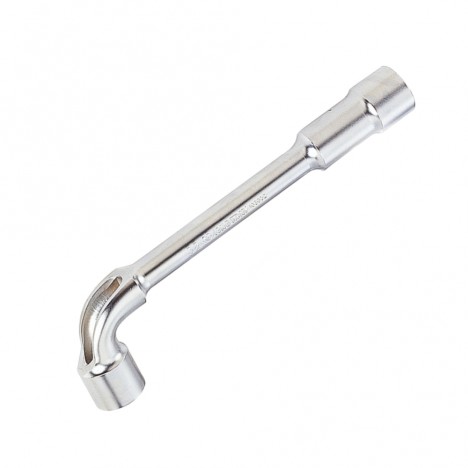
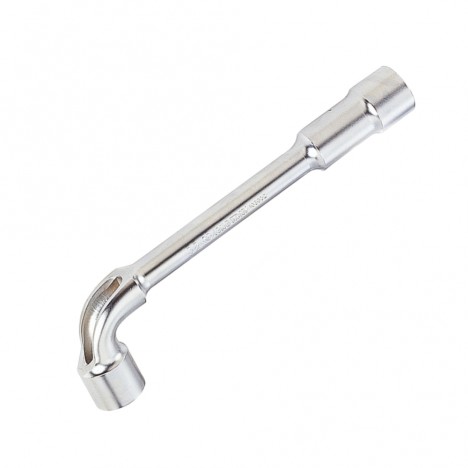
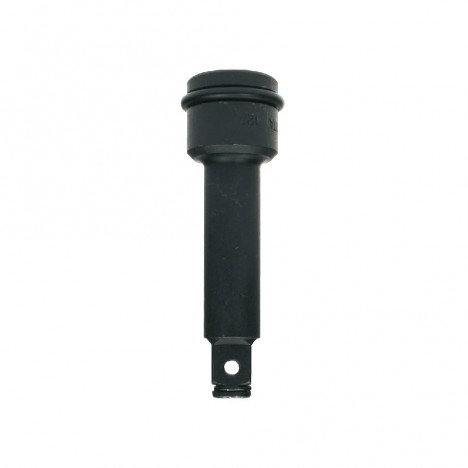
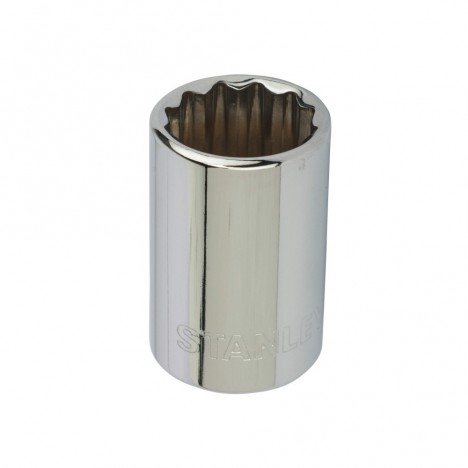
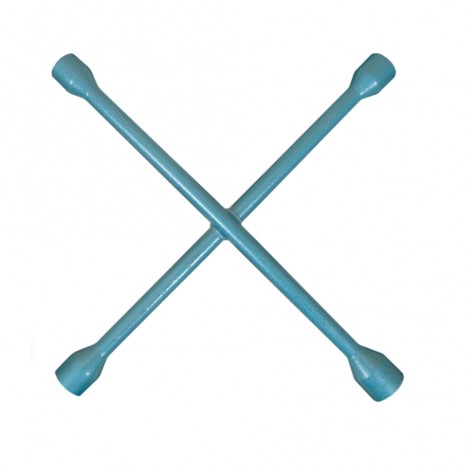
When talking about hand tools that every home must have, a "wrench" is certainly right up there. It's safe to say it's at the top of the list. Wrenches are the most frequently used tools, ranging from minor vehicle repairs to professional jobs.
Think about it: Wrenches A good wrench set isn't cheap. But if it breaks after just a few uses and you constantly have to replace it, you end up paying over and over. In reality, just paying a little attention and giving it basic care will keep it lasting for years. Plus, whenever you grab a wrench, you can be confident it's ready to go. If you want the wrenches in your toolbox to stay with you for a long time... we have 5 simple techniques that we've tested and really work! They're easy and hassle-free. What are they? Let's check them out!

Clean your wrenches every time after use
To be completely honest, we've all been there! Done with the wrench, you toss it into the toolbox without a second thought: "I'll wipe it down later." But believe it or not, when you open the toolbox later, trouble awaits! You find sticky grease residues, hardened dust buildup, and some tools even have surface rust eating away at them, making you sigh... sigh!
The causes aren't far from everyday use: oil residue, sweat from our hands, or fine dust particles accumulated during work. If left uncleaned, it's an open invitation for rust to eat away at your beloved wrenches. Once rust sets in, it doesn't just make them look old; it also causes poor grip/slipping when tightening and shortens their lifespan.
Change that habit! After using a wrench, grab a dry cloth and wipe it down immediately—it takes less than a minute. If a job was extremely messy and covered in heavy grease, wipe it with a cloth dampened in mild soapy water or wash it with dish soap mixed with warm water, then follow up with a dry cloth. That's all it takes to keep your wrenches clean and ready for action every time you pick them up. That's it!
Apply anti-rust oil to wrenches regularly
Believe it or not, no matter how well we wipe and clean our wrenches, if we just store them away without any protection, rust can still form. Especially for those living near the sea, in high-humidity areas, or storing them in stuffy, poorly ventilated rooms—rust will definitely come! And the question many people wonder about is wrenches rust quickly, how can you prevent and maintain them? The answer is actually simpler than you think. Just knowing a few simple care techniques will help your wrenches stay with you for much longer.
We’ve experienced this firsthand. A brand-new wrench set, fresh out of the box, stored neatly in a toolbox without being used. After a few months, we opened it only to find: "The wrench jaws have rusted!" It was truly frustrating. It wasn’t because of improper use, but rather incorrect storage.
After that, we looked for a solution. The simple answer is "applying anti-rust oil." You can use sewing machine oil, used engine oil, or anti-rust sprays available at tool shops—nothing expensive is needed. The method is very easy: apply a few drops or spray lightly onto the wrench surface, then use a rag to spread it evenly. Don’t make it overly greasy or sticky. That’s all it takes to form a thin protective barrier preventing moisture from adhering to the steel surface.
Some might think, "Seriously? Is it really that necessary?" ... But let me tell you, if you actually try it, you'll see a clear difference. Especially for wrenches that aren't used frequently, when months or even years pass and you pick them up again, they will still be shiny like new. No more wasting time soaking them in chemicals and tiring your arms scrubbing off rust!
Store them properly; don't just toss wrenches into a pile
Another reason that unwittingly shortens the lifespan of wrenches is the "habit of tossing them all together." We used to do this often—it even became a habit! After using them, we would toss everything into the same toolbox: adjustable wrenches, ring spanners, open-end wrenches... all tangled up in a mess. The result was that whenever we needed one, we had to dig around searching for the right size for ages. Sometimes it was extremely frustrating—searching through the whole box and still unable to find it.
Once I tried changing how I stored them, I realized that "a little organization" really helps a lot. For wrench sets bought as a complete kit, you should keep them in their original case, not casually toss them around until pieces get lost. As for individually purchased tools like adjustable wrenches or ring spanners, hang them on a tool board or use magnetic strips on the wall. At a glance, grab and go—super convenient.

Use wrenches correctly; do not force or pry
To put it bluntly! This is the most common mistake we see people make. When a bolt is stuck tight, many people inadvertently do the same thing: "force it." Whether prying with all their might, slipping a pipe over the handle to extend leverage, or worst of all, using a wrench as a hammer to strike steel or wood directly... the result is a broken wrench!
In reality, each type of wrench is designed for specific tasks. For example, if a bolt is extremely tight or seized with rust, you should switch to a socket wrench or torque wrench because they handle higher torque better, preventing fastener damage and keeping the jaws from loosening prematurely. Unlike open-end wrenches or adjustable wrenches, which will definitely have their jaws flare or loosen if you force them on heavy-duty work.
I've learned this the hard way myself. I once used an open-end wrench to pry a heavily rusted bolt. At the time, I thought, "Come on, just a little bit." In the end, disaster struck: the bolt stripped, the wrench jaw chipped, and I had to waste time drilling the bolt out. That night, I sat there feeling both amused and annoyed with myself, wondering why I hadn't just grabbed the right tool from the start.
Inspect and maintain wrenches regularly
To make a simple comparison, wrenches are like cars: even if we don't use them every day, they need periodic inspections. Otherwise, when you actually need to use them and problems arise, it turns into a big hassle. After making multiple mistakes ourselves, we set a simple rule: take out the wrench set every 2–3 months for a quick inspection. It takes less than half an hour, but provides long-term peace of mind. The inspection method is straightforward: just check each piece for these symptoms:
- Wrench jaws are chipped or worn, failing to grip bolts securely
- Rust is starting to develop on the surface or threads
- The adjustable wrench knurl is stiff, or the threads have become loose
If you find minor rust, just use fine sandpaper to sand it off and apply a light coat of anti-rust oil over it; the wrench will look as good as new. But if the jaws are worn loose and no longer usable, discard them immediately without regret. Using a damaged wrench could strip bolts, ruin the workpiece, and waste more time repairing than just replacing it in the first place.
Another benefit of inspecting them is ensuring your wrench set is still "complete." Sometimes after use, a piece gets misplaced. Checking helps you spot missing ones early so you can replace them right away, ensuring your actual work proceeds without interruption.

