


 EN
 ไทย


Customers Also Purchased
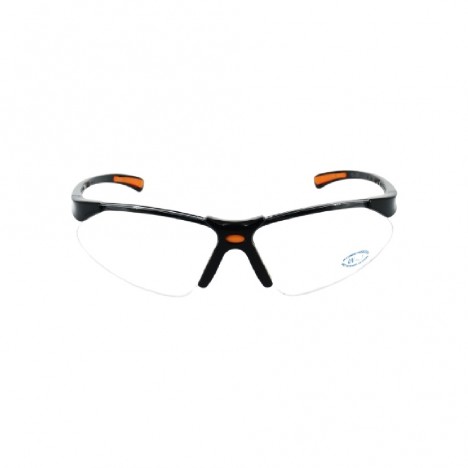
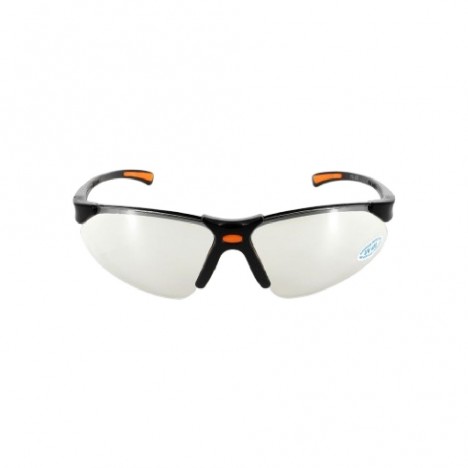
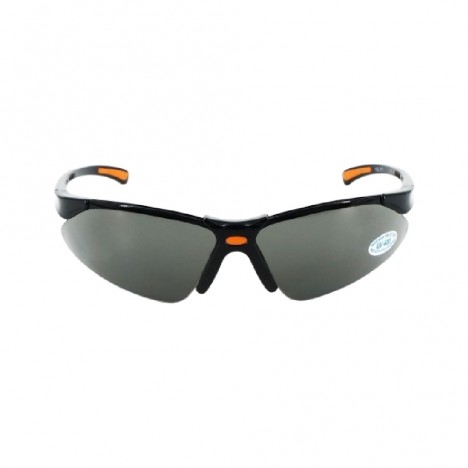
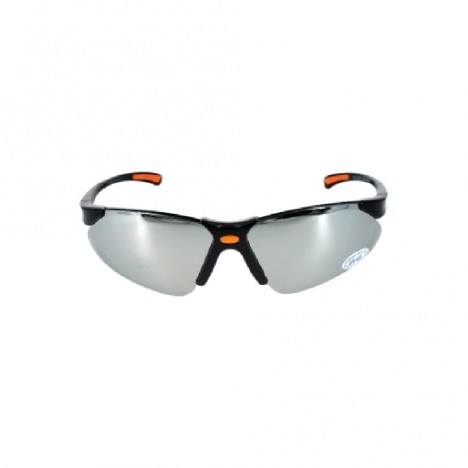
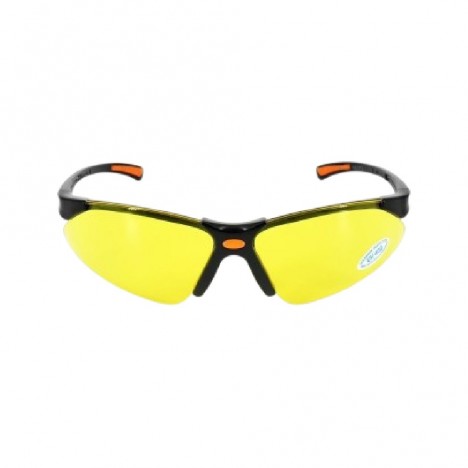

If you've ever walked into a safety equipment store or shopped online, you've probably seen a huge selection of safety glasses ranging from tens of baht to hundreds of baht. So which safety glasses should you buy to get the best value for actual use?
Just imagine: if you had to wear Safety Glasses for 8 hours a day, between safety glasses costing tens of baht that pinch your temples and leave painful marks on your nose bridge, and glasses costing hundreds that are lightweight, snug, non-slip, and anti-fog, which safety glasses would you choose to wear? Well, to clear up any confusion, let's dive into how safety glasses costing tens of baht differ from those costing hundreds! And more importantly, which type of safety glasses should you choose to best suit your work?
Why wear safety glasses?
Before we talk about the price of safety glasses, just imagine: whenever we cut metal, cut wood, or even just hammer a nail, tiny debris can fly right out! It doesn't choose where to hit, and our eyes are target number one. Believe me, these minor accidents are much more dangerous than you think—red eyes, inflammation, swelling, and even surgery really do happen.
We have a friend who is a carpenter. He was using a cordless drill on wood casually without wearing safety glasses. A small wood chip flew into his eye, and he had to be rushed to the hospital! He had to put his work on hold for a week, even though wearing a pair of safety glasses costing just a few dozen baht could have prevented such a painful injury.
Whether cheap or expensive, safety glasses are "always worth it" if they protect your eyes. But another point that makes many people hesitate is: are cheap and expensive ones really that different? In the long run, which one is a better value? Let's dive deeper into this topic next.
Before diving into the main content, we want you to think about why we should take this seriously. In the end, it's not about the price—it's about the safety of your own eyes. So let's take a look at 5 reasons why you should wear safety glasses every time you do DIY or trade work what are they? And you will see that whether you buy cheap or expensive, wearing them every time is definitely worth it.

Safety glasses costing tens of baht: easy to use, economical, but with trade-offs
If you've ever walked into a building materials store or tool shop and headed to the safety aisle, you've probably seen safety glasses priced in the tens of baht, right? Their clear strength is being cheap, easily available, and suitable for occasional users—like doing rare home repairs or small DIY projects just to keep dust out of your eyes, which does the job to a certain extent. But in actual use, there are several trade-offs you have to accept, such as:
- The lenses may be clear initially, but they scratch easily and turn cloudy quickly.
- Barely any anti-fog coating, or if present, it wears off very fast.
- The frames are flimsy; drop them hard on the floor and they can easily crack.
- Wearing them for extended periods causes ear discomfort or painful pressure on the bridge of your nose.
We tried them ourselves too. At first, we thought, "Hey, a pair under a hundred THB should be enough," using them for sanding wood and small tasks. But what happened was, after just a few uses, the lenses were covered in scratches, dust clung everywhere, and we had to stop work constantly to wipe them. Wiping them often caused even more scratches. In the end, after just a short time of use, we had to buy a new pair anyway.
Safety glasses in the hundreds range: Built for serious work, packed with better features.
Once you step up from cheap tens-of-baht models to safety glasses priced around 100–900 THB (some international brands may go even higher into thousands), what stands out clearly is the manufacturing quality and additional features that make them suited for serious work—not just worn as a formality. From our hands-on testing, several points immediately make you feel: "This is so much more worth it!"
- Scratch-resistant coated lenses ensure long-term clarity without clouding up like cheaper models.
- Some models feature effective anti-fog coatings, which are especially useful when paired with face masks or used in humid environments.
- Available in various lens tints—whether clear, yellow, smoke, or photochromic—suitable for diverse working conditions.
- More flexible frames that do not pinch the head or hurt the ears over long periods, allowing you to work comfortably for hours.
- Certified to international safety standards such as ANSI or EN166, giving you real confidence in their impact resistance.
I remember when we switched from safety glasses costing a few tens of baht to a pair around 600–700 THB. At first, I thought, "Wow, isn't that too expensive just for debris-protection glasses?" But... once actually worn, the difference was night and day. They felt much lighter and more comfortable, and the lenses stayed crystal clear even after months of use. Best of all, no more constantly wiping away fog in stuffy or hot and humid areas. Work that used to be interrupted to wipe lenses could now go on continuously without losing rhythm.

So, which safety glasses should you buy?
Ultimately, the answer really depends on your actual usage. If you're doing minor DIY repairs once or twice a month—like hammering a nail to hang a shelf or cutting a small piece of wood—safety glasses in the tens-of-baht range will do the job. It saves money and still fulfills the purpose of keeping small debris out of your eyes.
However, if your work is more serious—such as constantly encountering dust, metal shavings, or sparks like welders, carpenters, or daily factory workers do—paying a bit more for a mid-tier model is essentially "buying comfort + safety" all in one. They don't squeeze your head, hurt your ears, or irritate your eyes, and the lenses stay clear throughout without needing to wipe off fog every 10 minutes.
To put it simply, cheap safety glasses are suited for occasional users just looking for basic protection, while higher-priced safety glasses are suited for those who wear them for serious daily work. Looking at it from this angle, it's not a luxury—it's an investment.
Real-world experience
We once chatted with a technician. I remember that day was scorching hot, and everyone had to wear both masks and safety glasses. After working for a while, what became obvious was that those using cheap safety glasses had to take them off to wipe away fog every 10 minutes, breaking their workflow and looking visibly frustrated from blurry vision.
But... one technician chose a pair in the hundreds-of-baht range equipped with an anti-fog coating. The result: he worked uninterrupted for almost a full hour without stopping to wipe his lenses. The job got done faster, and he never lost his cool halfway through.
This is precisely what completely changed our perspective. We used to think that "safety glasses are just for keeping flying debris out," but it turns out that if you choose wisely, they really make your work flow much smoother—faster, more comfortable, and safer too.
