


 EN
 ไทย


Customers Also Purchased
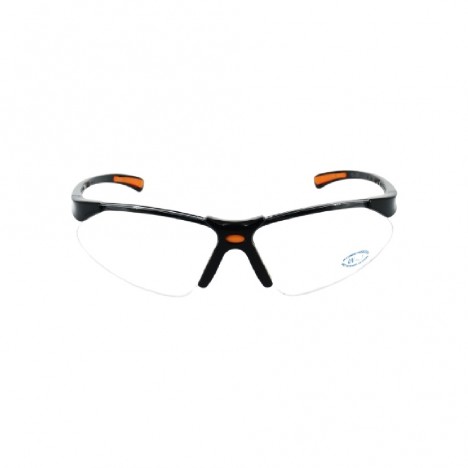
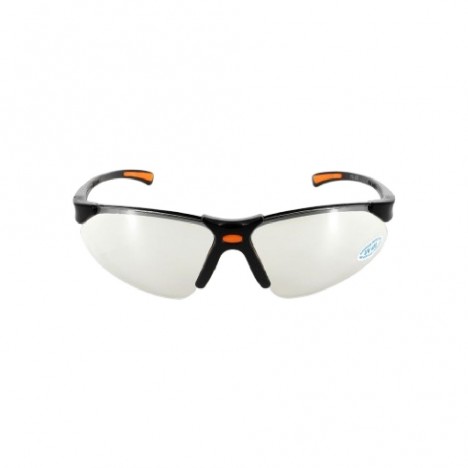
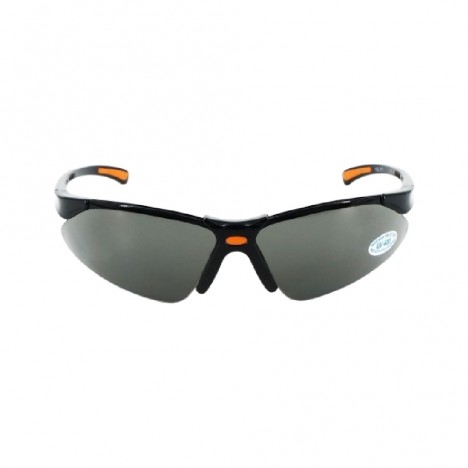
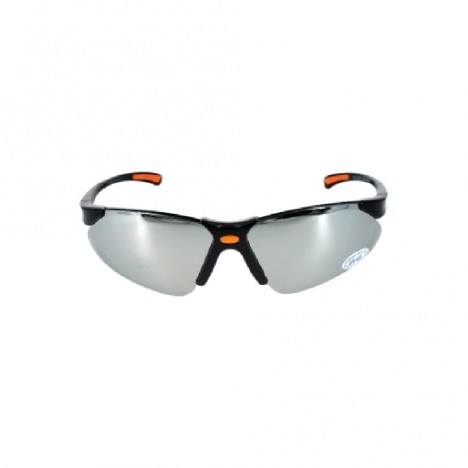
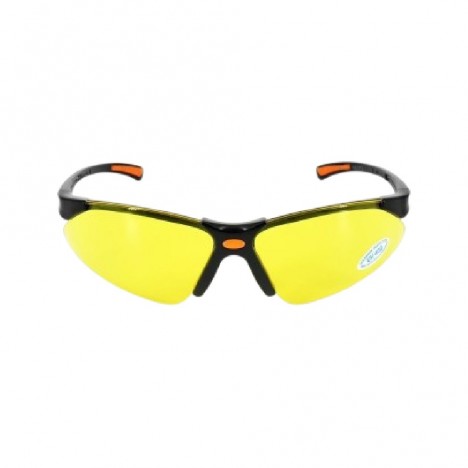

In this article, we take a deep dive into 5 important reasons why you should wear Safety Glasses every time you do technical or craftsmanship work. Whether you are a novice, a professional craftsman, or simply someone who enjoys home DIY projects, learning proper eye protection will help you work with confidence, boost efficiency, and significantly reduce the risk of accidents. Eyes cannot be replaced, and prevention is always better than cure.

1. The eyes are delicate organs that can easily suffer permanent damage
Eyes cannot be regenerated
Human eyes are among the most delicate organs, playing a vital role in everyday life. They do not merely provide vision; they also contribute to spatial orientation, hand-eye coordination, and distance estimation, directly affecting our safety and work capabilities. If the eyes are injured by metal shavings, wood chips, dust, oil, or certain chemicals, it can lead to inflammation, irritation, severe infection, or in the worst case, permanent damage resulting in vision loss. Treating these conditions is often complex and time-consuming, with the risk that vision may never fully recover, inevitably impacting both your work and overall quality of life.
Eye accidents can happen anytime
Drilling, grinding, welding, or even seemingly harmless tasks like hammering nails carry the potential for unexpected accidents in the blink of an eye, even in ordinary home settings. For example, when using a circular saw to cut wood, small wood chips can fly at high speed directly into your eyes, causing corneal injuries. During metal grinding, sparks caused by friction against the grinding wheel can shoot toward your eyes and cause severe damage immediately. In industrial factory environments, cases have been reported where workers lost their sight due to flying metal sparks in the absence of adequate protection. Furthermore, hammering nails can cause nail heads or small metal fragments to snap back unexpectedly, inflicting deep wounds and subsequent infections if they strike the eye. All of this shows that every technical job, big or small, carries risks that should never be ignored.
Safety glasses are the first line of defense
Wearing safety glasses helps protect your eyes from hazards invisible to the naked eye, such as fine dust from sanding wood or grinding metal, which floats in the air and can easily enter the eyes unnoticed. Chemical mists from spray painting or using corrosive cleaning agents can also cause severe eye irritation. Additionally, there is UV radiation from metal welding that is invisible to the naked eye but heavily impacts the eye lens and retina, potentially causing eye burns, redness, or, over time, increasing the risk of cataracts.
Most safety glasses today are engineered to withstand impact from flying debris and are certified to safety standards such as ANSI Z87.1 or EN166, making them suitable for a wide range of tasks—whether drilling, cutting, grinding, or handling chemicals. Choosing safety glasses suited to your specific work provides peace of mind, reduces the likelihood of accidents, and extends the long-term health of your vision.
2. Protection against debris and dust while working
Small debris is a silent threat
Wood chips, iron filings, or material fragments generated during cutting, grinding, or hammering can fly into the eyes before you even realize it. These materials are often tiny and virtually invisible, yet they hurtle toward the eyes at high speeds propelled by power tools such as angle grinders, circular saws, or even standard hammers. If debris enters the eye, it can cause acute irritation like burning and tearing, or, in severe cases, corneal abrasions, conjunctivitis, or deep eye lacerations that require urgent medical attention. Furthermore, if left untreated or not rinsed out properly right away, it can lead to intraocular infections with the risk of long-term vision loss.
Fine dust has long-term effects on eye health
Fine dust from sanding wood or polishing metal consists of tiny particles that can remain suspended in the air for hours, especially in enclosed or poorly ventilated spaces. These particles easily enter the eyes without being noticed. Even though dust may not present an immediate threat, accumulating over time can cause dry eyes, irritation, watering, or a persistent sensation of grit in the eyes. In some cases, it can develop into chronic conditions such as chronic redness, conjunctivitis, or undetected corneal abrasions. Additionally, it may increase the long-term risk of eye disorders like pterygium or pinguecula.
Wearing safety glasses designed to fit snugly around the eyes helps prevent this dust from directly entering them. In particular, full-face goggles or eyewear featuring rubber seals around the eyes provide significantly enhanced dust protection. Therefore, you should consider choosing eyewear suited to your specific job tasks and high-risk environments.
Types of Safety Glasses Suitable for Airborne Dust
For high-dust tasks—such as sanding wood, grinding steel, or working in plants that release fine airborne particulates—you should choose safety goggles specifically designed for dust protection. These should feature a rubber seal around the eye frames to ensure a tight fit against your face, preventing dust particles from infiltrating the eyes from the sides, underneath, or through gaps between the frame and your skin.
These safety goggles typically utilize high-impact lens materials like polycarbonate and feature an anti-fog coating, allowing them to perform even in high humidity or environments with frequent temperature shifts. Furthermore, you should select goggles equipped with dust-filtering ventilation ports for comfortable, extended wear. Ultimately, choosing certified safety goggles will enhance eye protection and enable you to work with greater confidence and safety.

3. Reduce Risks from Chemical Splashes and Liquids
Certain Jobs Involve the Use of Chemicals
Degreasing, rust removal, and spray painting often involve acidic or alkaline chemicals such as sodium hydroxide (lye), hydrochloric acid, or thinners, which are highly corrosive. If these splash into your eyes, even a tiny amount can cause severe irritation, bringing immediate stinging, irritation, and tearing. In more extreme cases, chemicals can destroy the conjunctiva, cornea, and deeper intraocular tissues, leading to permanent blindness within minutes. While immediately flushing your eyes with clean water is a crucial first aid measure to reduce severity, in many cases it still cannot completely prevent permanent damage.
For this reason, wearing chemical-resistant safety eyewear is vital. In particular, goggles engineered specifically for chemical work feature full seals around the eyes and chemical-corrosion-resistant materials to keep liquids and vapors out. Proper protection can help avoid hazards that could alter your life in the blink of an eye.
Hot Oil and Liquids Are Also Dangerous
When working on engines or hydraulic systems—such as draining motor oil, changing brake fluid, or maintaining drivetrain assemblies—there is always a risk of hot oil or pressurized fluids suddenly spraying out. Used engine oil can reach temperatures of 90–120°C, which can instantly cause eye scalds, epithelial tissue damage, or ocular burns upon contact. Meanwhile, high-pressure fluids such as hydraulic fluid in lift or brake systems can burst out at over 100 bar; if it enters the eye, it can rupture the cornea or inflict severe internal ocular injuries that require specialized surgical intervention. Additionally, the chemical additives in lubricants can trigger secondary inflammation and infection. Therefore, safety glasses should be worn at all times, even for repair jobs that appear non-hazardous.
Chemical-Resistant Safety Eyewear
You should select safety eyewear made from polycarbonate, a material that is tough, lightweight, and offers superior impact resistance. Particularly in tasks where chemical hazards are present, this material resists corrosion from acids, alkalis, and chemical vapors far better than standard lens materials. Furthermore, certain safety eyewear models feature specialized chemical-resistant coatings that prevent chemicals from adhering to or penetrating the lens toward your eyes, while also minimizing fogging in humid conditions or rapid temperature changes.
Selecting eyewear with these features provides comprehensive protection, making it ideal for high-risk operations such as spray painting, rust removal, chemical laboratory work, and industrial plant machinery maintenance.


4. Boost Confidence and Focus While Working
Safety Fosters Focus
When you are confident that your eyes are thoroughly protected by quality safety glasses, you can concentrate completely on the task at hand without worrying about hazards from flying sparks, flying debris, or airborne dust particles. This sense of security relieves stress while working, allowing you to focus more intently on fine details—especially in precision-demanding tasks like welding, lathing, or parts assembly.
Furthermore, maintaining full focus directly enhances work quality and productivity, effectively reducing errors caused by distraction. When safety glasses become an integral part of your daily routine, you will feel more confident throughout every step of your work, fostering long-term, sustainable safety habits.
Minimize Work Interruptions
If you are not wearing safety glasses and get dust in your eyes, you won't just face the immediate inconvenience of stopping to flush your eyes or wash your face—costing you time and breaking your workflow. You might also experience irritation that forces you to take extended time off if conditions worsen into redness, swelling, or eye pain, which in some cases may require professional medical care from an ophthalmologist. In time-sensitive tasks or sequential operations, even the smallest disruption can noticeably impact both project quality and delivery deadlines.
Wearing safety glasses directly eliminates these problems, allowing you to work uninterrupted, maintain peak productivity, and reduce the risk of minor incidents escalating into major problems later on.
Suitable for both outdoor work and low-light environments
Some safety glasses feature photochromic lenses that automatically adjust their tint based on the ambient light level. In bright sunlight, the lenses darken to protect against glare and UV radiation, reducing eye strain and preventing retinal damage. Conversely, when moving into low-light or indoor areas, the lenses automatically turn clear again, providing sharp vision without needing to swap glasses.
Additionally, there are UV-filtering lenses ideal for those working outdoors for extended periods, such as field electricians, solar panel installers, or construction workers continuously exposed to UV rays. Meanwhile, clear lens models are suitable for indoor work, such as in factories, laboratories, or interior maintenance tasks that do not require much light filtration.

5. Low Cost with High Long-Term Value
Hundreds-of-Baht Safety Glasses Prevent Hundreds-of-Thousands-of-Baht Hazards
When comparing the cost of safety glasses priced in the hundreds—with some models starting at just 100-300 THB—against medical expenses from unexpected eye injuries, such as eye exams, ocular X-rays, medications, eye surgery, or even specialized procedures like corneal transplants that can total tens of thousands to hundreds of thousands of baht, it is clear that investing in safety glasses is an exceptionally smart and worthwhile decision.
Beyond reducing the risk of invaluable vision loss, it also alleviates financial burdens and mitigates long-term impacts on quality of life. This is especially true for tradespeople, for whom eyesight is an essential resource for earning a living. Preventive protection at minimal expense establishes both health and income security simultaneously.
Long-Lasting, No Frequent Replacements Needed
If you choose quality safety glasses from certified manufacturers and maintain them properly—such as storing them in a soft-lined pouch to absorb impacts, keeping the case tightly closed when not in use to prevent dust and chemicals from adhering to the lenses, and avoiding high heat or direct sunlight that can prematurely degrade materials—they will last a long time. They should also be cleaned regularly with plain water or mild soapy water and gently wiped with a microfiber cloth to prevent scratches.
With proper use and maintenance, safety glasses can last for months or even years while retaining their full protective performance, making them a worthwhile and sustainable investment for long-term safety.
Prevent Accidents That Could Impact Your Income
For professional tradespeople, an eye injury causes not just physical pain, but can severely impact livelihood and long-term earnings. If an extended recovery period is required, regular income may come to a halt, affecting both the worker and their family. Moreover, severe injuries causing partial or total vision loss might permanently prevent them from returning to their trade, forcing a career change or abandoning specialized skills—a transition that is never easy, both emotionally and financially.
Therefore, wearing safety glasses is not merely temporary self-protection while working, but an investment in preserving your earning potential and long-term quality of life.
Safety Glasses Are a Necessity, Not an Option
While many view safety glasses as an optional accessory, the 5 reasons above make it clear that safety glasses are one of the most essential safety tools for trade work. Whether novice or professional, they should be worn every time you pick up a tool.