Customers Also Purchased
When starting DIY projects or small home repairs—whether drilling, cutting, sanding, or painting—the most frequently neglected aspect is safety. Especially for beginners with limited experience, using Personal Protective Equipment might seem secondary, but in reality, it is the most crucial factor that will help keep your work safe and confident. You can have a set of high-quality safety equipment without needing a huge investment.
Why Should Beginners Pay Attention to Safety Equipment?
Preventing Accidents Caused by Lack of Experience
Beginners often lack experience in handling tools like drills, angle grinders, or even hammers and utility knives. Incorrect use can easily lead to accidents such as hand cuts, eye injuries from flying wood chips, or inadvertent dust inhalation. Safety equipment significantly reduces the impact of these mistakes; for example, safety glasses protect the eyes, gloves guard against injuries, and masks filter out dust and various irritants.
Building Confidence When Using Tools
When safety equipment is worn properly, you will feel more confident without worrying about dust, flying debris, loud noises, or hazards from power tools, allowing you to use them to their full potential without hesitation. This confidence also leads to neater and more precise work, as you won't be constantly distracted by the fear of minor accidents. Furthermore, it serves as the foundation for progressing to more complex tools in the future.
Cultivating Safety Habits from the Start
Practicing wearing safety equipment from the very beginning will develop into a good habit that benefits future work, whether home DIY projects or professional jobs. Individuals disciplined in wearing safety equipment consistently reduce the risk of accidents while demonstrating responsibility toward themselves and others in shared work environments. If you plan to advance your skills to higher levels, such as handling high-power tools or working in hazardous spaces, getting accustomed to self-protection will become a crucial factor for working safely in the long run.
Guidelines for Choosing Budget-Friendly Safety Equipment
Always Prioritize Safety Over Price
Even when focusing on budget-friendly items, you should select products with certified standards, such as TIS (Thai Industrial Standards), ANSI (American National Standards Institute), or CE (Conformité Européenne), to ensure that the safety equipment truly provides protection according to international criteria. These standards demonstrate that the safety equipment has been tested for strength, durability, and practical performance in hazardous situations. In contrast, cheap, non-standardized safety gear may look similar to authentic products but fails to provide adequate protection during emergencies.
Choose According to the Nature of the Work
Some may only perform drilling tasks, while others focus on painting or wood sanding, and each type of work carries different risks. For example, drilling poses a risk of flying debris, painting requires caution against vapors, and wood sanding generates large amounts of fine dust. Selecting safety equipment tailored to the nature of your work helps reduce costs, as you don't need to buy everything at once—start with what is essential, then expand as your project needs grow.
Look for entry-level models from reliable brands
Many brands offer budget-friendly product lines that emphasize quality at an affordable price, such as 3M, Honeywell, or local brands certified to TIS standards like YAMADA, SAFE-T-CUT, or TOLSEN. These offer affordable products popular among general users, especially in the Thai market, where they can easily be purchased via online stores or hardware tool shops.
5 Budget-Friendly Safety Equipments Every Beginner Should Have
Safety Glasses
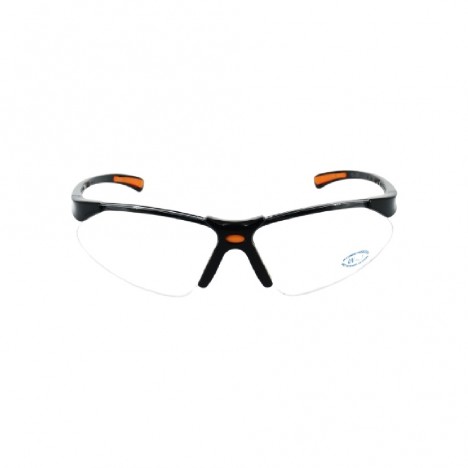
Safety glasses are the most essential safety equipment for protecting against dust, wood chips, or metal sparks, especially in drilling, cutting, or wood sanding tasks where small debris can accidentally fly into the eyes. Basic, budget-friendly glasses have adequate baseline features for general use, such as impact-resistant polycarbonate lenses, scratch resistance, lightweight feel, and a comfortable fit. Despite their low price, they effectively reduce the risk of eye injuries. They are also suitable for prescription eyeglass wearers, as over-the-glasses styles are available to wear as an outer layer.
- Ensure they meet ANSI Z87.1 or TIS standards
- Choose a style with temple arms that fit snugly and don't slip easily

Rubber-Coated Fabric Gloves
These gloves are affordable and suitable for handling general tools such as hammers and screwdrivers, or for material handling. Rubber-coated gloves enhance grip, prevent slippage, and reduce the chance of hand injuries from sharp edges or rough surfaces. They also help reduce vibration from continuously vibrating tools, such as drills or light grinders, which is extremely useful for reducing hand fatigue during long working hours. In addition, they provide good stain resistance, keeping hands clean even when handling oily or dusty materials.
- Choose a size that fits your hands properly
- Replace them when the fabric or rubber begins to deteriorate

Surgical Mask
For dusty tasks such as wood sanding, tile cutting, or wall plastering, this type of mask filters fine dust reasonably well without feeling stuffy. Suitable for short-term or occasional use, it is more affordable than valved respirators yet performs well for general household dust protection. It also features a foldable design that is easy to carry, and some models include adjustable elastic straps to ensure the mask fits snugly against the face, increasing dust filtration efficiency without feeling stifling or making breathing difficult.
- Choose one with an adjustable nose clip for a snug fit on the face
- For sensitive individuals, choose an odorless option

Earplugs
Noise from power tools like drills or grinders can exceed safe levels without you noticing, potentially causing tinnitus or even permanent hearing loss if exposed to loud noise for prolonged periods. Using earplugs is a simple and low-cost way to protect auditory nerves. Foam or silicone earplugs are reusable, lightweight, portable, and comfortable to wear—making them ideal for beginners who are not yet used to the loud noise of power tools. Prevention is always better than trying to fix hearing problems later.
- Choose an option with an SNR (Single Number Rating) of not less than 25 dB
- Washable if made of silicone

Safety Shoe
Although safety shoes may seem expensive, there are currently budget-friendly models that use composite toe caps instead of steel. They are lighter, rust-free, and provide protection comparable to steel toes. They are ideal for general DIY work with risks of falling objects, such as drilling, woodworking, or minor masonry. In addition, composite toe shoes are non-conductive, making them safe when working near electrical sources. They are also comfortable for extended wear without excessive pressure on the toes, making them suitable for those seeking safety on a budget.
- Check for the EN ISO 20345 standard code
- You should try them on before buying to check that they fit snugly and are comfortable to walk in.

Tips for Buying Safety Equipment Online on a Budget
- Compare prices before buying. Different websites often offer different prices even for the same product. Don't forget to use price comparison tools or wait for promotional discount periods.
- Read reviews from real users. Feedback from actual users makes it easier to decide whether that safety equipment is suitable for beginners, convenient to use, or has frequent issues.
- Look for standard certification stickers on the product. Even when shopping online, you can check product images for standard symbols or logos such as ANSI, CE, or TIS.
- Buy from reputable or certified stores. Choose platforms that offer return policies, warranty systems, or are directly certified by the manufacturer.
Conclusion
Getting started with safety equipment for beginners doesn't require a large investment. With smart purchasing choices and a clear understanding of your work requirements, you can prepare a complete set of safety equipment on a budget of under 1,000 THB. Starting with a "safety first" mindset will help you enjoy DIY projects with greater confidence and build long-term safety habits.


 EN
 ไทย