


 EN
 ไทย


Customers Also Purchased
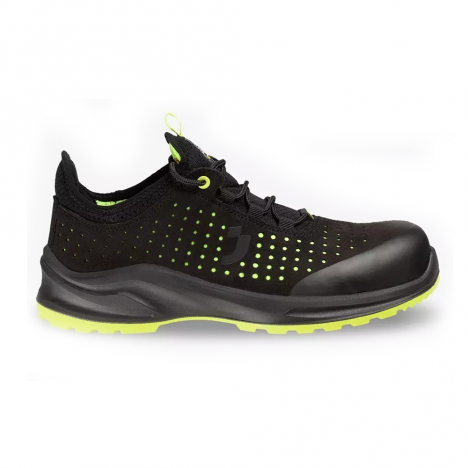
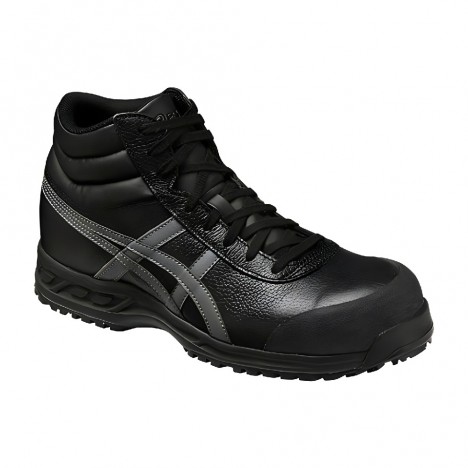
In the world of high-risk work environments, Safety Shoe is an indispensable item, especially for tasks with risks of stepping on sharp objects, wet and slippery floors, or even exposure to various chemicals. This makes safety shoes an essential gear—not just worn to prevent mistakes, but truly saving lives. And did you know? One of the most important parts of safety shoes is the outsole. Outsoles aren't just about anti-slip tread patterns; their material also affects comfort, safety, and lifespan. In today's market, the main materials we frequently see are PU (Polyurethane) soles and NBR (Nitrile Butadiene Rubber) soles. So between these two... which one is better? Or in other words, which one is best suited for your type of work? This article will walk you through it in simple, easy-to-understand terms.
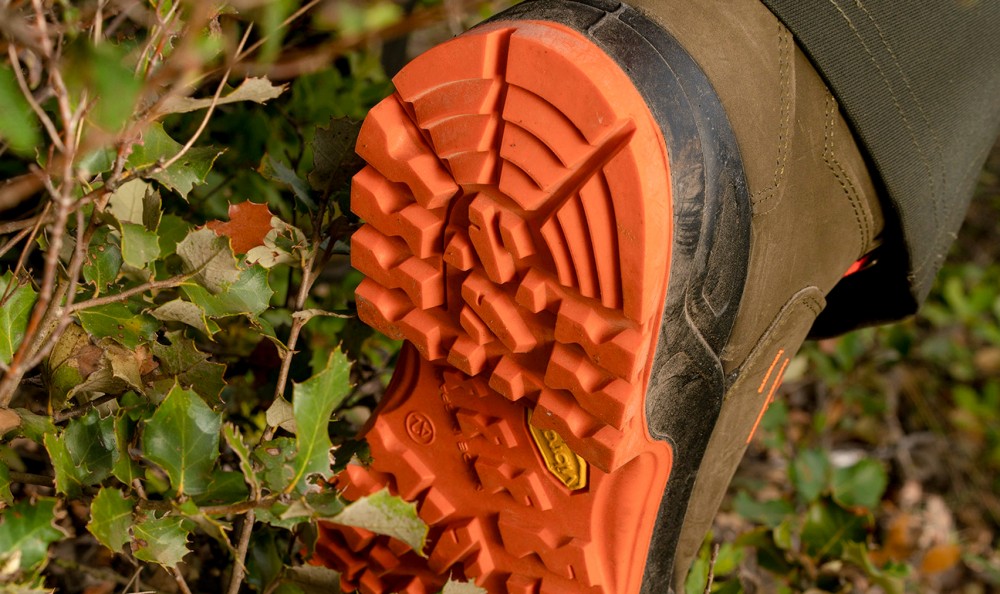
Getting to Know Safety Shoe Outsole Materials
Safety Shoes with PU (Polyurethane) Soles
Key Features of PU Sole Safety Shoes
- Lightweight, doesn't feel heavy on your feet; no fatigue even after walking all day
- Good shock absorption, reduces heel pressure, ideal for those who stand or walk a lot
- Moderate oil resistance, handles occasional oil exposure with ease
- Good flexibility, non-rigid and not stiff, feels soft and comfortable to wear
- Relatively long lifespan; lasts comfortably for several years if not subjected to heavy-duty tasks daily
Safety Shoes with NBR (Nitrile Rubber) Soles
NBR, or Nitrile Rubber, is a synthetic rubber known for being tough, rugged, and durable—especially against oils and chemicals. Anyone working in heavy industries, such as mechanics, auto repair shops, or oil refineries, knows well that this type of safety shoe outsole is a real lifesaver. It offers excellent chemical resistance, doesn't easily dissolve or deteriorate, and isn't afraid of heat. Those working near furnaces or in areas with frequent heat exposure can have peace of mind.
Key Features of NBR Sole Safety Shoes
- Easily resists oil, chemicals, and acids/alkalis—no need to worry about the sole deteriorating or wearing out quickly, even when exposed to harsh liquids.
- Highly heat resistant, with some models handling up to 300 degrees Celsius, making it ideal for those working near furnaces or hot metal scrap.
- Durable and wear-resistant sole, ready for tough daily use without premature breakdown.
- Excellent grip, especially on slippery, oily, or wet surfaces, so you don't have to worry about slipping.
- Perfect for high-risk areas like oil refineries, metal foundries, or anywhere frequently exposed to harsh conditions.
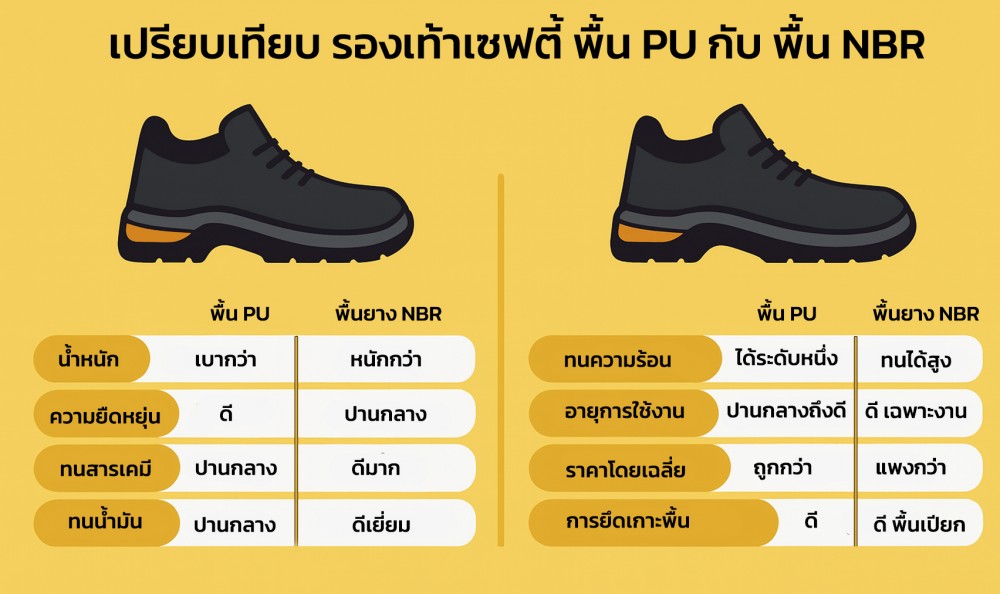
From the table, it is clear that if your job requires walking all day, frequent lifting, or quick movements—such as in warehousing, logistics, or continuous walking without breaks—a PU sole is the right choice. It is lightweight, reduces fatigue, and provides maximum agility.
However, if you face harsher environments with slippery surfaces, oil stains, chemicals, or high heat—such as in metal foundries, auto repair shops, or heavy-duty operations—an NBR sole is much more suitable because it is tough, durable, and safer in such conditions.
Which safety shoe sole is right for your job?
Warehousing / Logistics / Transportation
- Recommended: PU sole
- Reason: Lightweight and comfortable for prolonged walking without fatigue. If you have to walk back and forth all day in a warehouse or constantly move goods, this sole provides great shock absorption for maximum foot comfort, ensuring smooth walking without feeling heavy.
General Factory / Light Industry
- Recommended: Either PU or NBR soles, depending on your factory's specific work environment.
- If your factory regularly involves chemicals or unavoidable oily floors, NBR is highly recommended because it handles these substances with ease.
- However, for general assembly line work without exposure to harsh liquids, PU will offer more walking comfort and prevent foot pain throughout the day.
Automotive Mechanics / Machine Repair / High Engine Oil Exposure
- Recommended: NBR rubber sole
- Reason: Automotive and machinery repair work constantly exposes you to oil stains and fluids. An NBR sole is the ideal solution—it resists oil and chemicals while providing excellent traction, allowing you to walk confidently without slipping.
High Heat / Metal Foundry / Furnace Operations
- Recommended: Heat-resistant NBR rubber sole
- The reason is that PU doesn't cope very well with high heat; encountering hot furnaces or extremely hot floors might cause it to melt. Meanwhile, NBR is practically fire-resistant—some models can withstand temperatures up to 300 degrees. For anyone working near furnaces or in constantly scorching areas, choosing NBR first gives you much greater peace of mind!
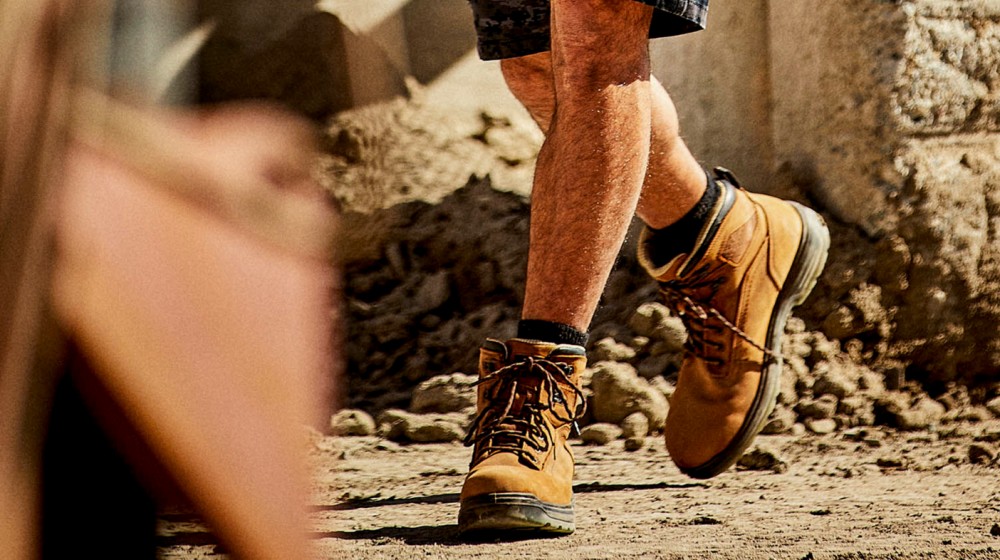
Outdoor Work / Construction Work
- If your job requires a lot of walking all day and you want safety shoes that are lightweight, comfortable, and keep your legs free from aching, PU is definitely the right choice.
- However, if your work site involves hazards like slippery surfaces, oil, standing water, or constant exposure to hot sun, NBR will help you walk with far greater confidence and safety.
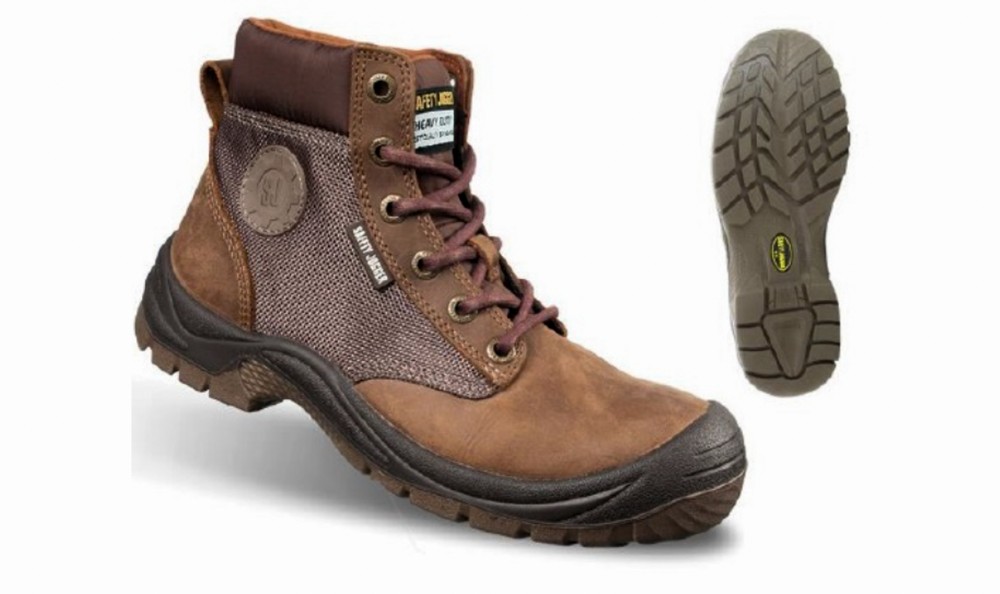
>>> What are the safety shoes standard codes and how do they differ? Let's take a look!
Additional Tips for Choosing Safety Shoes
Don't just look at the sole—look at the whole shoe
Good safety shoes aren't judged solely by their outsoles; you need to look at the overall picture—from whether the upper material is breathable, to whether it provides a snug fit. If the sole can endure the elements but the safety shoe body tears easily, it still won't last. Ultimately, they must be comfortable to wear and give you the confidence to power through work all day long.
Check Safety Standards
- EN ISO 20345 or TIS standards (simply put, these are international and Thai safety standards that ensure the safety shoes you buy meet safety criteria, rather than just looking good while offering no protection).
- Choose according to S1, S2, or S3 ratings, which act as quick codes indicating the safety level of safety shoes. For instance, S1 is suitable for general work without exposure to liquids, while S3 is the ultimate grade for heavy-duty work involving water, oil, or rugged terrain. Consider the conditions you encounter and choose appropriately so you don't overspend on unnecessary features or mistakenly purchase shoes that are too flimsy.
Try them on before buying, if possible
Some safety shoes may look sleek, stylish, or sturdy on the outside, but once worn, they might feel so uncomfortable that you just want to take them off immediately. Therefore, if you have the chance, try walking around in them for 10–15 minutes. Whether walking in the store or just pacing around lightly, it will help you know which pair feels right and which pair to pass on.
Consider actual operating conditions
There is no need to waste your budget on the most expensive safety shoes; simply select a pair that fits the nature of your work. For example, if you work in a warehouse picking or packing items all day without being near high heat or severe hazards, a standard comfortable model with certified safety standards is more than enough. You don't need top-tier fire-resistant models that weigh down your feet and cost extra money.
Conclusion
There is no absolute answer to which is better, as both PU and NBR have their own advantages depending on how you use them:
- If you need a lightweight feel, comfort, and walk frequently: Choose PU
- If you have to deal with oil, heat, chemicals, or slippery floors: Choose NBR