


 EN
 ไทย


Customers Also Purchased


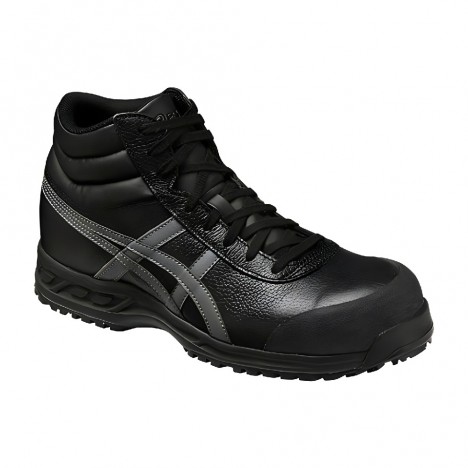
Safety shoes are an essential companion for workers in many professions, whether construction workers, factory employees, warehouse staff, or even electrical workers. They not only protect our feet from falling objects, sharp items, or hot surfaces, but also help us walk and work more comfortably, reduce fatigue, and most importantly, greatly reduce the risk of unexpected accidents.
What is the ISO 20345 standard?
Background of the ISO 20345 Standard
Differences Between ISO 20345:2011 and ISO 20345:2022

Explanation of Primary Safety Shoe Standard Codes
SB (Safety Basic)
- Safety toecap with 200 Joules impact resistance (plenty to handle falling objects to a good degree).
- No additional features or enhancements, such as slip resistance, water resistance, or shock absorption.
- Suitable for general work without harsh environments, such as factory office tasks, light duties, or temporary use while waiting for your main pair.
S1
- Still features an impact-resistant toecap just like the SB rating.
- Adds a few extra capabilities:
- Antistatic protection (A) for those working with electronic components or in dry areas.
- Heel energy absorption (E), which effectively helps reduce fatigue when walking all day.
- Oil-resistant outsole (FO), ideal for anyone frequently navigating factory floors slick with oil.
- Overall, S1 is well-suited for general indoor work, such as in factories or warehouses, providing greater confidence and protection than the basic rating.
S2
- Shares the main features of the S1 rating, but adds water penetration and absorption resistance for the shoe upper (referred to as WPA). This keeps your feet from getting wet easily when stepping in shallow puddles or working on frequently wet floors.
- Ideal for those working in wet or damp environments, such as food processing plants, beverage bottling facilities, or sanitation and cleaning roles, keeping your feet dry, comfortable, and free from stuffiness.
S3
- Maintains the same features as the S2 rating, but what sets S3 apart is the addition of a puncture-resistant midsole (P), giving you greater peace of mind when walking over areas with scrap metal, nails, or sharp objects.
- It also features a cleated, slip-resistant outsole, providing extra confidence when walking on wet or uneven surfaces.
- If you work on construction sites, lift heavy loads, walk on gravel, sand, or in warehouses with a high risk of stepping on hard or sharp objects, this rating is the perfect match.
S4 and S5 (For Rubber or PVC Safety Boots)
- S4: Offers features similar to S1, but differs in that the material is all-rubber or all-polymeric, making the safety boots 100% waterproof without any worry of getting wet. Perfect for those who constantly wade through water or work in damp conditions almost all the time.
- S5: A step up from S4, featuring a penetration-resistant midsole plate (P) and a slip-resistant treaded outsole. This provides confidence when walking on slippery surfaces or areas with solid objects on the ground.
- These two ratings are ideal for tasks involving water, mud, or frequent exposure to chemicals, such as agricultural work, wastewater treatment, or chemical manufacturing plants.
S6 and S7 (New ISO 20345:2022 Standards)
- S6: The highlight is full water resistance across the entire safety shoe (WR), not just the upper like previous versions. It also includes all S2 features, such as antistatic protection and energy absorption. It's the perfect answer for those working outdoors or in frequent rain.
- S7: Similar to S6, but upgraded with a puncture-resistant midsole plate (equivalent to S3) while maintaining full water resistance. It is considered top-tier for anyone working in harsh environments.
- Ideal for outdoor work exposed to rain, mud, and environments with sharp objects or heavy equipment lying around, such as exterior construction, heavy industrial sites, or all-day wet working conditions.

Additional Feature Codes Commonly Found on Safety Shoes
A – Antistatic
Helps reduce the risk of static buildup that could lead to electric shocks or sparks in dry environments, such as factory floors with dust or flammable materials. Highly essential for anyone working with electronic devices or sensitive machinery.
E – Energy Absorption
Heel energy absorption effectively cushions impacts when walking or standing for long periods. Those on their feet all day will immediately notice that their feet feel less fatigued, avoiding the back pain associated with regular shoes.
FO – Fuel Oil Resistant
The safety shoe outsole is resistant to fuel oil, a common hazard in factories and auto repair shops. It minimizes the risk of slipping on oil-stained floors—a small feature that brings massive confidence to your steps.
P / PL / PS – Penetration Resistance
- P: Metallic penetration-resistant plate
- PL: Non-metal plate tested with a 4.5 mm nail
- PS: Non-metal plate tested with a 3 mm conical nail
WR / WPA – Water Resistance
WR refers to safety shoes that are entirely water-resistant from toe to ankle, ideal for wading through water or working outdoors in heavy rain. WPA denotes water resistance limited to the upper (front and sides), sufficient for damp surfaces or stepping in shallow puddles.
HRO – Heat Resistant Outsole
The outsole can withstand contact heat up to 300°C. Whether walking across hot steel plates or working near smelting furnaces, it holds up reliably—perfect for foundry work, welding, or high-temperature surfaces where regular footwear fails.
CI / HI – Cold/Heat Insulation
The outsole is engineered to withstand extreme temperatures, whether freezing cold that leaves your feet numb or scorching heat from walking over hot ground. It is ideal for cold storage, freezing facilities, or intense outdoor sun exposure.
M / AN – Metatarsal / Ankle Protection
Reinforces the instep or ankle area to maximize protection at vulnerable spots on your feet. Highly recommended for hazardous jobs where heavy objects may drop or strike your feet, such as mining, forestry, or rugged industrial environments.
SC – Scuff Cap
Reinforced, thicker scuff caps protect against abrasion and wear caused by frequent kneeling or toe-ground contact. Great for tradesmen working on the floor or handling low-lying objects, significantly extending the shoe's lifespan.
LG – Ladder Grip
The outsole features a heel grip specifically designed for ladder rungs. When stepping onto steel or rounded rungs, it ensures a secure, slip-resistant hold—essential for electricians, HVAC technicians, or maintenance staff who climb ladders regularly.

How to Read Codes on Safety Shoes
Example: "S3 WR HRO SRC"
- S3: A code indicating that these shoes feature a comprehensive set of high-level basic safety features.
- WR: Fully water-resistant. No need to worry about stepping in water or walking in the rain.
- HRO: Heat-resistant outsole. Anyone working near furnaces or hot surfaces can rest assured.
- SRC: Excellent slip resistance, tested on both ceramic tiles and wet steel surfaces. Anyone who has ever slipped in a warehouse knows just how lifesaving this feature is!
A quick note: Newer safety shoe standards use the "GRIP" symbol instead of the traditional SRC/SRA/SR designations to indicate that they have undergone more realistic, real-world testing.
How to Choose the Right Safety Shoes for Your Work
Construction work
- You should opt for safety shoes with an S3 or S7 rating, as these two are exceptionally well-suited for construction work involving hard terrain, wet surfaces, or areas with nails, scrap metal, and sharp hazards at all times.
- Especially with puncture-resistant plates, slip-resistant safety shoe soles, and water-resistant features that keep your feet dry and odor-free—even when working in the rain or muddy areas all day.
Logistics / Warehousing
- S1 or S3, depending on your work environment. If you work indoors on flat floors without sharp objects or excessive wetness, S1 will suffice. However, if there are risks of falling objects, uneven terrain, nails, gratings, etc., S3 will be a much better fit.
- Being lightweight and breathable is very important, as warehouse and logistics workers do a lot of walking and standing. If safety shoes are too heavy or stuffy, you'll definitely start feeling fatigued by midday.
Food / Cold Storage
- S2 or S6 + CI (Cold Insulation) is ideal for those working in chillers, cold rooms, or frozen food storage areas. Your feet won't get numb from the cold, allowing you to walk comfortably all day.
- It is recommended to choose models with white, non-marking outsoles that offer excellent slip resistance. These environments often demand high hygiene standards; white soles always look clean and make it easier for area supervisors to spot any irregularities.
Electrical Work
- You must choose completely metal-free safety shoes for safety when working near power sources or electrical systems.
- Focus on features that reduce electrical hazards, such as A (antistatic), FO (fuel/oil-resistant sole, useful since some areas have both oil and electrical wiring), and E (heel energy absorption for comfortable all-day walking and standing). Crucially, make sure to choose non-conductive soles.
Extra Heavy-Duty Work (e.g., Mining or Forestry)
- It is recommended to use safety shoes with AN or M ratings, which are specifically designed with reinforced ankle protection to guard against side impacts or falling heavy objects. Additionally, if the shoes feature a PS-rated sole (fine-nail penetration resistance), you will feel even more confident walking over hidden nails or sharp debris. For anyone working in mines, forestry, or heavy metal factories, these are an absolute must-have!