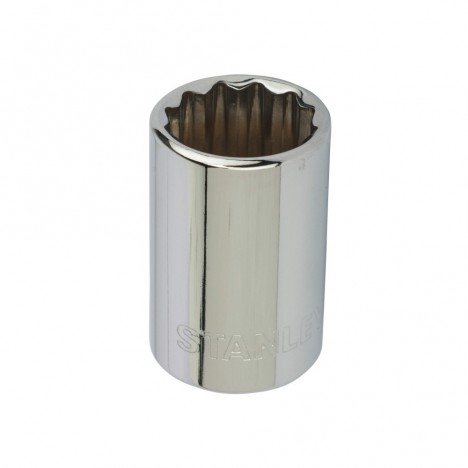
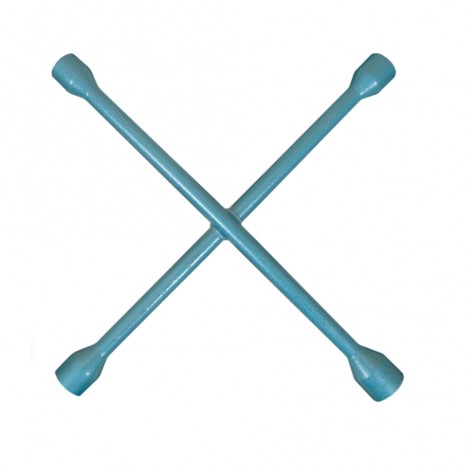
Customers Also Purchased
Wrenches It may seem like a basic tool that everyone has used, but behind this small tool lies great importance to the quality of technical work—whether it's automotive repairs, installations, woodworking, or even machinery work. Choosing the right wrench for the job and using it correctly can significantly increase efficiency, reduce errors, and greatly extend the lifespan of various equipment.
Imagine tightening a car wheel nut that requires a specific torque. If you use an unsuitable wrench—such as a loose adjustable wrench or a slightly incorrect size—the nut could become stripped, refuse to turn, or worse, have its head ruined to the point of needing replacement. These issues not only cause delays but also compromise user safety.
Why Are Wrenches More Important Than You Think?
A basic tool everyone should have
Whether you are a professional technician, a DIY enthusiast, or simply a homeowner who likes fixing things yourself, a wrench is one of the essential tools to have at home. Tightening and loosening nuts and bolts is the starting point of almost every mechanical or repair job—be it assembling furniture, repairing bicycles, tuning engines, or even installing home items like shelves or drying racks.
A good wrench helps reduce the risk of stripped nuts and damaged bolt heads
Using a wrench that doesn't fit properly or is of poor quality can damage the fastener, wasting your time, energy, and money on repairs or replacements. Using a high-quality wrench of the correct type drastically reduces these risks, especially when dealing with Phillips or hex head fasteners that require high precision.
How Many Types of Wrenches Are There, and Which One Should You Use?
- Open-End Wrench Suitable for turning nuts in confined spaces, easy to use, and fast. Ideal for standard hexagonal bolts (Hex Bolts) that do not require very high torque. Caution: always select an exact-fit size, as open-end wrenches do not provide full contact around the nut head, which can cause slipping or strip the bolt head.
- Box-End Wrench Designed to completely enclose the bolt head, making it ideal for high-torque applications or when you need to prevent damage to the bolt head. It is especially suitable for 6-point (hex) and 12-point bolts.
- Adjustable Wrench A versatile wrench with an adjustable jaw size, compatible with a wide variety of bolt heads. However, caution should be taken when using it for applications requiring high torque, as the wrench jaw may shift slightly and damage the bolt head, especially with rounded or soft-metal bolts.
- Torque Wrench Ideal for tasks requiring precise torque, such as engine assembly, tightening wheel lug nuts, or machinery work—especially on flanged bolts or bolts with integrated washers that require exact torque to prevent damage from over-tightening or loosening from under-tightening.
- Multi-Tool Wrench Ideal for DIY enthusiasts or keeping in a car emergency kit. Versatile for multiple uses, but not suitable for heavy-duty tasks or frequent use due to ergonomic limitations and potential fit issues with specialized bolt heads.
Know Each Bolt Head Type and Choose the Right Wrench!
Hex Bolt
Open-end wrench, box-end wrench, adjustable wrench, socket wrench This bolt head is the most common, found in furniture, machinery, and various structures. Its hexagonal shape provides a secure grip and can handle high torque, making it suitable for a wide range of applications from general household assembly to industrial use. Hex bolts are also available in various sizes and materials, such as stainless steel, zinc-plated steel, or alloy steel, which factor into the choice of wrench. For example, bolts with delicate surface coatings should be handled with a snugly fitting box-end wrench to prevent scratching, while in tight spaces, an open-end wrench provides easier access.
Square Bolt
Box-end wrench or square socket wrench Square bolts feature a square cross-section on all four sides, allowing them to handle very high torque due to having more contact surface with the wrench than hex bolts. They are suitable for high-torque applications, such as timber structures or jobs where the bolt must not spin while tightening. However, this type of bolt head is less commonly used in modern general applications due to the popularity of hex bolts, which are more convenient to use in confined spaces.
If it is necessary to work with square nuts, choose a wrench that fits properly and can grip all 4 sides of the nut, such as a box wrench or a socket wrench specifically designed for that shape, to prevent slipping and reduce potential damage to the nut and workpiece.
12-Point Bolt
Use with: Box-end wrench or socket wrench specifically designed for this shape
A 12-point bolt features a distinctive design with 12 evenly spaced points, allowing a wrench to engage every 30 degrees. This enables tightening from multiple angles, making it easy to turn even in extremely restricted areas. Consequently, it is popular in tight spaces such as engine bays or steel structures with surrounding obstructions.
A 12-point box-end wrench or specialized socket fits this bolt head precisely, significantly reducing the risk of slipping or rounding the bolt compared to general wrenches. However, strict sizing precision is essential: because this bolt head has slightly less contact area per point with the wrench than a hex head, using a high-quality, properly fitting wrench is crucial for safe operation.
Round or Smooth Bolt Head
A properly adjusted adjustable wrench or specialized wrenches, such as a pipe wrench or universal locking wrench Round-head or flat-head nuts are often found in designs that emphasize aesthetics. These nuts do not have flat edges for gripping like standard nuts, making them difficult to tighten or loosen. Using unsuitable tools can easily damage or scratch the surface, especially on furniture, thin metalwork, or visible finished surfaces.
When working with this type of nut head, you should choose a wrench that provides a secure grip, such as a precisely adjustable wrench or locking pliers capable of gripping round objects firmly. A cloth or protective material should be placed between the wrench and the nut head to prevent scratching. Additionally, apply moderate and consistent torque, as this type of nut head lacks corners to bear the load, making it prone to slipping or causing hand injuries if excessive force is used.
Flange Nuts
Torque wrench for jobs requiring consistent torque along the entire line Flange nuts have a distinctive feature: an integrated washer beneath the nut head, which helps distribute clamping force evenly over the fastened surface. This reduces the risk of the nut loosening or coming off over time, making it ideal for applications requiring high stability, such as engine cylinder head bolts, wheel lug nuts, or mounting components subjected to continuous vibration.
To tighten flange nuts effectively, a torque wrench should be used to control the torque precisely. Over-tightening can damage components or cause the nut head to stretch and deform. Meanwhile, under-tightening may lead to loosening during operation, posing serious hazards, especially in high-speed or heavy-impact applications such as automotive suspension systems or heavy machinery.
Techniques for Using Wrenches Correctly
Choose the exact right size
An ill-fitting wrench size is the enemy of nut heads. Using the wrong size can strip the nut head, cause it to slip, or result in improper tightening—a common problem among mechanics and general users alike. This is especially true for nuts made of softer materials, such as aluminum or plated steel; if tightened with a wrench that is too loose, the nut head will be damaged and rendered unusable. Always match the wrench size precisely to the nut's specifications, and avoid using adjustable wrenches unless necessary, as they can easily slip out of adjustment.
Don't force it if it won't budge!
If the wrench starts slipping or won't turn, don't force it and ruin the nut head. Try spraying lubricant on the threads, such as WD-40 or a specialized penetrating fluid, to make turning easier. If it still won't loosen, switch to a wrench that provides greater torque, such as a box-end wrench or a socket wrench with a breaker bar. In some cases, applying heat may be necessary to loosen nuts seized by rust or high tension.
Turn in the right direction
A simple principle that many get wrong: turn clockwise to tighten, counterclockwise to loosen (except for left-hand threaded nuts, which are typically used on fan blades or components that rotate counterclockwise continuously). Turning the wrong way will not only fail to loosen the nut, but will also overtighten it or even snap it if too much force is applied. Always check the thread orientation before starting.
Use a torque wrench when necessary
Certain jobs require precise torque, such as tightening cylinder heads, structural bolting, or assembling engine components that require consistent tightness throughout. Over-tightening can strip the threads or put excessive pressure on the material, causing it to crack. Under-tightening, on the other hand, risks parts coming loose or shifting later on. Using a torque wrench allows you to control the torque accurately, and it should always be set according to the equipment or component manual.
Don't forget to use a washer
Tightening a nut without a washer causes the clamping force to be distributed directly onto the workpiece surface, which can damage the material or cause the nut head to sink into it. Washers also provide friction to prevent the nut from loosening easily under vibration or material movement, such as in steel frame installations, motor mounting, or regularly vibrating equipment. Choose a washer with suitable properties, such as rubber, plastic, or rust-resistant plated steel washers, depending on the application.
What to Look for When Buying a Wrench?
High-Quality Materials
Look for alloy metals with high strength and torque resistance, such as Chrome Vanadium (Cr-V) or Chrome Molybdenum (Cr-Mo), which are commonly used in industrial-grade tools. Both offer high tensile strength, resist deformation, and withstand corrosion, especially in environments exposed to constant moisture or oil. Wrenches made from low-grade metals may seem adequate at first, but will crack, break, or bend under real torque loads over time.
Frequently Used Sizes
Having a wrench set that covers standard sizes is a worthwhile investment, especially sizes ranging from 8mm to 19mm, which cover household repairs up to automotive and professional mechanic work. Popular sizes such as 10mm, 12mm, and 14mm are widely used with nuts and bolts on various equipment. Choosing a complete wrench set saves both time and cost compared to buying individual pieces.
Reliable Brands
A brand's reputation guarantees manufacturing quality and precision. Wrenches from leading brands such as Knipex, Wera, Stanley, Makita, and Milwaukee typically undergo high-standard manufacturing processes and maintain dimensional tolerances matching ISO/DIN standards, ensuring that they won't slip or damage bolt heads during tightening. In addition, some brands offer a lifetime warranty and local after-sales service centers.
Comfortable Grip
Handle design is equally important. A good wrench should have a non-slip grip even when hands are oily, such as rubber-coated handles, nylon-coated handles, or textured non-slip finishes, allowing users to apply full torque without hand pain. Some models feature an ergonomic design to help reduce fatigue during prolonged use and minimize the risk of accidents from slipping during heavy tightening.
Tips to Extend the Lifespan of Wrenches
- Clean after every use After use, always wipe down the wrench with a dry cloth or a cloth lightly dampened with oil to remove dust, oil stains, or metal shavings that may have accumulated from the workpiece. This prevents moisture buildup that could cause rust or corrosion in the long run. For stubborn stains, use metal cleaner or a soft-bristled brush. Avoid washing directly with water, as it can cause rust.
- Store dry and organized After cleaning, allow it to dry completely before storing, and keep wrenches in a dry, non-humid place, such as a covered toolbox or a hanging rack organized by size. Storing them this way not only prevents damage from impacts or friction against one another, but also makes them convenient and quick to retrieve, reducing the risk of picking the wrong size.
- Oil the pivot points (for adjustable wrenches) For adjustable wrenches with rotating or adjustable parts, such as knurl or gear mechanisms, regularly apply a light lubricating oil to the pivot points to keep the mechanism smooth, prevent jamming, and protect against long-term wear. Use tool-specific lubricants, such as machine oil or light anti-rust oil, and wipe off any excess after application to avoid attracting dust.
Never think of a tool like a wrench as a minor detail, because choosing the wrong one, using it improperly, or overlooking quality can completely ruin the entire job. Investing in a good wrench is an investment in safety, convenience, and the quality of your work. Remember that "A good wrench is half the battle won... the rest depends on whether you installed the bolt correctly!", just like the title of this article says.
>>> Choose Wrench here


 EN
 ไทย