


 EN
 ไทย


Customers Also Purchased
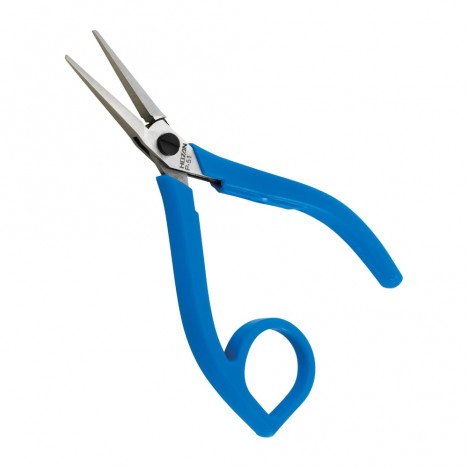
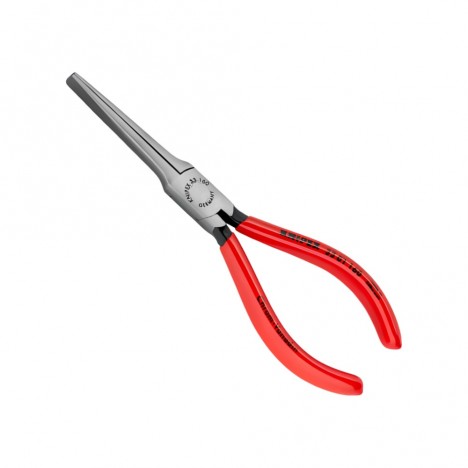
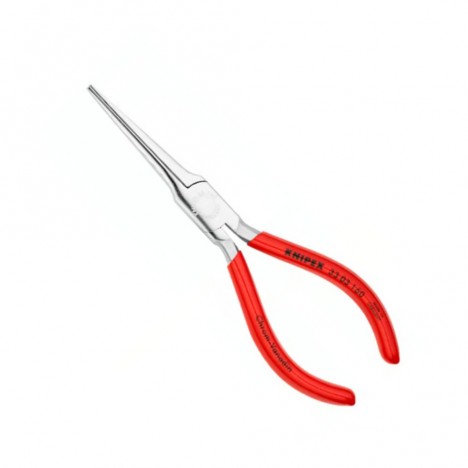

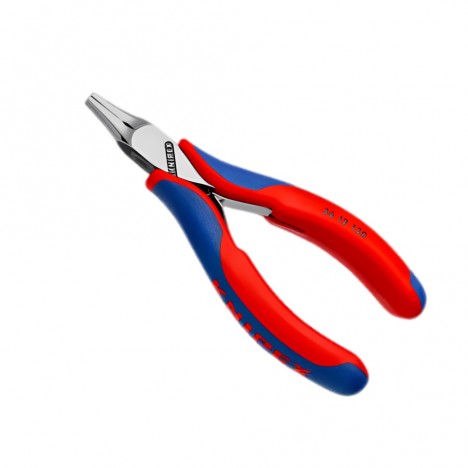
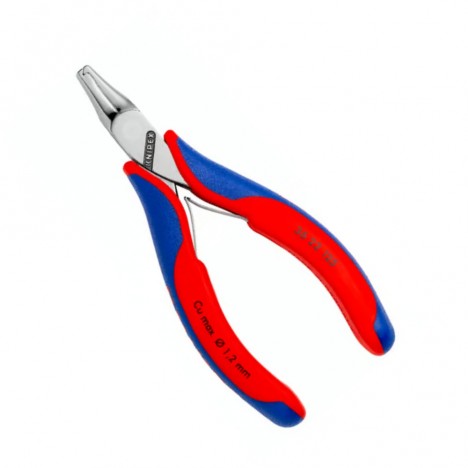
Long-nose pliers are often an overlooked hand tool, but in reality, they are extremely versatile and should always be kept around the house, especially for DIY enthusiasts—whether professional tradespeople, hobbyists, or general homeowners. The key feature of long-nose pliers is their slender, long tips, which allow them to reach into tight spaces, deep crevices, or hard-to-access areas with ease.

1. Fixing loose electrical outlets or wires
Long-nose pliers and household electrical work
- Choose pliers with high-quality electrical insulation, especially insulation that meets safety standards such as VDE or IEC, which provides high-level electrical protection suitable for work that may involve low to medium voltage, helping prevent short circuits or electric shocks while working.
- Strictly avoid working while electrical current is flowing through the system. Even with insulated handles, 100% safety cannot be guaranteed. Always ensure that the power is cut off before starting work, and if possible, use a voltage tester before touching any wires or terminals.
2. Organizing cables and wires neatly
How do long-nose pliers help organize cables?
Homes with many electrical appliances often have tangled wires running across floors or behind furniture. Not only does this look messy, but it also creates tripping hazards or short-circuit risks. Cable management is therefore an important task that should be done regularly.
Long-nose pliers can help you manage these wires effectively, such as gripping wires to thread them tightly through cable ties or holding wires to twist them together before securing. With their slender, long tips, you can easily reach into narrow gaps or behind large appliances—like behind refrigerators, under computer desks, or around wall-mounted raceways—without having to lift or move heavy appliances, saving a great deal of effort and time.
In addition, long-nose pliers can be used to hold the ends of wires to pull them straight, or to twist and tuck excess lengths into neat, tidy coils so they are out of the way, making your home look cleaner and much safer.
- Reduces tripping hazards, especially in areas with the elderly, small children, or pets, as wires lying haphazardly on the floor can be hazardous by causing trips and falls, or causing electrical devices to be pulled down and damaged.
- Increases home safety and aesthetics by routing wires straight along walls or inside cable raceways, keeping floors clean and clear, making home decorating easier, and reducing clutter when moving items or cleaning.

3. Repairing small appliances
Fixing fans, rice cookers, or toasters
Long nose pliers are ideal for gripping small components such as internal wiring, fuses, resistors, capacitors, or small terminals inside electrical appliances—especially in tight and complex layouts, such as inside circuit boards or device housings where numerous wires are crowded together. Long nose pliers allow you to clamp or pull the desired wire without disturbing other wires or parts. They can also be used to bend wires into the proper position or twist wires tightly around terminals, reducing the chance of loose connections and preventing future electrical faults.
- Always unplug before starting, for safety when working with any electrical appliance, even for minor fixes. Residual electrical current can cause damage or be life-threatening. If you are unsure, use a voltage tester to confirm that power to the system is completely cut off.
- Use pliers with non-slip tips to prevent damage to internal parts, especially delicate electronic components such as fuses, terminals, or thin wires. Slippery tips could cause the pliers to slip and impact other components, damaging them. Additionally, choose pliers with serrated or non-slip coated tips to increase grip during high-precision tasks.


4. DIY and Craft Projects
Arts and Crafts
Whether you are making jewelry, scale models, or home decor, long nose pliers will help you twist wire, grip small parts, or place materials precisely where needed. This is especially true for fine, delicate work such as crafting earrings, necklaces, or wire-bending projects that require the wire to fit snugly against the workpiece. In addition, long nose pliers can be conveniently used to position beads, apply glue, or place tiny accessories into hard-to-reach spots by hand. They are ideal for regular DIY enthusiasts or anyone looking to create intricate, highly delicate art projects.
- Making wire keychains: Use long nose pliers to twist wire into loops or various shapes, then thread beads or tags onto it to create unique designs—perfect for gifts or personal use.
- Assembling miniature models: Long nose pliers help hold tiny parts like arms, legs, or model accessories, enabling precise placement without damaging the components.
- Making decorations from electrical wire: Bend electrical wire into shapes like flowers, letters, or decorative home structures such as key holders or picture frames, using long nose pliers to define curves and form neat, sturdy shapes.
5. Pulling Nails or Staples from Tight Spaces
Why Are Long Nose Pliers Ideal for This Task?
Sometimes you may encounter nails deeply embedded in wood grooves or staples sunk deep into upholstered furniture like sofas or chair cushions, which are difficult to pry out by hand or even with standard pliers whose jaws are too bulky. With their slender, tapered, and precise tips, long nose pliers can easily slip into these small spots, securely clamping onto the nail head or staple end to pull it out without causing excessive tearing or damage to the wood surface or fabric. They are also well-suited for repairing furniture fastened with intricate wire patterns or delicate materials like plywood or MDF, which require extra care when removing nails or staples.
- Use alongside a prying screwdriver to reduce effort: Inserting a flathead screwdriver under the head of the nail or staple helps provide leverage from below, while the long nose pliers grip firmly from above to pull and guide it out. This makes the job much easier without requiring direct brute pulling force, which is great for those with less strength or when working with relatively brittle materials.
- Pull slowly and carefully; do not yank forcefully: Pulling nails or staples with excessive force can tear the wood grain or damage surrounding materials. Use a gentle side-to-side rocking motion while gradually increasing pulling force. If it feels too tight, stop and change the pulling angle, or apply a drop of lubricant first to make removal easier.
6. Repairing Watches or Miniature Devices
Delicate Work Requires Precision Tools
Watches, eyeglasses, or compact appliances like cameras, USB fans, and miniature electronic toys often feature intricate and delicate internal structures. Disassembling or assembling these parts requires high-precision tools that can safely reach into cramped spaces. Long nose pliers are the perfect choice, as their long, slender tips can reach into tiny slots or under circuit boards to grip or extract components like small springs, thin circuit strips, or battery terminals without disturbing adjacent parts. They also help steady components while tightening screws or assembling covers, making repair work much smoother and more accurate.
- Choose small pliers or a mini needle nose model specifically for this task: Working on miniature devices like watches or eyeglasses requires high precision and limited workspace. Standard-sized pliers may be too bulky to reach critical areas, easily leading to internal component damage. Therefore, selecting pliers with an appropriately compact size and light weight for your hand is crucial.
- Avoid excessive pressure, as most small devices are made of fragile materials such as thin plastic, metal alloys, or miniature circuit boards. Applying too much clamping or squeezing force can break or deform these parts. Use moderate pressure and always check the position of the pliers' tips before applying force to prevent touching sensitive areas.

7. Repairing Children's Toys or Plastic Furniture
Fixing tight spots out of reach by hand
Many children's toys have replaceable or moving parts, such as springs, wheels, axles, or plastic joints, which can easily come loose or become deformed from heavy use or rough play. Needle-nose pliers can grip these parts with precision, allowing you to pry open or reshape springs, straighten bent wheel axles, or clamp onto pivot pins to align and tighten them. Especially in small toys or areas with tight access, needle-nose pliers make repairs easy, fast, and reduce the risk of damaging other components compared to using bare hands or improper tools.
- Parents fixing toys for their children: Young kids often play roughly or accidentally drop their toys, easily causing parts like wheels, springs, or covers to break or fall off. Parents who can use needle-nose pliers to bend, fix, or reassemble them on their own can extend the toy's lifespan, save money on replacements, and seize a great opportunity to teach children how to take care of their belongings.
- Homeowners who need to keep household items ready for use at all times: Whether it's kitchen utensils, small furniture, or everyday household items—such as a drawer with a loose catch, a cabinet door with loose hinges, or home decor needing adjustment—needle-nose pliers make repairing these small details effortless without having to rely on a technician, keeping your home in tip-top shape at all times.
> How to maintain needle-nose pliers for long-lasting use and rust prevention!
Tips for choosing good needle-nose pliers
Choose by material
- Hardened steel is more durable because it undergoes a strengthening process, allowing it to withstand high torque, pressure, and heavy use without wearing out easily. It is ideal for frequent users or maintenance tasks that require complete confidence in tool quality.
- Should feature non-slip rubber handles for a secure grip, reducing the chance of the pliers slipping during use, especially in damp conditions or when applying high clamping force. Rubberized grips also help alleviate hand fatigue and pressure discomfort, making them suitable for both DIY enthusiasts and professional tradespeople.
Choose by brand
- Knipex offers professional-grade quality, made in Germany. Its key strengths lie in precise jaw alignment, highly efficient gripping force transmission, and long-term durability—ideal for professional craftsmen or anyone needing reliable tools in any situation.
- Wera offers full functionality and modern designs, focusing on versatile applications such as free-turning sleeves, anti-slip systems, and extra features tailored for DIY or light industrial work. Perfect for those looking for modern, user-friendly, and portable tools.
- Sata offers affordable pricing and durability, making it ideal for beginners or everyday homeowners. With robust materials, comfortable grips, and various models to choose from, it delivers great value and cost-effectiveness while maintaining solid performance for daily tasks.
Conclusion
Whether you are repairing electrical outlets, routing wires, assembling DIY projects, or fixing toys, needle-nose pliers can handle it all. Having a pair at home not only makes tasks easier, but also enhances safety and saves you the cost of calling a technician.
>>> Choose Long Nose Pliers to suit your application