


 EN
 ไทย


Customers Also Purchased
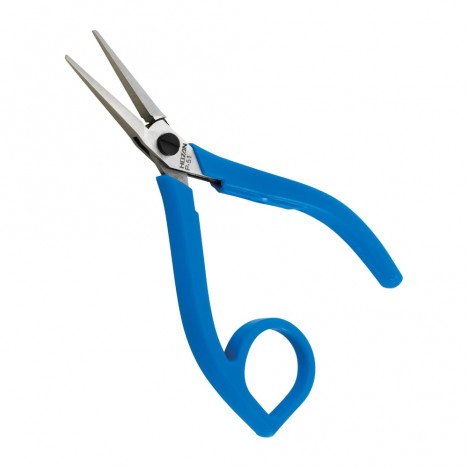
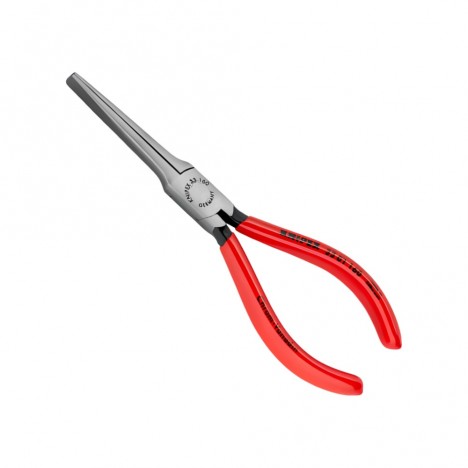
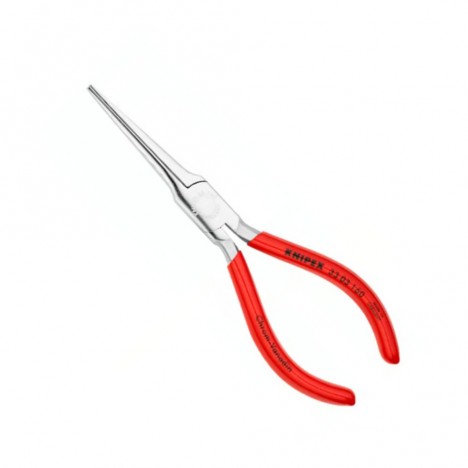

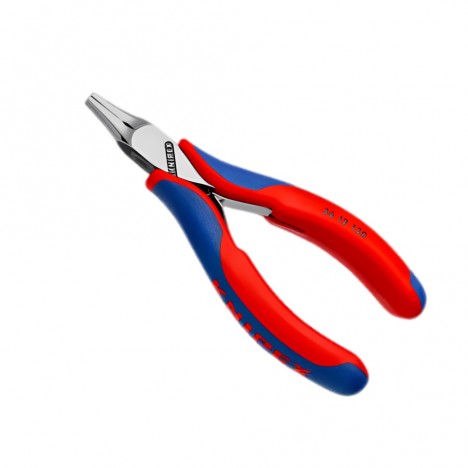
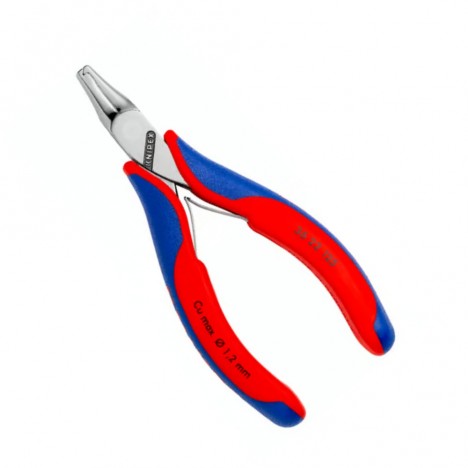
Long Nose Pliers It is undeniably an essential hand tool for electrical work, repairs, DIY projects, and industrial tasks, thanks to its ability to grip, bend, and cut wire effectively—especially in jobs requiring high precision. However, without proper maintenance, long-nose pliers can rust, deteriorate, or lose their functional capability sooner than expected. Factors that cause pliers to degrade quickly often include frequent exposure to moisture, heavy-duty overuse, or improper storage. Regular maintenance of long-nose pliers will extend their lifespan, reduce the chance of rust formation, and keep them in optimal, ready-to-use condition.
How to Maintain Long-Nose Pliers for Long-Lasting, Rust-Free Use
Clean Long-Nose Pliers Regularly
Wipe Clean After Use
After using long-nose pliers, use a dry or damp cloth to thoroughly wipe away dust, grease, or dirt from the tool, especially around the joints and serrated jaws where debris can accumulate. Check for any metal shavings or residues, and if stubborn dirt is found, use a dedicated cleaning agent or a soft-bristled brush to remove it. Then wipe completely dry with a clean, dry cloth to prevent moisture that could lead to rust.
Use Tool Cleaner
If grease or oil builds up on long-nose pliers, use a tool cleaner to wipe it off. Choose a cleaner with good degreasing properties, such as a multi-purpose cleaner or rubbing alcohol for oil stains, then gently scrub with a soft-bristled brush or microfiber cloth to minimize friction that could damage the surface of the pliers. For heavy grease, wash gently using mild soapy water with a sponge or brush, then rinse with clean water. Dry thoroughly immediately afterward with a clean dry cloth, and apply a thin layer of oil coating to preserve the metal if additional rust prevention is desired.
Use a Wire Brush to Scrub Away Rust
If rust begins to form on long-nose pliers, address it promptly by gently scrubbing it off with a wire brush to prevent it from spreading to other parts of the pliers. In addition, use fine sandpaper or a rust-erasing sponge to smooth the surface. For stubborn rust, soak the pliers in vinegar or a dedicated rust remover for about 15-30 minutes, then scrub off with a stiff-bristled brush. Rinse with clean water and wipe completely dry before applying a light coat of lubricating oil to prevent rust from recurring.

Prevent Rust with Lubricating Oil
Choose the Right Lubricating Oil
Applying lubricating oil helps prevent rust and reduces friction between moving parts. You should choose lubricants designed for tools, such as WD-40 or machine oil, which form a thin film protecting metal surfaces from moisture and dust. Additionally, using silicone lubricants can help reduce dirt adhesion and provide smoother action. Choosing the right lubricant for the working environment, such as anti-rust oil for high-humidity areas or grease for pliers subjected to high friction, will help your long nose pliers last longer.
How to Apply Lubricant
Apply an appropriate amount of oil to the plier joints, then use a soft brush or cotton swab to spread the oil into every crevice of the moving mechanism. Wipe thoroughly over the metal surfaces, especially high-friction areas, to ensure the parts move smoothly and to reduce wear. Wipe off excess oil with a clean, dry cloth to prevent dust and dirt accumulation, which could cause the tool to deteriorate faster.
Lubrication Frequency
Long nose pliers should be lubricated at least once a month, or more frequently if used in high-humidity environments, such as coastal areas, or in places with accumulated dust and corrosive substances. In addition, regularly check whether the protective oil film is still present; if it appears dry or worn, reapply oil to maintain maximum rust protection. Using an oil suited to the type of pliers and the environment will extend their service life even further.


Safely Storing Long Nose Pliers
Avoid Damp Storage Areas
Store pliers in a dry, well-ventilated area, such as an organized tool cabinet shelf or a tightly closed toolbox. Avoid placing them in high-humidity locations, such as bathrooms, workshops with oil and vapors, or outdoors exposed directly to rain and sunlight. In addition, periodically inspect the storage environment; if the humidity is found to be too high, use desiccants such as silica gel or bamboo charcoal to help absorb moisture and reduce the risk of rust formation.
Use a Toolbox or Tool Bag
If carrying pliers on-site, store them in a dedicated toolbox or tool bag lined with cushioning material to protect against dust, moisture, and impacts that could damage the pliers. Choose a bag with individual storage compartments for each tool to reduce rubbing against each other, which can cause scratches or rust. In addition, using a box with secure latches prevents accidental opening and minimizes the risk of drops or damage during transport.
Place Desiccants in the Toolbox
Placing silica gel packets in your toolbox will help reduce humidity and better prevent rust. Select silica gel packets suited to the size of the toolbox, and replace them regularly once they become saturated or change color. For higher performance, other desiccants can be used, such as bamboo charcoal or reusable moisture-absorbing packs that can be regenerated by baking. Place desiccant packets where they can absorb moisture across the entire box, such as beneath tools or in corners, and avoid direct contact with metal to reduce the chance of reactions that could damage the tools.
Using Long Nose Pliers Correctly
Avoid Misusing the Pliers
Long nose pliers are designed to grip, bend, and cut soft, small-gauge wire such as copper or aluminum wire. They should not be used to cut overly hard materials like nails, rebar, or thick cables, as this can accelerate damage to the tool. Furthermore, using long nose pliers for tasks requiring excessive force may lead to loose joints, slipping grip serrations, or chipped cutting edges. Therefore, choose pliers designed for the specific task; if cutting harder materials is required, opt for wire cutters or dedicated cutting tools instead.
Avoid Excessive Pressure
Applying excessive force may loosen or damage the joint, resulting in a loose grip and reduced operating efficiency. It can also cause the plier jaws or cutting edges to crack or chip over time. To prevent this issue, use the tool carefully by exerting force appropriate for the workpiece. If significant force is required, choose pliers with the size and strength suited to the task—for instance, long nose pliers designed for electrical work may not be suitable for cutting thick steel wire. Selecting the right tool ensures efficient operation and minimizes long-term damage to the pliers.
Avoid Dropping or Impacts
Repeatedly dropping long nose pliers onto the floor can loosen the joint, making opening and closing less smooth, or deform the jaws, resulting in an insecure grip and reduced operating efficiency. In addition, impact damage can cause microscopic cracks in the material, which may spread and eventually cause the pliers to break or snap. To prevent this, store pliers safely, avoid placing them on table edges or fall-prone areas, and inspect their condition before use if they suffer a hard impact to ensure safety.

Regularly Inspect the Condition of Long Nose Pliers
Check the Joint and Smooth Operation
Check whether the long nose pliers' joint still operates smoothly by observing if opening and closing the pliers can be done seamlessly. If it starts to feel stiff or makes a grating noise, apply an appropriate lubricant, such as sewing machine oil or multi-purpose oil, dripping it onto the pivot point of the pliers. Then, open and close the long nose pliers several times so the oil penetrates into the pliers' internal mechanism. Use a cloth to wipe off excess oil to prevent dust accumulation. If it remains stiff after lubrication, disassembly may be required to check for clogs or accumulated rust and perform further cleaning.
Inspect the Gripping Serrations
If the gripping serrations are heavily worn, the workpiece may not be held securely and could slip easily, leading to inaccurate work and potential accidents. Regularly inspect the serrations to ensure they have sufficient depth and sharpness. If the serrations have begun to wear smooth and can no longer hold workpieces securely, you can lightly resharpen them using suitable tools to extend the service life of the long nose pliers. However, if the wear is too severe to fix, replace them with new long nose pliers to ensure your work remains efficient and much safer.
Conclusion
Maintaining long nose pliers for long-lasting, rust-free use is not difficult. Simply make sure to clean them after use, apply lubricant regularly, and store them in an appropriate place. In addition, using them correctly and periodically inspecting the tool's condition will help prolong your pliers' lifespan. We hope the information in this article helps you maintain your long nose pliers effectively!