


 EN
 ไทย


Customers Also Purchased


Water pumps are essential for a wide range of applications, from supplying water to residential homes to agricultural and industrial uses. The electricity consumption of a water pump varies depending on its size, type, and application. Generally, everyday applications such as in your home use smaller water pumps and consume less energy. However, in industrial or agricultural settings where the demand for water displacement is much higher, the electricity consumption of water pumps can be a significant part of overall energy usage. This makes the efficiency of these water pumps a crucial factor in managing energy consumption and costs.
How much electricity does a water pump use?
The amount of electricity consumption of Water Pumps depends on several factors, including size, efficiency, and the volume of water needed to be moved. Water pumps are rated for power consumption in watts or horsepower (HP), with larger and more powerful water pumps consuming more electricity.
Small domestic water pumps typically used at home for watering gardens and general tasks generally range from 250 watts to 1,500 watts. For example, a 0.5 HP water pump consumes around 375 watts. Larger domestic water pumps may range from 1,500 watts to 2,500 watts or more.
To calculate the energy consumption of a water pump, you can use the following formula:
Electricity Consumption (kWh) = Power (kW) × Operating Hours Electricity Consumption (kWh) = Power (kW) × Operating Hours
For example, if a 1 kW pump operates for 3 hours a day, it will consume
1 kW × 3 hours = 3 kWh 1 kW × 3 hours = 3 kWh
Factors affecting water pump electricity consumption
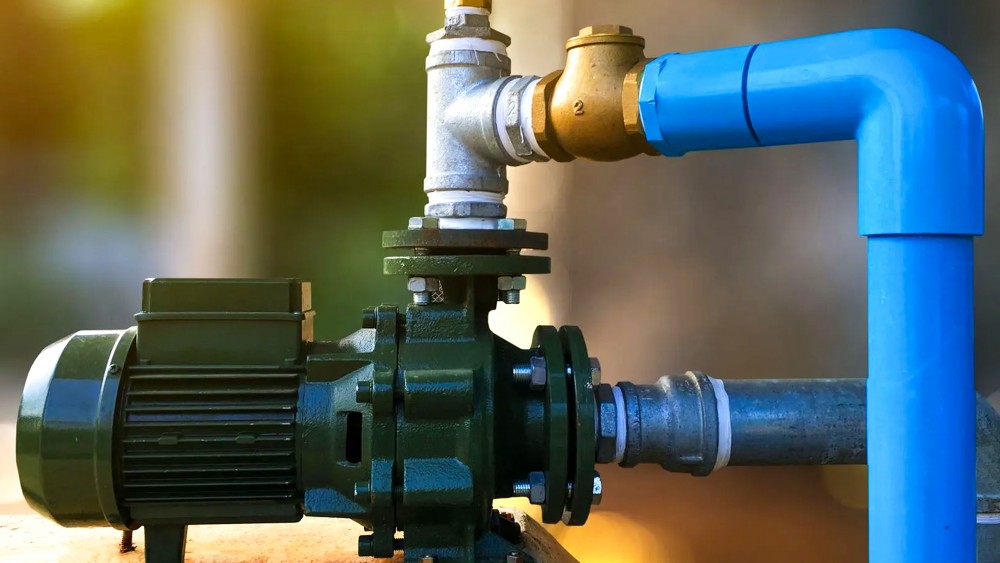
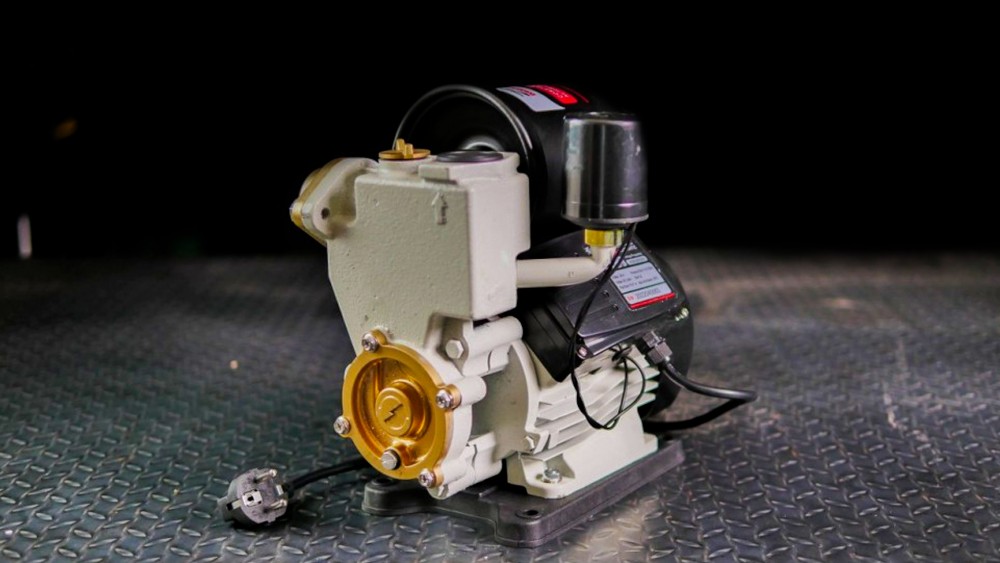
Several factors affect the electricity consumption of a water pump. Understanding these factors will help you select the right water pump for specific needs and ensure it operates efficiently.
- The size of the water pump, typically indicated by power rating in horsepower or watts, is a primary factor. Larger pumps with higher capacities consume more energy because they can move more water.
- The efficiency of a water pump refers to how effectively it converts electrical energy into hydraulic energy to move water. Higher efficiency water pumps use less electricity to pump the same volume of water.
- The duration a water pump operates significantly affects total electricity consumption. Longer operating hours consume more energy.
- Total Dynamic Head (TDH) refers to the total height a water pump needs to lift water, combined with any additional resistance it must overcome. A higher TDH requires more power, and consequently more electricity.
- Flow rate is the volume of water moved per unit of time, typically measured in gallons per minute (GPM). Water pumps with high flow rates generally consume more electricity.
- Larger and longer pipes can increase resistance to water flow, causing the water pump to work harder and use more electricity.
- A well-maintained water pump in good mechanical condition operates much more efficiently than a worn or poorly maintained water pump.
- The design and type of water pump (e.g., centrifugal pump, submersible pump, or positive displacement pump) affect its efficiency and energy consumption.
- The type of fluid being pumped (e.g., clean water, wastewater, or slurry) and fluid properties (such as viscosity and density) can impact the power required for pumping.
- Water pumps equipped with smart control systems can optimize operation by adjusting speed and power consumption according to demand, which can save electricity.
How many types of water pumps are there, and which one is suitable for your application?
Optimizing the energy efficiency of water pumps
Optimizing the energy efficiency of water pumps is crucial for reducing electricity consumption and operating costs, especially in applications where numerous water pumps are used. Here are some strategies to maximize the energy efficiency of water pumps:
Proper sizing
Select a water pump appropriately sized for the intended application. An oversized water pump not only consumes more energy but also operates less efficiently. Similarly, an undersized water pump may have to work harder, resulting in increased wear and higher energy consumption.
Variable Speed Drives (VSDs)
Installing a Variable Speed Drive can significantly increase efficiency. VSDs adjust the operating speed of the water pump to match system demand, reducing energy consumption when full capacity is not needed.
Regular maintenance
Regular maintenance is essential to keep water pumps operating efficiently. This includes cleaning, lubrication, and inspection for wear and tear. Replacing worn parts on a regular basis can prevent inefficient operation and energy waste.
Choosing efficient motors
Use high-efficiency, energy-saving motors. Although they may sometimes be more expensive initially, they can significantly reduce energy consumption and costs over their service life.
Optimize system design
Ensure that the entire water pump system—including pipes, valves, and filters—is designed for maximum efficiency. Reducing friction loss by selecting appropriate pipe sizes and minimizing bends and fittings helps lower power requirements.
Inspect the water pump impeller
Keeping the impeller in good condition and properly adjusted is critical for efficient operation. A worn or misaligned impeller can reduce the efficiency of the water pump.
Control system
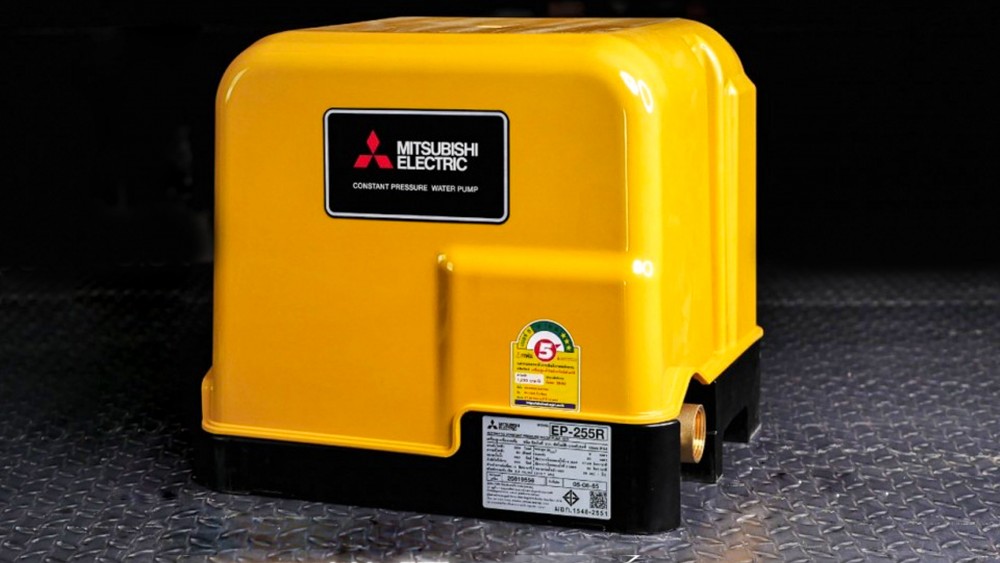
Use advanced control systems that optimize water pump operation based on real-time data. This may include automated controls to start/stop the water pump as needed or modulate flow rates.
Minimize leaks and repair damage
Regularly inspect and repair leaks in the system. Leaks can cause the water pump to work harder than necessary, leading to wasted energy.
Conclusion
In conclusion, understanding the complexities of water pump electricity consumption is critical for efficient operation and cost management. This article highlights that water pump capacity, along with other factors, plays a significant role in determining electricity usage. Key elements such as the size and type of the water pump, operating duration, total dynamic head, and the characteristics of the pumped fluid all contribute to the water pump's energy consumption.
Furthermore, we found that factors such as pump efficiency, mechanical condition, and pumping system design can significantly impact electricity usage. Optimization strategies such as proper sizing, regular maintenance, using high-efficiency motors, and implementing control systems can lead to substantial energy savings.
It is clear that a comprehensive understanding and careful consideration of these factors are essential for those seeking to use water pump energy in the most energy-efficient manner.