


 EN
 ไทย


Customers Also Purchased




Did you know that choosing the right safety helmet for the job can significantly reduce the risk of workplace accidents? Whether you are an electrician, engineer, or working on a construction site, a safety helmet is an essential piece of protective equipment that should not be overlooked.
If you are looking for a safety helmet suitable for your work but still feel confused by the different types, the author will introduce various types of safety helmets and explain their features so that you can definitely choose the helmet that best fits your needs. Let's get to know the different types of safety helmets.
Purpose of the Article
In this article, you will learn about the types of safety helmets available in the market, how to choose the right safety helmet for your job, and precautions for use so you can make confident, safe purchasing decisions.
Main Topics in the Article
1. Introduction to Safety Helmets
2. The Importance of Safety Helmets at Work
3. What Are the Types of Safety Helmets?
4. How to Choose the Right Safety Helmet
5. Precautions for Using Safety Helmets
6. Q&A
7. Conclusion
8. References

Introduction to Safety Helmets
A safety helmet (or hard hat) is a type of personal protective equipment (PPE) designed to protect the head from injuries that may result from workplace accidents, such as falling object impacts or electrical hazards. Safety helmets are commonly used in high-risk accident areas, such as construction sites, production lines, or heavy industrial plants.
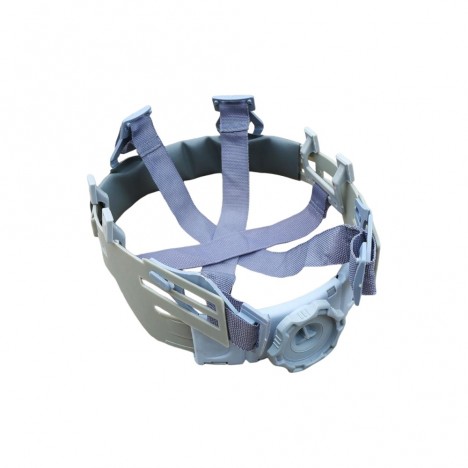
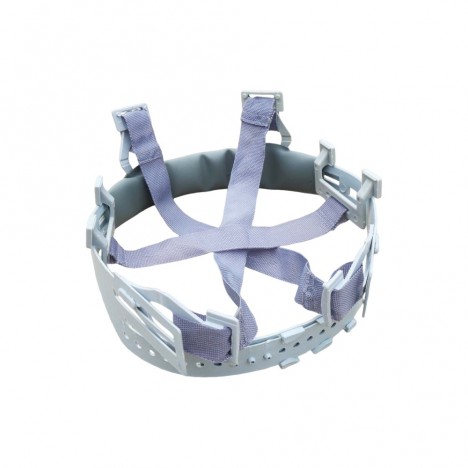
Generally,Safety Helmetthey are manufactured from strong, impact-reducing materials such as polymers, plastics, carbon fiber, or metals. The interior also consists of an impact-absorbing suspension system and a chin strap for a secure fit when worn. Some types can also be fitted with accessories such as front brims, earmuffs, face shields, and chemical neck covers, according to the University of Western Australia website article on Safety, Health and Injury Management and Wellbeing[1]
The Importance of Safety Helmets at Work
Many people in the trades and industrial sectors may not yet realize why wearing a safety helmet while working is crucial. Some might feel uncomfortable wearing one or find it restricts their movement. However, research on industrial and construction accidents in South Korea revealed that over 41% of injuries occurring during work were head injuries.
Proportion of accidents in the South Korean construction industry broken down by injured body part

According to research in "Safety Helmet Wearing Management System for Construction Workers Using Three-Axis Accelerometer Sensor | [2]", based on the referenced proportions—whether from falls from heights, slips and trips, falling objects, and more—it clearly demonstrates that not wearing protective equipment, particularly a safety helmet, can lead to a much higher risk of injury if an accident occurs at work. To ensure optimal protection, it is essential to choose the right type of safety helmet for the job, as detailed in the next section.
What types of safety helmets are there?
Choosing the right safety helmet for the job helps reduce the risk of accidents and enhances worker safety. In this article, we will examine the different types of safety helmets and their respective features and applications. Common types found today include 2 impact-resistant types, 3 electrical-protective types, and 1 heat-resistant type. We categorize safety helmets according to certified standards widely used across various industries into the following main types:
Type I
This type of safety helmet is designed to protect only against impacts to the top of the head. It is suitable for work with risks of falling objects from heights, such as in construction, factories, heavy industry, and general manufacturing areas.
Type II
This type of safety helmet is designed to protect against impacts to both the top and sides of the head. It is suitable for work with risks of impact from all directions, such as heavy industrial work or tasks performed in confined spaces.
Class G (General)
This type of safety helmet is designed to reduce contact exposure to low-voltage electrical conductors and is proof-tested at 2,200 volts (phase-to-ground). It is suitable for general work with risks of electrical contact, such as electrical wiring, etc.
Class E (Electrical)
This type of safety helmet is designed to reduce contact exposure to high-voltage electrical conductors and is proof-tested at 20,000 volts (phase-to-ground). It is suitable for high-risk work involving exposure to high-voltage electricity.
Class C (Conductive)
This type of safety helmet is not designed to protect against electrical hazards. It is suitable for work without risks of electrical contact, such as general construction, open-air jobs, material handling, and various repair tasks.
Selecting the appropriate safety helmet for the type of work and working environment greatly enhances worker safety. This information is vital for everyone to know and follow to ensure workplace safety.

How to choose the right safety helmet for the job
Choosing the right safety helmet is essential for preventing accidents and reducing workplace risks. Employers must conduct a workplace risk assessment and determine whether a safety helmet is required based on the identified risks, and if so, select the most suitable type. Below are guidelines referenced from OSHA's "Head Protection: Safety Helmets in the Workplace":
1. For construction sites
Especially on high-risk sites where there are falling objects and debris from equipment, awkward working positions, or potential slips and trips, the use of Type I and Type II safety helmets equipped with chin straps should be considered.
2. Electrical work
For work involving electricity or near electrical hazards, safety helmets and head protection made of non-conductive materials (such as Class G and Class E) should be worn to provide protection against dangerous electric shocks or static burns.
3. Road work
Safety helmets with high-visibility capability are marked with "HV" on the label. HV (High visibility) or Class C safety helmets help workers stay clearly visible on job sites such as construction areas and busy road work environments.
Choosing the right safety helmet not only improves worker safety, but also ensures compliance with occupational safety laws and regulations. Therefore, prioritizing the proper selection and use of safety helmets is something all employers and workers must emphasize and strictly adhere to.

Precautions for Using Safety Helmets
UsingSafety HelmetIt is extremely important in preventing various hazards that may occur in the workplace or during different activities. Safety helmets help protect against hazards from flying debris, severe impacts, or falling objects from heights. They also help prevent hazards from collisions between individuals. Safety helmets should be used according to the standards suitable for the job, and their condition should be inspected regularly, including keeping the helmet consistently clean. Do not use helmets with cracks or damage to prevent potential hazards. Store safety helmets in a suitable, safe place to prevent damage.
Q&A
When should a safety helmet be replaced?
- A safety helmet should be replaced when cracks or damage are found, or after 3-5 years of use, depending on operating conditions.
How do safety helmets protect against impact?
- Safety helmets are designed to absorb impact from falling objects, featuring an internal suspension system to enhance safety.
What material should a safety helmet be made of?
- You should choose a safety helmet made from strong and durable materials such as polyethylene or fiberglass. For electrical work, select non-conductive materials.
Conclusion
Choosing the right safety helmet is crucial for preventing accidents and maintaining workplace safety. We hope this article helps you gain a clear understanding of the types of safety helmets and how to choose the right one. Workplace safety is something that should never be overlooked; selecting the proper safety helmet is another way to protect yourself. Don't forget to regularly inspect and maintain your safety helmet so that it can perform at full efficiency.
Other Related Articles - In-Depth Guide to Safety Helmets with Usage Recommendations for Maximum Safety
References
[1] - Safety, Health and Injury Management and Wellbeing URL: https://www.safety.uwa.edu.au/topics/physical/protective-equipment/head [accessed 28 Jun, 2024]
[2] - Safety Helmet Wearing Management System for Construction Workers Using Three-Axis Accelerometer Sensor - Scientific Figure on ResearchGate. Available from: https://www.researchgate.net/figure/Distribution-of-industrial-accidents-in-the-construction-industry-in-Korea-by-cause-of_fig1_329215244 [accessed 28 Jun, 2024]
[3] - Head Protection: Safety Helmets in the Workplace https://www.osha.gov/sites/default/files/publications/safety_helmet_shib.pdf