


 EN
 ไทย


Customers Also Purchased


ChoosingWater PumpsChoosing a swimming pool pump depends on the pool's size and water flow requirements. Generally, a swimming pool water pump should have sufficient flow capacity to circulate water throughout the entire pool. You should select a pump with enough power to operate properly for your pool's size, and choose a high-quality pump for operational efficiency and long-term durability. In addition, further supplementary factors should be considered. Here is a step-by-step guide to help you choose the right pool pump—let's read on to find out!
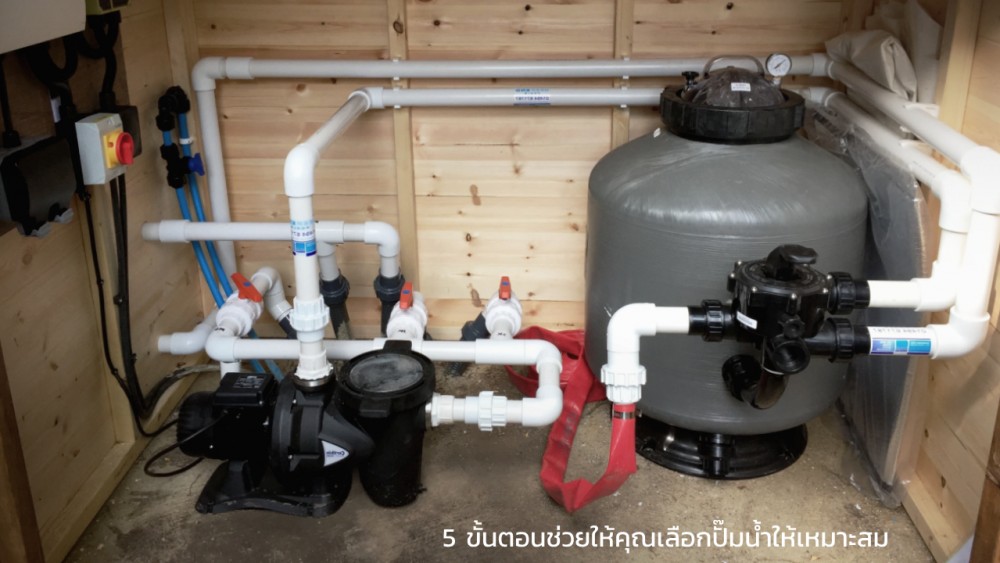
The Importance of Choosing the Right Swimming Pool Water Pump
A swimming pool is a great addition to the backyard for many homes, serving as a place for family relaxation and activities. However, to ensure your pool remains safe and clean, choosing the right pump is essential. Many factors affect the selection of a pool pump, such as pool size, pump flow rate, efficiency, and pump type. Therefore, here is a 5-step guide to help you select Water Pumps the right pump for your home swimming pool.
5 Steps to Help You Choose the Right Water Pump
1. Determine the size of the pool
The first step in choosing the right pump for your swimming pool is to determine the size of the pool. The pool size dictates the size of the pump you need: larger pools require larger pumps, while smaller pools can use smaller pumps. Additionally, you need to consider the number of pool features, such as waterfalls or fountains, as these also affect the required pump size. Consider the volume of water that must be pumped through the filtration system against the total dynamic head (TDH), which is the resistance to flow the pump must overcome—the higher the TDH, the more pressure the pump must generate.
2. Flow rate
A pump's flow rate is measured in liters per minute (LPM). It is important to choose a pump with a flow rate suitable for your pool's size. The higher the flow rate, the more water volume the pump can move, which is critical for maintaining water cleanliness in the pool. In addition, it is essential to consider the flow rate relative to your pool's filtration system size. Smaller/larger filtration systems accommodate lower/higher flow rates accordingly to ensure more effective water filtration.
3. Pump type
Water PumpsThe two main types of pool pumps commonly used today for small-to-medium pools are Single Speed Pumps and Variable Speed Pumps. Single speed pumps operate at only one speed; the motor rotates the impeller at a single speed level based on the motor's horsepower. Meanwhile, variable speed pumps can operate at different speeds to meet diverse operating needs, allowing you to optimize RPM for each specific application. Generally, variable speed pumps are more energy-efficient, but they can also be more expensive.
4. Motor power and electrical supply
You may need to consider whether the power supply to be connected to your pump is single-phase or three-phase, and whether the desired pool pump can be wired to your electrical system. Check whether the frequency is 50Hz or 60Hz, because a mismatch can cause the pump to underperform or run below standard, meaning this mistake could reduce the pump's flow efficiency and shorten its lifespan.
5. Pump Noise Level
Generally, water pumps tend to be noisy due to the operation of the internal motor. Pumps on the market today typically have a manufacturer-rated noise level of 70–80 decibels, which can sometimes become a nuisance if heard continuously for long periods. Therefore, when choosing a pool pump, it is better to select a quiet model so it does not disturb you while relaxing or enjoying activities with your family. Additionally, if the pump is still noisy, check whether it is properly anchored to its base to reduce unwanted noise.
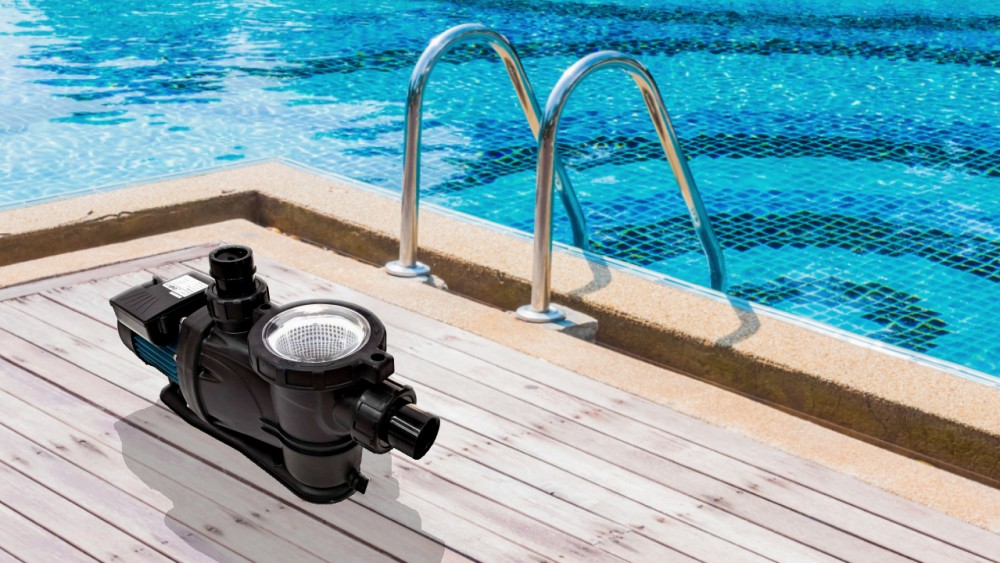
Conclusion
ChoosingWater PumpsFor a swimming pool, start simply by identifying the size of your pool, as this will help determine the appropriate pump size. Next, consider the pool's features, such as waterfalls or fountains, and the number of other elements that might affect pump sizing and operation. Then, take into account the volume of water that needs to be pumped through the filtration system by checking the Total Dynamic Head (TDH) to select a pump with the right pressure. After that, choose a pump flow rate suitable for your pool's size and filtration system, followed by selecting the right pump type for your application. Finally, consider the appropriate motor power and electrical supply, as well as the pump's noise level for your comfort of use.
FAQ - Frequently Asked Questions
What type of pool pump should be used?
- A Variable Speed Pump is an excellent choice because it can adjust its speed according to demand, helping to save energy and lower pool operating costs.
What should be considered when choosing a pool pump?
- Considering the pool size, pool features—such as waterfalls or fountains—and the filtration system is essential.
What should the pool pump flow rate be?
- You should select a flow rate that matches the size and filtration system of the pool to maintain clean water efficiently.
Other interesting articles - 8 Types of Water Pumps and How to Choose the Right One