


 EN
 ไทย


Customers Also Purchased


Water Pumps Plays a fairly significant role in our daily lives. It is a device used for delivering water or transferring liquids from one place to another, as well as circulating or mixing liquids for agricultural, industrial, and residential purposes. In this article, I will explain the types and applications of water pumps, their functions, and the latest technological advancements that will drive water pumps in the future. If you are ready, let's dive into this article.
What is a water pump?
If you have problems with inconsistent or weak water pressure, it is no longer difficult. A water pump can be the solution for you. Water pumps are used to deliver water or transfer liquids from one place to another. They consist of a body, an electric motor, or an engine, basically consisting of 2 main parts: the motor and the pump head. The motor functions to rotate the pump mechanism in order to push water from one point to another. Generally, water pumps are divided into 2 main groups: industrial use and residential use.
How many types of water pumps are there?
Each type of water pump is designed for different applications. Choosing the right water pump for your specific type of application is crucial; you need to understand the characteristics of each pump type.
1. Automatic Water Pump
Automatic Water Pump An automatic water pump, also known as a round tank pump, was among the first types of water pumps adapted for use. The operation of an automatic water pump may vary depending on the design and type of pump. Automatic water pumps come in 2 types: pressure tank pumps and constant pressure pumps.
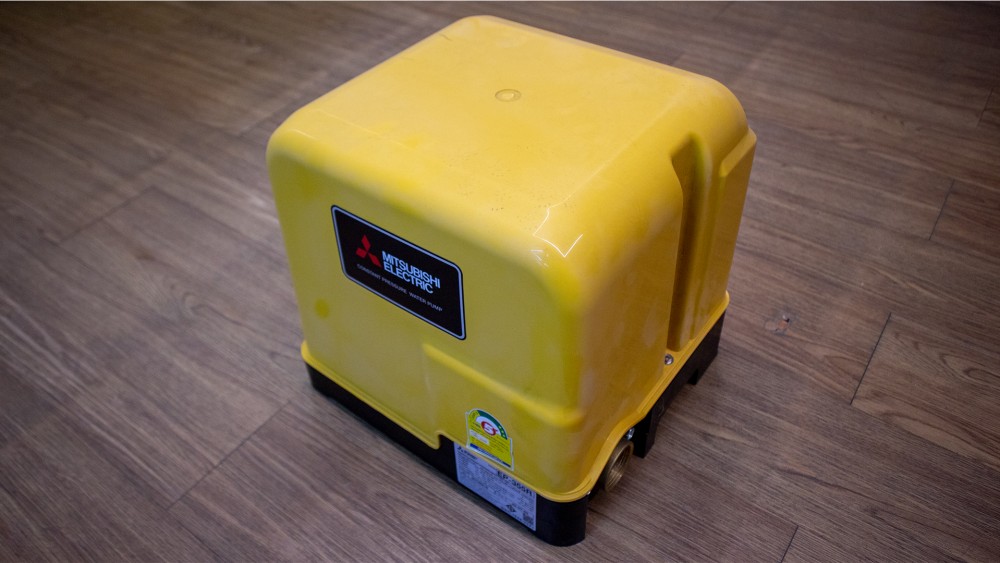
Pressure tank water pumps are popular and have been used for a long time. With an uncomplicated structure, they are easy to install and convenient to use, making them widely adopted with readily available spare parts. Their operation involves drawing water into a pressure tank to displace the air inside, filling roughly half of the tank on average. When water and air are compressed together like an inflated ball or balloon ready to burst, turning on a faucet or flushing a toilet releases the water to your various points of use.
Constant pressure water pumps, or Inverter pumps, have a modern look and deliver consistent water pressure. They operate by using compressed nitrogen gas in a cylinder to increase pressure, with a rubber diaphragm separating the water from the nitrogen gas. This provides much more consistent pressure than standard air pressure tanks, solves the issue of weak water flow upstairs when water is turned on downstairs, and also helps keep water heater temperatures stable.
2. Centrifugal Pump
Electric Centrifugal Pumps Known in English as Centrifugal Pumps, these are considered widely popular water pumps. They are water pumps that use rotating impellers to generate centrifugal force on water or liquids. They are commonly used in
industrial plants and the agricultural sector. In addition, they are used in wastewater treatment and can also pump certain types of chemicals. It can be said that centrifugal pumps are truly versatile, multi-purpose water pumps with a wide variety of applications.
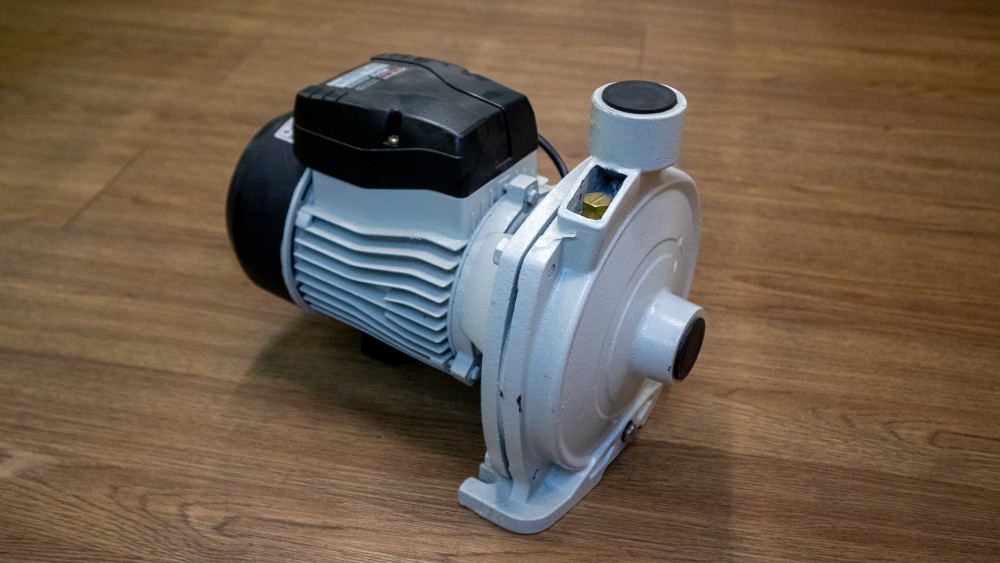
The main operating principle of a centrifugal pump is that the motor imparts energy to the water flow, causing it to flow and propelling the liquid along the direction of rotation, with the impeller and casing controlling the flow direction. In a centrifugal pump, the liquid enters the casing, lands on the impeller at the impeller eye, swirls axially, and is thrown radially outward until it enters the discharge section of the casing. While passing through the impeller, the liquid gains both velocity and pressure simultaneously.
3. Submersible Utility Pump
submersible pumps Known in English as a Submersible Pump, it is designed to operate submerged underwater. It is a water pump widely used in ponds and fish pools, as well as in industrial applications, construction work, wastewater treatment ponds, and works well with mud or liquids with high sludge content.
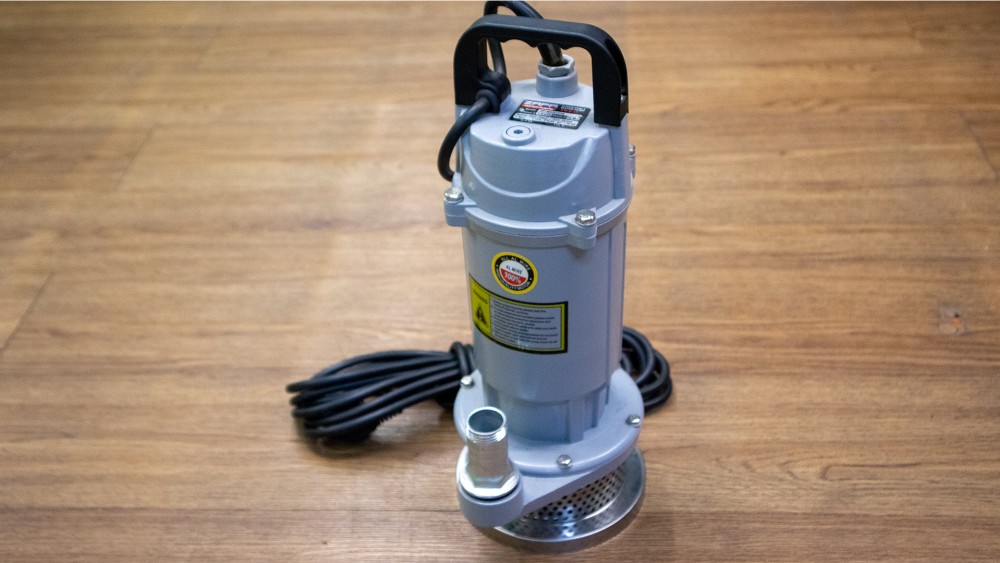
It operates using a motor that generates power to rotate an impeller. When the impeller rotates, it drives the water stream in the direction of the impeller's rotation to create pressure along the water pipe. They can be divided into 2 types:
Model with a float switch: When submerged in water, the float will rise, and once all the water is drained, the float will drop down. It is a water pump that can shut off automatically.
Model without a float switch: A pump that must be manually turned on and off via a switch.
4. Deep Well Submersible Pump
Choosing a standard Submersible Pump (deep well pump) suitable for the workload and location will provide the highest benefit to the user or property owner. It is a type of submersible pump submerged underwater that helps pump water from deep underground layers exceeding 10 meters, for applications ranging from agriculture to industry.
Usage depends on the well size; knowing the drilled well size will allow you to choose a properly sized submersible pump. For example, if drilling a 4-inch well, you should select a submersible pump with a diameter not exceeding 4 inches. Regarding the lowering depth, you should not lower the submersible pump too close to the static water level before pumping, nor should you lower it completely to the bottom of the well casing. It is recommended to leave a clearance of more than 5 meters above the bottom of the well. A good lowering depth should neither be too deep nor too close to the surface.
5. Engine Water Pump
Most people mistakenly understand that Water Pump engine water pumps and water pumps are different things. But in reality, an engine water pump and a water pump serve the same core purpose; they are just categorized differently. Engine water pumps run on fuel to pump and drain water from ponds, or pump water out of flooded areas. They offer high discharge power and are ideal for areas without access to electricity, making them multipurpose for both agriculture and industry.
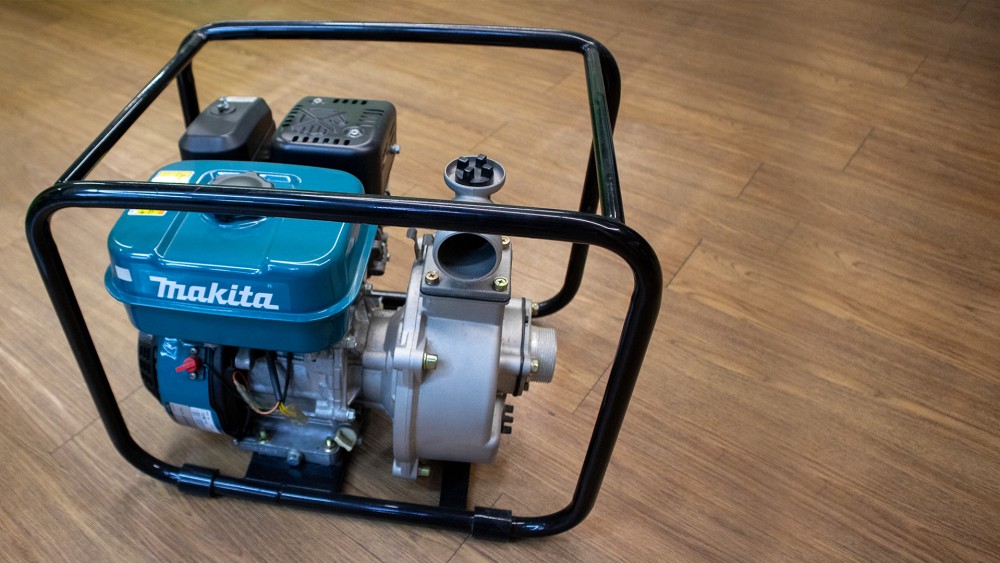
Because water used for agriculture and industry generally requires high-volume pumping, this type of engine water pump saves a significant amount of time compared to other pumping methods. In addition, engine water pumps help speed up drainage, such as during floods or in areas that require urgent drainage.
6. Bare Shaft Pump
Centrifugal Pumps Unit It is an efficient water pump designed to operate submerged. It is suitable for pumping water within industrial plants, village water supply systems, cooling systems, and fire protection systems. Bare shaft pumps often feature a water-lubricated structure to prevent water ingress, typically comprising the pump unit and motor in one assembly.
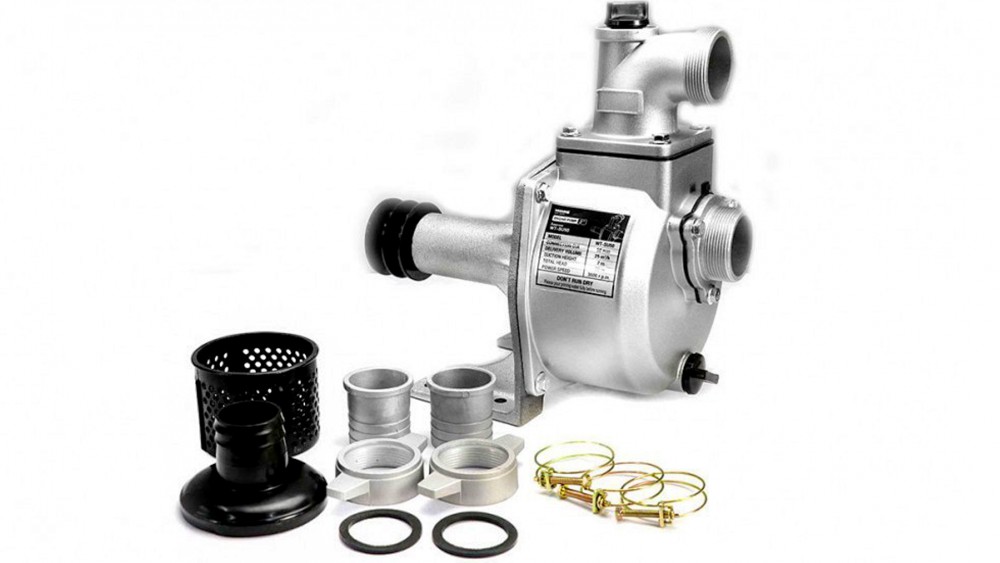
Bare shaft pumps use modern technology to compress water and draw it up efficiently. They are used in many situations, such as swimming pools, water parks, water treatment, or public and private water services—especially in submerged operations that demand high safety and efficiency.
7. Fountain and Waterfall Pump
If you want to bring your pond to life with ripples and the sound of moving water, you will need a fountain and waterfall pump to enhance the beauty of your pond and bring you great enjoyment.
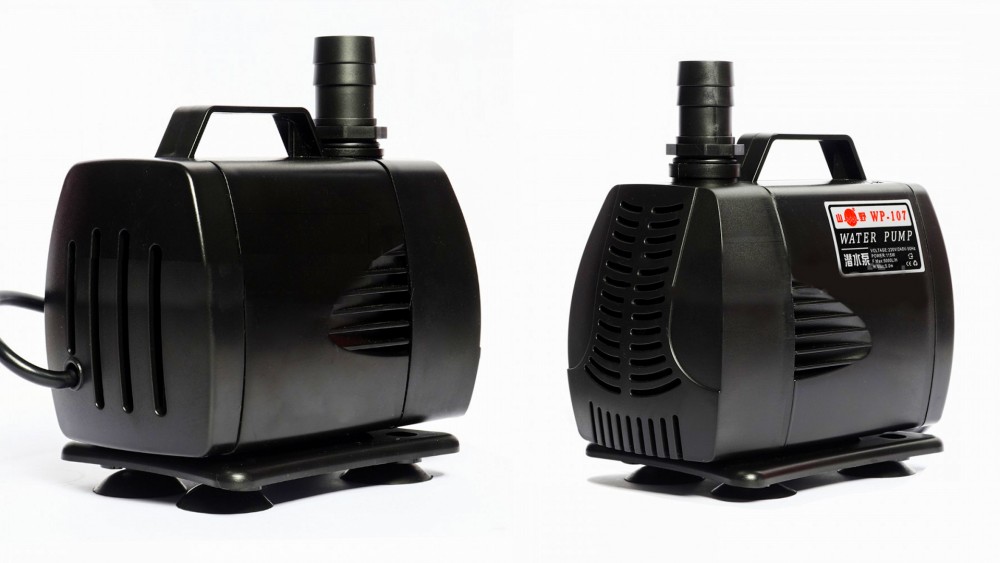
Fountain pump and Waterfall pump It is a device that allows you to circulate water through a designated circuit, typically being a centrifugal pump where an electric motor is used to drive an impeller. When the impeller spins, water is drawn into one side of the pump and discharged out the other. The water flow rate is determined by the power and size of the impeller.
8. Swimming Pool Pump
If your home has a swimming pool, you definitely need a swimming pool pump. It is essentially considered the heart of a swimming pool, because without a swimming pool pump, you will have no water circulation, and water will not be able to flow through your filtration system
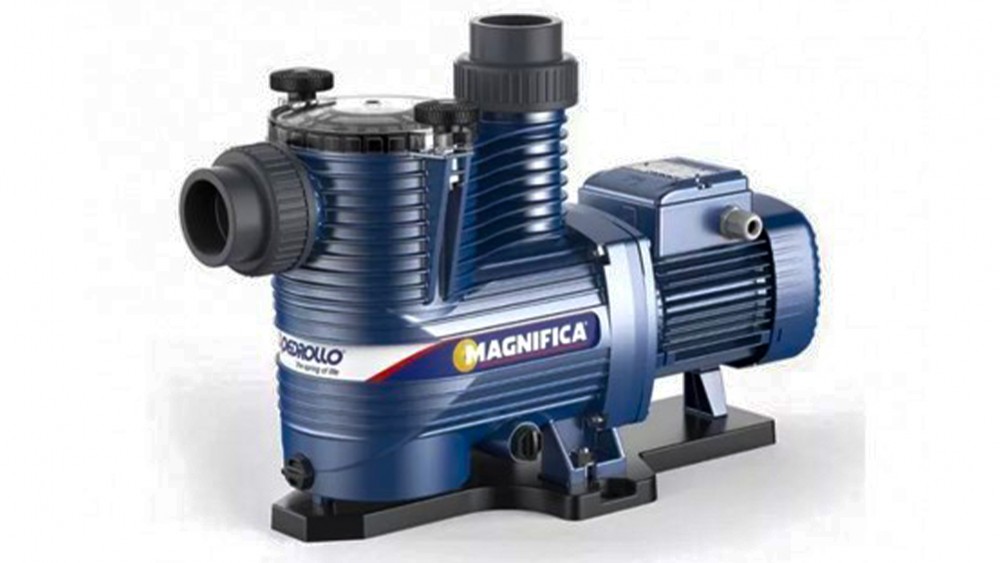
to allow proper cleaning. Swimming Pool Pump It is therefore extremely vital, as the swimming pool pump itself draws water from the pool into the pump, delivers it to the filtration system, and pushes it back into the pool to ensure continuous water circulation. Essential pool chemicals like “chlorine” are also consistently added to the water in appropriate amounts, keeping the pool water sparkling clean and inviting at all times.
Conclusion
Water Pumps It plays a crucial role in daily life. A water pump is a device used to transfer water from one place to another in designated areas for plumbing systems or water supply services. Water pumps come in various types and are used in many applications, such as gardening, residential water supply, and different industries. Choose a water pump that suits your needs.