


 EN
 ไทย


Customers Also Purchased
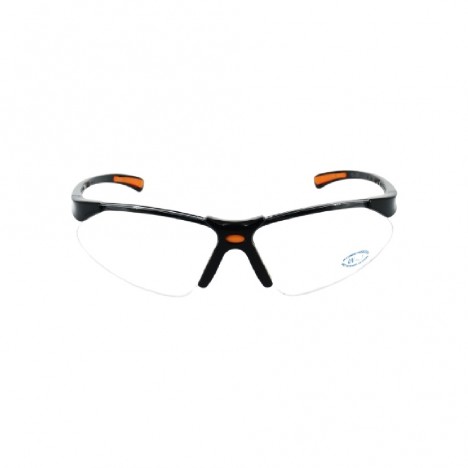
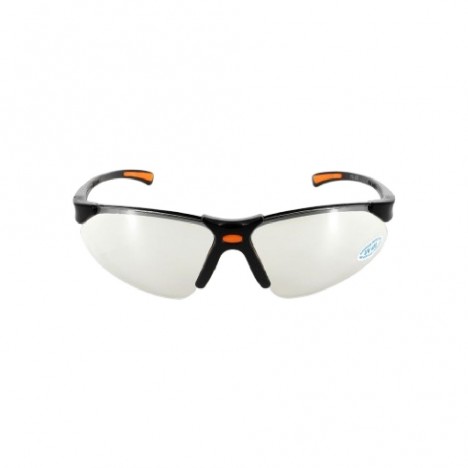
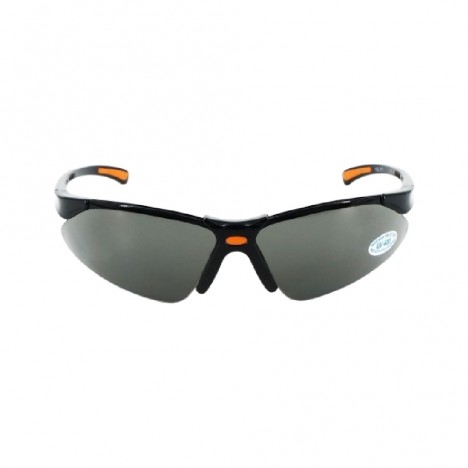
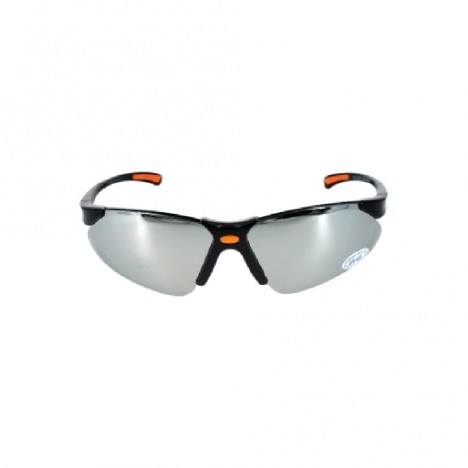
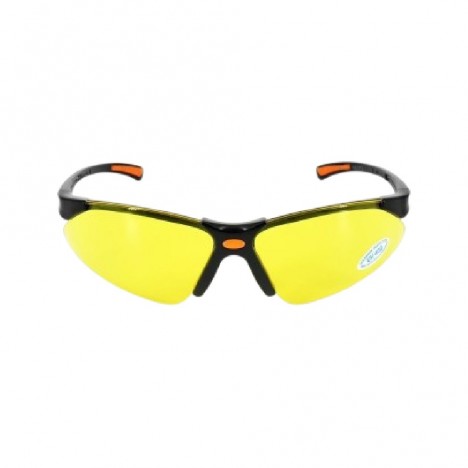

Safety Glasses They are protective eyewear designed to shield the eyes from potential hazards in the work environment. They are essential safety equipment commonly used in various industries such as construction, laboratories, and many others.
When it comes to safety glasses, there are many types to choose from. Each type is designed to provide protection in different environments and against specific hazards. In manufacturing safety glasses, every component works completely together; impact-resistant and shockproof frames are essential for safety glasses. Each type of material provides a crucial part of protection to keep your eyes safe. In this article, we'll take a look at the various materials used to make safety glasses lenses. If you're ready, let's dive into the article.

Why use safety glasses?
Eye injuries can happen anywhere, whether at work or at home. Did you know that more than 2,000 people suffer eye injuries every day? And 10–20% of those injuries result in temporary—or, unfortunately, even permanent—vision loss, according to the Centers for Disease Control and Prevention (CDC). According to OSHA and eye care professionals, 90% of eye injuries are preventable. The key is to have the right eye protection. Safety glasses can protect against glare, heat, chemicals, radiation, wind, impact, and more.
Eye hazards in the workplace
It is important to ensure that you obtain and wear ANSI- and OSHA-certified safety glasses to protect against potential eye hazards in your workplace. Dust, flying objects, and chemicals are just a few of the most common eye hazards.
Dust
Dust can be considered one of the most hazardous things for your eyes. If you work in construction, mining, oil, woodworking, or anyone working outdoors, you face dust every day. Dust may seem harmless. Safety glasses are standard eye protection for dust particles, but they are a better choice if the dust is airborne or unusually dense, as dust particles can be small and fine.
Flying objects
Another common hazard similar to dust is flying objects, airborne particles, or loose debris often generated by nearby workers. Sanding, grinding, machining, chipping, hammering, and chiseling can generate hazardous particles or flying objects. Wearing proper protective safety glasses is essential to protect vision from flying objects. Safety glasses that meet the ANSI Z87.1 standard are a great choice.
Chemicals
Chemicals are a common eye hazard for those working in laboratories or factories. Chemical eye injuries are often irreversible. Proper safety glasses help protect the eyes from chemical hazards, serving as the best choice to prevent chemical injuries, just like with dust.
Safety glasses must comply with OSHA and ANSI standards
It is important to make sure that the lenses and protective frames meet safety standards. Safety-rated safety glasses provide the best eye protection for working conditions. Safety glasses are only considered protective eyewear if both the frame and the lenses meet the requirements set by the Occupational Safety and Health Administration (OSHA) and the American National Standards Institute (ANSI).
OSHA enforces occupational health and safety standards. Manufacturing standards are established by ANSI. The American National Standards Institute (ANSI) is the organization that establishes manufacturing standards for various products, including safety glasses, to ensure they meet minimum performance requirements. For ANSI-rated safety glasses, the safety lenses must meet the standards defined by ANSI Z87 for impact and other eye hazards.

The importance of safety glasses lens materials
The lens material of safety glasses determines several important factors that affect the wearer's safety and comfort. When choosing safety glasses, it is important to consider the lens material and the features of the glasses themselves to ensure they meet your needs.
Impact resistance
One of the primary functions of safety glasses is to protect the eyes from impact hazards such as flying debris. The lens material must have high impact resistance to withstand sudden and severe impacts without shattering or causing harm to the eyes.
Optical clarity
Clear, distortion-free vision is essential for tasks requiring precision. The right lens material should provide excellent optical clarity, allowing the wearer to see objects and the surrounding environment clearly.
UV protection
Exposure to harmful ultraviolet (UV) radiation can lead to eye damage and long-term vision problems. Safety glasses with proper UV protection help protect your eyes from harmful UV rays and also reduce the risk of eye-related issues.
Anti-scratch coating
In work environments with abrasive materials or rough surfaces, safety glasses often get scratched to the point of obstructing vision. An anti-scratch coating on the lens material helps maintain optical clarity and extends the service life of safety glasses.

Types of lens materials for safety glasses
Glass
Glass is the oldest lens material for ANSI Z87 certified safety glasses. Glass lenses offer high scratch resistance, provide maximum optical clarity, and due to their high durability, typically have a long service life. There are many specialty lens designs available. However, glass lenses are not as impact-resistant as other lens materials.

Polycarbonate
Polycarbonate is lightweight and exceptionally impact-resistant. Polycarbonate is the most popular lens material for safety glasses. Weighing only half as much as glass, it makes polycarbonate safety glasses more comfortable to wear. Polycarbonate lenses are also more impact-resistant than glass safety lenses. However, polycarbonate is a softer lens material and scratches more easily than glass, even with an anti-scratch coating.

Trivex
Trivex is a plastic lens with a refractive index of 1.53, made from a monomer material that provides high impact resistance exceeding standard plastic lenses. Offering clarity, durability, and a lightweight feel, these impact-resistant and lightweight lenses make Trivex another great option for safety glasses. They are approximately 10% lighter than standard plastic lenses. Trivex prescription safety lenses meet the ANSI Z87+ high-velocity ballistic standard. Only polycarbonate and Trivex meet the Z87+ High Impact Ballistic standard. Polycarbonate prescription lenses also meet the ANSI Z87+ high-velocity rating.

Other options
Anti-reflective treatments (also known as AR or anti-glare coatings) reduce distracting lens reflections, especially during activities that require continuous, clear vision. Many modern anti-reflective coatings also provide other benefits such as increased scratch protection, protection from harmful blue light, easier cleaning, and even dust resistance.
Photochromic lenses, such as Transitions™ lenses, provide clear, comfortable vision in changing outdoor light conditions. They darken when exposed to UV light and return to clear indoors.
Polarized lenses reduce glare and help eyes feel more relaxed when working outdoors. Anyone who drives or operates heavy equipment should wear safety glasses with polarized lenses. Your employees can also get polarized safety lenses in prescription safety glasses.
Instructions for using safety glasses
First, inspect the condition of all parts of the safety glasses before use. Ensure that the safety glasses you are wearing fit your eyes, nose bridge, and temple length properly, and adjust them for each individual. If the lenses are dirty, clean them using dedicated lens cleaner and lens cleaning paper, or wash with mild soap and pat dry.
If they become scratched, cracked, broken, bent, or no longer fit properly, replace them with new safety glasses. Damaged safety glasses not only cause blurry vision but also fail to provide protection against hazards. After use, store safety glasses in a clean, dry place where they will not fall or be struck, and store them in their case whenever not in use.
>>> How to choose safety glasses suitable for your application
Safety Glasses FAQs
Which type of safety glasses is suitable for construction sites?
Construction workers need OSHA-approved safety glasses as part of a complete personal protective equipment setup. Every construction site may have different requirements, but generally, you should look for safety glasses that fit snugly to the face and protect against debris, impact, and scratches.
Do safety glasses protect against UV radiation?
Some safety glasses models come with UV coating to protect against harmful ultraviolet (UV) radiation. Look for safety glasses with UV protection if you work outdoors or in environments where UV exposure is a concern.
Can safety glasses be cleaned?
It is recommended to clean safety glasses with mild soap and water, or a specialized lens cleaner. Avoid using harsh chemicals or household cleaners, as they can damage the lens coating or frame material.
>>> Select Safety Glasses Other Additional Types