


 EN
 ไทย


Customers Also Purchased
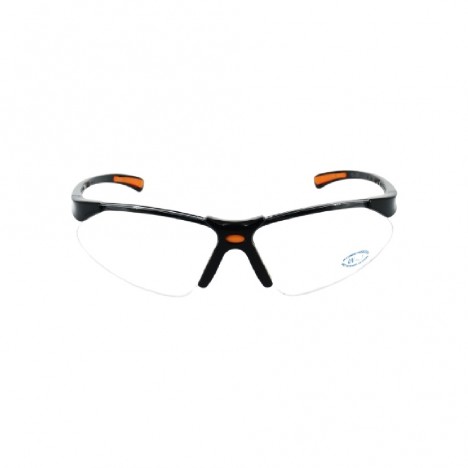
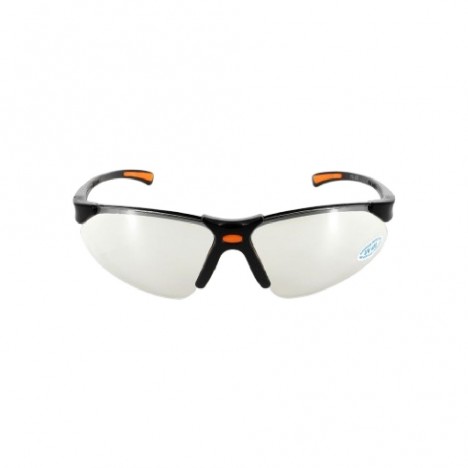
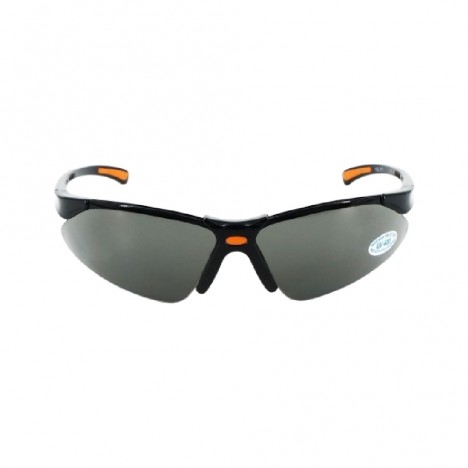
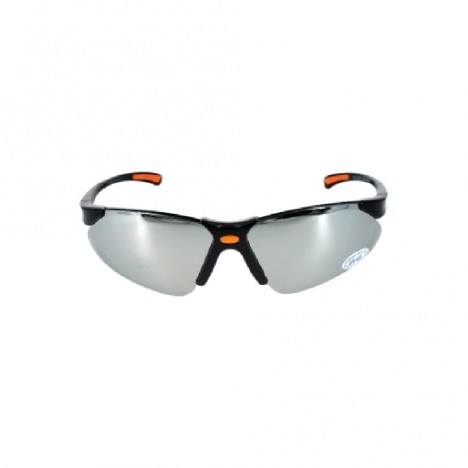
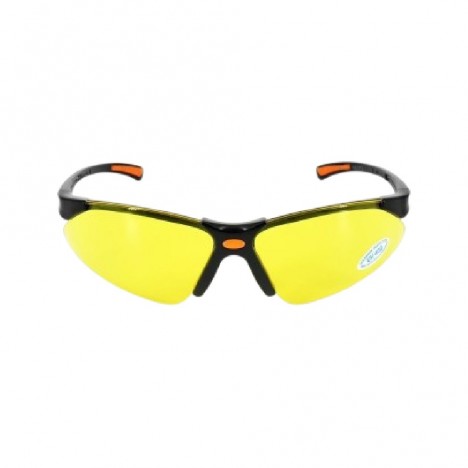

Safety Glasses It is a personal protective equipment (PPE) designed to protect your eyes. It helps protect your eyes from work-related injuries, especially in industrial work and similar environments. Safety glasses can protect against workpiece debris, metal chips, dust particles, or unwanted light from various operations. When choosing safety glasses, you must consider various factors such as frame type, lens type, as well as materials. In this article, I will explain these factors to help you find and purchase the right safety glasses.
What are safety glasses?
Safety glasses may look similar to regular glasses, but they differ in durability and the materials used for the lenses. Typically, some safety lenses are made from the same material used in aircraft windows, which has been tested to be truly durable. The risk of this material shattering is minimal. Most standard eyeglass lenses, although durable and built for everyday wear, are made from a plastic called acetate, which is not robust enough to protect your eyes in working conditions.

Another difference is that safety glasses provide wider coverage. In addition to protecting the eyes from frontal hazards, safety glasses also feature side shields, extending around the temples. Safety glasses are designed to withstand high impacts. They create a protective barrier around the eyes against potential hazards. In environments with risk of exposure to hazardous chemicals, safety glasses can shield against splashes, spills, and chemical fumes, preventing chemicals from contacting the eyes and causing irritation, burns, or more severe injuries.
Safety glasses act like a shield capable of blocking dust, dirt, and other small airborne particles. These particles can cause irritation, scratches, or even more severe damage if they enter the eyes. Some safety glasses are also designed to protect against specific types of radiation, such as ultraviolet (UV) rays or intense light sources. These glasses feature specialized lenses that filter out harmful radiation, thereby reducing the risk of eye damage.
Types of Hazards When Not Wearing Safety Glasses
► Mechanical and physical risks: Look out for machinery, tools, and objects that can generate flying particles and create potential impact hazards.
► Radiation: Look out for harmful light sources such as UV rays from the sun, welding arcs, lasers, and other forms of hazardous light.
► Temperature: Look out for dangerous levels of heat, hot liquids, molten metals, furnaces/open flames, and high thermal radiation.
► Chemicals: Hazardous chemicals come in many forms. Look out for dangerous liquids, gases, powders, vapors, etc.

In general, what factors should be considered when choosing safety glasses?
When buying safety glasses, it is important to consider various factors to ensure you select the right pair that provides optimal protection. Consider the factors below to help make your decision:
► Identify the Hazards
Assess the specific hazards you are likely to encounter. Consider whether you need protection against impacts, chemical splashes, dust, UV radiation, or other potential risks. This will help you select safety glasses with the appropriate features.
► Standard Compliance
Look for safety glasses that comply with relevant safety standards, such as ANSI Z87.1 in the United States or EN166 in Europe. These standards ensure that the safety glasses have been rigorously tested and provide the necessary level of protection.
► Lens Material
Safety glasses often have lenses made of polycarbonate or Trivex (a plastic lens with a refractive index of 1.53 made from monomer material). Both materials offer high impact resistance. Polycarbonate is lightweight, while Trivex provides better optical clarity. Choose the material based on your preferences and the specific needs of your work environment.
► Lens Coating
Consider additional lens coatings based on your needs. Anti-scratch coatings help prevent scratches on the lenses, while anti-fog coatings reduce fogging and maintain clear vision in humid conditions. UV-protection coatings safeguard your eyes from harmful ultraviolet radiation.
► Frame Design
Safety glasses come in several frame designs, including wraparound, semi-rimless, or full-frame styles. Wraparound safety glasses provide better peripheral protection, while semi-rimless and full-frame designs offer greater durability. Choose a frame that is comfortable to wear and provides adequate coverage for your work requirements.

► Fit and Comfort
Ensure that the safety glasses fit securely and comfortably on your face. Look for features such as adjustable nose pads and temples for a customized fit. A proper fit prevents slipping and keeps the glasses in place during use.
► Durability and Quality
Look for safety glasses made from durable materials that can withstand your working environment. Check for sturdy construction, strong hinges, and quality finishes to ensure that the safety glasses will last long.
► Cost
Consider your budget, but prioritize quality and effectiveness over price. Safety glasses are an investment in your eye protection, and it is essential to choose a reliable option that offers the necessary features for your specific needs.
By considering these factors carefully, you can easily make an informed decision when choosing safety glasses. Prioritize your safety and select the safety glasses that offer the best eye protection in your working environment.

Types of Safety Glasses
You will notice that there are many safety glasses to choose from. This is because they all feature different characteristics offering various levels of protection. Here are a few things to look out for when reviewing specifications.
Lens Shape
There are several types of lens shapes depending on the style of safety glasses. For a sportier feel, there are scratch-resistant safety glasses from Merano; on the other end of the spectrum, you have Visispec clear safety over-glasses. All safety glasses have wraparound lenses that generally follow the contours of the face. Just be mindful of blind spots, as some darker-tinted lenses may slightly obscure your peripheral vision.
Optical Clarity
This refers to how clearly you can see through the lens. Class 1 is the highest optical clarity rating; this type of safety glasses can be worn continuously. The lowest is Class 3, which is suitable only for intermittent use.
Mechanical Strength
Mechanical strength refers to the impact that safety glasses can withstand. The lower the impact rating, the lower the protection. In terms of mechanical strength, a low-energy impact rating of 'F' offers the lowest level of protection. An energy impact rating of 'A' is high, and 'B' is medium.

How to Clean Safety Glasses
1. Brush away dust and dirt from safety glasses. Start by brushing off adhering dust, debris, and dirt. Use a specially designed cleaning solution to clean the lenses.
2. Safety glasses should be cleaned with warm water. This method will rinse away remaining debris and dust from the frames and lenses. Wearers can also clean safety glasses with purified water kept at room temperature, especially if tap water from the sink is not safe to drink.
3. To clean the frames, use a soft-bristled toothbrush. Do not apply too much pressure with the toothbrush as it can scratch the lenses. Do not use rags, paper towels, shirts, or facial tissues to clean the lenses.
4. An additional step to ensure safety glasses remain in good condition is cleaning them with a microfiber cloth. Use the inside of the cloth to clean, as the outside may have accumulated dust, dirt, or other contaminants.
5. Use a cleaning cloth with a cleaning solution, as using only one of them alone may damage safety glasses. In addition, wearers need to follow the instructions provided with the safety glasses upon purchase. Manufacturers may specify alternative and more specific cleaning methods.
6. After use, put safety glasses in a case. Doing so helps protect safety glasses from scratches. They can be stored in a microfiber pouch or an eyeglass case. Make sure the case has a hard exterior. Other containers for safety glasses include plastic sleeves, dustproof containers, pouches, or boxes.
FAQs
Are Safety Glasses Necessary?
If you are not prepared for hazardous projects, you may increase the risk of injury. Safety glasses not only protect your eyes from flying debris, but also help absorb impacts and feature a shatterproof design. If you wear regular glasses, an impact could shatter them into pieces and injure you.
What Lenses Are Available for Safety Glasses?
Shatter-resistant lenses are often made from polycarbonate. This durable material is much less likely to break, is lightweight, and can be coated with an anti-scratch treatment to extend the life of clear vision. Polycarbonate can be used for prescription lenses and manufactured into various shapes to suit the frames you choose.
When Should You Wear Safety Glasses?
Wear safety glasses if your work involves flying debris or other eye-related hazards. You should also wear them if working near such tasks. For example, if someone near you is mowing grass, grinding metal parts, cutting wood, or doing other work that generates debris, certified safety glasses should be worn.
